Buckling Wood Floors: Fix Warping Without Replacing (7 Steps)
Buckling wood floors happen when moisture pushes boards past their expansion gap. Mild cases often flatten with a weighted board and dehumidifier in 24-48 hours, but boards with visible gaps or cracked finish need to be pulled and replaced. Left alone, trapped moisture can rot the subfloor and turn a $3-$8 per square foot repair into a $2,500+ replacement. This guide covers diagnosing the cause, the 7-step repair process, and the humidity range that prevents a repeat.
This post contains affiliate links. As an Amazon Associate we earn from qualifying purchases.
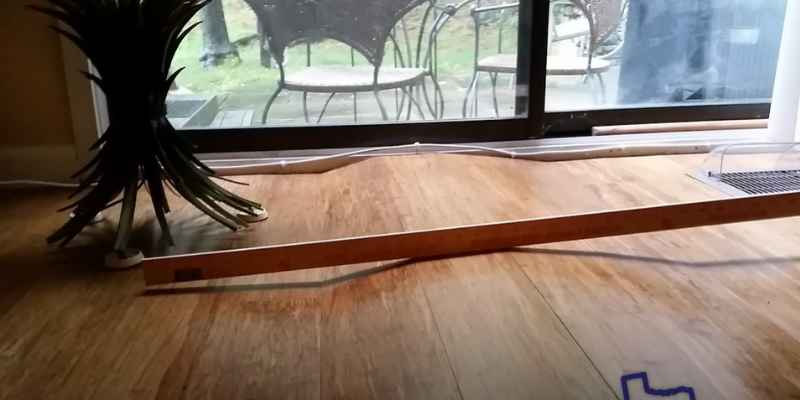
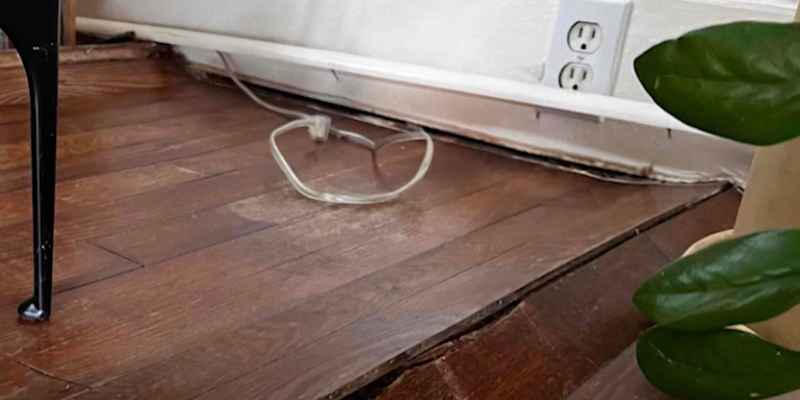
Buckling is a severe form of wood floor movement where entire boards separate from the subfloor and arch upward, distinct from milder cupping (edges higher than center) or crowning (center higher than edges). It happens when a board absorbs enough moisture that it has nowhere left to expand and pushes itself loose. Buckling almost always points to standing water or a long-term leak, not just normal seasonal humidity swings.
Common Causes Of Buckling Wood Floors
If you have noticed a buckling or warping in your wood floors, understanding the cause is the first step to fixing it correctly. Three causes account for most buckling: moisture damage, excessive heat or humidity, and improper installation.
Moisture Damage
Moisture damage is the leading cause of buckling. When excess moisture reaches the wood, it causes floorboards to expand and warp. This moisture typically comes from plumbing leaks, poor subfloor ventilation, or a missing moisture barrier.
Watch for cupping (edges higher than the center) or crowning (center higher than the edges) as early warning signs before full buckling sets in.
Fixing moisture damage starts with the source, not the boards – repair any leaks or improve subfloor ventilation first. Once that’s resolved, affected floorboards may need drying and, in some cases, replacement.
Excessive Heat Or Humidity
Elevated temperatures expand floorboards, while high humidity raises the wood’s moisture content and causes it to swell – both can result in buckling.
If heat or humidity is the cause, regulate indoor temperature and humidity with proper insulation, ventilation, and a dehumidifier or air conditioning.
Improper Installation
Floorboards installed without sufficient expansion gaps or a proper moisture barrier lack the flexibility to accommodate normal changes in moisture and temperature.
If you suspect improper installation, consult a flooring professional to assess whether the affected boards need to be removed and reinstalled with correct gaps.
Identifying Buckling Wood Floors
Identifying buckling wood floors early makes the repair smaller and cheaper. Watch for these three signs.
Visible Buckling Or Warping
An uneven or bulging floor is the clearest sign – boards expand and push against each other from excessive moisture, lifting the surface. Address this promptly to prevent further damage.
Squeaky Or Loose Boards
Another indicator is squeaky or loose boards. Moisture-swollen wood can separate or loosen, producing squeaks underfoot and a potential safety hazard.
Moisture Or Mold
A moldy or musty odor signals moisture-related issues. Mold not only damages the wood but can also pose health risks, so identify the moisture source and act quickly.
Visible buckling, squeaky boards, and mold or musty odors are the three signs to check for. Catching them early keeps a repair from turning into a full wood floor replacement.
Minor vs. Severe Buckling: Which Fix You Need
Not every buckled board needs to be torn out. A board that is still touching the subfloor at most points and has no cracked finish will often settle back down on its own once the moisture source is gone and the area dries. A board that has separated enough to show daylight or gaps underneath will not flatten back out and needs to be replaced.
| Sign | Minor Buckling | Severe Buckling |
|---|---|---|
| Board appearance | Slight ridge, boards still touching | Visible gaps, cracked or lifted finish |
| Moisture source | Short-term spill or brief humidity spike | Days-to-weeks of hidden leak or standing water |
| Fix | Dehumidifier plus a weighted board, 24-48 hours | Remove and replace the affected boards |
| Typical cost | $0-$150 in rented drying equipment | $3-$8 per sq ft; $2,500-$7,000 for full sections |
📊 Wood flooring should be kept at 35-55% relative humidity and 60-80°F to stay within its normal expansion range – the source of most buckling. Source: National Wood Flooring Association (NWFA)
A pin-type or pinless moisture meter takes the guesswork out of this call – a reading above 20% in solid hardwood usually means the board is still actively swelling and isn’t ready to be reinstalled or refinished yet, even if the buckling looks minor.
Gathering The Necessary Tools And Materials
Repairing buckling wood floors goes faster with the right tools on hand before you start:
Hammer
A sturdy hammer for driving nails and gently tapping boards back into place.
Circular Saw
A circular saw with a suitable wood-cutting blade for cleanly removing damaged sections.
Wood Glue
A high-quality wood glue that dries quickly and bonds strongly, reinforcing repaired boards against future movement.
Moisture Barrier
A moisture barrier appropriate for your flooring type, installed correctly to block future moisture from reaching the wood.
Flooring Nails
Longer, sturdier nails made specifically for flooring installation to hold boards securely in place.
With these on hand, follow the manufacturer’s instructions and standard safety precautions when using power tools.
Best Wood Moisture Meter Pick
General Tools MMD4E Wood Moisture Meter – $37.70
Checking moisture content before you reinstall or refinish a dried-out board – as this guide’s assess-the-damage step recommends – confirms it’s actually dry instead of just cool to the touch.
- Best for: Confirming a board is dry before reinstalling
- Why we picked it: Pin-type reading gives a direct percentage, not just a relative signal
- Main drawback: Pins leave tiny marks, so avoid finished show faces
Compare more moisture meter options
 Option 1 General Tools MMD7NP Pinless Moisture Meter – $49.99
|
 Option 2 Klein Tools ET140 Pinless Moisture Meter – $49.97
|
 Option 3 Mecurate Digital Pin-Type Wood Moisture Meter – $27.99
|
As an Amazon Associate we earn from qualifying purchases.
Seven Steps To Fix Buckling Wood Floors
Follow these seven steps in order for a lasting repair.
Assess The Extent Of The Damage
Walk around the affected area, inspecting the floorboards carefully. Look for signs of moisture, warping, or gaps between the boards. This assessment determines the appropriate course of action.
Dry The Affected Area
Once you have identified the buckling floorboards, dry the affected area thoroughly using fans, dehumidifiers, or natural ventilation to remove excess moisture and prevent further damage.
Remove The Damaged Boards
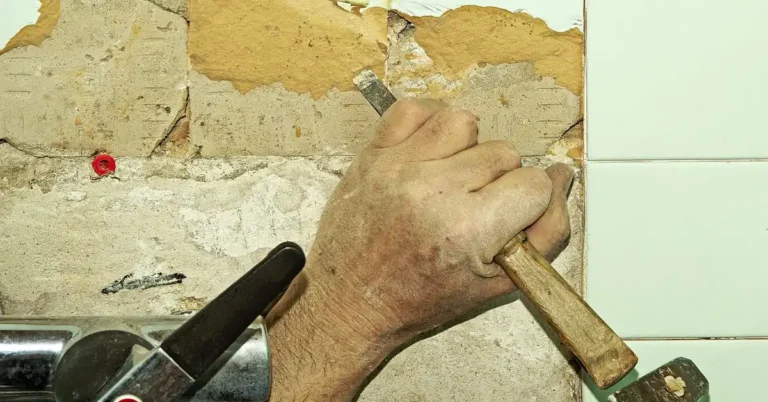
Carefully pry up the damaged boards using a crowbar or chisel, being mindful not to damage surrounding boards. Severe buckling may require removing multiple boards to access the subfloor.
Repair Or Replace Subfloor If Necessary
After removing the damaged boards, assess the subfloor. If it is wet, damaged, or uneven, repair or replace it – addressing the underlying cause is what prevents the buckling from returning.
Reinstall The Boards
Align the replacement boards with the existing ones for a seamless transition. Use a hammer and finishing nails to secure them firmly, level and flush with the surrounding floor.
Sand And Refinish The Floor
Sand the entire repaired area to remove imperfections and create a smooth, even surface, starting with a coarse grit and working up to a finer one.
Apply Protective Finish
Apply a matching protective finish evenly with a brush, roller, or sprayer, following the manufacturer’s instructions, and allow full drying time before moving furniture back.
How Much Does It Cost to Fix Buckling Wood Floors?
Minor buckling that responds to drying and a weighted board costs little beyond a fan or dehumidifier rental. Severe buckling that requires removing and replacing boards runs $3 to $8 per square foot, and a full-section replacement after prolonged water damage typically lands between $2,500 and $7,000 depending on the wood species and room size.
📊 Wood floor repair typically runs $65-$100 per hour or $3-$8 per square foot, while full-section replacement after severe buckling averages $2,500-$7,000. Source: HomeAdvisor, 2026
If you are weighing repair against a larger flooring project, our wood flooring guide compares material types, installation costs, and long-term care so you can decide whether to repair the affected section or plan a fuller update.
Preventative Measures To Avoid Buckling Wood Floors
Proactive moisture control, correct installation, and regular maintenance are what keep buckling from coming back.
Control Moisture Levels
Excessive moisture is the primary cause of buckling. To control it:
- Ensure the subfloor is moisture-free and properly sealed before installing the wood floor.
- Avoid installing wood flooring in high-moisture areas, such as bathrooms or basements.
- Use a dehumidifier in rooms with high humidity.
- Wipe up spills immediately so moisture doesn’t seep into the wood.
Use Proper Floor Installation Techniques
Inadequate installation causes buckling down the line. Follow these practices:
- Acclimate the wood flooring in the installation room for at least 72 hours.
- Use a moisture barrier, such as a vapor retarder, between the subfloor and the wood flooring.
- Follow the manufacturer’s installation guidelines exactly.
- Leave sufficient expansion gaps around the room’s perimeter for wood movement.
Regular Maintenance And Inspections
Catching issues early keeps small problems from becoming big ones:
- Sweep or vacuum regularly to remove dirt and debris that can scratch the surface.
- Use a damp mop with a mild wood floor cleaner instead of excessive water.
- Check periodically for cupping or warping and address issues promptly.
- Use area rugs or mats in high-traffic areas to reduce wear.
Frequently Asked Questions
Can a buckled wood floor fix itself?
Sometimes, but only for minor buckling. Once the moisture source is removed and the area is dried with fans or a dehumidifier, a lightly buckled board often settles back within 24-48 hours, especially with a weighted board placed on top. Boards showing gaps or cracked finish will not flatten on their own and need to be replaced.
How long does it take for a buckled wood floor to go back down?
Minor buckling typically settles in 24-48 hours once the area is fully dried. If the board is still raised after 3-4 days of active drying, treat it as severe and move to removal and replacement rather than continuing to wait.
What humidity level stops wood floors from buckling?
The National Wood Flooring Association recommends keeping indoor relative humidity between 35% and 55%, with room temperature between 60-80°F. Staying in this range keeps boards within their normal expansion and contraction cycle.
Is a buckled wood floor a sign of a bigger problem?
Usually, yes. Buckling requires more water than a normal humidity swing, so it often points to a plumbing leak, failed moisture barrier, or standing water from flooding. Fixing the visible boards without finding that source means the buckling will return.
Can you walk on a buckled wood floor?
Carefully, but treat it as a trip hazard and inspect it before regular foot traffic resumes. Raised boards can also indicate a weakened subfloor underneath, so avoid heavy furniture or appliances on the affected area until it’s been assessed.
Conclusion
Most buckling wood floors trace back to a single moisture source – find and fix that first, and the repair itself is usually straightforward. Minor buckling often settles with drying and a weighted board; boards with visible gaps need to be pulled, dried, and replaced. Keep indoor humidity in the 35-55% range afterward and the problem shouldn’t come back.