Interior Vs Exterior Stain: Choosing the Best Finish
Choosing the right stain for your home can feel like a daunting task. You might be wondering whether to go for an interior stain or an exterior stain.
After all, you want the best for your home, ensuring it looks stunning while withstanding the test of time. The wrong choice could lead to peeling, fading, or even damage. But don’t worry; you’re not alone in this decision. By understanding the key differences between interior and exterior stains, you can make a choice that enhances and protects your cherished spaces.
Let’s dive into what sets these stains apart and how you can pick the perfect one for your needs. Your home deserves the best, and so do you.
Interior Stain Features
Applying interior stain is easy. Use a brush or cloth for even coverage. Smooth strokes help avoid streaks. Let each coat dry before adding more. This ensures a rich finish. Safety first: use gloves and masks.
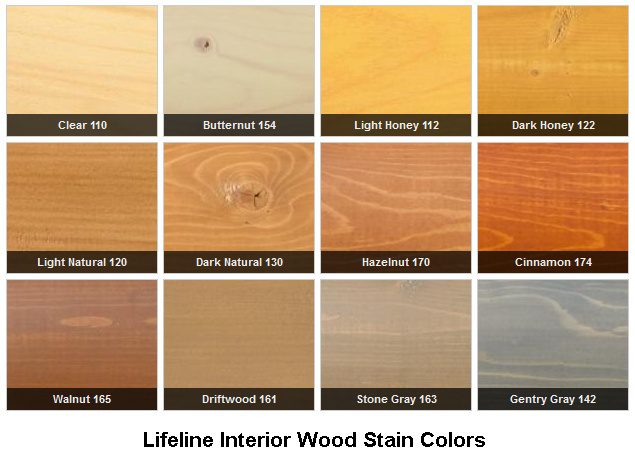
Interior stains offer many colors. Choose from light tones to deep hues. Wood grains can show through with translucent stains. Some stains mix colors for a unique look. Test colors on small areas first.
Interior stains last long with care. Avoid water and direct sun. Regular dusting keeps surfaces clean. Use a damp cloth for tough spots. Protect with a clear finish for longer life. Easy upkeep keeps your home beautiful.

Credit: www.zar.com
Exterior Stain Features
Exterior stains are built to resist harsh weather. They protect wood from rain, snow, and sun. Durability is key. They keep surfaces strong and safe. The stain acts like a shield. It keeps moisture out. This helps prevent damage and rot.
The sun can harm wood over time. UV protection in stains is important. It stops the sun from fading colors. It keeps wood looking fresh. The stain forms a barrier. This barrier blocks harmful rays. Your wood stays beautiful longer.
Exterior stains last for years. They make wood last longer too. Long-lasting protection means fewer repairs. You save time and money. The stain helps wood stay strong. It fights against wear and tear. Your wood stays in top shape.
Comparing Interior And Exterior Stains
Interior stains often cost less than exterior stains. Exterior stains need to stand up to weather. This makes them more expensive. Interior stains need less protection. They are used in controlled environments. So, they cost less. Budgeting for your project is important. Think about the area you need to cover.
Exterior stains can affect the environment more. They contain chemicals to protect against weather. Interior stains are safer for the indoor air. They have less volatile organic compounds. Choose stains that are eco-friendly. Water-based stains are a good choice.
Exterior stains last longer than interior stains. They resist sun, rain, and wind. Interior stains focus on appearance. They need less durability. Exterior stains protect against UV rays. Interior stains enhance beauty and color. Pick the right stain for your needs.
Choosing The Right Stain For Your Project
Interior surfaces are usually smooth. Wood, furniture, or floors need a gentle touch. Exterior surfaces face the harsh outdoors. They need stronger protection. Choose a stain that matches the surface. Wood grains differ. Some are rough, others smooth. This affects stain absorption.
Weather impacts stain choice. Rainy areas need water-resistant stains. Sunny spots may require UV protection. Cold regions demand flexible stains. They must withstand temperature changes. Choose based on local weather. This ensures longer-lasting results.
What do you want the stain to do? Protection? Or just beautification? Some stains highlight wood grain. Others hide imperfections. Decide what’s most important. A clear goal helps in choosing the perfect stain.
Tips For Application
Clean the surface well. Remove any dust and dirt. Sand the area to make it smooth. Choose the right stain for the surface. Test a small area first. Mix the stain well before use. Have all your tools ready. Brushes, cloths, and gloves are needed.
Wear gloves and masks while working. Keep the stain away from eyes. Ensure good ventilation. Open windows for fresh air. Read the stain label for safety tips. Store stain in a safe place. Keep it away from kids and pets.
Apply a second coat if needed. Let the stain dry fully. Check for any missed spots. Touch up the areas if necessary. Clean your tools after use. Store them safely for next time. Enjoy your newly stained surface!

Credit: abdullahyahya.com
Frequently Asked Questions
Can I Use Interior Stains For Exterior?
Interior stains are not suitable for exterior use. They lack protection against weather elements, fading, and moisture. Exterior stains contain UV inhibitors and waterproofing agents, ensuring durability outside. Always choose exterior stains for outdoor projects to maintain longevity and appearance.
Can You Use Wood Stain On Interior Wood?
Yes, you can use wood stain on interior wood. Staining enhances the wood’s natural beauty and adds protection. Ensure the wood surface is clean and sanded for best results. Choose a stain color that complements your interior design. Always apply a topcoat for durability and finish.
Can You Use Any Stain For Outdoor Wood?
Not all stains are suitable for outdoor wood. Use stains specifically designed for exterior use to ensure durability. Outdoor stains protect against UV rays, moisture, and weathering. Choose oil-based or latex stains for long-lasting protection and aesthetic appeal. Always follow manufacturer instructions for best results.
Is There A Difference Between Interior And Exterior Polyurethane?
Yes, there is a difference. Interior polyurethane is designed for indoor use, prioritizing durability and aesthetics. Exterior polyurethane offers weather resistance, protecting surfaces from UV rays and moisture. Choose based on your specific needs for indoor or outdoor projects.
Conclusion
Choosing the right stain enhances your surfaces beautifully. Interior stains work best inside, offering protection and color. Exterior stains provide durability against weather, ensuring long-lasting appeal. Consider your project’s environment to decide effectively. Indoor areas need different care than outdoor ones.
Research and select wisely to match your needs. This ensures lasting beauty and protection. Both types have unique benefits for specific applications. Making the right choice is crucial for preserving and beautifying your spaces. Remember, your surfaces reflect your care and style.