Is 7/16 Bigger Than 1/2 Plywood: No, Here’s the Size Difference
No, 7/16 inch is not bigger than 1/2 inch plywood — 1/2 inch is thicker. Converting 1/2 to sixteenths makes the comparison easy to see.
Plywood thickness is crucial for construction and DIY projects, and mixing up 7/16 and 1/2 inch is a common source of confusion since they’re both used for sheathing-type work. Choosing the right thickness affects structural strength, weight, and cost. Knowing exactly how 7/16 compares to 1/2 inch — and why building codes still call for 7/16 in some places even though it’s the thinner option — helps you make the right call for your project.
Intro To Plywood Sizing
Plywood comes in a range of standard thicknesses. Two common ones are 1/2 inch and 7/16 inch, and the naming can be confusing since neither fraction looks obviously bigger at a glance. To be clear: 7/16 inch is thinner than 1/2 inch. It’s a common misconception that a larger-looking numerator means a bigger number — the size of the fraction depends on both numbers together, not just how large “7” looks next to “1.”
Understanding Fractions In Plywood
Understanding fractions helps in comparing plywood sizes. The fractions 7/16 and 1/2 represent parts of a whole. To compare them, convert both to a common denominator — 16 works for both since 2 divides evenly into 16.
Converted, 1/2 becomes 8/16. Now compare 7/16 and 8/16 directly: since 7/16 is less than 8/16, 1/2 plywood is bigger than 7/16 plywood — not the other way around.
The Math Behind 7/16 And 1/2
Converting to decimals makes the comparison even clearer. 7/16 equals 0.4375. 1/2 equals 0.5. Since 0.5 is greater than 0.4375, 1/2 inch plywood is the thicker, larger board.
| Fraction | Decimal (Nominal) |
|---|---|
| 7/16 | 0.4375″ |
| 1/2 | 0.5000″ |
The difference between 1/2 and 7/16 is 1/16 inch (0.0625″). It’s a small gap on paper, but it’s enough to matter for structural load ratings, fastener length, and how flush a panel sits against adjoining material.
Nominal vs. Actual Thickness: The Size You Measure Isn’t the Size on the Label
Here’s the detail most plywood comparisons skip: the thickness printed on the label (“nominal” thickness) is often not what a caliper actually reads. Voluntary product standards (APA/ANSI PS 1 for hardwood/softwood plywood, PS 2 for OSB-based panels) allow real-world sanded panels to run slightly under their nominal size. A panel sold as “1/2 inch” frequently measures closer to 15/32 inch (about 0.469″) once sanded smooth, and “3/4 inch” plywood commonly measures 23/32 inch (about 0.703″) rather than a true 0.75″.
7/16 inch panels (mostly OSB) are usually sold and measured closer to their nominal size since they’re typically unsanded, but it’s still worth checking with calipers on anything load-bearing or where a tight, flush fit matters — inspectors and engineers work from actual measured thickness, not the number printed on the panel.
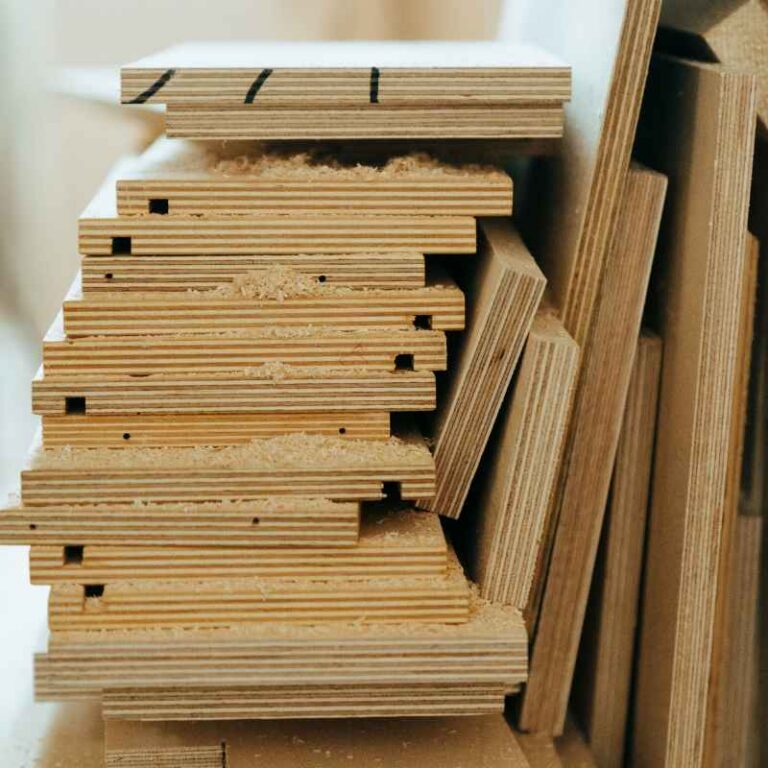
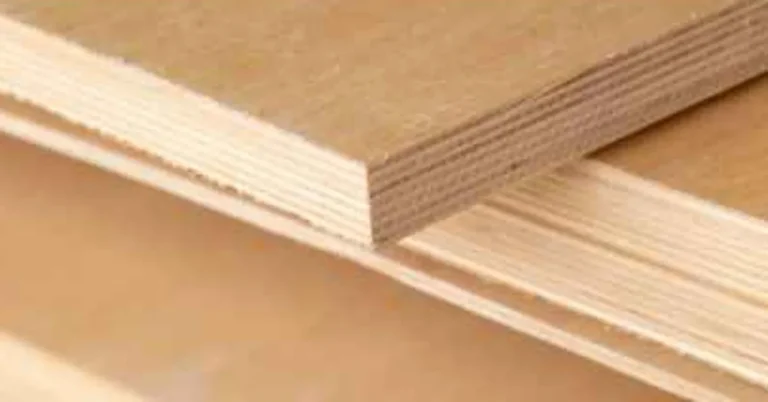
Physical Differences In Thickness
To be direct: 1/2 inch plywood is thicker than 7/16 inch plywood — 0.0625 inches thicker, to be exact. Even a small difference like this can affect a project: a thicker panel spans farther between framing members without deflecting, changes how flush a panel sits against a doorframe or adjoining material, and requires slightly longer fasteners to get full penetration into the framing behind it.
| Measurement | Nominal Thickness (inches) |
|---|---|
| 7/16 Plywood/OSB | 0.4375 |
| 1/2 Plywood | 0.5000 |
Applications Of Different Thicknesses
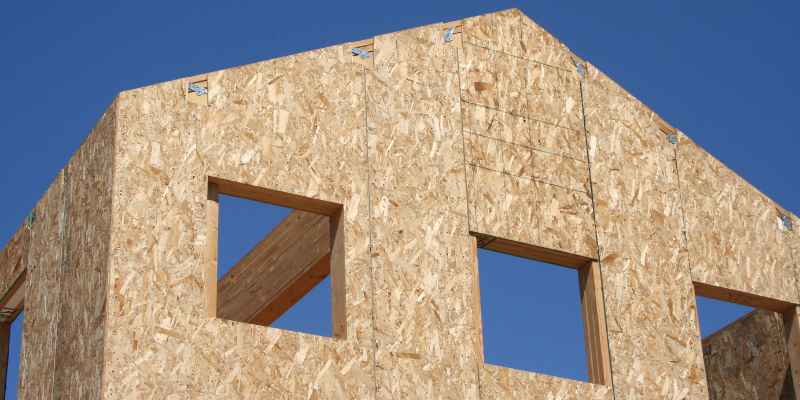
7/16 plywood/OSB is the standard, code-minimum thickness for roof sheathing and wall sheathing in most residential construction, at rafter/stud spacing up to 24″ on center. It’s lighter and less expensive than thicker panels, which is exactly why it’s the default for large sheathing areas where the framing underneath is doing most of the structural work.
1/2 plywood is more common for furniture, cabinet backs and sides, and some subfloor applications (though many codes call for 5/8″ or 3/4″ subfloor over 16″-on-center joists). Its extra thickness gives more screw-holding strength and rigidity where the panel itself needs to carry load without much support behind it.
Strength And Durability Compared
Thickness is only one factor in plywood strength — the number of plies, the wood species, and the panel grade all matter too — but between two panels of the same grade and species, the thicker one is stronger and stiffer. That means 1/2 inch plywood generally out-performs 7/16 inch of the same grade on load capacity and resistance to flexing.
That’s not a knock on 7/16 — it’s simply built to a different job. Building codes specify 7/16 as a minimum for sheathing because, at typical stud and rafter spacing, it provides enough strength for that specific application while keeping weight and material cost down. Using a thicker panel there isn’t wrong, just usually unnecessary.
| Type of Panel | Nominal Thickness | Relative Strength (same grade) | Typical Use |
|---|---|---|---|
| 7/16 Plywood/OSB | 0.4375″ | Lower | Roof/wall sheathing |
| 1/2 Plywood | 0.5000″ | Higher | Furniture, cabinets, some subfloor |
Cost Implications
As a general rule, thicker plywood costs more per sheet than thinner plywood of the same grade, since it uses more raw material — expect roughly 10-20% more per 4×8 sheet stepping up from 7/16 to 1/2 inch in a comparable grade, though exact pricing varies significantly by region, wood species, and current lumber market conditions. 7/16 OSB in particular tends to be the cheapest sheathing option available, which is part of why it’s the default for large sheathing jobs.
For a large project, that per-sheet difference adds up fast. Always get a current quote from your local supplier rather than relying on a remembered price — plywood and OSB pricing shifts with lumber markets more than most building materials.
How To Measure Plywood Thickness Accurately
- Use calipers, not a tape measure: A tape measure isn’t precise enough to catch the difference between nominal and actual thickness.
- Measure at the edge, not through the face: Measure straight across the panel’s cut edge for the most accurate reading.
- Check more than one spot: Panels can vary slightly across their thickness; measure at two or three points and use the average.
- Compare against the stamped grade, not just the label: The species/grade stamp on the panel confirms what standard it was manufactured to, which tells you the expected tolerance range.
Making The Right Choice For Your Project
Choosing the right plywood comes down to matching thickness to the job. 1/2 inch plywood is thicker than 7/16, making it the more robust choice when the panel itself needs to bear load with little support behind it.
Consider the following factors:
- Weight: Thicker plywood is heavier, which matters for roof loads and one-person installs.
- Cost: Thicker plywood generally costs more per sheet in a comparable grade.
- Application: Use thicker plywood for unsupported structural applications; use 7/16 where code allows for sheathing spans.
- Code requirements: Always check local building code minimums before substituting a thinner panel — 7/16 is a code minimum in many jurisdictions, not just a cost-saving option.
For heavy, unsupported loads or fine furniture work, 1/2 inch is the safer default. For standard roof and wall sheathing at typical framing spacing, 7/16 is both code-compliant and the more economical choice.
Frequently Asked Questions
Is 7/16 Plywood Thicker Than 1/2 Inch Plywood?
No, 7/16-inch plywood is thinner than 1/2-inch plywood. The difference is 1/16 of an inch (0.0625″). That small measurement can matter for precise fitting, fastener length, or structural load ratings.
How Does 7/16 Compare To 1/2 Inch In Projects?
Thicker plywood (1/2 inch) generally offers more strength and rigidity for unsupported applications. 7/16 inch is well-suited to sheathing and other applications where framing behind the panel carries most of the load.
What Are Common Uses For 7/16 Plywood?
7/16 plywood and OSB are most often used for roof and wall sheathing at standard stud/rafter spacing. Its lighter weight and lower cost make it the default choice for large sheathing areas.
Can 7/16 Plywood Replace 1/2 Inch Plywood?
Not always. 7/16 is thinner and has lower load capacity, so it’s not a direct substitute anywhere 1/2 inch is specified for structural or fastener-holding reasons. Check your project’s engineering or code requirements before substituting.
Why Is My “1/2 Inch” Plywood Not Actually 1/2 Inch Thick?
Because plywood is sold by nominal size, not actual measured size. Manufacturing standards allow sanded panels to run slightly thin — a “1/2 inch” panel commonly measures closer to 15/32 inch (about 0.469″). This is normal and expected, not a defect; measure with calipers if your project needs an exact thickness.
Conclusion
7/16 inch plywood is not bigger than 1/2 inch — 1/2 inch is thicker by 1/16 inch (0.0625″). The right choice depends on the job: 7/16 for code-compliant, cost-effective sheathing over supportive framing, and 1/2 inch for furniture, cabinetry, and applications where the panel needs to bear more load on its own. Whichever you choose, remember that the number on the label is nominal — measure with calipers when a project needs an exact, verified thickness.
Sponsored / affiliate links. As an Amazon Associate I earn from qualifying purchases. I may earn additional commission from eligible campaigns.