Is a Poplar Tree a Hardwood? Unveiling the Truth
Yes, a Poplar tree is a hardwood due to its dense and durable characteristics. Poplar wood is commonly used in various applications such as furniture making and construction projects.
Its light color and smooth texture make it a popular choice for woodworking enthusiasts and professionals alike. Poplar trees are fast-growing deciduous trees that belong to the genus Populus. They are known for their straight trunks and rapid growth, making them a sustainable source of lumber.
Despite being classified as a hardwood, Poplar wood is relatively soft compared to other hardwood species, making it easier to work with and suitable for a wide range of projects. Let’s explore the unique properties and uses of Poplar wood in more detail.
Introduction To Poplar Trees
Poplar trees are considered hardwood, known for their strong and durable qualities. They are commonly used in furniture making and woodworking projects. Poplar trees are prized for their versatility and sustainability in various industries.
Poplar trees are deciduous trees that belong to the willow family. They are fast-growing trees that can grow up to 160 feet tall and are commonly found in North America, Europe, and Asia. The Poplar tree is an important tree species, known for its straight trunk, large leaves, and ability to grow in a variety of soils and climates. In this article, we will discuss the characteristics of Poplar trees, their popularity, and uses in the industry.
Characteristics Of Poplar Trees
Poplar trees have unique characteristics that set them apart from other trees. They have a straight trunk with smooth bark that is grayish-green in color. The leaves of the Poplar tree are large, oval-shaped, and have a pointed tip. They are also known for their vibrant yellow color in the fall. Poplar trees produce catkins, which are small flowers that bloom in the spring. The roots of the Poplar tree are shallow, making them ideal for planting in areas with high water tables.
Popularity And Uses In Industry
Poplar trees are popular in the industry due to their fast growth, straight trunks, and availability. They are used for a variety of purposes, including furniture, paper production, plywood, and musical instruments. The wood of the Poplar tree is lightweight, making it ideal for use in furniture. It is also used for veneer and pulpwood. Poplar trees are commonly planted in windbreaks, shelterbelts, and as ornamental trees. They are also used in phytoremediation, which is the process of using plants to remove pollutants from the soil.
In conclusion, Poplar trees are a unique tree species that have a variety of uses in the industry. They are popular due to their fast growth, straight trunks, and availability. Poplar trees are used in furniture, paper production, plywood, and musical instruments. They are also commonly planted in windbreaks, shelterbelts, and as ornamental trees. Poplar trees are an important part of the ecosystem and provide numerous benefits to humans and the environment.
Hardwood Vs. Softwood
Poplar trees are classified as hardwood, despite their relatively softer texture. Hardwoods and softwoods are differentiated based on their seeds and not their actual hardness. Poplar trees fall under the hardwood category due to their seed structure, even though their wood is softer compared to other hardwood varieties.
When it comes to understanding the differences between hardwood and softwood, it is essential to start with the botanical definitions. Contrary to what the terms suggest, the classification of wood as hardwood or softwood is not determined by its actual hardness. Rather, it is based on the type of tree it comes from.
Botanical Definitions
In botanical terms, hardwood refers to wood that comes from angiosperm trees, which are trees that produce seeds enclosed in fruits or nuts. These trees are typically deciduous, meaning they shed their leaves annually. Some examples of hardwood trees include oak, maple, mahogany, and teak.
On the other hand, softwood comes from gymnosperm trees, which are trees that produce seeds that are not enclosed in fruits or nuts. These trees are usually evergreen, meaning they retain their leaves throughout the year. Examples of softwood trees include pine, spruce, cedar, and fir.
Common Misconceptions
One common misconception is that hardwood is always harder than softwood. While it is true that certain hardwood species can be denser and therefore harder, the terms hardwood and softwood do not directly correlate to the actual hardness of the wood. For example, balsa wood, which comes from a softwood tree, is considered one of the softest and lightest woods available.
Another misconception is that hardwood is always of higher quality than softwood. While hardwood is often associated with durability and used for high-end furniture or flooring, softwood has its own advantages. Softwood is typically more abundant, faster-growing, and easier to work with, making it a popular choice for construction, outdoor decking, and framing.
Understanding the differences between hardwood and softwood is essential when it comes to choosing the right wood for a specific project. By knowing the botanical definitions and dispelling common misconceptions, you can make informed decisions based on the specific qualities and characteristics of each type of wood.
The Science Of Wood Hardness
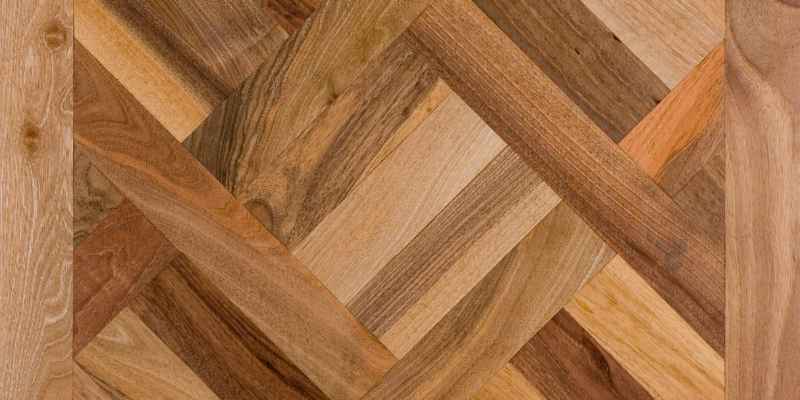
In the field of woodworking, understanding the science of wood hardness is essential for choosing the right type of wood for a particular project. The hardness of wood is a critical factor that determines its durability, resistance to wear and tear, and suitability for various applications. This blog post will delve into the intricacies of wood hardness, exploring the Janka Hardness Scale and the factors that influence the hardness of different wood species.
Janka Hardness Scale
The Janka Hardness Scale is a standardized measurement used to assess the hardness of different wood species. It involves measuring the force required to embed a steel ball of a specific size into the wood to half its diameter. The higher the Janka rating, the harder the wood.
Factors Affecting Wood Hardness
Several factors contribute to the hardness of wood, including the density of the wood, growth ring patterns, moisture content, and the presence of natural oils and resins. Dense woods with tight grain patterns tend to be harder, while variations in moisture content can impact the overall hardness of the wood.
Poplar’s Classification
When it comes to understanding the classification of poplar trees, it is important to consider both the botanical perspective and practical woodworking standards.
Botanical Perspective
In terms of botany, poplar trees belong to the genus Populus and the family Salicaceae. They are deciduous trees that are widely distributed across the Northern Hemisphere.
Poplars are known for their rapid growth and can reach impressive heights of up to 100 feet. They have a distinctive leaf shape, with serrated edges and a pointed tip. The bark of the tree is smooth and can vary in color, ranging from grayish-white to dark gray.
From a botanical perspective, poplars are considered hardwood trees. Hardwood trees are classified as angiosperms, which means they have enclosed seeds. The wood of hardwood trees is typically denser and more durable compared to softwood trees.
Practical Woodworking Standards
From a practical woodworking standpoint, poplar wood is often categorized as a hardwood, despite some variations in density and hardness. It is valued for its versatility and relatively low cost, making it a popular choice for various woodworking projects.
Poplar wood is relatively easy to work with, as it is not as hard as other hardwoods like oak or maple. It has a straight grain and fine texture, making it suitable for a range of applications such as furniture, cabinets, trim, and even musical instruments.
Although poplar wood is not as dense as some other hardwoods, it still possesses desirable characteristics such as stability and resistance to warping. It is also known for its ability to take stains and finishes well, allowing for a wide range of aesthetic options.
Overall, while poplar trees may not possess the same hardness as some other hardwoods, they are still classified as hardwoods from both a botanical and practical woodworking perspective.
The Properties Of Poplar Wood
Texture And Grain
Poplar wood has a fine and even texture, making it ideal for projects that require a smooth finish. The grain is usually straight but can also be irregular or interlocked, adding visual interest to the wood.
Strength And Durability
Poplar wood is a relatively soft hardwood with moderate strength and stiffness. It’s less durable compared to other hardwoods, making it prone to dents and scratches. However, it can be treated and finished to enhance its durability.
Comparative Analysis
Poplar Vs. Traditional Hardwoods
A comparison of Poplar tree to traditional hardwoods.
Case Studies In Woodworking
Exploring real-life examples of using Poplar in woodworking projects.
Environmental Impact
When considering the Environmental Impact of poplar trees, it’s crucial to assess their Sustainability of Poplar Harvesting and their Role in Ecosystems.
Sustainability Of Poplar Harvesting
Poplar trees are fast-growing and can be harvested within 5-8 years.
This quick turnover rate makes them sustainable for wood production.
Role In Ecosystems
Poplar trees play a vital role in various ecosystems.
- Provide habitats for birds and insects
- Help in soil stabilization
- Contribute to air quality improvement
Choosing The Right Wood For Your Project
Poplar trees are often classified as hardwood, but they are actually classified as a softwood due to their physical characteristics. When choosing the right wood for your project, it’s important to consider the hardness and durability of the wood to ensure it meets your specific needs.
Considerations For Wood Selection
When choosing wood for a project, consider factors like durability, appearance, and cost.
Poplar In Different Applications
Poplar, known for its versatility, is ideal for furniture, cabinetry, and millwork.
Frequently Asked Questions
Is A Poplar Tree A Hardwood?
Poplar is technically a hardwood, but it’s softer than other hardwoods like oak or maple. It’s commonly used for furniture frames and plywood. The wood is lightweight and easy to work with, making it a popular choice for various woodworking projects.
What Are The Characteristics Of Poplar Wood?
Poplar wood is known for its straight grain and uniform texture, making it easy to paint, stain, or finish. It’s relatively inexpensive and readily available. Additionally, it’s resistant to warping and shrinking, making it a practical choice for certain applications.
Is Poplar Wood Suitable For Outdoor Use?
Poplar wood is not the best choice for outdoor use, as it’s not naturally resistant to decay and insects. However, it can be used for outdoor projects if properly treated with suitable finishes and sealants to enhance its durability and longevity.
Conclusion
Poplar trees are considered hardwoods due to their dense composition and ability to withstand pressure and wear. While they may not be as durable as some other hardwoods, they are still widely used in various industries. It is important to understand the characteristics and uses of different types of wood to make informed decisions when selecting materials for projects.
By knowing the qualities of poplar wood, you can determine if it is the right choice for your specific needs.