Pine Vs Cypress: Uncover Key Differences Today
Pine and cypress are both softwood conifers, but they suit different projects: pine is cheaper, lighter, and easier to work but needs a protective finish outdoors, while cypress costs more, is naturally rot- and insect-resistant, and holds up outdoors with far less maintenance. If budget and indoor use matter most, pine wins; if the piece is going outside and you want it to last with minimal upkeep, cypress is the better investment.
Pine Characteristics
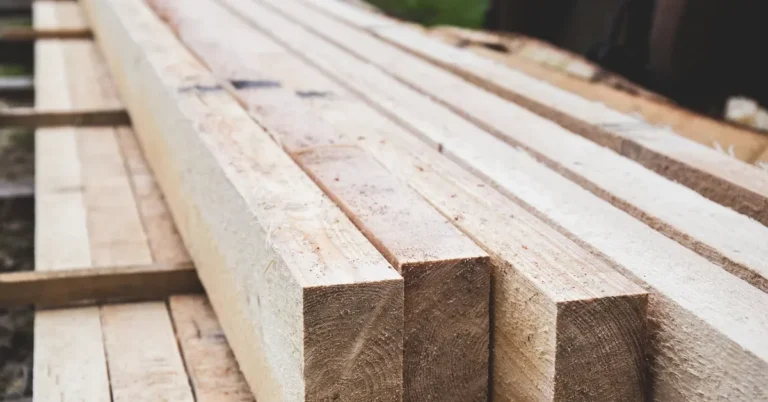
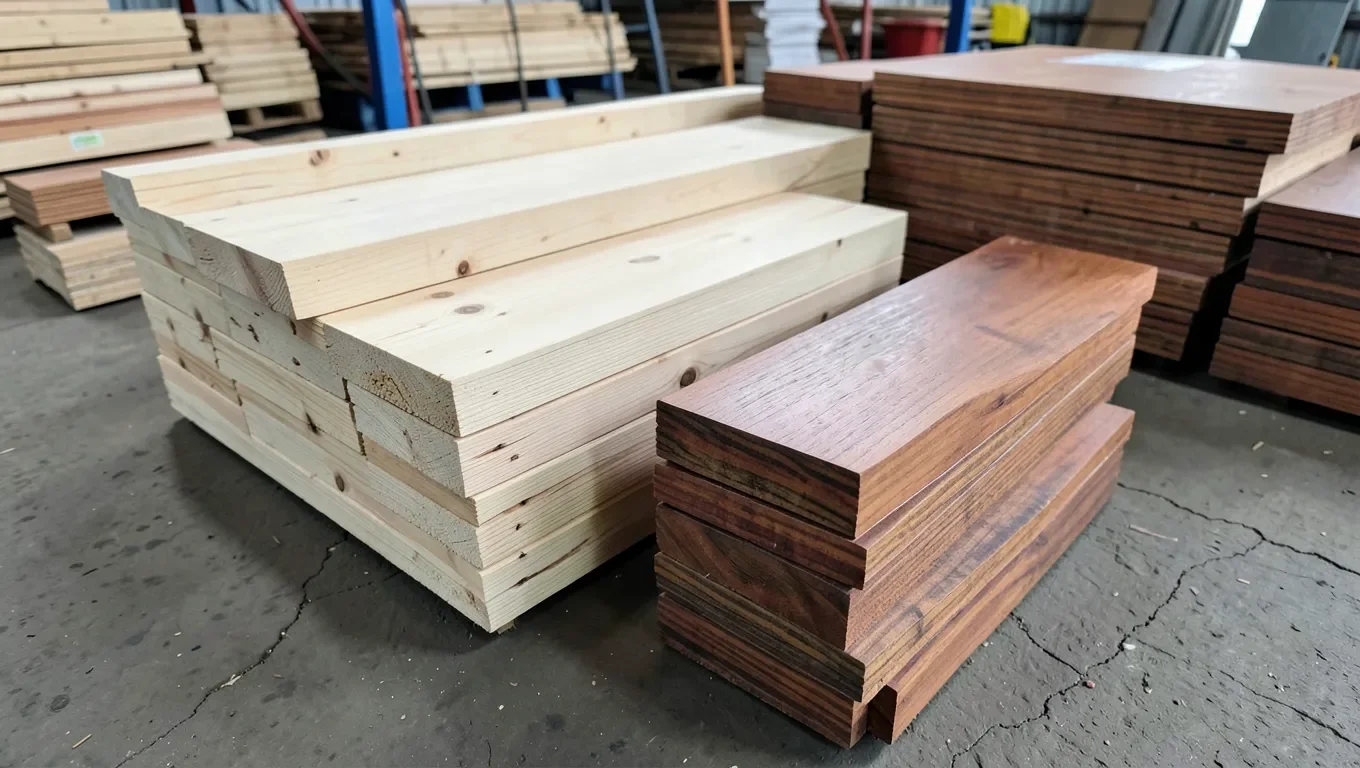
Pine is pale yellow to white, straight-grained, and soft – easy to cut, nail, and shape, which is why it’s a staple for furniture, framing, and general construction. It grows fast and is widely available, keeping the cost low, but it has essentially no natural resistance to rot or insects. Left outdoors unfinished, pine absorbs moisture, warps, and decays within a few years.
Cypress Characteristics
Cypress (commonly Bald Cypress in the Southern U.S.) has a tighter grain than pine, a reddish-brown to golden color, and often shows more knots and character. Cypress heartwood contains natural preservative extractives that give it real resistance to rot, decay, and insects – the reason it’s long been used for boats, siding, and outdoor structures without heavy chemical treatment.
Best For Protecting Pine Outdoors
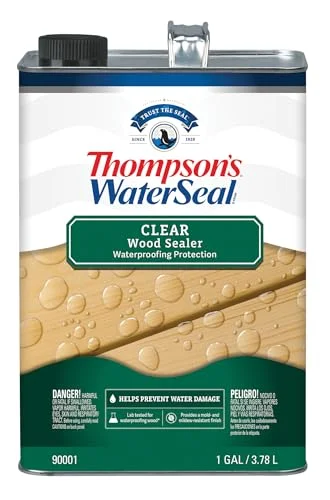 |
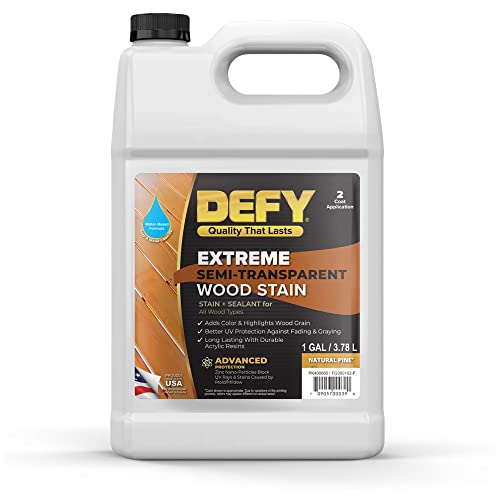
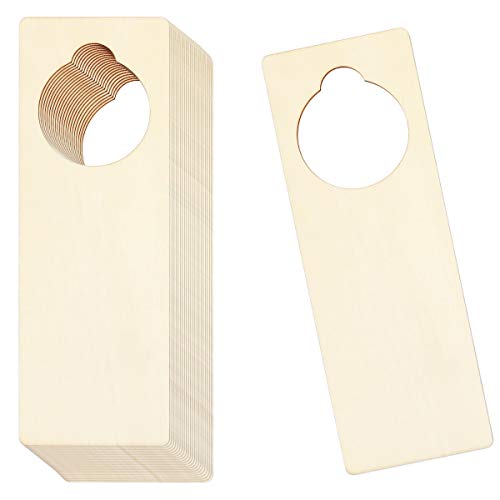
Thompson’s WaterSeal Clear Wood Sealer, 1 Gallon – $19.94 Since pine lacks cypress’s natural rot resistance, a water-repellent sealer is the real gap-closer if you’re choosing pine for an outdoor project on a budget.
|
Wood Properties Compared
| Property | Pine | Cypress |
|---|---|---|
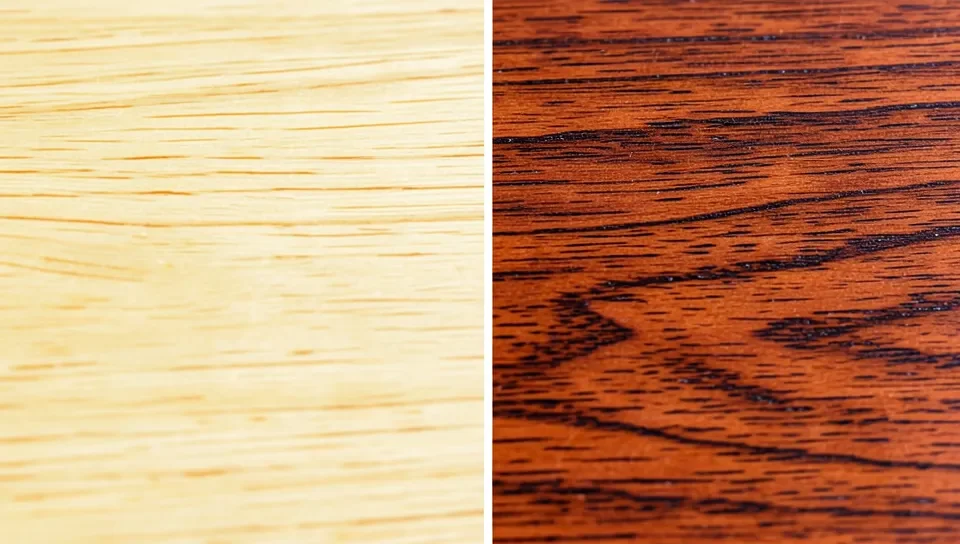
| Color | Pale yellow to white | Reddish-brown to golden |
| Natural rot/insect resistance | None | Good (heartwood) |
| Typical weight | Lighter (varies by pine species) | Generally heavier than common construction pines |
| Cost | Low | Moderate |
| Best use | Indoor furniture, framing, budget projects | Outdoor structures, boats, siding, low-maintenance exterior work |
Both take stain and paint well, though pine’s uneven grain density can cause blotchy stain absorption without a pre-stain conditioner, while cypress’s tighter, more consistent grain generally stains more evenly.
Where Each Tree Grows
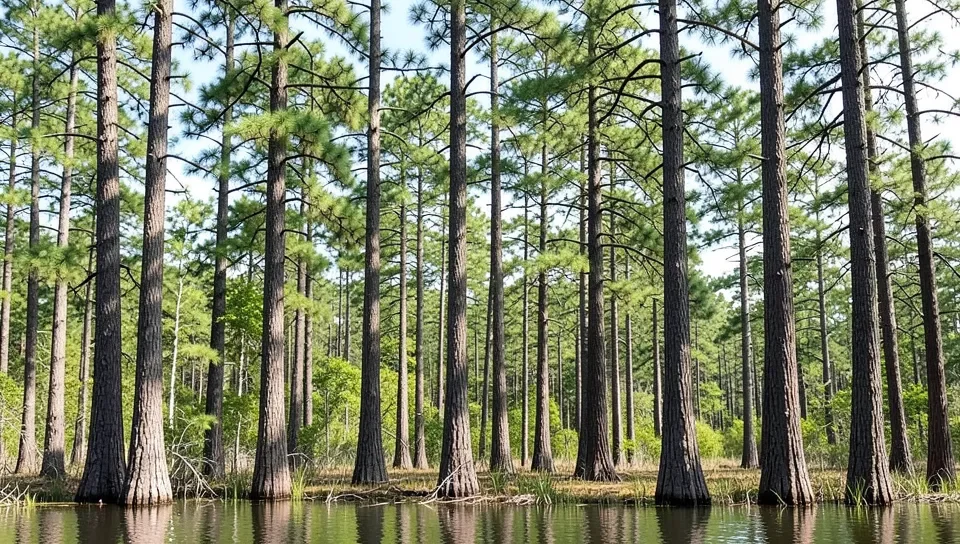
Pines are widely adaptable, growing well in a wide range of climates from cold northern regions to warmer areas, generally preferring well-drained soil. Bald Cypress is native to the Southeastern U.S. and thrives in wet, swampy conditions – its distinctive “knees” (root growths that rise above waterlogged soil) are a specific adaptation to growing in standing water.
Which to Choose
- Choose pine for indoor furniture, framing, or any budget-driven project where you’re willing to seal and maintain it if used outdoors.
- Choose cypress for outdoor structures, siding, boats, or anything exposed to weather and moisture where you want lower long-term maintenance, and the higher upfront cost is worth it.
Conclusion
Pine and cypress solve different problems: pine is the affordable, easy-to-work choice for indoor and budget-conscious projects, while cypress’s natural rot resistance makes it the better pick for outdoor work that needs to last with less upkeep. Match the wood to where the project will actually live, not just the price tag.
Frequently Asked Questions
Is cypress better than treated pine?
Cypress offers natural rot and insect resistance without chemical treatment; treated pine is more affordable and widely available. Cypress generally wins on longevity and low maintenance outdoors, while treated pine wins on budget.
How do you tell cypress from pine?
Cypress has a reddish-brown to golden color, tighter grain, and often more knots; pine is pale yellow to white with a straighter, more even grain. Cypress is generally heavier than common construction pines, not lighter – the reverse of a common misconception.
Does cypress smell like pine?
No – cypress has a woody, earthy, slightly cedar-like scent, distinct from pine’s sharper, resinous smell. Both come from the natural oils in the wood, but the compounds and resulting scents differ.
What is better, cypress or pine mulch?
Cypress mulch breaks down more slowly and has some natural insect-repelling properties; pine mulch (bark or straw) is cheaper and adds organic matter to soil faster as it decomposes. Choose based on whether longevity or soil-building matters more for your beds.
Sponsored / affiliate links. As an Amazon Associate I earn from qualifying purchases. I may earn additional commission from eligible campaigns.