How to Apply Lacquer to Wood (Brush or Spray, 3-4 Coats)
Apply lacquer to wood in at least three thin coats, letting each dry about two hours, as the Minwax, Deft and Watco data sheets direct. Never put it over polyurethane or varnish, because lacquer solvents lift those finishes. This guide covers prep, brush and aerosol technique, what each maker’s sheet says about thinning and sanding, fire safety, and fixes for blush and orange peel.
What Is Lacquered Wood?
Best Brush-On Lacquer Pick
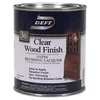 |
Deft Clear Wood Finish Satin Brushing Lacquer, Quart ($28.82) The brush-on route in this guide: Deft’s data sheet lists a 30-minute touch-dry and a 2-hour recoat, and says it needs no thinning and no sanding between coats.
|
As an Amazon Associate we earn from qualifying purchases.
Lacquered wood is wood coated with lacquer, a solvent-based finish that dries as its solvents evaporate and leaves a hard, clear film. The three consumer brands used for this guide (Deft, Minwax, Watco) all sell nitrocellulose-based lacquer for interior wood, in gloss, semi-gloss and satin. For the full definition, see what lacquer means as a wood finish; to pick a type first, read which type of lacquer to use on wood.
Sheen is measured at 60 degrees. Deft lists gloss at 90+, semi-gloss at 28 to 32 and satin at 12 to 18; if you are weighing satin against matte, our matte vs satin comparison has real gloss numbers.
What the Maker Data Sheets Say: Dry Times, Coats and Thinning
Most lacquer guides repeat one generic timeline. The actual data sheets differ, and the differences decide how you apply it. All figures below come from the manufacturers’ own sheets, measured at 77°F and 50% humidity for Deft and Minwax, and 70 to 80°F and 50% for Watco. For a stage-by-stage drying breakdown, see how long lacquer takes to dry on wood.
| Product (per its data sheet) | Dry to touch | Recoat | Before normal use | Dry film per coat | Thinning |
|---|---|---|---|---|---|
| Deft Clear Wood Finish (brush) | 30 min | 2 hours | Not stated | 0.5 mil (calculated) | Do not thin or spray |
| Minwax Clear Brushing Lacquer | 30 min | 2 hours | 24 hours after final coat | 0.75 to 1.0 mil | Not mentioned |
| Minwax Clear Lacquer Aerosol | 30 min | 2 hours | 24 hours after final coat | 0.75 to 1.0 mil | Not applicable |
| Watco Lacquer (spray can) | 30 min | 2 hours | 24 hours light use, 7 days normal use | 1.0 to 1.5 mil | Not applicable |
| Watco Lacquer (brush-on) | 1 hour | 12 hours in its properties table, 2 hours in its directions | 24 hours light use, 7 days normal use | 1.0 to 1.5 mil | Not mentioned |
| Deft Waterborne Clear Wood Finish (acrylic) | 30 min | Sand with 180 grit after 2 hours, then recoat | Not stated | 0.8 mil | Not recommended |
📊 Watco’s own sheet gives two different brush-on recoat times, 2 hours in the directions and 12 hours in the properties table. Source: Watco Lacquer Clear Wood Finish technical data, form GDH-416. When a sheet contradicts itself, test the surface: Minwax says to check for tackiness and not recoat while it is still tacky.
Four common lacquer rules the data sheets contradict
- “Thin it 10 to 15% before brushing.” Deft’s sheet says its brushing lacquer must not be thinned or sprayed. Use lacquer thinner for cleanup only.
- “Always sand between coats.” Deft and Minwax both say no sanding is needed between coats. Watco says to sand lightly with 220 grit only if a coat has dried more than 6 hours. Deft’s waterborne acrylic is the exception, since it asks for 180-grit sanding after each coat.
- “It is cured in 24 to 48 hours.” Minwax says allow 24 hours after the final coat before normal use. Watco says 24 hours for light use but 7 days before normal use.
- “Shake the can.” For brush-on lacquer, Minwax says never shake, and Watco warns shaking causes bubbles. Aerosol cans are the opposite: Minwax and Watco both say shake for two minutes.
“Do not re-coat if surface is still tacky.”
Tools and Materials
- Lacquer in a brush-on can or an aerosol, in the sheen you want.
- 180 to 220 grit sandpaper for bare wood (Deft). Watco allows 150 to 220. See our lacquer sanding grit guide for the full schedule.
- Cloth dampened with mineral spirits to remove sanding dust (Minwax and Watco both specify this).
- A natural bristle brush for brush-on lacquer (Minwax).
- Lacquer thinner for cleaning brushes and tools (Deft, Minwax and Watco all name it).
- Protective gloves and eye protection, plus a sealed water-filled metal can for used rags (Deft’s label and safety data sheet).
Prepare the Wood for Lacquer
Step 1: Sand the Bare Wood
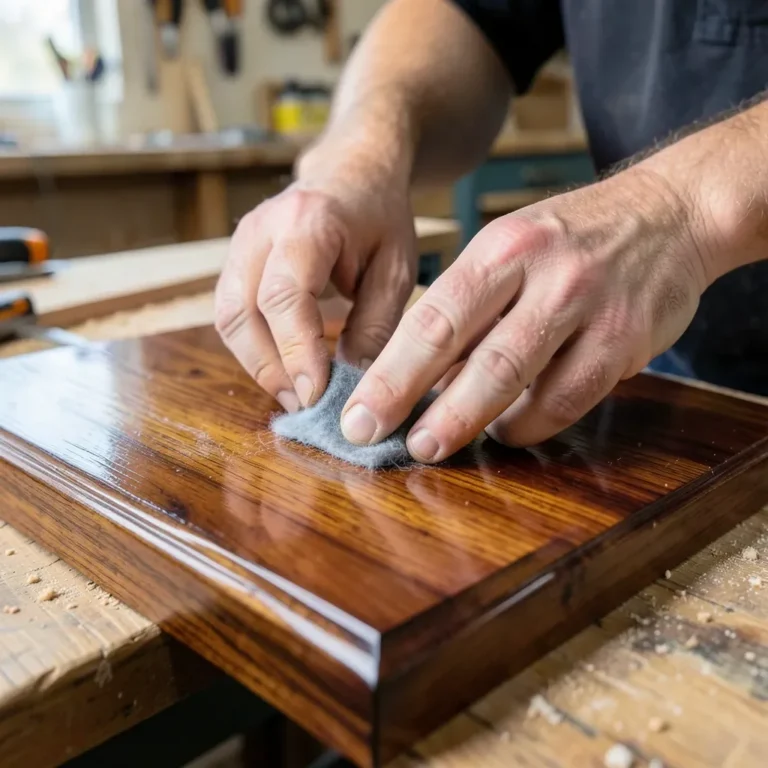
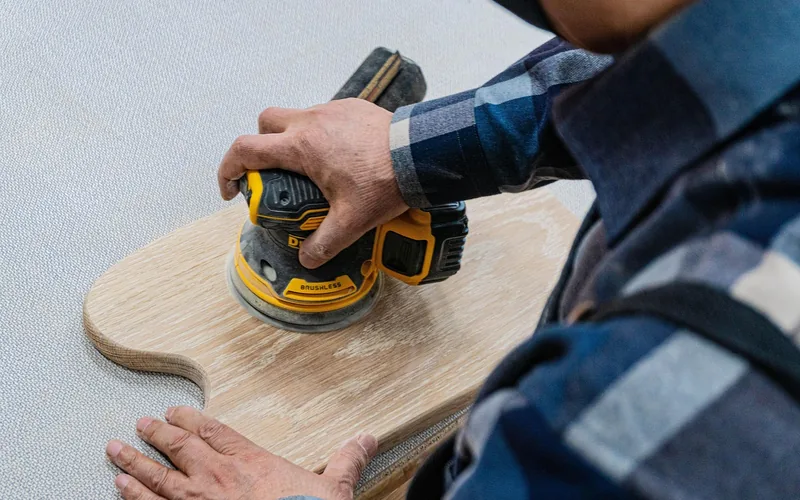
Sand with 180 to 220 grit along the grain until the surface is smooth, then remove all dust. Minwax asks for a smooth, uniform surface free of wax, grease, polish, dirt and old finish in poor condition; Watco adds oil, shellac and mildew to its list.
Step 2: Wipe Off the Dust
Wipe with a cloth dampened with mineral spirits, as both Minwax and Watco direct. Let the surface dry fully before the first coat.
Step 3: Check What Is Already on the Wood
Do not put lacquer over polyurethane. Minwax says polyurethane must be removed first, and Deft warns against varnishes, enamels or any product that dries by oxidation because it may lift or wrinkle. Deft’s test: coat a small area, and if it wrinkles or lifts, strip to bare wood. Our lacquer vs polyurethane guide covers the difference, and lacquering over oiled wood has its own rules.
Step 4: Stain First if You Want Color
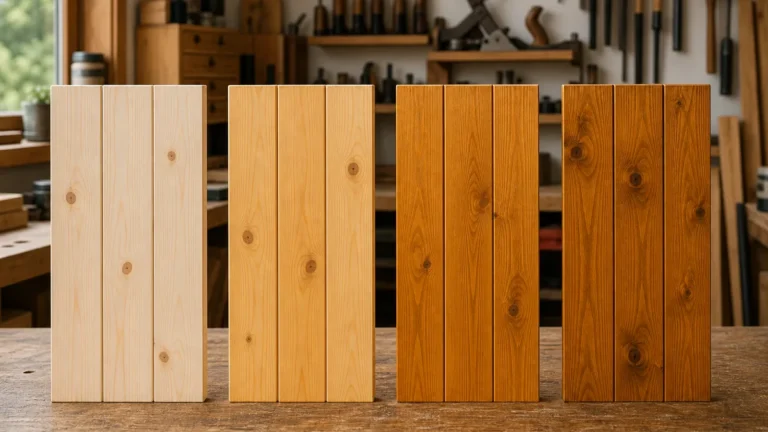
Minwax lists its Wood Finish stain, gel stain and water-based stains as compatible, and Deft says to note the dry time on the stain label before finishing. Watco recommends testing in a hidden spot when topcoating paints or stains, since the result can look different. Minwax warns of slight ambering over light stains and light wood (more in does lacquer yellow). For wait times after staining, see how to seal stained wood.
How to Apply Lacquer With a Brush
Step 5: Check Temperature and Humidity
Deft is for interior use only and says not to apply when the air, coating or surface is below 50°F. Watco’s window is 55 to 90°F with relative humidity below 85%, out of direct sunlight.
Step 6: Stir, Do Not Shake
Stir well before and during use so the finish rotates from the bottom of the can to the top. Shaking adds bubbles. Makers disagree on rollers: Deft allows a brush, pad or roller, while Watco says not to apply with a roller.
Step 7: Brush the First Coat With the Grain
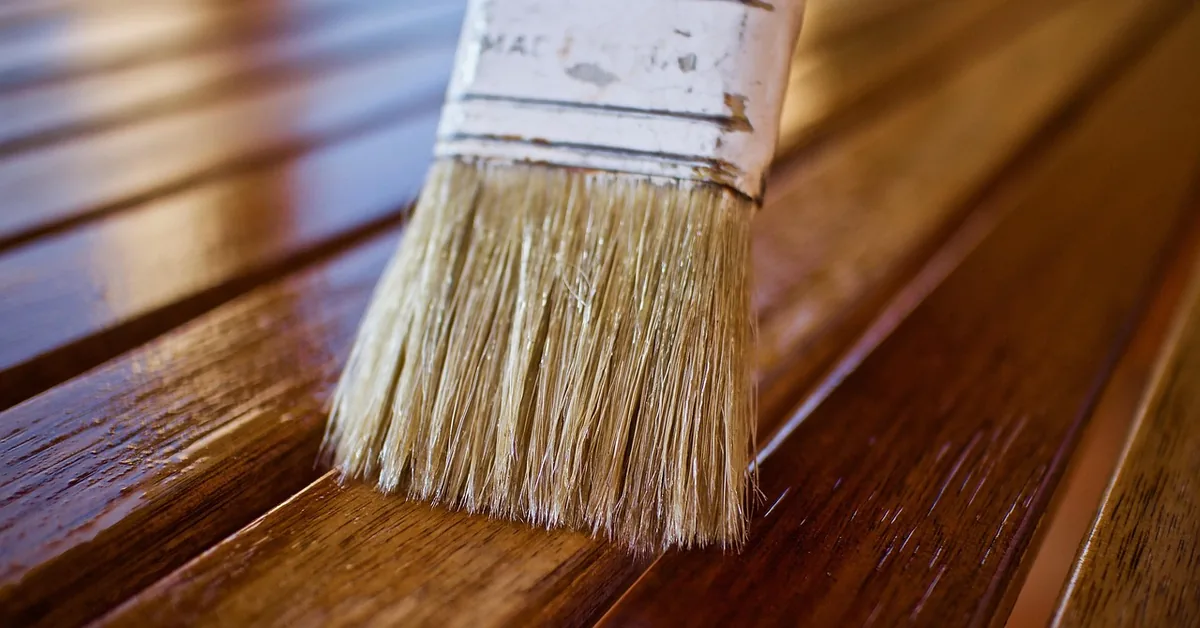
Use a good natural bristle brush and long smooth strokes with the grain. On unfinished wood, Minwax says to apply enough to seal open joints, edges and end grain. Deft’s warning is the key technique: avoid over-brushing, because lacquers set up fast. Apply thin coats.
Step 8: Wait, Then Recoat
Deft and Minwax list 30 minutes to touch and 2 hours to recoat. Minwax notes lower temperature, higher humidity, poor air movement or thick coats all extend drying. Watco says to recoat only when the previous coat has dried clear and feels hard.
Step 9: Build 3 to 4 Coats
Minwax recommends three to four coats; Deft says two is the minimum but three or more is optimal; Watco recommends at least three. Brush-on lacquer from Deft and Minwax needs no sanding between coats. Our how many coats of lacquer guide covers coat count by project.
Step 10: Cure the Final Coat and Clean Up
Give the finished piece at least 24 hours before normal use (Minwax); Watco asks for 7 days before normal usage. Clean brushes and applicators with lacquer thinner.
How to Apply Lacquer From an Aerosol or Spray Gun
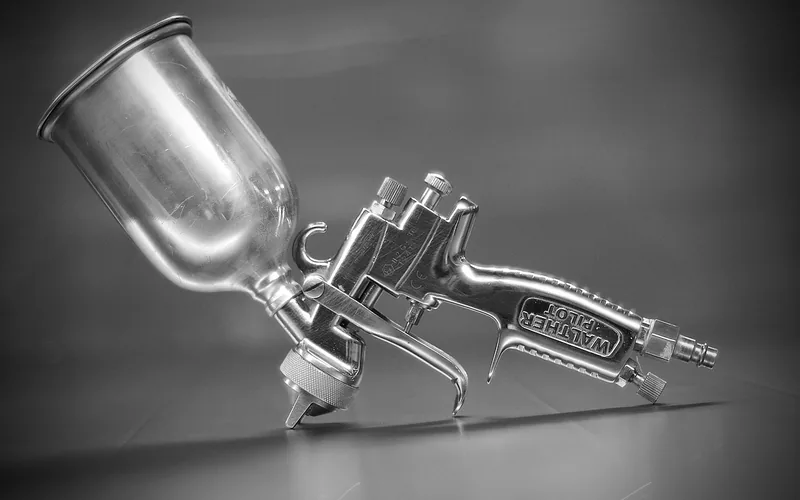
Step 11: Spray Thin Coats From an Aerosol Can
Shake the can vigorously for two minutes, then for 10 seconds now and then during use (Minwax). Hold it vertically about 12 inches from the surface (Watco allows 8 to 12 inches), press the button fully and use an even sweeping motion with slightly overlapping strokes. Apply thin coats to avoid runs and sags, wait at least two hours, and spray a third coat and an optional fourth.
Step 12: Clear the Nozzle After Every Session
Turn the can upside down and press the nozzle until no liquid comes out. If it clogs, pull the nozzle and clean it with mineral spirits or paint thinner, and never push pins or wire into the opening (Minwax).
A Note on Spray Guns
Because Deft says its brushing lacquer must not be sprayed, a spray gun needs a lacquer made for it, with its own thinning and pressure directions. None of the sheets above give gun settings, so follow the data sheet of the specific spray-grade product you buy.
Water-Based Lacquer Is Not the Same Process
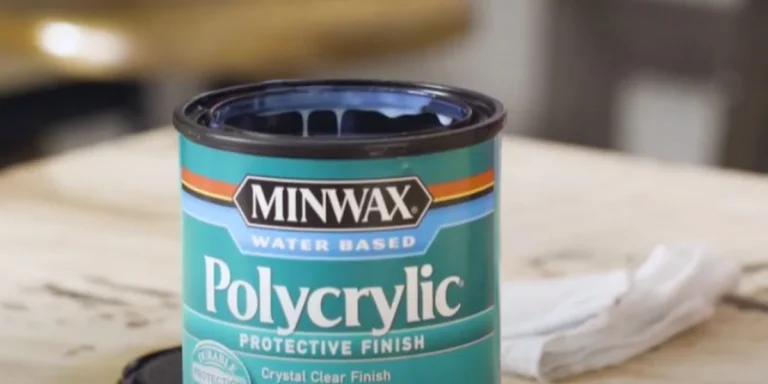
Deft describes its Waterborne Clear Wood Finish as a self-crosslinking acrylic that cleans up with soap and water, has low odor, and gives the performance of lacquer without the flammability of the solvent formulation. The steps differ: it raises the grain, asks for light sanding after about 2 hours, three coats for best performance, and Deft does not recommend thinning it. Follow its own can rather than the solvent-lacquer steps above.
Lacquer Fire, Fumes and Rag Safety
- It is highly flammable. Deft lists a flash point of 53°F, and Minwax lists its lacquers as flammable with a flash point under 100°F.
- Remove every ignition source. Minwax says to extinguish all flames, pilot lights and heaters and to turn off stoves, electric tools and appliances during use and until all vapors are gone. Deft’s safety data sheet adds non-sparking tools, preventing static discharge, and notes that vapors are heavier than air and can spread along floors.
- Ventilate. Minwax says to open windows and doors or otherwise ensure fresh air during application and drying. If you get eye watering, headaches or dizziness, increase fresh air, wear NIOSH-approved respiratory protection or leave the area.
- Choose a respirator by exposure. Deft’s safety data sheet says respirator selection must be based on exposure and hazards, with a properly fitted air-purifying or air-fed respirator per OSHA’s respiratory protection standard, 29 CFR 1910.134.
- Handle rags correctly. Deft’s label says rags, steel wool or waste soaked with its finish may spontaneously catch fire if improperly discarded, so put them immediately after use into a sealed water-filled metal container. Its safety data sheet says contaminated materials should leave the workplace at the end of each day and be stored outside.
Fire departments say the same about stain and finish rags in general: the San Rafael Fire Department tells residents to assume all paints, stains and oils can spontaneously combust, and to use a tight-lidded metal container or lay rags flat outdoors away from structures to dry.
For after-cure safety, see is lacquer toxic after it dries.
Fixing Common Lacquer Problems
- Blush (hazy finish in humid weather): Professional finishers on WOODWEB’s finishing forum describe humid weather making lacquer blush, and the usual cure is a slower-evaporating solvent, called a retarder, which keeps the film open so it does not trap moisture. Contributors cited 5% to 8% of the mix, so follow the retarder’s label. On a dried film, they suggested blush-remover aerosol or a very fine mist of lacquer thinner.
- Orange peel (bumpy, skin-like surface): Finishing author Bob Flexner, in Popular Woodworking, names the most common cause as finish too thick for the amount of air atomizing it, then a gun moved too fast or held too far away, then a finish drying too fast. His fixes are more air pressure, thinning, or a slower solvent, and once it has dried the only cure is sanding and polishing it out.
- Runs and sags: Apply thin coats, and with aerosol keep the can 8 to 12 inches away (Watco).
- Lifting or wrinkling: The finish underneath was oxidizing (varnish, enamel, polyurethane). Strip it and start over, as Deft advises.
- Tacky between coats: Wait. Minwax says do not recoat while the surface is tacky, and cool, humid or still conditions slow drying.
- Brush marks: Over-brushing is the cause Deft warns against; lay the finish down and leave it.
Frequently Asked Questions
How many coats of lacquer should I apply?
Minwax recommends 3 to 4 coats, Deft calls two the minimum and three or more optimal, and Watco recommends at least three. Apply each thin and let it dry about two hours before the next.
Do you have to sand between coats of lacquer?
Not with brush-on lacquer from Deft or Minwax, whose sheets say no sanding is needed between coats. Watco says to sand lightly with 220 grit only when a coat has dried more than 6 hours. Deft’s water-based acrylic needs 180-grit sanding between coats.
Can you thin lacquer before brushing it?
Not Deft’s brushing lacquer. Its data sheet says the product must not be thinned or sprayed and names lacquer thinner only for cleanup. Check the label of your specific lacquer, and do not apply the same ratios to every brand.
Can you apply lacquer over polyurethane or varnish?
No. Minwax says polyurethane must be removed first, and Deft warns against applying lacquer over varnishes, enamels or other products that dry by oxidation because the finish may lift or wrinkle. Test a small area, and strip to bare wood if it reacts.
How long should lacquer cure before use?
Minwax says allow at least 24 hours after the final coat before normal use. Watco says 24 hours for light use and 7 days before normal usage. Minwax notes that lower temperature, higher humidity and thick coats extend drying times.
Is lacquer flammable?
Yes. Deft lists a flash point of 53°F and Minwax lists its lacquers as flammable with a flash point under 100°F. Remove ignition sources, ventilate, and put used rags in a sealed water-filled metal container.
Conclusion
Good lacquer work is thin coats, unhurried recoat timing and the right product for the method: brush-on lacquer for a brush, a spray-grade or aerosol lacquer for spraying, and never over an oxidizing finish. Follow the data sheet on your can, because the makers disagree on thinning, sanding and cure time, and treat the fumes and used rags as the fire hazards they are.
Sponsored / affiliate links. As an Amazon Associate I earn from qualifying purchases. I may earn additional commission from eligible campaigns.
![12.25 Oz Clear Brushing Lacquer Spray Gloss [Set of 6]](https://m.media-amazon.com/images/I/41y-ntITa2L._SL500_.jpg)