Is Ash Harder Than Oak? Real Janka Numbers Compared
It depends on which oak. White ash scores 1320 on the Janka hardness scale, which makes it slightly harder than red oak (1290) but slightly softer than white oak (1360). Most comparisons treat “oak” as one species and give a flat yes-or-no answer, but red oak and white oak sit on opposite sides of ash on the hardness scale – the honest answer depends entirely on which one you’re comparing against. Both woods sit in the same general hardness tier as hard maple and black walnut – none of the three numbers below will feel dramatically softer or harder underfoot, but the ranking still matters when you’re picking between two specific boards for a project that needs the extra dent resistance.
What the Janka Hardness Test Actually Measures
Reference Pick
 |
Identifying Wood: Accurate Results with Simple Tools Covers the exact species differences (ash vs. red oak vs. white oak) that a hardness number alone doesn’t explain.
|
The Janka hardness test presses a small steel ball, 0.444 inches in diameter, into a wood sample and measures the force in pounds needed to embed it halfway. Higher numbers mean the wood resists denting and wear better. It’s the same test used to compare species for flooring durability ratings, and it’s the industry-standard number behind every “hardest wood” list you’ll see.
For context, the scale runs from soft woods like Eastern white pine (380 Janka) up through exotic hardwoods like Brazilian walnut (3,680 Janka). Ash and both oaks sit comfortably in the middle-upper range alongside hard maple (1,450) and black cherry (950 – actually softer than either), which is why all three read as “hard, durable” woods in practice even though their exact numbers differ by a few percent.
Ash vs. Oak: The Real Janka Numbers
| Species | Janka Rating (lbf) | Harder or Softer Than White Ash |
|---|---|---|
| White Ash | 1,320 | – |
| Red Oak | 1,290 | Softer |
| White Oak | 1,360 | Harder |
Red oak is the more common flooring and furniture species in the U.S., which is why a flat “oak is harder than ash” or “ash is harder than oak” claim shows up so often – whoever wrote it was picking one oak species and not saying so. White oak, used more for barrels, boat building, and higher-end flooring, is the harder of the two oaks and edges out ash by 40 points. See our dedicated ash vs. white oak comparison if you already know white oak is the specific species you’re working with. The gap between any of these three numbers is small enough that none of them will feel dramatically different underfoot or under a hammer – all three are solidly in the “hard, durable domestic hardwood” range.
Price tends to track availability more than hardness here. Red oak is usually the cheapest of the three since it’s the most widely milled species in U.S. hardwood production, ash typically runs a step above red oak, and white oak commands the highest price of the three because of lower supply relative to demand from the barrel and boat-building industries.
Characteristics of Ash Wood
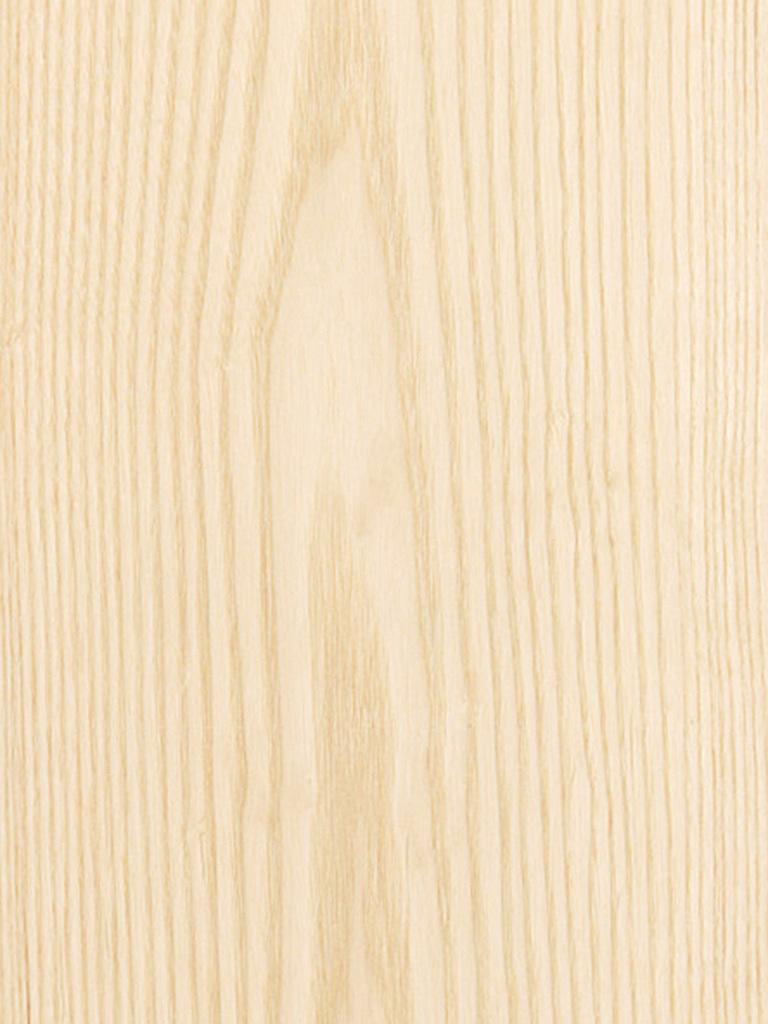
Ash has a light, pale-beige to light-brown color with a straight, open grain that takes stain evenly. It’s prized less for outright hardness and more for its shock resistance and flexibility – ash absorbs sudden impact without splintering the way many harder, more brittle woods do, which is exactly why it’s the traditional choice for baseball bats, axe handles, and tool handles that take repeated hard hits. It’s also relatively fast-growing and widely available, which keeps ash lumber prices below oak in most U.S. markets. Baseball bat manufacturers have historically favored ash for exactly this reason: a maple bat that’s harder on paper can still shatter on a mishit, while ash tends to flake or crack along the grain instead of breaking apart violently.
Characteristics of Oak Wood
Oak has a coarser, more open grain than ash, with color ranging from light brown to a deeper reddish-brown depending on species. Red oak’s grain runs more uniform and pink-toned; white oak tends toward olive-brown with a tighter grain and naturally closed pores that make it more water-resistant – the reason whiskey and wine barrels are built from white oak specifically, not red oak, and it’s a distinction that trips up even experienced woodworkers who assume any oak will hold liquid equally well. Red oak’s more open pore structure actually makes it a poor choice for anything that needs to hold liquid without leaking – a detail that surprises people who assume all oak behaves the same way. Oak overall is prized for structural strength, resistance to fungal decay (white oak especially), and the classic look it brings to furniture and flooring.
What Affects Hardness Beyond Species
- Moisture content. Janka ratings are measured on wood at 12% moisture content (standard kiln-dried). Wetter wood tests softer, so a board that hasn’t fully dried can feel less hard than its rated species number.
- Growth conditions. Trees grown slowly in harsher conditions tend to produce denser, harder wood than fast-grown trees from ideal growing conditions, even within the same species. Two boards of the same species cut from different trees can vary noticeably on the Janka test for this reason alone.
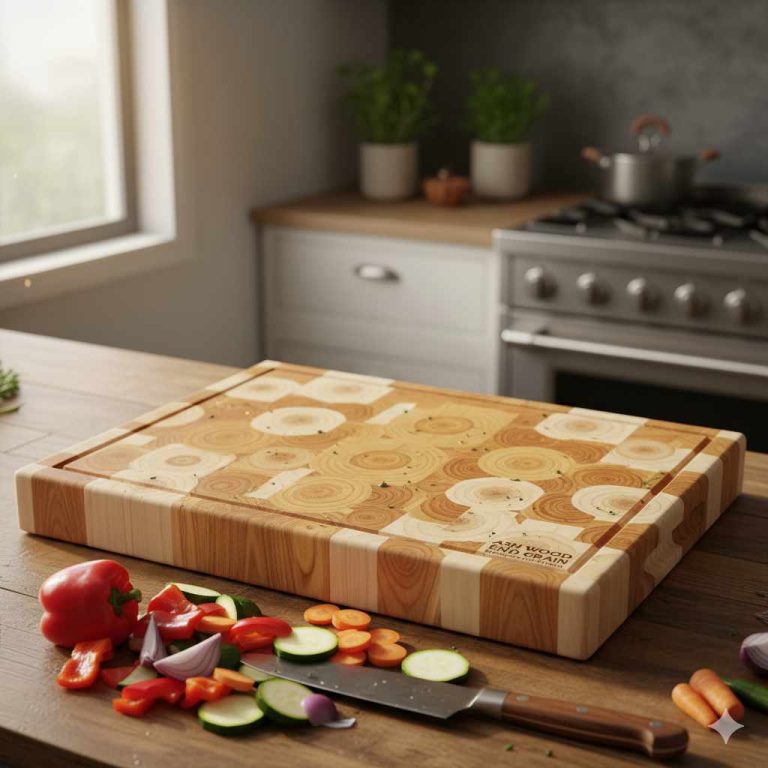
- Grain orientation. Face grain (the flat side) and end grain test differently – end grain is typically harder, which is why butcher blocks are built end-grain-up.
A Quick Way to Tell Them Apart
If you’re working from a mystery board rather than a labeled purchase, grain is the fastest visual tell. Ash has a straighter, more uniform grain pattern with less color variation board to board. Oak’s grain is more irregular and shows visible medullary rays – flecks running across the grain, most obvious on quarter-sawn cuts – that ash doesn’t have. Weight is a rougher secondary clue: a board of white oak will typically feel slightly heavier than a same-sized board of ash, though this is easy to miss without a second board to compare against directly. Smell is a lesser-known third clue: freshly cut oak has a noticeably stronger, more tannic odor than ash, which has a milder, almost neutral scent by comparison – useful when grain and weight alone leave you unsure.
Choosing Between Ash and Oak for a Project
For flooring or furniture that needs to shrug off dents and scratches in daily use, white oak’s higher Janka number and closed grain make it the safer pick, with red oak a close, more budget-friendly second. For anything that has to absorb repeated shock without cracking – tool handles, sports equipment, bent-wood parts – ash’s flexibility matters more than its raw hardness number, and it will outlast a harder, stiffer wood in that specific use. Price and availability often settle close calls: ash is generally the more affordable and more widely stocked option at most U.S. lumberyards. One more practical factor: ash has become harder to source in some regions since the emerald ash borer beetle began killing large numbers of ash trees across the eastern and midwestern U.S., so check local availability and current pricing before committing a project to ash over oak. A local sawmill or lumberyard can tell you within a phone call whether ash is currently scarce or reasonably stocked in your area.
Frequently Asked Questions
A few quick answers to the specific questions people search alongside this comparison, pulling directly from the Janka numbers above rather than a generic “both are good woods” answer.
Is ash or oak more durable?
It depends on the oak species. White oak (1360 Janka) is more durable against dents and wear than ash (1320). Red oak (1290 Janka) is slightly less durable than ash.
Which wood is harder, ash or oak?
White oak is harder than ash (1360 vs. 1320 on the Janka scale). Red oak is softer than ash (1290 vs. 1320). There’s no single correct answer without naming the oak species.
What is ash wood used for?
Ash is used for furniture, flooring, baseball bats, axe and tool handles, and oars – applications that benefit from its shock resistance and flexibility as much as its hardness.
What is oak wood used for?
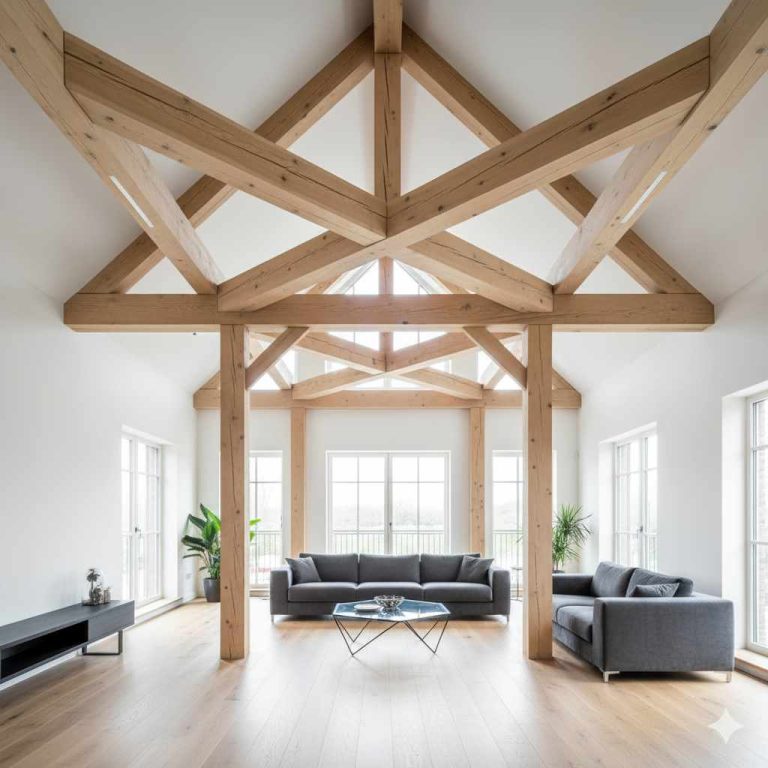
Oak is used for furniture, flooring, cabinetry, and structural beams. White oak specifically is used for wine and whiskey barrels and boat building because of its naturally closed, water-resistant grain.
Conclusion
Ash sits right between the two most common oak species on the Janka scale – harder than red oak, softer than white oak. If a source gives you a flat “oak is harder” or “ash is harder” without naming which oak, treat that answer as incomplete. The species name, not just the genus, is the detail that actually determines which wood wins. For most projects, the practical difference between all three woods is small enough that grain look, price, and how the wood handles shock or moisture should weigh more heavily than the hardness number alone.
Sponsored / affiliate links. As an Amazon Associate I earn from qualifying purchases. I may earn additional commission from eligible campaigns.