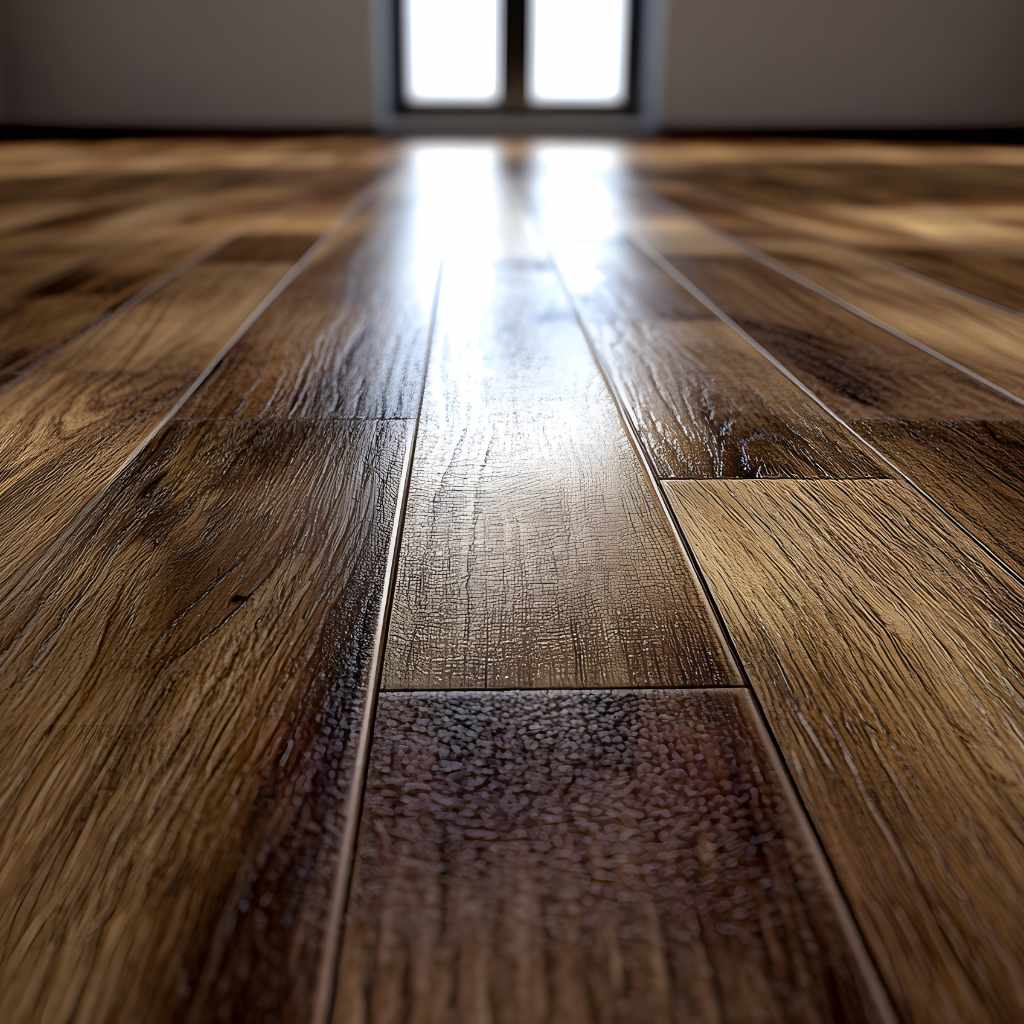
Is Engineered Hardwood Flooring Real Wood: Truth Uncovered!
Have you ever wondered if engineered hardwood flooring is truly real wood? You’re not alone.
When choosing flooring for your home, it’s important to know what you’re getting. Is engineered hardwood just a fancy name, or does it offer the genuine look and feel of solid wood? You’ll discover the truth behind engineered hardwood flooring—how it’s made, what sets it apart, and why it might be the perfect choice for your space.
Keep reading to make an informed decision that you’ll be happy with for years to come.
What Is Engineered Hardwood?
Engineered hardwood is a type of flooring made from real wood. It looks like solid wood but is built differently. This flooring offers a balance of beauty and strength. It can handle changes in temperature and moisture better than solid wood.
People choose engineered hardwood for its durability and style. It suits many rooms, including kitchens and basements. The construction makes it more stable and less likely to warp.
Layers And Construction
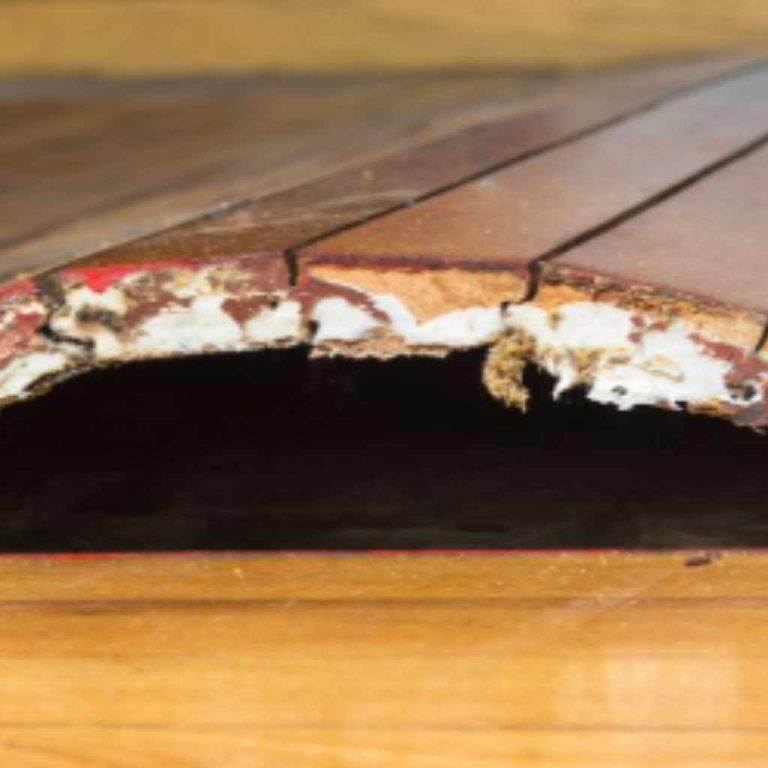
Engineered hardwood consists of several layers. The top layer is real wood, called the veneer. This layer shows the wood’s natural grain and texture.
Below the veneer are layers of plywood or high-density fiberboard. These layers run in different directions. This design adds strength and prevents the floor from bending or swelling.
The layers are glued and pressed tightly together. This process creates a strong and stable plank. The thickness of the top wood layer varies, affecting sanding and refinishing options.
Types Of Wood Used
Various wood species make the veneer layer. Common types include oak, maple, hickory, and walnut. Each wood gives a different color and pattern.
Hardwoods with tight grains often appear on the surface. Softwoods are less common because they scratch easily. The choice of wood impacts the floor’s look and durability.
Manufacturers select wood to match different styles and budgets. The top layer is real wood, so the floor has the authentic feel of hardwood.
How Engineered Hardwood Differs From Solid Wood
Engineered hardwood and solid wood flooring both use real wood, but their construction differs. This difference affects how they perform and look in your home. Understanding these contrasts helps in choosing the right floor for your needs.
Durability And Stability
Engineered hardwood has multiple layers of wood pressed together. This makes it more stable against changes in temperature and humidity. It resists warping and swelling better than solid wood. Solid wood is a single piece of wood. It can expand or shrink with moisture changes. Engineered hardwood often lasts longer in moist areas like basements or kitchens.
Appearance And Texture
The top layer of engineered hardwood is real wood. It looks just like solid wood floors. Both types show natural wood grain and texture. Engineered hardwood can come in many wood species and finishes. Solid wood offers a deeper, richer look since it is one solid piece. Scratches on solid wood can be sanded and refinished more times than engineered wood.
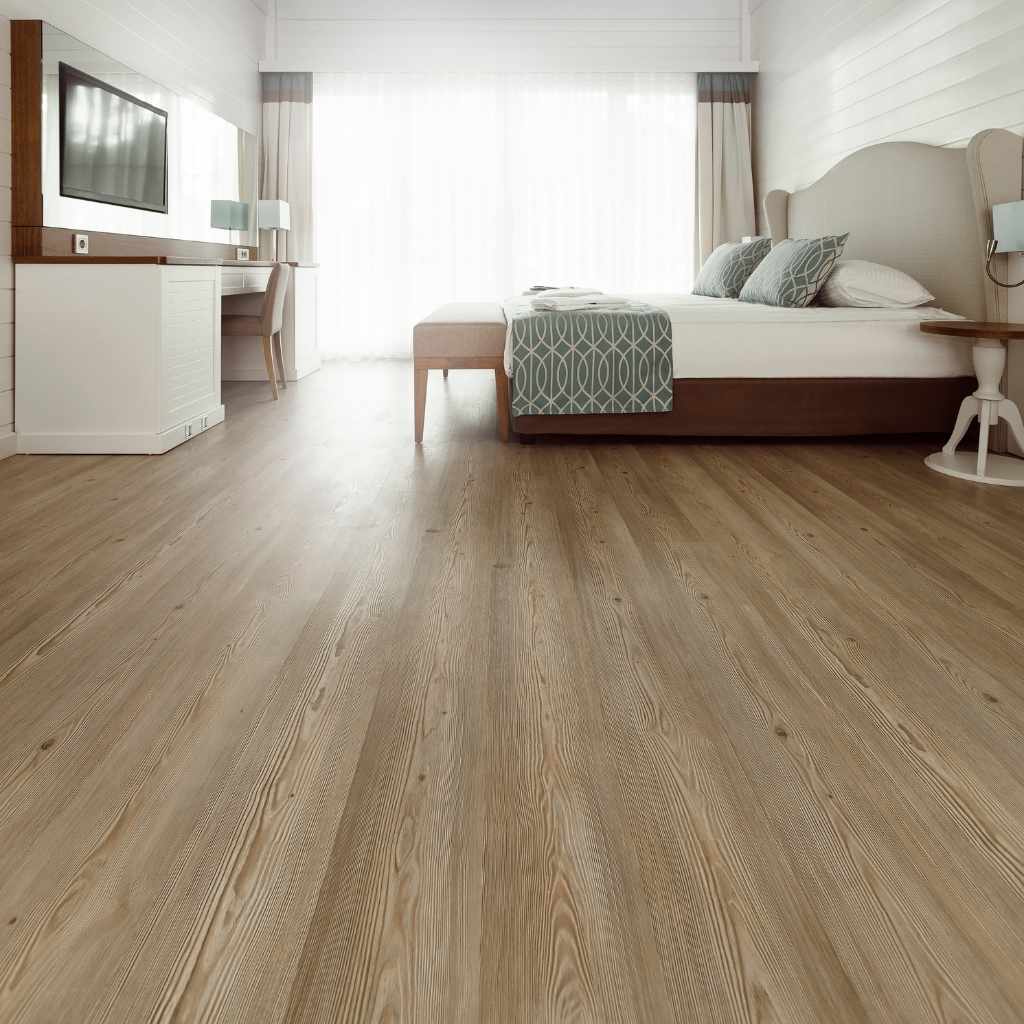
Is Engineered Hardwood Considered Real Wood?
Many homeowners wonder if engineered hardwood flooring is real wood. The answer lies in how this flooring is made. Engineered hardwood has a surface layer made of genuine wood. This layer gives it the look and feel of solid wood floors.
Understanding the structure helps clear up confusion. Engineered hardwood combines wood with other materials. This mix creates a strong and stable floor. It can handle changes in temperature and moisture better than solid wood.
Top Layer Composition
The top layer of engineered hardwood is real wood. It is thin but made from actual hardwood species. This layer shows the natural grain and color of wood. It is usually between 1mm and 4mm thick.
This thin wood layer is glued to layers of plywood or high-density fiberboard. These layers give strength and prevent warping. The real wood surface can be sanded and refinished a few times. This helps keep the floor looking new for years.
Comparison With Solid Hardwood
Solid hardwood is made from a single piece of wood. It is thicker and can be sanded many times. Engineered hardwood has a thinner real wood layer. It may not last as long with refinishing but still offers a natural wood look.
Both types use real wood on the surface. Engineered hardwood is more stable in moist or humid rooms. Solid hardwood can expand and contract more with changes in weather. This makes engineered hardwood a practical choice in many homes.
Benefits Of Engineered Hardwood Flooring
Engineered hardwood flooring offers many benefits that make it a popular choice. It combines the beauty of real wood with improved durability. This type of flooring fits well in many homes and spaces. Below are some key benefits that explain why engineered hardwood is worth considering.
Resistance To Moisture
Engineered hardwood handles moisture better than solid wood. Its layered design reduces the chance of warping. This makes it suitable for kitchens and basements. It stays stable even in humid conditions. This quality helps the floor last longer and look good.
Installation Flexibility
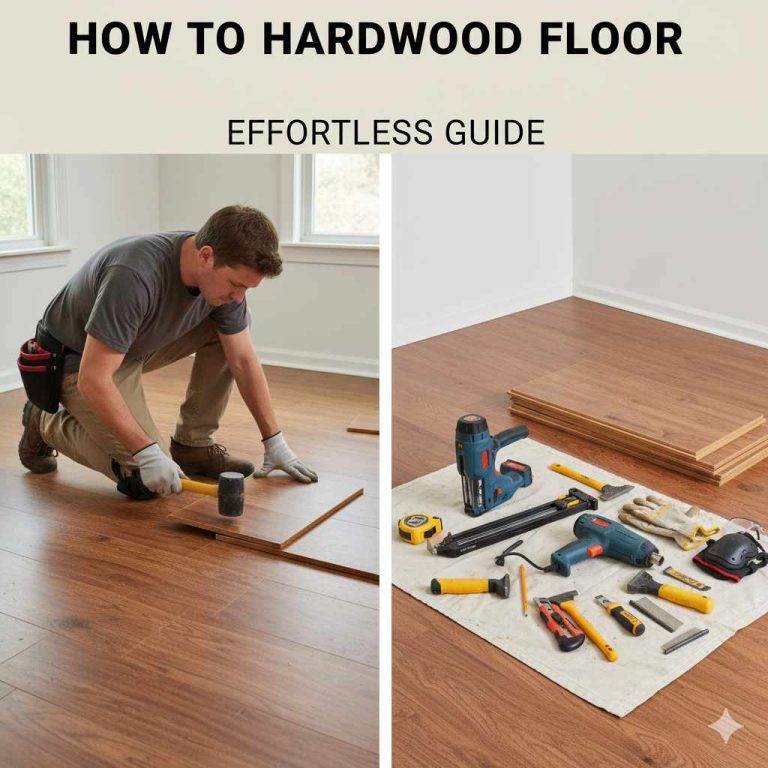
Engineered hardwood is easier to install than solid wood. It can go over concrete, plywood, or existing floors. Many types use click-lock systems for fast installation. This flexibility saves time and effort during setup. It works well in different rooms and buildings.
Cost Effectiveness
Engineered hardwood usually costs less than solid hardwood. It uses less expensive wood layers beneath the surface. This keeps the price down without losing style. It also requires less maintenance over time. A smart choice for quality floors on a budget.
Common Myths About Engineered Hardwood
Engineered hardwood flooring often faces many myths. These myths can confuse homebuyers and renovators. Understanding the truth helps in making smart choices. Let’s clear up some common misunderstandings about this popular flooring option.
Longevity Concerns
Many people think engineered hardwood wears out fast. This is not true. It has a solid wood top layer. This layer can be sanded and refinished. That extends its life for many years. Good quality engineered hardwood can last decades. It handles changes in temperature and humidity well. This makes it more stable than solid wood in some cases. Proper care also keeps it looking good for a long time.
Environmental Impact
Some believe engineered hardwood is bad for the environment. The truth is different. It uses less solid wood than traditional hardwood. The core layers come from fast-growing trees or recycled wood. This helps save old forests and reduces waste. Many brands use eco-friendly glues and finishes. This lowers harmful emissions. Choosing certified products supports responsible forest management. Engineered hardwood can be a greener choice for flooring.
Maintaining Engineered Hardwood Floors
Maintaining engineered hardwood floors keeps them looking fresh and lasting longer. These floors combine real wood layers with strong backing. Proper care protects the top wood layer from damage and wear. Simple steps make a big difference in keeping floors beautiful.
Cleaning Tips
Use a soft broom or vacuum with a hardwood setting to remove dust. Avoid wet mops or soaking the floor with water. Damp mop with a cloth slightly moistened with water or special hardwood cleaner. Clean spills immediately to prevent stains or warping. Avoid harsh chemicals and abrasive tools that can damage the surface.
Refinishing Possibilities
Engineered hardwood floors have a real wood top layer that can be refinished. The number of times depends on the thickness of this top layer. Thin layers allow only one or two refinishes. Thicker layers can be sanded and refinished several times. Refinishing restores the floor’s shine and removes scratches or dents. Always consult a professional to avoid damage during refinishing.
Choosing Between Engineered And Solid Hardwood
Choosing between engineered and solid hardwood flooring requires careful thought. Both types offer real wood surfaces, but their construction differs. This affects durability, cost, and installation options. Understanding these differences helps pick the best fit for your home and lifestyle.
Lifestyle Considerations
Engineered hardwood suits busy homes well. It handles moisture better than solid wood. Perfect for kitchens or basements. Solid hardwood lasts long with proper care. It can be sanded and refinished multiple times. Good for rooms with stable humidity. Consider pets and kids too. Engineered wood resists scratches better. Solid hardwood may dent easier but looks classic.
Budget Factors
Engineered hardwood usually costs less upfront. It offers good value with a wood surface. Installation can be easier and cheaper too. Solid hardwood has higher material costs. Installation may need more time and skill. Think about long-term investment. Solid hardwood can increase home value more. Engineered hardwood fits well for budget-conscious projects.
Frequently Asked Questions
Is Engineered Hardwood Flooring Made Of Real Wood?
Yes, engineered hardwood flooring has a real wood veneer on top. It combines a thin layer of natural hardwood with plywood layers underneath for durability.
How Does Engineered Hardwood Differ From Solid Hardwood?
Engineered hardwood has a layered construction, while solid hardwood is a single wood piece. This makes engineered flooring more stable and resistant to moisture.
Can Engineered Hardwood Be Sanded And Refinished?
Engineered hardwood can be sanded and refinished, but fewer times than solid hardwood. The thin top layer limits the number of refinishes.
Is Engineered Hardwood Flooring More Moisture Resistant?
Yes, engineered hardwood resists moisture better than solid hardwood due to its plywood core. This makes it suitable for basements and kitchens.
Conclusion
Engineered hardwood flooring uses real wood on its top layer. It offers the look and feel of solid wood. The layers underneath provide extra strength and stability. This makes it less likely to warp or swell. It works well in areas with moisture changes.
Many choose it for its durability and style. It combines beauty with practical benefits. A smart choice for homes needing real wood charm. Easy to clean and maintain, too. Consider your space and needs before deciding. Engineered hardwood brings real wood’s warmth to life.