Shaw Engineered Hardwood Flooring: Cost, Collections & Is It Worth It?
Shaw engineered hardwood flooring runs about $13 to $25 per square foot in materials, and popular lines like Riverstone and Castlewood Oak carry a 50-year residential warranty — but only the thicker wear-layer collections can actually be sanded and refinished later. Installing over concrete without a proper moisture barrier is the single most common cause of the warping complaints owners report. This guide covers Shaw’s real collections (Riverstone, Villa, Castlewood, Repel), verified pricing, and where the honest drawbacks show up.
Quick Answer
Shaw engineered hardwood is a real hardwood veneer bonded over a plywood core, priced $13–$25/sq ft depending on collection. It resists humidity swings better than solid hardwood and can go over concrete, but it is not waterproof, and only collections with a thicker wear layer (2mm+, like Riverstone) can be refinished — thin-veneer lines cannot.
What Is Shaw Engineered Hardwood Flooring?
Best Underlayment Pick
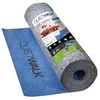
QuietWalk Underlayment (360 sq ft, 3mm)
A recycled-fiber underlayment with a built-in moisture barrier, made for floating installs of engineered hardwood.
- Best for: Floating installs over concrete or plywood subfloors
- Why we picked it: Integrated moisture barrier is exactly what prevents the warping complaints covered below
- Main drawback: Not rated for glue-down installs
Compare more engineered hardwood care and install options
 Option 1 Bona Hardwood Floor Polish
|
 Option 2 4-in-1 Flooring Install Kit
|
 Option 3 X-PROTECTOR Felt Furniture Pads
|
As an Amazon Associate we earn from qualifying purchases.
Shaw engineered hardwood is a flooring product built from several layers of plywood or high-density fiberboard topped with a real hardwood veneer, typically oak or hickory. Unlike solid hardwood, which is milled from a single piece of wood, this layered construction resists the expansion and contraction that humidity causes — which is why it’s approved for installation over concrete slabs and in basements, where solid oak hardwood flooring generally isn’t.
Shaw backs most of its engineered lines with a 50-year residential warranty and a proprietary Repel finish that resists everyday spills and subfloor moisture vapor — but “water-resistant” is not the same as waterproof, and standing water left on any Shaw engineered floor will eventually damage the seams. For a full breakdown of what that distinction actually means, see our guide on whether engineered hardwood flooring is waterproof.
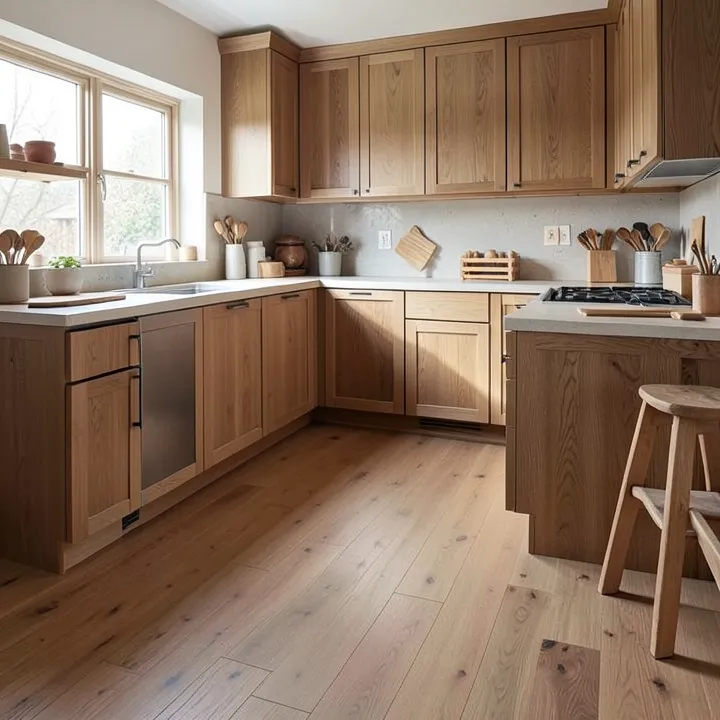
Shaw’s Real Engineered Hardwood Collections, Compared
Shaw sells engineered hardwood under a handful of named collections, mostly built on its EPIC™ Plus core with the Repel finish. Here’s what’s actually in each one — species, plank width, and finish — rather than a generic list.
| Collection | Species / Width | Finish | Best For |
|---|---|---|---|
| Riverstone | Hickory, 6-3/8″ planks | Heavy scraped, ScufResist Platinum, 20% gloss | High-traffic rooms, rustic look |
| Villa | White oak, 6.38″ planks | Smooth, Repel water-resistant finish | Bright, open-concept spaces |
| Castlewood Oak | White oak, wide planks | Low-gloss wirebrushed | Traditional rooms wanting texture |
| Castlewood Hickory | Hickory, 7-1/2″ planks | Low-gloss wirebrushed | Character-heavy grain, knots |
All four collections come from Shaw’s factories in the U.S. and carry the same 50-year residential warranty, but only Riverstone’s thicker veneer supports a full sand-and-refinish down the road — Villa and the Castlewood lines have a thinner wear layer built for the Repel finish, not repeated refinishing.
How Much Does Shaw Engineered Hardwood Cost?
Shaw engineered hardwood flooring starts around $13 per square foot for entry-level lines and averages $25 per square foot for materials alone, depending on collection, species, and plank width. Add professional installation and total project cost typically lands between $7 and $20 per square foot installed, with labor alone running $3 to $8 per square foot — floating installs on the low end, glue-down on the high end.
📊 Shaw hardwood pricing spans roughly $13–$25/sq ft in materials, with installed totals of $7–$20/sq ft — Source: industry flooring-cost surveys, 2026.
Because the number of full-size boxes you need also depends on plank dimensions, it’s worth confirming actual coverage before ordering — see our guide on how many square feet come in a box of hardwood flooring so you don’t over- or under-order for a Shaw collection’s specific plank size.
Installation: Floating, Glue-Down, or Nail-Down?
Shaw engineered hardwood can be installed three ways, and the subfloor decides which one you get. A floating install interlocks the planks over a foam or fiber underlayment with no fasteners into the subfloor — it’s the fastest DIY option and the only one approved over concrete without additional prep. A glue-down install bonds planks directly to concrete or plywood and holds up best under heavy furniture. A nail-down (or staple-down) install works only over a wood subfloor and is the traditional method for engineered planks thick enough to take a fastener without splitting.
Whichever method you choose, the underlayment matters more than most DIYers expect: installing over a concrete slab without an integrated moisture barrier is the most common cause of the cupping and warping complaints Shaw owners report in reviews. See our full breakdown of whether you need underlayment for engineered hardwood before you commit to a method.
Maintenance and Refinishing
Sweep or vacuum regularly, wipe up spills immediately, and clean with a hardwood-specific cleaner rather than an all-purpose spray — ammonia and vinegar-based cleaners can dull the Repel finish over time. Keep indoor humidity between 35% and 55% to minimize seasonal gapping. For the full room-by-room routine, see our dedicated guide on how to care for engineered hardwood floors.
Refinishing is where the collections genuinely differ. Riverstone’s thicker hickory veneer supports one full sand-and-refinish cycle. Villa and the Castlewood lines use a thinner veneer built around the Repel finish rather than repeated sanding — refinishing those too aggressively can sand straight through to the plywood core. Always check the wear-layer thickness on your specific SKU before a contractor sands it.
Shaw vs. Bruce vs. Solid Hardwood: How It Actually Compares
Shaw and Bruce are the two brands shoppers cross-shop most often, and the honest difference isn’t quality — it’s construction philosophy. Shaw’s engineered lines lean into wider planks and heavier scraped textures; Bruce is known for American-made affordability across both solid and engineered options. For a side-by-side on the construction difference itself, see engineered hardwood floors vs. solid hardwood, and for the Bruce-specific comparison, see our Bruce prefinished hardwood flooring guide.
| Factor | Shaw Engineered | Solid Hardwood |
|---|---|---|
| Plank thickness | 3/8″ – 1/2″ (9.5–12mm) | ~14.2mm (Shaw solid line) |
| Refinishes possible | 0–1, collection-dependent | 4–5 times |
| Install over concrete | Yes, floating or glue-down | Not recommended |
| Humidity stability | High | Moderate – expands/contracts |
| Typical warranty | 50-year residential | 50-year residential (Shaw) |
Real Pros and Cons of Shaw Engineered Hardwood
Advantages Over Traditional Hardwood
- Moisture stability — the plywood core resists the cupping and gapping solid hardwood shows in humid climates or over concrete.
- ScufResist Platinum coating (on Riverstone and similar lines) holds up well against normal foot traffic and pet claws.
- Species selection — oak and hickory in both smooth and heavily textured finishes, wider than most solid hardwood strip flooring.
- Price flexibility — entry lines start near $13/sq ft, well below premium solid hardwood.
Potential Drawbacks To Consider
- Not as scratch-resistant as luxury vinyl plank — if scratch resistance is the top priority, LVP will outperform any engineered hardwood.
- Limited or no refinishing on thin-veneer lines — Villa and Castlewood can’t take repeated sanding the way solid hardwood or Riverstone can.
- Installation-dependent warping — several buyer reviews report delamination or warping traced back to skipped moisture barriers, not the product itself.
- Quality control complaints — a minority of long-term owners report planks splitting or the finish peeling after roughly five years, most often on entry-level SKUs.
“The floors that fail early almost always have the same story: floating install straight over a concrete slab with no separate moisture barrier, in a basement or ground-floor room. A $60 roll of underlayment with a built-in vapor barrier costs less than one replacement plank later.”
Frequently Asked Questions
Are Shaw engineered hardwoods good?
Yes, for most homes. Shaw engineered hardwoods hold up well to humidity swings and come with a 50-year residential warranty on most lines. The main caveat: buy the right collection for the room, since thin-veneer lines like Villa aren’t built for repeated refinishing the way Riverstone is.
How thick is Shaw engineered hardwood flooring?
Shaw’s engineered planks typically range from 3/8 inch to 1/2 inch (9.5mm–12mm) overall, with a hardwood veneer layer around 1.2mm to 2mm depending on collection. Thicker veneer allows more refinishing; see our guide on plywood flooring thickness for how this compares to other engineered products.
Can Shaw engineered hardwood floors be refinished?
Only some of them. Riverstone’s thicker hickory veneer supports one full sand-and-refinish cycle. Villa and the Castlewood collections use a thinner wear layer designed around the factory Repel finish, not repeated sanding — check your SKU’s veneer thickness before scheduling a refinish.
Is Shaw engineered hardwood waterproof?
No. Shaw’s Repel finish is water-resistant, meaning it resists everyday spills and subfloor moisture vapor if you clean them up promptly, but standing water will still damage the seams over time. It is not a substitute for waterproof flooring in a bathroom or laundry room with real flood risk.
What are the cons of engineered wood flooring?
The main cons are limited refinishing life compared to solid hardwood, susceptibility to water damage at the seams, and installation-dependent warping if the moisture barrier is skipped. Reviews also note occasional quality-control issues like splitting or finish peeling after about five years, mostly on entry-level product lines.
Conclusion
Shaw’s engineered hardwood is a solid pick when you match the collection to the room: Riverstone or Castlewood Hickory for high-traffic, refinishable floors, Villa or Castlewood Oak for a lighter, wider-plank look where refinishing matters less. The floors that disappoint owners almost always trace back to a skipped moisture barrier during install, not the product itself — get that part right and the 50-year warranty is a realistic expectation, not just a sales number.
Sponsored / affiliate links. As an Amazon Associate I earn from qualifying purchases. I may earn additional commission from eligible campaigns.
 East West Furniture SP-5HH05 Sango Premier Engineered Hardwood Flooring - European Oak - 1/2 in x 7 in x Random Length Handscraped, 26.24 sqft/box, Shadow Grey
 East West Furniture SP-7HH02 Sango Premier Engineered Hardwood Flooring - European Oak - 1/2 in x 7 in x Random Length Handscraped, 26.24 sqft/box, Special Walnut