Is Festool a Good Brand? Quality, Warranty & Who It Suits
Festool is generally a good premium tool brand, especially for professionals who value dust extraction, guide-rail accuracy, portable workflow, and a tightly integrated system. It is not automatically the best value for occasional DIY use or buyers who only need one conventional tool.
The brand’s advantage is strongest when multiple tools, rails, hoses, extractors, and storage cases work together. The tradeoff is high purchase price, costly accessories, and greater lock-in to one ecosystem.
Festool: Quick Verdict
Buy Festool when cleaner mobile work, repeatable precision, service coverage, and saved setup time can repay the premium. Skip or compare alternatives when the tool will be used rarely, the system benefit is small, or local service and consumables are inconvenient.
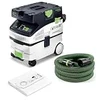
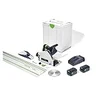
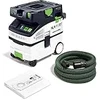
Where Festool Earns Its Reputation
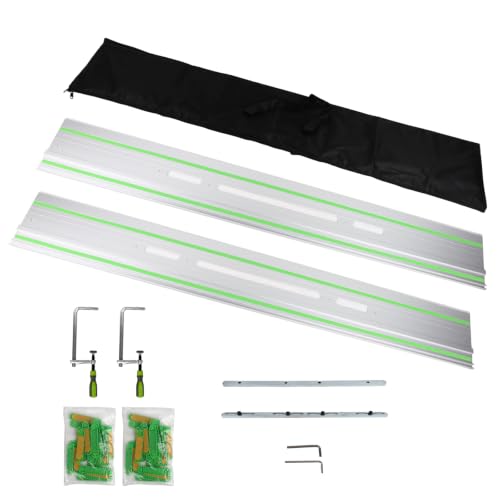
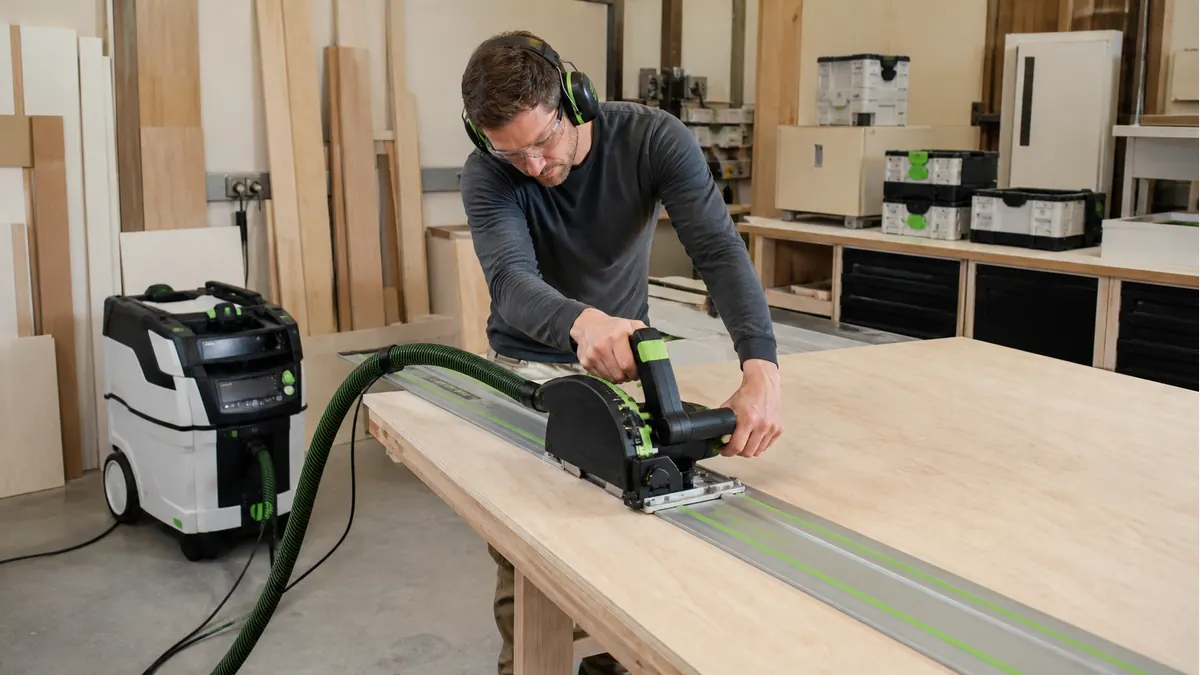
- Track-saw and guide-rail workflow for sheet goods and site work
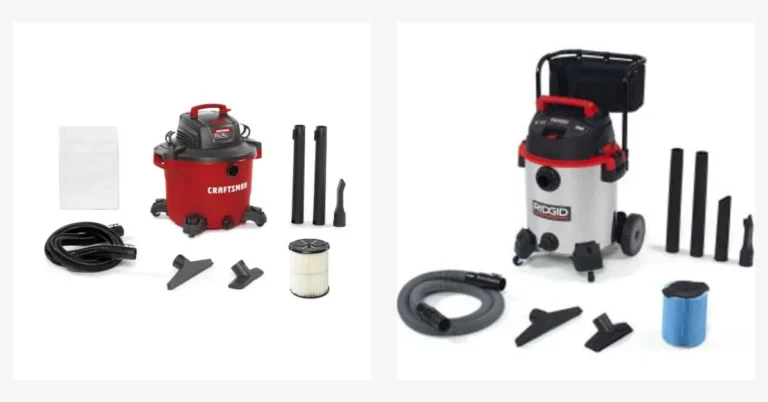
- Dust extraction designed around tool-to-hose compatibility
- Sander ergonomics and matched abrasives
- Modular cases and portable organization
- System accessories that reduce setup between operations
Warranty and Service
Festool USA’s current Warranty All-Inclusive advertises three-year coverage, including wear and tear subject to terms, ten-year spare-parts availability, and a one-month money-back option. Registration, product, seller, region, and exclusions control eligibility; read the current terms before purchase.
Who Should Buy—and Who Should Skip
| Good fit | Weak fit |
|---|---|
| Cabinet installers and finish carpenters | Occasional homeowner repairs |
| Shops prioritizing dust control | Buyer needing the lowest upfront price |
| Mobile workflows using rails and extractors | Existing ecosystem already solves the task |
| Work where setup time has billable value | One-off tool with no system benefit |
Compare Total Ownership Cost
Price the tool, required rail or hose, blades/abrasives, batteries, dust bags, adapters, repair shipping, and downtime. Then estimate saved labor and cleanup. A premium tool is economical only when the workflow benefit is real and repeated.
Handle the tool and test dust extraction when possible. Brand reputation cannot tell you whether a sander’s grip, a saw’s capacity, or a storage format fits your work.
Festool vs. Mainstream Alternatives
Makita, DeWalt, and Milwaukee all make capable professional-grade tools, and the comparison against Festool usually comes down to system integration and dust extraction rather than raw cutting or driving power.
| Factor | Festool | Mainstream Brands (Makita/DeWalt/Milwaukee) |
|---|---|---|
| Upfront price | Higher | Lower to moderate |
| Dust extraction integration | Purpose-built, tool-to-hose matched | Available but often less refined fit |
| Guide-rail track saw ecosystem | Deep, mature system | Growing, fewer accessory options |
| Parts and service network | Narrower but well-supported | Very wide, big-box and independent retailers |
| Resale value | Holds value well used | Varies by brand and model |
For a shop that only occasionally needs a track saw or a job-site vacuum, a mainstream brand often delivers 90% of the functional result for meaningfully less money. For a shop built around clean, mobile, repeatable finish work, the Festool system’s integration advantage compounds across every tool added to it.
Common Myths About Festool
- “Festool is just a status brand.” The dust extraction and guide-rail engineering are genuinely differentiated, not just marketing — independent contractors who bill by the hour often recoup the premium through cleanup time saved.
- “You have to buy the whole system at once.” Most shops build into the ecosystem gradually, starting with one extractor or track saw and adding pieces as the workflow benefit proves out.
- “Festool tools never break.” Like any power tool, Festool equipment needs maintenance and can fail; the warranty and parts-availability terms matter precisely because failures still happen.
- “Cheaper batteries and accessories from other brands work fine.” Festool’s ecosystem is largely closed; third-party accessories can void warranty coverage or simply not fit, unlike more open mainstream platforms.
Questions to Ask Before Buying Into the System
- Will this tool replace one I already own, or fill a genuine gap in my current setup?
- Does my shop or job site actually need the dust-extraction-first workflow, or is that a nice-to-have?
- Is there an authorized dealer or repair center within reasonable distance for service?
- Am I buying because of a real, repeated task, or because of brand reputation alone?
Answering these honestly before buying prevents the most common Festool regret: an expensive tool that sits mostly unused because the workflow it was designed to speed up wasn’t actually a bottleneck in the first place.
Bottom Line
Festool is a strong brand with a coherent professional system, but it is a value decision rather than a status decision. Buy the workflow improvement you can measure, not the logo alone.
Frequently Asked Questions
Is Festool worth the money?
It can be for frequent professional use where precision, dust collection, portability, and reduced setup time repay the premium.
Is Festool only for professionals?
No, but occasional users may get less value from the integrated system.
Does Festool have a three-year warranty?
Festool USA advertises three-year coverage subject to registration, eligibility, and current terms.
What is Festool best known for?
Track saws, dust extractors, sanders, guide rails, and a connected portable workflow.
Should I buy Festool from Amazon?
Only after verifying the exact product, included items, seller authorization, return terms, and warranty eligibility.
Sponsored / affiliate links. As an Amazon Associate I earn from qualifying purchases. I may earn additional commission from eligible campaigns.