Dust Collector Bags: Micron Ratings, Sizing & When to Replace Them
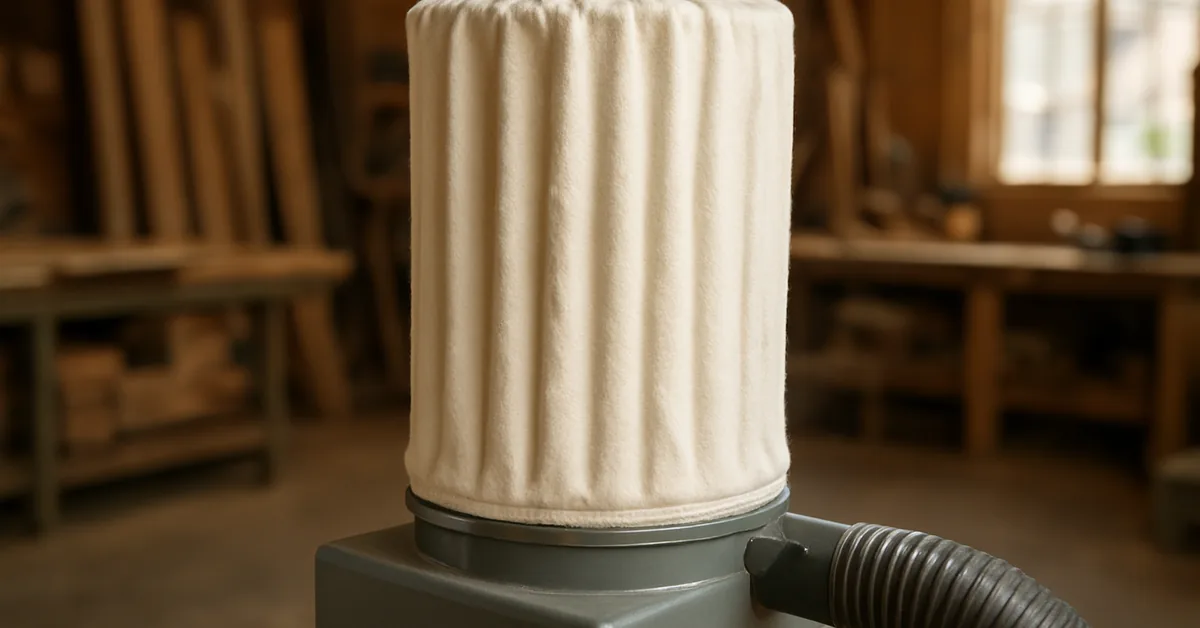
Most dust collectors ship with a 30-micron lower bag and a 30-micron upper filter bag, which catches visible chips but lets the finest, most harmful wood dust pass straight back into your shop air. Upgrading the upper bag to a 1-micron felt filter is the single biggest air-quality change you can make to an existing collector. This guide covers micron ratings, the upper-vs-lower bag distinction, sizing a replacement, and when to actually swap one out.
Quick Answer
Upgrade a stock 30-micron dust collector bag to a 1-micron felt filter bag for the upper (filter) position — the lower bag stays a coarse collection bag since it only holds chips. A 1-micron upgrade typically runs $30–$80 and captures the fine dust a stock bag lets through.
What Micron Rating Do Dust Collector Bags Need?
Best 1-Micron Upgrade Bag Pick
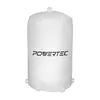
POWERTEC 21×31 1-Micron Dust Collector Bag – $32.99
The exact upper-bag upgrade this guide recommends — 1-micron felt in the standard 21×31 size, fits JET, Grizzly, Shop Fox, Wen, and Harbor Freight collectors.
- Best for: Upgrading a stock 30-micron upper filter bag
- Why we picked it: 1-micron felt, standard 21×31 size, multi-brand fit
- Main drawback: Felt needs periodic shaking/cleaning to maintain airflow
Stock dust collector bags ship at 30 microns, which catches visible chips but not fine dust; a 1-micron felt bag captures roughly 99% of that fine dust instead. The gap between the two ratings is the actual health-relevant number — not just “does it filter,” but how fine a particle it stops.
Why Does 1 Micron vs. 30 Micron Matter for Health?
The particles a 30-micron bag lets through are small enough to stay airborne and get inhaled deep into the lungs, while the visible chip-sized particles a stock bag does catch were never the real hazard. If you’ve run a stock 30-micron collector and noticed a fine haze hanging in the shop after a sanding session, that haze is exactly what a 1-micron upgrade is designed to stop — the difference is visible within the first use.
How Does Micron Rating Affect Airflow?
A finer micron rating traps more dust in the fabric weave, which restricts airflow more than a coarse bag does — a 1-micron bag needs more surface area than a 30-micron bag to move the same CFM. This is why 1-micron upgrade bags are typically taller or pleated rather than a simple straight swap at the same dimensions.

What’s the Difference Between the Upper and Lower Dust Collector Bag?
The upper bag is the filter — air passes through its fabric before exiting the machine, so its micron rating determines what escapes into shop air. The lower bag just holds the heavier chips and dust that settle out and never needs to filter anything, so it stays a coarse, inexpensive collection bag.
Should the Top or Bottom Bag Be Finer?
Always upgrade the top (filter) bag first — that’s the one doing the actual air filtration. Upgrading the bottom bag’s micron rating does nothing for air quality since air doesn’t pass through it; only upgrade the lower bag’s material for durability (a heavier fabric or clear plastic) if it’s ripping or wearing out, not for filtration.
Felt vs. Canister (Cartridge) Filter — Which Should Replace Your Bag?
A pleated canister filter traps more dust in less floor space than a felt bag of the same micron rating, at a higher upfront cost.
| Filter type | Micron range | Surface area | Cleaning | Cost |
|---|---|---|---|---|
| Felt filter bag | 1–30 micron | Lower | Shake or vacuum off exterior | Lower |
| Pleated canister/cartridge | 0.5–1 micron | Higher (same footprint) | Compressed air or brush between pleats | Higher |
Compare more dust collector bag/filter options
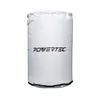 Option 1 POWERTEC 20in Lower Collection Bag – $30.39
|  Option 2 WEN 1-Micron Canister Filter Cartridge – $223.99
| 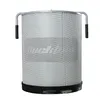 Option 3 BUCKTOOL 2-Micron Pleated Canister Filter – $255.54
|
As an Amazon Associate we earn from qualifying purchases.
How Do You Measure Your Dust Collector for a Replacement Bag?
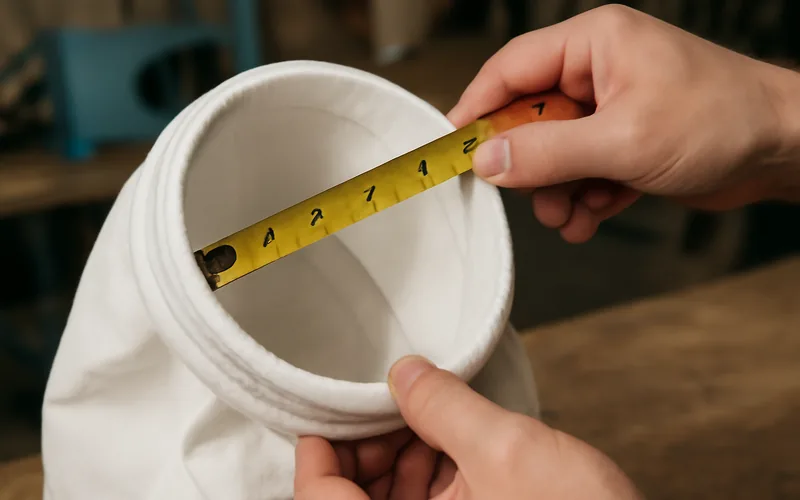
Measure the bag opening’s diameter and the bag’s total height before ordering — universal bags come in a handful of standard diameter/height combinations (commonly around 20×31 or 21×31 inches), but brand-specific machines (Jet, Grizzly, Powermatic, Delta) sometimes need a manufacturer-specific fit. Check the attachment style too: snap-band, elastic hem, drawstring, and clamp-ring bags aren’t interchangeable on every collector.
Is Static Electricity in a Dust Collector Bag a Fire Risk?
Yes — fine dust moving through a fabric filter bag generates static charge, and a spark from ungrounded equipment is a real ignition source in a dust-filled environment. NFPA 654, the standard for preventing fire and dust explosions from combustible particulate handling, specifically addresses static and grounding requirements for dust collection equipment. Use a bag with a woven-in grounding wire or conductive thread, and confirm the collector itself is grounded to the shop’s electrical system, not just plugged into an ungrounded extension cord.
How Much Do Replacement Dust Collector Bags Cost?
A 1-micron upper filter bag upgrade typically runs $30–$80 depending on size and brand fit; a plain 30-micron lower collection bag is usually the cheaper of the two, often under $30. Pleated canister filters cost more upfront than either bag style but last longer between replacements.
How Often Should You Clean or Replace a Dust Collector Bag?
Shake or vacuum the exterior of a felt bag whenever airflow noticeably drops — a dust cake buildup on the fabric surface is what restricts CFM over time, not bag age by itself. Replace a bag when it has visible holes, thinning fabric you can see light through, or a torn seam, or roughly every 1–2 years of regular shop use even without visible damage, since fabric permeability degrades gradually.
What does micron rating mean on a dust collector?
Micron rating is the smallest particle size a filter bag reliably captures. A lower number means finer filtration — a 1-micron bag stops particles roughly 30 times smaller than a stock 30-micron bag lets through.
What’s the difference between the top and bottom bag?
The top bag filters the air before it exits the machine, so its micron rating determines air quality. The bottom bag just collects settled chips and dust and doesn’t need to filter anything.
Can I use any brand’s replacement bag on my dust collector?
Not always. Universal bags fit common standard diameter/height combinations, but some brand-specific machines need a manufacturer-fit bag. Measure your machine’s bag opening and check the attachment style (snap-band, elastic, drawstring, clamp-ring) before ordering.
How often should a dust collector bag be cleaned or replaced?
Clean the bag exterior whenever airflow drops noticeably, and replace it when you see holes, thinning fabric, or a torn seam — typically every 1–2 years of regular use even without visible damage.
Is static electricity in a dust collector bag dangerous?
Yes — static buildup in a fabric filter bag can spark and ignite fine combustible dust. Use a grounded or conductive-thread bag and confirm your collector is properly grounded, per NFPA 654’s static and grounding requirements.
Upgrade the top bag to 1 micron first, size it by measuring your machine rather than guessing, and replace either bag at the first sign of holes or thinning fabric. For choosing the collector itself, see our guide to dust collectors for a home shop, and for what to do with what you collect, see what to do with wood dust<, or browse general tool care in our woodworking tools and saws guide.
Sponsored / affiliate links. As an Amazon Associate I earn from qualifying purchases. I may earn additional commission from eligible campaigns.