Is It Safe to Sand MDF: Expert Safety Tips
Have you ever found yourself staring at a piece of MDF, wondering if it’s safe to sand it down for your next project? You’re not alone.
Medium Density Fiberboard, or MDF, is a popular choice among DIY enthusiasts and professionals alike due to its affordability and versatility. But when it comes to sanding, safety is a major concern. You might be asking yourself, will sanding MDF release harmful particles?
Could it affect the quality of your project? We’ll uncover the truth about sanding MDF and provide you with essential tips to ensure your safety and the success of your work. Stick around, because understanding these details could save you from potential health risks and costly mistakes.
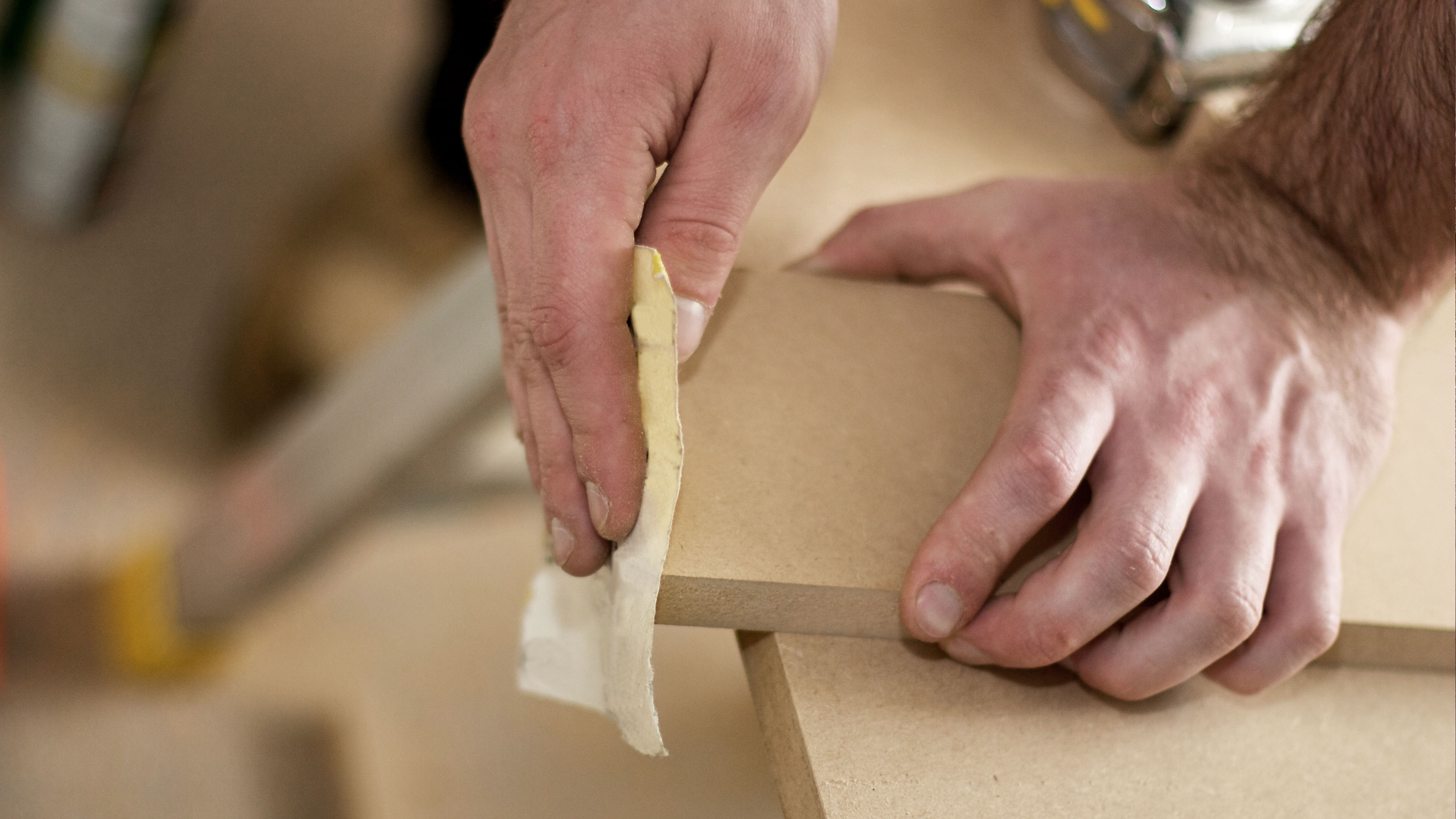
Credit: www.homebuilding.co.uk
Understanding MDF Composition
MDF stands for Medium-Density Fiberboard. It is made from wood fibers. These fibers come from softwood and hardwood. Glue and wax hold the fibers together. The glue used is often urea-formaldehyde. This is important to know. MDF is smooth and dense. It is heavier than plywood.
MDF production involves many steps. First, wood chips are broken down. They become fibers in a machine. Next, glue and wax are added. The mixture is heated and pressed. This forms thick sheets of MDF. Finally, the sheets are cooled and cut. The result is a strong and smooth board.

Credit: vir-mdf.com
Potential Hazards Of Sanding MDF
MDF sanding creates tiny dust. These particles float in the air. Breathing them can harm your lungs. Dust masks help but are not perfect. Always use good ventilation. Keep your work area clean. Use a vacuum to remove dust. Protect your eyes with goggles.
MDF contains chemicals like formaldehyde. Sanding can release these into the air. Exposure can cause irritation. It might affect eyes, nose, and throat. Long-term exposure could be dangerous. Safety gear is important. Use gloves, masks, and goggles. Work in a well-ventilated space.
Safety Precautions
Sanding MDF creates tiny dust particles. These particles can be harmful. Wearing a dust mask is very important. It protects your lungs from dust. Safety goggles keep dust out of your eyes. Gloves protect your hands from rough surfaces. Ear protection is needed if using loud tools. All gear should fit well and be comfortable.
Good air flow is crucial. Open windows and doors to let air move. Use a fan to push dust outside. A dust collector can help remove particles. Avoid working in closed spaces. Fresh air keeps dust away from your nose. Clean the area often to remove settled dust.

Credit: www.reddit.com
Tools And Techniques For Safe Sanding
Sandpaper is important for sanding MDF. Choose a grit that suits your project.
Coarse sandpaper removes more material but can leave scratches. Fine sandpaper smoothens surfaces.
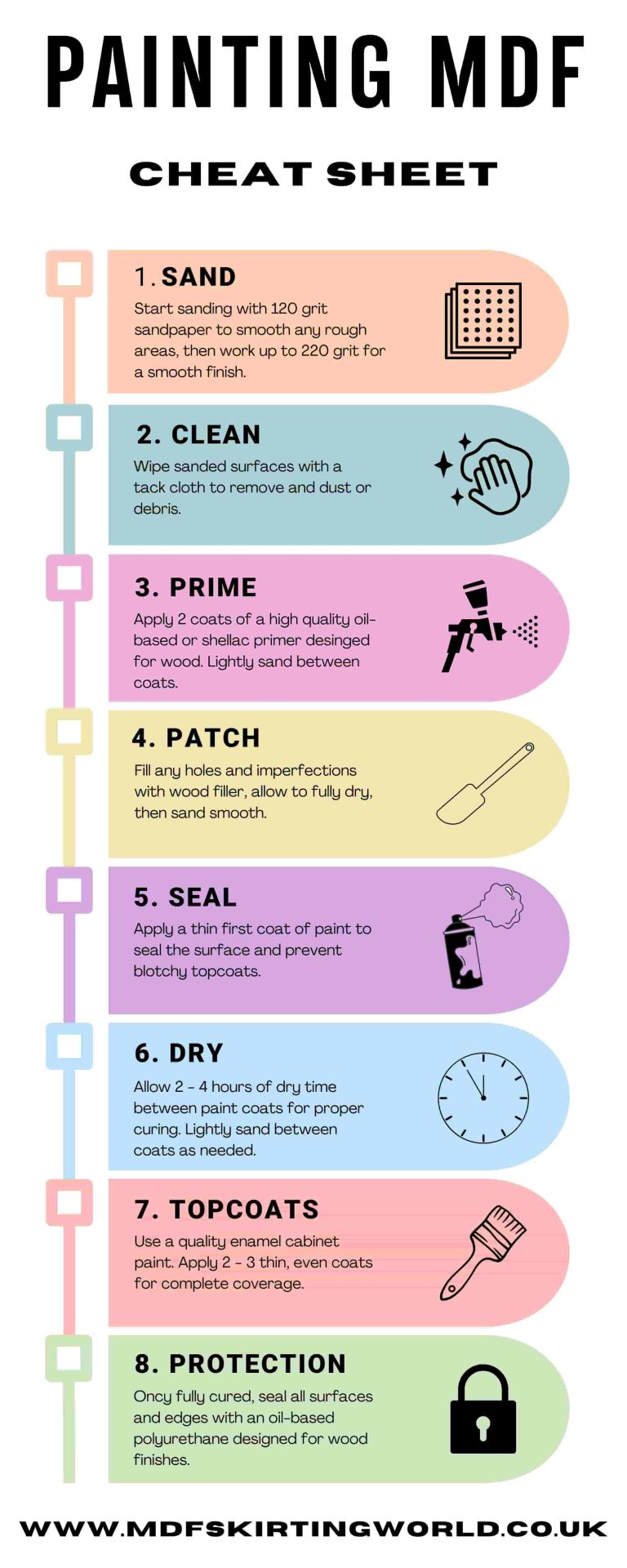
Always start with coarse grit and move to finer grit. This helps create a smooth finish.
Power sanders make work easier. But safety is key. Hold the sander firmly. Wear safety goggles to protect your eyes.
A dust mask keeps dust away from your lungs. Always sand in a well-ventilated area. This prevents dust build-up.
Post-sanding Safety Measures
Sanding MDF can release harmful dust particles. Use a mask and goggles to protect yourself. Ensure proper ventilation to minimize inhalation risks.
Cleaning Up Effectively
After sanding MDF, cleaning is very important. Dust particles can be harmful. Use a vacuum or a wet cloth to clean surfaces. Wear a mask to avoid breathing dust. Make sure all surfaces are dust-free. Air quality improves with proper cleaning.
Disposing Of Waste Properly
Disposing waste correctly is crucial. Collect all dust and waste in a bag. Seal the bag tightly. Throw it in the correct bin. Waste can harm the environment. Follow local rules for disposal. Keep your space tidy. Safe disposal keeps everyone healthy.
Expert Tips For Safe Practices
Sanding MDF can be safe with proper steps. First, wear a mask to keep dust out. Dust can make it hard to breathe. Use goggles to protect your eyes from dust. Keep a window open for fresh air. A fan can help move dust away.
Use a gentle hand when sanding. MDF is soft and can break. Start with light sandpaper. Check your work often. Too much sanding can ruin the surface. Follow these tips for a safe sanding experience.
Some people forget to wear safety gear. This is not safe. Never skip the mask and goggles. Another mistake is using a strong grip when sanding. This can damage the MDF. Always sand lightly and slowly.
Some rush the job. But rushing can lead to mistakes. Take your time. Check the MDF often. Make sure it looks right. These steps help avoid common mistakes.
Frequently Asked Questions
Is Sanding MDF Safe?
Sanding MDF can release harmful dust particles. Always wear a mask and use proper ventilation to stay safe. Ensure dust collection systems are in place to minimize exposure. Prioritize your health by working in a well-ventilated area. Consider using low-dust MDF alternatives to reduce risks.
Is MDF Dust Harmful To Our Health?
MDF dust can be harmful to health. It may cause respiratory issues and skin irritation. Wearing protective gear and ensuring proper ventilation can reduce risks. Always handle MDF with care to minimize exposure.
Can MDF Be Sanded And Repainted?
Yes, MDF can be sanded and repainted. Use fine-grit sandpaper for a smooth surface. Clean thoroughly before applying primer. Choose appropriate paint for MDF. Ensure even coating for best results. Allow proper drying time between coats. Maintain good ventilation during the process.
Does All MDF Have Formaldehyde?
Not all MDF contains formaldehyde. Some manufacturers produce MDF with low or no formaldehyde emissions. Check product labels or certifications for details. Opt for MDF labeled as CARB compliant or formaldehyde-free for safer options. Always verify with suppliers to ensure the MDF meets your health standards.
Conclusion
Sanding MDF can be safe with the right precautions. Use a mask to avoid inhaling dust. Ensure proper ventilation in your workspace. Consider wearing gloves to protect your skin. Always use fine-grit sandpaper for smoother results. Avoid heavy pressure while sanding to prevent damage.
Regularly clean the dust to maintain a safe environment. MDF sanding can yield excellent results with care and patience. Always prioritize safety to ensure an effective and enjoyable project. Remember, a well-prepared workspace makes the process easier and safer. Happy sanding!