Is MDF Still Dangerous? Unveiling the Hidden Risks
Imagine walking into a furniture store, ready to revamp your living space with stylish new pieces. You spot that perfect coffee table or bookshelf, made from MDF, with its sleek finish and modern design.
It’s tempting, isn’t it? But then, a tiny voice in your head whispers a question: “Is MDF still dangerous? ” Before you swipe your card or click that “buy now” button, it’s crucial to know what you’re bringing into your home.
MDF, or medium-density fiberboard, has been a popular material choice for years. But what about the health concerns associated with it? We’ll uncover the truths, dispel myths, and give you the peace of mind you need. By understanding the facts, you can make informed decisions that ensure the safety and well-being of you and your loved ones. Keep reading to discover whether that beautiful MDF piece is truly a safe addition to your home.

Credit: www.theguardian.com
MDF Basics
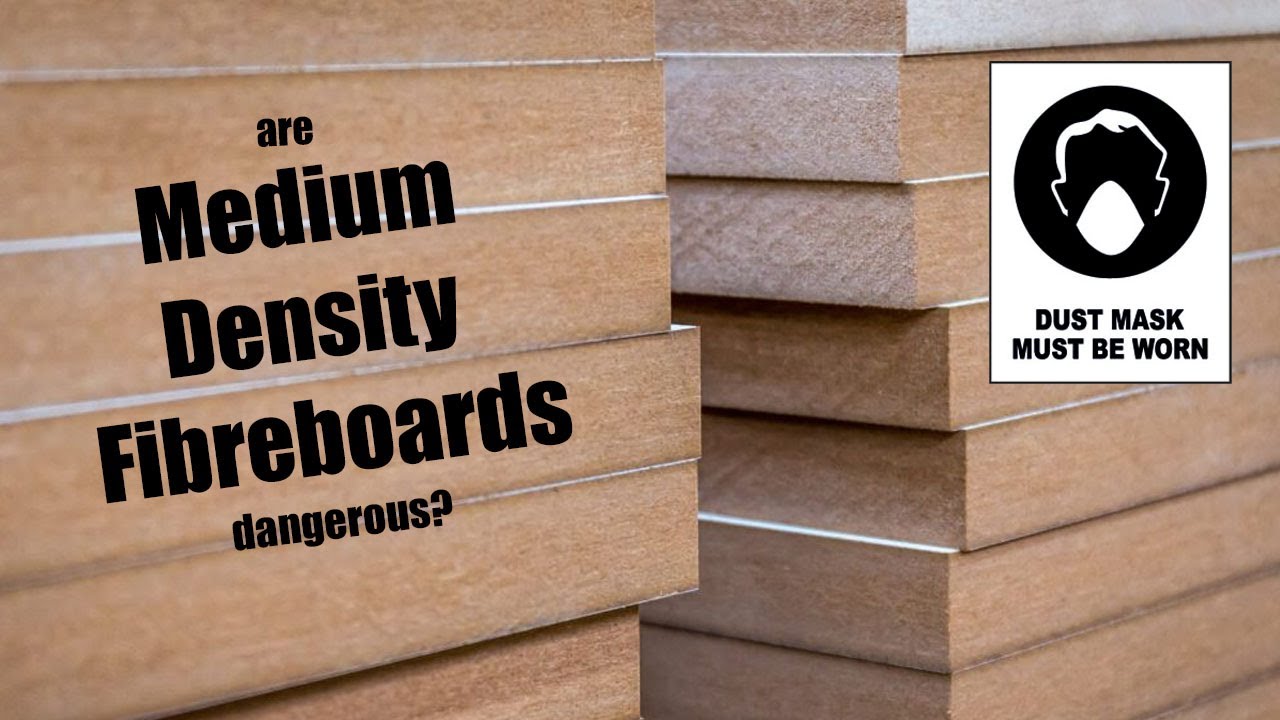
MDF stands for Medium Density Fiberboard. It’s made from wood fibers. These fibers are mixed with resin. They are then pressed into boards. The process uses heat and pressure. This makes MDF smooth and dense. MDF is easy to cut. It is also easy to paint. Factory workers wear masks. They do this to avoid dust. MDF dust can be harmful. This is why safety gear is important.
MDF is used in many ways. It is popular for making furniture. It is also used for cabinets. Builders use it for flooring too. MDF is good for wall panels. It is often cheaper than solid wood. MDF is easy to shape. This makes it great for decorative pieces. Always check if MDF is safe for your project.
Health Concerns
MDF, or Medium Density Fiberboard, raises health concerns due to formaldehyde emissions. This material, often used in furniture, can release harmful compounds, particularly when cutting or sanding. Proper ventilation and protective gear are crucial to minimize exposure risks.
Formaldehyde Emissions
MDF can release formaldehyde. This gas is not safe. Breathing it may cause problems. It can irritate eyes and throat. Some people feel sick. Formaldehyde is a concern for health. It is used in making MDF. Always be careful around MDF. Ventilation helps reduce risk. Keep windows open. Fresh air is good. Children should be extra careful. Their bodies are sensitive. Use MDF wisely. Choose low-emission products. Check labels for safety. Many stores sell better options now.
Respiratory Issues
Breathing MDF dust is harmful. Dust can enter your lungs. It may cause sneezing or coughing. Some people have breathing problems. Wear a mask when cutting MDF. Protect your lungs from dust. Dust makes air dirty. Clean regularly to remove dust. Use vacuum cleaners often. Keep your home safe and clean. Children need fresh air. Avoid dusty areas near MDF. Good air helps you breathe easily. Keep rooms airy and bright.
Environmental Impact
MDF uses a lot of wood fibers. It needs chemical resins too. These help to bind the fibers. Many trees get cut down for MDF. This affects the environment. Forests become smaller. Animal homes disappear. Chemical resins can pollute water. This harms fish and plants. Air quality might suffer too. Factories release gases. These contribute to air pollution. MDF production is not very sustainable.
MDF waste is hard to manage. It can’t decompose easily. Landfills get filled with MDF waste. Burning MDF creates harmful smoke. This smoke can hurt the air. Recycling MDF is tough. Few facilities can do it. MDF waste needs special handling. Safe disposal is important. Communities need better waste solutions.

Credit: m.youtube.com
Safety Measures
MDF can be dusty. Always work in a well-ventilated area. Keep your workspace clean and tidy. Dispose of waste properly. Using tools with dust collection systems helps. Clean your tools and area after use. Avoid breathing in dust. It can be harmful.
Wear a dust mask or respirator. This protects your lungs. Safety goggles keep dust out of your eyes. Gloves protect your hands from splinters. Wear long sleeves and pants. This covers your skin. Proper shoes keep your feet safe. Always follow these steps to stay safe.
Alternatives To MDF
Bamboo is a great choice. It grows fast and is strong. People love its natural look. It doesn’t harm the planet.
Cork is another option. It comes from trees. You can use it for floors or walls. Cork is soft and warm.
Reclaimed wood saves trees. It gives old wood new life. It has a unique look and is sturdy.
Bamboo is very durable. It lasts long. Cork is light and easy to move. It is also a good insulator.
Reclaimed wood is strong. Each piece is different. This makes it special. All these options are better for the earth.
Credit: theroundup.org
Regulations And Standards
Many countries have strict rules for MDF use. These rules help keep people safe. Some policies focus on reducing formaldehyde emissions. Formaldehyde is a chemical found in MDF. It can be harmful to health. New laws aim to lower these emissions. This makes MDF safer to use. Builders must follow these rules. They use MDF that meets the standards. This ensures safety for all.
Companies follow rules to keep MDF safe. They test MDF for harmful chemicals. These tests check if MDF meets safety standards. Meeting these standards is important. It keeps workers safe. It keeps users safe too. Many industries use MDF. Furniture makers use it. Builders use it too. They must comply with rules. This helps protect everyone. Safety is key in the industry.
Frequently Asked Questions
Is MDF Safe Now?
Yes, MDF is generally safe for use in furniture and construction. Ensure proper ventilation during installation. Handling and cutting MDF require safety precautions due to dust. Use masks and goggles. MDF is safe if properly sealed and maintained, minimizing formaldehyde exposure.
Always follow manufacturer guidelines for best practices.
Why Is MDF Banned In America?
MDF is not banned in America. Concerns exist over formaldehyde emissions, but it remains legal. Regulations ensure safety standards for MDF products. Always check local guidelines and choose low-emission options for safer usage.
Does MDF Still Contain Formaldehyde?
Yes, MDF can contain formaldehyde. Modern MDF often uses low-emission resins, reducing formaldehyde levels. Look for MDF labeled as “formaldehyde-free” for safer options.
Is MDF Safe To Have In A Home?
MDF is generally safe for home use. Ensure proper ventilation to minimize formaldehyde emissions. Opt for low-emission MDF products for added safety. Always seal and finish MDF surfaces to reduce exposure. Regular cleaning helps maintain a healthy environment. Choose certified MDF to ensure compliance with safety standards.
Conclusion
MDF can be safe with the right precautions. Always use masks when cutting it. Ensure proper ventilation in your workspace. This reduces the risk from dust. Regular cleaning helps keep your area safe. Investing in dust extraction systems is wise.
It minimizes inhalation risks. Choose lower formaldehyde MDF for safer options. Always read labels carefully before purchasing. Awareness and simple steps can make a difference. MDF is not dangerous when handled correctly. So, stay informed and prioritize safety. This ensures a safer environment for everyone.