Is MDF Sustainable? Exploring Its Environmental Impact
Have you ever wondered if the materials you use in your home or office are truly sustainable? With the growing concern for our planet, it’s more important than ever to choose wisely.
Medium Density Fiberboard, or MDF, is a popular choice for furniture and construction, but is it kind to the environment? You might be surprised by what you learn about MDF’s impact on sustainability. By understanding its composition and production process, you can make informed decisions that align with your values.
Stick around, and you’ll discover the real story behind MDF and how it can fit into a greener future.

Credit: vigowood.co.uk
MDF Composition And Production
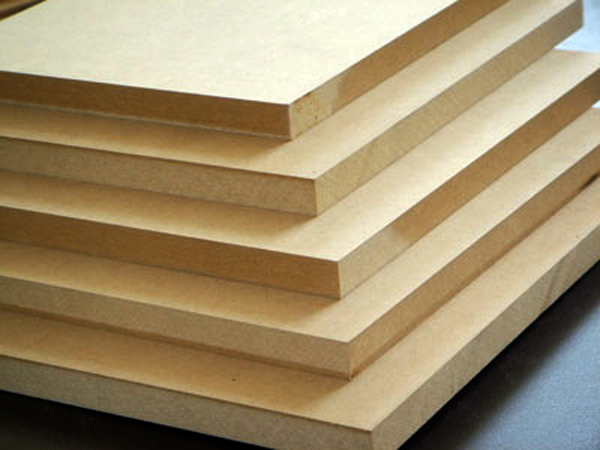
MDF stands for Medium-Density Fiberboard. It is made from wood fibers. These fibers are mixed with wax and resin. The mix is then pressed into boards. Wood fibers come from recycled wood. This helps reduce waste. Using recycled wood is more sustainable.
The process starts with breaking down wood. Small wood pieces are turned into fibers. These fibers are then dried. Dry fibers are mixed with glue. The mix is formed into sheets. Sheets are then pressed with heat. This makes them strong and flat. Finally, sheets are cooled and cut. This process uses less energy than making solid wood. It is more eco-friendly.
Environmental Concerns
MDF uses wood fibers. Trees are cut for these fibers. This can lead to less trees. Forests shrink due to this. Animals lose their homes. Biodiversity drops when forests disappear. Less trees mean less oxygen. Air quality worsens without trees. Companies often plant new trees. This helps, but takes time.
MDF is made using chemicals. Formaldehyde is common in MDF. This chemical can be harmful. Air pollution can rise due to these chemicals. Workers are often exposed. Health risks increase for workers. Proper ventilation helps reduce risks. Safer alternatives are being explored. Some MDF products use less formaldehyde. This makes them safer for homes.
MDF Lifecycle
MDF, or Medium Density Fiberboard, is known for its strength. It can last for many years if kept dry. Moisture can damage it. That’s why it’s often used indoors. MDF is made from wood fibers and glue. This makes it stronger than regular wood. It doesn’t bend easily. It also resists warping. This makes MDF a good choice for furniture. You can paint or finish it easily. Just be careful with water. Keep it dry for long life.
Recycling MDF is tricky. It’s made with glue, which is hard to separate. Few places accept it for recycling. Instead, it often ends up in landfills. Some companies are working on better ways to recycle it. Disposal is another issue. Burning it can release harmful gases. It’s best to find ways to reuse it. Or try to give it a new life as something else. Always check with local waste services for the best options.
Comparing MDF To Other Materials
MDF stands for Medium-Density Fiberboard. It is a popular wood alternative. It is made from wood fibers. People use it for furniture and cabinets. MDF is cheaper than solid wood. It is also smooth and easy to paint.
Plywood is another alternative. It is made by gluing wood layers. It is stronger than MDF. But, it can be more expensive. Plywood is often used for floors and walls.
Particle board is another composite. It is made from wood chips. It is less dense than MDF. It is also cheaper. Particle board is used for flat-pack furniture.
OSB stands for Oriented Strand Board. It is made from wood strands. OSB is strong and used in building. It is heavier than MDF.
Innovations In MDF Sustainability
Exploring MDF sustainability reveals exciting innovations. Enhanced production methods reduce waste and energy use. Eco-friendly adhesives and recycled materials boost its environmental profile. With these advances, MDF becomes a more sustainable choice for green building projects.
Eco-friendly Production Methods
MDF, or Medium-Density Fibreboard, is made from wood fibers. It’s important to make MDF in an eco-friendly way. Factories now use less energy to make MDF. They use clean energy like wind or solar power. This helps the planet. Less waste is created too. Factories recycle leftover wood fibers. They make new boards from them. It’s smart and saves resources.
Sustainable Sourcing
To keep forests safe, MDF makers use sustainable wood. They choose wood from forests that are replanted. This means new trees grow after old ones are cut. It’s good for nature. Some factories use wood from old furniture. This helps reduce waste. Reusing wood is smart. It saves trees. It’s better for the earth.
Consumer Choices And Impact
People today want to make better choices for the planet. Buying sustainable products helps the Earth stay healthy. MDF, or medium-density fiberboard, is often used in furniture. It is made from wood fibers and glue. This process reuses waste wood, which is good. But, the glue can contain chemicals. Some chemicals are not safe for the environment. Choosing sustainable MDF is important. Look for products marked as low in harmful chemicals. This helps keep the air and water clean. Every small choice makes a difference.
Certifications help people buy safe and eco-friendly products. They show which items are better for the planet. Look for labels like FSC or CARB. These labels mean the product meets strict standards. FSC ensures the wood is from well-managed forests. CARB checks for low chemical emissions. These labels make it easier to choose green products. Always check for these signs on MDF items. It helps in making smart and sustainable choices.
Credit: ecofriend.com
Frequently Asked Questions
Is MDF More Environmentally Friendly?
MDF is made from recycled wood fibers, reducing waste. It uses formaldehyde-free binders, making it more eco-friendly. Sustainable sourcing of raw materials further enhances its environmental benefits. Always verify certifications for sustainable manufacturing practices when choosing MDF products.
What Are The Disadvantages Of MDF?
MDF is less durable than solid wood and can swell with moisture. It lacks natural wood grain appeal. It’s heavy and can release formaldehyde, posing health concerns. MDF also struggles with holding screws compared to plywood.
Is MDF 100% Recyclable?
MDF is not 100% recyclable. It contains adhesives and resins that complicate the recycling process. Some facilities can recycle MDF into lower-quality products, but complete recycling is challenging. Opting for sustainable alternatives helps reduce environmental impact. Always check local recycling options for MDF disposal.
What Is The Co2 Footprint Of MDF?
MDF typically has a CO2 footprint ranging from 700 to 1,100 kg per cubic meter. It depends on factors like production methods and transportation. Using recycled wood can reduce the carbon footprint. Opt for sustainable practices to minimize environmental impact.
Conclusion
MDF offers both benefits and challenges for sustainability. It’s made from wood fibers and resin, reducing waste. But, its production involves chemicals, impacting the environment. Choosing MDF depends on your priorities: cost, durability, or environmental impact. Look for eco-friendly certifications.
These can guide your decision. Always consider the full lifecycle of materials. This helps in making informed choices. Sustainable practices improve over time. Being aware of these changes supports better decisions. Remember, small steps lead to big impacts. Choose wisely to support sustainability efforts.
Your choice matters in shaping a greener future.