Is Polyurethane Oil Based? Understanding Its Composition
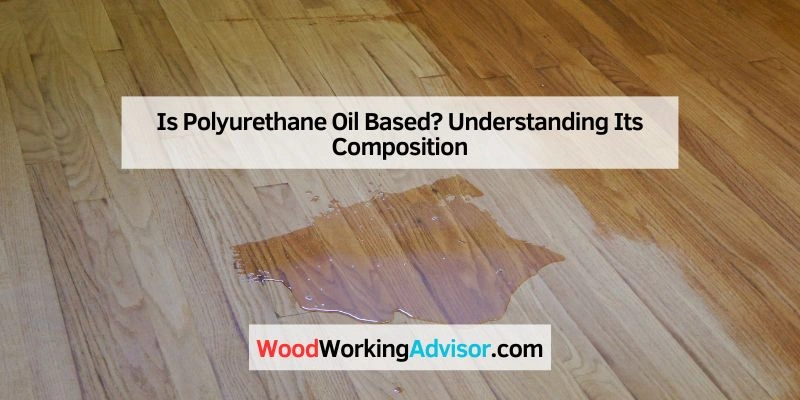
Yes, polyurethane can be oil-based. This type of finish is popular in woodworking.
Polyurethane is a versatile finish used to protect and enhance wood. It comes in two main types: oil-based and water-based. Oil-based polyurethane provides a warm, amber glow and deepens the natural color of wood. It is durable and resistant to scratches and chemicals.
Many woodworkers prefer it for its rich finish and robust protection. Understanding whether polyurethane is oil-based can help you choose the right product for your project. This blog will explore the characteristics of oil-based polyurethane, its advantages, and when to use it. Dive in to learn more about this popular wood finish.
Polyurethane Basics
Polyurethane is a versatile material used in many industries. It is known for its durability and flexibility. This makes it ideal for various applications. But, what exactly is polyurethane? And where is it commonly used? Let’s dive into the details.
What Is Polyurethane?
Polyurethane is a polymer composed of organic units. These units are joined by carbamate links. This material can be either rigid or flexible. It is created through a chemical reaction between diisocyanates and polyols. The resulting product is strong and resistant to wear. Polyurethane can be found in many forms, including foams, coatings, and adhesives.
Common Uses
Polyurethane is used in a wide range of products. In the furniture industry, it is used in cushions and mattresses. This provides comfort and support. In the automotive industry, polyurethane is used in car seats and dashboards. It helps reduce noise and vibration. In construction, polyurethane is used in insulation materials. This helps improve energy efficiency in buildings.
It is also used in the production of coatings and sealants. These protect surfaces from damage and extend their lifespan. Polyurethane is even used in footwear. It provides a combination of comfort and durability. This material’s versatility makes it a popular choice across various industries.
Types Of Polyurethane
Polyurethane is a versatile finish that protects and enhances the beauty of wood surfaces. Whether you’re refinishing a beloved antique, protecting your hardwood floors, or giving your new furniture a durable finish, understanding the different types of polyurethane can help you make the right choice. Let’s dive into the two main types: Oil-Based Polyurethane and Water-Based Polyurethane.
Oil-based Polyurethane
Oil-based polyurethane has been a go-to choice for many woodworkers and homeowners for years. It’s known for its durability and rich, warm finish that brings out the natural beauty of the wood. Here are some key points about oil-based polyurethane:
- Durability: Oil-based polyurethane provides a hard, resilient finish that can withstand heavy traffic and wear.
- Appearance: This type of polyurethane gives wood a deep, amber hue, which enhances the grain and adds warmth to the wood’s appearance.
- Application: It’s relatively easy to apply and has a longer drying time, which can be beneficial for achieving a smooth finish. However, it does have a strong odor and requires mineral spirits for cleanup.
- Maintenance: Once applied, oil-based polyurethane is easy to maintain and clean.
For those who appreciate a traditional look with robust protection, oil-based polyurethane is an excellent choice.
Water-based Polyurethane
Water-based polyurethane has become increasingly popular due to its lower environmental impact and ease of use. It offers a clear finish and is a great alternative to oil-based options. Here’s what you need to know:
- Durability: While it may not be as tough as its oil-based counterpart, water-based polyurethane still provides significant protection against wear and tear.
- Appearance: This type of polyurethane dries clear and maintains the natural color of the wood, making it ideal for lighter woods or when you want to preserve the original look.
- Application: It dries quickly, which can be a pro or con depending on your project. The quick drying time allows for multiple coats in a day but requires swift and even application to avoid lap marks.
- Cleanup: One of the biggest advantages is that it cleans up easily with soap and water, and it has a much milder odor compared to oil-based options.
Water-based polyurethane is perfect for those who want a clear finish and are looking for a more environmentally friendly option.
Whether you choose oil-based or water-based polyurethane depends on your specific needs and preferences. Both types offer excellent protection and can enhance the beauty of your wood surfaces. So, what will it be? The traditional warmth of oil-based or the clear, eco-friendly finish of water-based? The choice is yours!
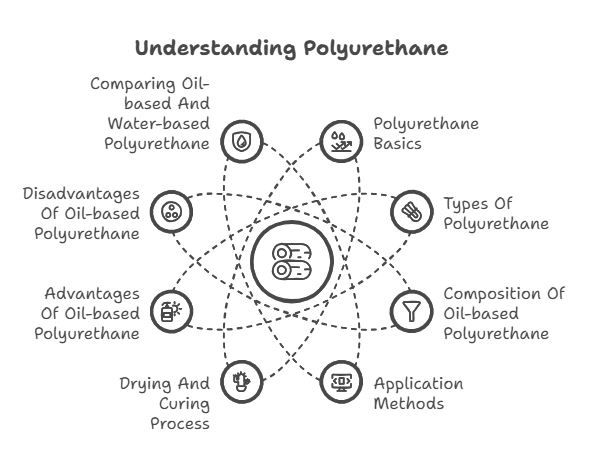
Composition Of Oil-based Polyurethane
Understanding the composition of oil-based polyurethane helps in knowing its benefits. This type of polyurethane is widely used in wood finishing and furniture. It provides a durable, glossy finish. It is essential to know what goes into making oil-based polyurethane.
Key Ingredients
Oil-based polyurethane has several key ingredients. The main one is alkyd resin. This resin comes from polyester and is modified with vegetable oil. Another important ingredient is polyurethane resin. This resin adds strength and flexibility.
Solvents are also used in oil-based polyurethane. These solvents help in thinning the mixture. They make the application process smoother. Mineral spirits are the most common solvent used. Additionally, drying agents are added. They help the polyurethane dry faster.
Chemical Properties
Oil-based polyurethane has unique chemical properties. It has a high level of durability. This makes it resistant to scratches and water. It also provides a hard finish that lasts long. This finish is glossy and enhances the wood’s appearance.
The chemical structure of oil-based polyurethane includes long polymer chains. These chains give the finish its strength. It can withstand wear and tear. The presence of oil in the composition provides a smooth application. It also helps in achieving a rich, warm finish.
Another property is its drying process. Oil-based polyurethane dries through a process called oxidation. This means it reacts with oxygen in the air to harden. This process takes longer but results in a tougher finish.
Application Methods
When it comes to applying polyurethane, especially oil-based polyurethane, you have several methods at your disposal. The two most common techniques are brushing and spraying. Each method has its own set of advantages and can influence the final look and durability of your project. Let’s dive into each method in more detail.
Brushing
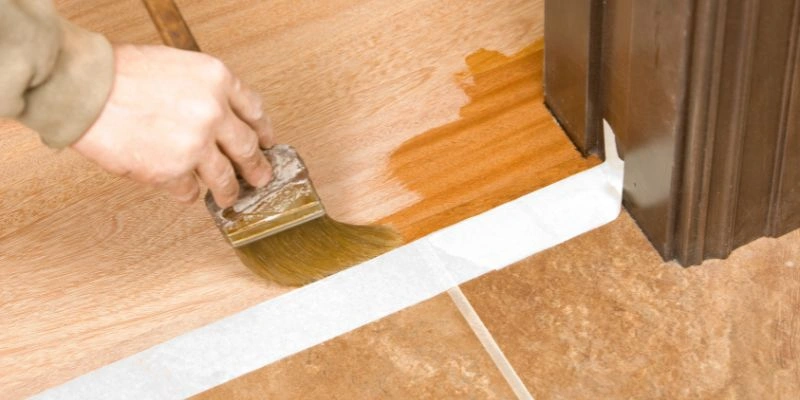
Applying polyurethane with a brush is a classic method. This technique is straightforward and doesn’t require any fancy equipment. Here’s how you can do it:
- Choose the right brush. A high-quality, natural-bristle brush works best for oil-based polyurethane.
- Before you start, stir the polyurethane gently. Avoid shaking it, as this can create bubbles.
- Dip the brush into the polyurethane. Don’t overload the brush; just a third of the bristles should be covered.
- Apply the polyurethane in long, even strokes. Brush with the grain of the wood for the best finish.
- After applying a coat, let it dry completely. This usually takes about 24 hours.
- Sand lightly between coats with fine-grit sandpaper, then wipe clean before applying the next coat.
Brushing is great for smaller projects or areas where you need precise control. However, it can be time-consuming, and you might notice brush marks if not done carefully.
Spraying
If you’re working on a larger project or aiming for a super smooth finish, spraying might be the way to go. Here’s what you need to know:
- You’ll need a spray gun and an air compressor. While this setup requires an initial investment, it can save time in the long run.
- Thin the polyurethane according to the manufacturer’s instructions to ensure it sprays evenly.
- Practice spraying on a piece of cardboard first to get a feel for the gun and the spray pattern.
- Hold the spray gun about 6-12 inches from the surface and move it in steady, overlapping strokes.
- Apply thin coats to avoid drips and runs. Patience is key here; multiple thin coats are better than a thick, messy one.
- Allow each coat to dry thoroughly before sanding lightly and applying the next coat.
Spraying can give you a beautiful, even finish with minimal effort. However, it does require a bit more setup and cleanup time. Plus, you’ll need a well-ventilated area to work in, as the fumes from oil-based polyurethane can be quite strong.
Whichever method you choose, the key to a great finish is patience and attention to detail. Don’t rush the process, and you’ll be rewarded with a stunning, durable finish that highlights the beauty of your woodwork.
Drying And Curing Process
When working with polyurethane, understanding the drying and curing process is essential. This ensures that your project not only looks good but is also durable. Polyurethane, especially the oil-based kind, has specific drying and curing times that must be followed for optimal results. Let’s break down these processes in detail.
Drying Time
Oil-based polyurethane is known for its robust finish, but patience is key. The drying time can vary depending on several factors such as temperature, humidity, and the thickness of the application. Generally, it takes about 24 hours for the first coat to dry. This might seem long, but it’s crucial not to rush it. A quick tip: Ensure the room is well-ventilated to speed up the drying process.
| Condition | Drying Time |
|---|---|
| Normal Room Temperature (65-75°F) | 24 hours |
| High Humidity | 36-48 hours |
| Low Temperature | Up to 48 hours |
One thing to remember is that the drying time is only the beginning. While the surface may feel dry to the touch, it’s far from being fully cured.
Curing Time
Now, onto curing time. This is where the magic happens, and the polyurethane hardens completely. For oil-based polyurethane, the curing process can take up to 30 days. Yes, you read that right—30 days! But don’t worry, you don’t have to wait a month to use your project. Light use can typically begin after 48-72 hours.
- For the first week, avoid heavy usage.
- After two weeks, you can start using it more regularly.
- By the end of the month, it should be fully cured and ready for anything.
Here’s a little personal anecdote: I once rushed a project and didn’t let the polyurethane cure properly. The result? A beautiful table that scratched easily and needed refinishing within a year. Lesson learned: always let it cure!
In conclusion, while waiting for polyurethane to dry and cure might seem tedious, it’s a vital step in ensuring a long-lasting, beautiful finish. So, put on your favorite show, take a deep breath, and let time do its work.
Advantages Of Oil-based Polyurethane
Choosing the right finish for your wood projects can be a bit overwhelming, especially with so many options out there. One popular choice is oil-based polyurethane. So, what makes it so special? Let’s dive into the advantages of oil-based polyurethane and find out why it might be the perfect choice for your next project.
Durability
Oil-based polyurethane is known for its exceptional durability. This finish creates a hard, protective layer that withstands heavy use and wear. Imagine a busy kitchen floor or a well-trodden staircase. These surfaces need to endure a lot, right? Oil-based polyurethane is tough enough to handle these high-traffic areas without wearing down quickly.
- Long-lasting protection: Once dried, it forms a strong barrier against scratches and dents.
- Resistant to chemicals: It can handle spills and cleaners, making maintenance a breeze.
- Great for outdoor use: It protects wood from the elements, such as sun, rain, and temperature changes.
Finish Quality
The finish quality of oil-based polyurethane is another reason why it’s a favorite among woodworkers. It provides a rich, warm hue that enhances the natural beauty of the wood. Imagine your wooden dining table gleaming with a lovely, glossy finish – that’s what oil-based polyurethane can do.
- Deep, lustrous shine: The oil in the polyurethane gives the wood a depth that water-based finishes often can’t match.
- Enhanced color: It darkens the wood slightly, bringing out the natural grain patterns.
- Smooth finish: With careful application, it can result in a smooth, even coat that feels great to the touch.
So, if you’re looking for a durable and beautiful finish for your wooden projects, oil-based polyurethane might just be the best option. It’s a classic choice for a reason, offering both protection and aesthetic appeal. Give it a try and see the difference it can make!
Disadvantages Of Oil-based Polyurethane
Oil-based polyurethane is popular for its durability and rich finish. Despite these benefits, it has several disadvantages. These drawbacks may affect your decision to use it for your projects.
Longer Drying Time
Oil-based polyurethane takes longer to dry. This means more waiting between coats. It also means a longer total project time. This can be frustrating if you are on a tight schedule.
Odor And Vocs
Oil-based polyurethane has a strong odor. This can be unpleasant during application. It also releases volatile organic compounds (VOCs). These are harmful to health and the environment. Proper ventilation is a must during use.
Comparing Oil-based And Water-based Polyurethane
Polyurethane is a popular finish for wooden surfaces. There are two main types: oil-based and water-based polyurethane. Each has its advantages and disadvantages. Understanding the differences can help you choose the right one for your project.
Performance Differences
Oil-based polyurethane offers a rich, warm finish. It enhances the wood grain and creates a glossy look. It is durable and resistant to wear and tear. This makes it a good choice for high-traffic areas.
Water-based polyurethane, on the other hand, dries faster. It has a clear finish that does not yellow over time. This makes it ideal for light-colored woods. It is less durable than oil-based, but still offers good protection.
Environmental Impact
Oil-based polyurethane has a strong odor. It emits higher levels of volatile organic compounds (VOCs). This can be harmful to health and the environment. Proper ventilation is necessary during application.
Water-based polyurethane emits fewer VOCs. It has a milder odor and is easier to clean up. This makes it a more eco-friendly option. It is safer for indoor use, especially in homes with children and pets.
Frequently Asked Questions
How To Tell If Polyurethane Is Oil Or Water Based?
Check the label for “oil-based” or “water-based. ” Oil-based polyurethanes have a strong odor, longer drying times, and amber tint. Water-based ones dry clear, have less odor, and faster drying times.
What Is The Downside Of Oil Based Polyurethane?
Oil-based polyurethane has a strong odor and longer drying time. It can yellow over time and is difficult to clean up.
What Is The Downside Of Water-based Polyurethane?
Water-based polyurethane can be less durable than oil-based options. It may require more coats for adequate protection. It can also raise the wood grain, needing extra sanding.
Is There A Water-based Polyurethane?
Yes, there is water-based polyurethane. It offers a clear, durable finish and is easy to clean up.
Conclusion
Polyurethane can be oil-based, offering durability and a smooth finish. It’s a popular choice for wood projects due to its protection. Consider the type of wood and the desired look before choosing. Oil-based options are great for rich, warm tones.
Always follow safety guidelines when applying. This ensures a beautiful and long-lasting result. Whether for floors, furniture, or crafts, polyurethane delivers strong performance. Choose wisely and enjoy your projects.