Best Wood to Make a Door: Types, Species & Buying Guide
The best wood to make a door is a dense hardwood — mahogany or white oak for exterior doors, and oak, cherry, or walnut for interior ones. Douglas fir is a strong mid-range pick, while pine is budget-friendly but warps outdoors without a good finish and an overhang. This guide compares the top door woods, solid versus engineered options, and the tools you need to build one.
Some links below are affiliate links; we may earn a small commission at no extra cost to you. We only recommend products worth using.
Quick Answer
For an exterior front door, mahogany and white oak are the gold standard — dense, with natural rot and insect resistance. For interior doors, oak, cherry, walnut, and Douglas fir look great and stay stable. Pine works on a budget if finished well. Always match the wood to interior versus exterior use and your climate.
Best Wood Species for Making a Door
Best Door-Building Kit Pick
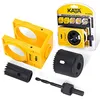
KATA Door Lock Installation Kit (1-3/8″ to 1-3/4″ Doors)
A hole-saw and chisel kit for boring clean, accurate lockset holes when building or hanging a wood door.
- Best for: Boring lockset and latch holes in a new solid-wood door
- Why we picked it: Sized for standard doors with a guide for accurate, splinter-free bores
- Main drawback: Handles lock holes only — hinges are mortised separately
Compare more door-building essentials
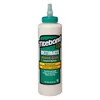 Option 1 Titebond III Ultimate Wood Glue
|
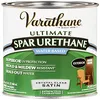 Option 2 Varathane Ultimate Spar Urethane
|
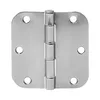 Option 3 Amazon Basics 3.5″ Door Hinges
|
As an Amazon Associate we earn from qualifying purchases.
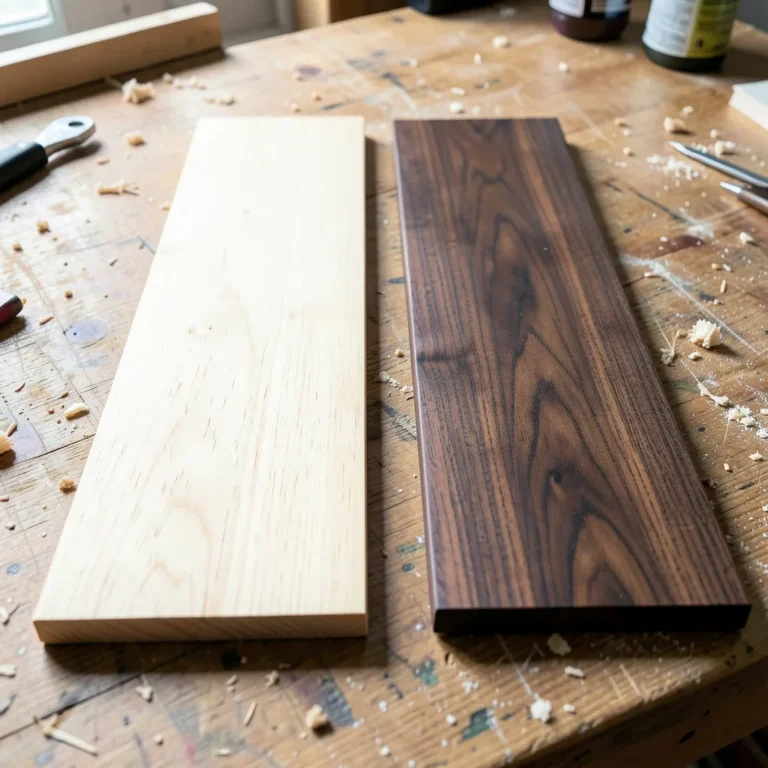
Mahogany is the gold standard for premium and exterior doors. Its high density and natural oils resist moisture, rot, and insects, and its deep reddish-brown grain gives a classic, upscale look. White oak is a close second for exterior use — its closed-cell grain blocks water and resists decay far better than porous red oak, and it shrugs off dents in high-traffic areas.
Douglas fir is the practical mid-range answer: a straight, stiff vertical grain keeps large door panels square, and it is lighter than dense hardwoods. Cherry and walnut are prized for interior doors where rich color and elegant grain matter most. Pine is the budget choice — cheap and easy to work — but it must be well finished and sheltered under an overhang outdoors, or it will warp and decay. Cedar is a good lightweight exterior option in wet climates thanks to its natural rot resistance.
| Wood | Type | Best For | Key Trait |
|---|---|---|---|
| Mahogany | Hardwood | Premium exterior/front doors | Natural oils resist rot & insects |
| White Oak | Hardwood | Exterior & high-traffic interior | Closed-cell grain blocks water |
| Douglas Fir | Softwood | Mid-range interior & exterior | Straight, stiff grain stays square |
| Cherry / Walnut | Hardwood | Premium interior doors | Rich color, elegant grain |
| Pine | Softwood | Budget / protected exterior | Cheap, easy to work; needs finish |
| Cedar | Softwood | Exterior in wet climates | Naturally rot/insect resistant |
Solid Wood vs Engineered Options
Solid hardwood delivers the best durability, sound insulation, and repairability, which is why it is the top choice for front doors and high-end interior doors. A solid-core or engineered door — a stable inner core wrapped in a wood veneer — resists warping better in humid areas and costs less, making it a smart pick for many interior openings. Hollow-core doors are the cheapest but offer little insulation or security and are best kept to low-traffic interior spots.
Interior vs Exterior: Choosing the Right Wood
Exterior doors face sun, rain, and temperature swings, so they need dense, weather-resistant species like mahogany, white oak, or Douglas fir, plus a durable finish. Interior doors prioritize appearance, sound control, and stability, where oak, cherry, walnut, and fir all excel. Whatever species you choose, check the correct rough opening before building, and consider the surrounding trim — our guide to the best wood for door casing helps you match the frame to the door.
Tools and Materials to Build a Wood Door
Building a wood door takes accurate joinery and the right hardware. You will need waterproof wood glue for the panel glue-up, a lockset boring kit, hinges, and a protective finish. For the full step-by-step process, see our guide on how to make a wooden door with simple tools, and review the difference between wood finishes before sealing it. To compare species further, our complete types of wood guide breaks down strength and workability.
Frequently Asked Questions
What Is The Best Wood To Make A Door?
For exterior doors, mahogany and white oak are best because they are dense and naturally resist rot and insects. For interior doors, oak, cherry, walnut, and Douglas fir offer strength and beauty. Match the wood to the door’s location and your climate.
What Is The Best Wood For An Exterior Front Door?
Honduran or Sapele mahogany is the top choice for an exterior front door thanks to its density, natural oils, and dimensional stability. White oak is an excellent alternative, and Douglas fir is a strong mid-range option that stays square in large door frames.
Is Solid Wood Or Engineered Wood Better For Doors?
Solid hardwood offers the best durability, sound insulation, and repairability, making it ideal for front and high-end interior doors. Engineered wood or a solid-core door with a veneer resists warping better in humid areas and costs less, which suits many interior applications.
How Thick Should A Wood Door Be?
Standard interior doors are 1-3/8 inches thick, while exterior doors are 1-3/4 inches for added strength and security. Thicker slabs improve insulation and sound control but need heavier ball-bearing hinges to hang correctly.
Does A Wood Door Need To Be Sealed?
Yes. Both interior and exterior wood doors should be sealed on all six sides — including the top and bottom edges — with a quality finish such as spar urethane. Sealing every surface prevents moisture from entering and causing the door to warp or swell.
Conclusion
The best wood to make a door comes down to where it goes: choose mahogany or white oak for exterior and front doors, oak, cherry, or walnut for premium interior doors, and Douglas fir or pine when budget matters. Whichever you pick, seal all six sides and use quality hardware so your door stays strong, square, and beautiful for decades.
Sponsored / affiliate links. As an Amazon Associate I earn from qualifying purchases. I may earn additional commission from eligible campaigns.