Is PVA Glue Waterproof? Only Type III Formulas Like Titebond III Are
Regular PVA wood glue (the standard white or yellow glue) is not waterproof — it is water-resistant at best and will soften and let go under sustained moisture. Only a cross-linking PVA formula labeled Type III, like Titebond III, is actually rated waterproof and safe for outdoor joints or anything that gets repeatedly wet.
The short answer is no, PVA glue is not waterproof. It can resist water to a certain extent, but it is not suitable for prolonged exposure to moisture. PVA glue is commonly used in crafts, woodworking, and paper projects. Its ease of use and strong bonding properties make it a favorite.
Despite its many benefits, understanding its limitations is crucial. For projects exposed to water, choosing the right adhesive is essential. In this blog, we’ll explore why PVA glue isn’t waterproof and what alternatives you can consider. Let’s dive into the specifics to help you make an informed choice for your next project.
What PVA Glue Actually Is
Only Wood Glue Rated Truly Waterproof
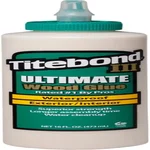 |
Titebond III Ultimate Wood Glue, 16 oz – $10.97 If a project needs to survive rain or standing water, this is the PVA formula that’s actually cross-linked and tested to full waterproof spec, not just water-resistant.
|
PVA stands for polyvinyl acetate — a synthetic polymer that’s suspended as tiny droplets in water, which is what gives wood glue and school glue their milky look before they dry. Elmer’s Glue-All and Elmer’s School Glue are both PVA, and so is every “yellow glue” or “white glue” on a hardware store shelf, including Titebond Original, Titebond II, and Gorilla Wood Glue. What separates a $4 bottle of school glue from a $11 bottle of Titebond III isn’t the base chemistry — it’s the additives and cross-linking agents blended into the woodworking versions, which is exactly what pushes Titebond III into full Type I waterproof territory while Elmer’s stays strictly indoor-only.
As the glue cures, the water in that emulsion evaporates and soaks into the surrounding wood fibers, leaving behind a thin, flexible film of solid polyvinyl acetate that mechanically locks into the wood’s pores. That’s a good bond for most furniture and joinery — PVA glue lines are frequently stronger than the wood itself in a properly clamped joint — but it also means the cured glue is a thermoplastic, not a thermoset. It never fully hardens into a rigid, chemically cross-linked structure the way epoxy does, and that single fact explains almost everything about how it fails in water.
Why Water Breaks a PVA Bond
Because standard PVA never cross-links, its dried film stays slightly hygroscopic — it can reabsorb moisture from the air or from direct contact with water. Once enough water re-enters that film, the polymer softens and becomes plasticized again, almost like it’s partially reverting toward its original wet state. A joint that felt rock-solid when dry can noticeably flex or separate after a soaking rain, and it usually doesn’t recover its full strength even after it dries back out, because the wood fibers around the glue line have swollen and shrunk unevenly in the process.
There’s a second failure mode that matters even without a soaking: cold creep. A standard PVA joint under sustained clamping load or shelf weight — a bookshelf bracket, a chair joint, a glued miter under spring tension — can slowly deform over months or years, especially in a humid garage or basement, because the thermoplastic glue line behaves a bit like cold taffy under constant stress. Cross-linked formulas like Titebond II and III resist creep far better than Titebond Original for exactly this reason, which is part of why manufacturers push woodworkers toward the cross-linked versions for anything structural, wet or not.
The Type I, II, and III Classification Most Guides Skip
Wood glue water resistance is actually a graded classification, not a yes-or-no property. Type I is fully waterproof and rated for continuous outdoor exposure — think marine and exterior-grade adhesives. Type II is water-resistant, meaning it survives occasional dampness (a covered porch table) but not submersion or constant weather. Type III sits between the two for most cross-linked PVA formulas, but Titebond specifically engineered its Type III to meet full Type I waterproof performance while keeping PVA’s easy water cleanup and long open time. That’s why “PVA” and “waterproof” can both be true or false depending on which specific bottle is in your hand — always check the label for the ANSI/HPVA type rating rather than assuming from the glue color.
The ratings trace back to ANSI/HPVA Type I and Type II test methods (built on the older ASTM D1151 standard for the effect of moisture on adhesive bonds), which put glued test specimens through repeated cycles of boiling water, drying, and re-testing bond strength. Type I adhesives have to survive a three-cycle boil test — boiled, dried, boiled again, dried again, boiled a third time — and still hold most of their shear strength afterward. Type II only has to survive a milder soak-and-dry cycle. Titebond III is the wood-glue industry’s standard reference for passing the harder boil test while still being water-cleanup PVA, which is why it shows up as the go-to recommendation for outdoor furniture, cutting boards, and boat trim rather than epoxy or polyurethane in cases where PVA’s working time and gap-filling are still preferred.
Comparing PVA With Epoxy and Polyurethane
Epoxy is a two-part adhesive — a resin and a hardener that chemically react and cure into a rigid thermoset, with no water involved in the reaction at all. That’s why epoxy (brands like West System and System Three are the marine-industry standards) is fully waterproof by design rather than by a special additive, and why boatbuilders trust it for below-the-waterline joints that PVA, even Type III, was never engineered to handle. Epoxy also gap-fills far better than any PVA glue, which matters on rougher joints, but it costs more per ounce, needs accurate mixing, and doesn’t clean up with water once it starts curing.
Polyurethane glue (Gorilla Glue in its original formula is the best-known example) cures through a completely different mechanism: it reacts with moisture in the air and in the wood itself, which is what makes it foam and expand as it sets. That expansion fills small gaps and the cured glue is genuinely waterproof, but it’s messier to apply, needs the wood dampened slightly before gluing for a full cure, and the foam squeeze-out has to be scraped or planed off — it doesn’t sand or clean up as easily as PVA squeeze-out does. For most furniture-grade joinery that just needs to survive humidity or occasional rain, Titebond III still wins on ease of use; for structural marine work or joints that will sit in standing water, epoxy is the more reliable choice.
Can You Make Regular PVA Glue More Water-Resistant?
Not by mixing something into the bottle — there’s no reliable additive a home woodworker can stir into standard Titebond Original or Elmer’s to push it up to Type I performance, and claims about adding silicone or acrylic to the glue itself are more folklore than practice. What actually works is protecting the finished joint from direct water contact after the glue has cured: sealing the whole assembly with an exterior-grade spar varnish, marine epoxy coating, or a quality outdoor polyurethane finish keeps liquid water off the glue line even though it doesn’t change the PVA’s own chemistry. That approach can meaningfully extend the life of a PVA-glued outdoor piece, but it only protects what the sealant actually covers — any exposed edge, end-grain gap, or worn-through finish becomes the weak point again.
If a project is going to be rained on repeatedly, sit outdoors year-round, or touch standing water — a cutting board, a planter, deck furniture, a boat part — the more reliable fix is simply starting with the right adhesive rather than trying to weatherproof the wrong one after the fact. Titebond III, a two-part epoxy, or genuine polyurethane glue are all designed for that job from the start; standard yellow PVA was never meant to be.
Weighing PVA’s Strengths Against Its Limits
PVA glue earns its popularity honestly: it’s inexpensive, non-toxic enough for classroom use, cleans up with plain water while wet, dries clear or pale yellow, and creates a bond on interior wood, paper, and cloth that regularly outperforms the wood itself. The tradeoff is exactly the water sensitivity covered above, plus a real cure-time commitment — most PVA formulas need 20–30 minutes of clamp pressure and a full 24 hours before the joint should be put under load, and none of the standard formulas bond well to bare metal, glass, or oily/exotic hardwoods like teak without extra prep. For indoor furniture, cabinetry, and general joinery, those tradeoffs are easy to live with; for anything headed outdoors, they’re the reason to reach for Titebond III or a different adhesive family entirely.
Frequently Asked Questions
Is PVA Glue Water-Resistant?
Standard PVA glue is water-resistant, not waterproof — it can handle brief dampness or high humidity but will soften and lose strength under sustained moisture or submersion. Cross-linked Type III formulas like Titebond III are the exception, rated fully waterproof.
Can PVA Glue Withstand Rain?
Standard (Type I/II) PVA cannot reliably withstand repeated rain exposure and is best kept to indoor projects. A Type III PVA like Titebond III, or a sealed epoxy/polyurethane joint, is built for that exposure.
What Happens If PVA Glue Gets Wet?
Water re-plasticizes the cured PVA film, causing it to soften, lose grip, and sometimes separate at the glue line. The joint often stays weaker than before even after it dries back out, because the wood fibers around it have swollen and shrunk unevenly.
Is PVA Glue Suitable For Outdoor Use?
Standard PVA is not suitable for outdoor use on its own. Titebond III (Type I waterproof), epoxy, or genuine polyurethane glue are the reliable choices for anything left outside or exposed to standing water.
Conclusion
Standard PVA glue isn’t waterproof because it never fully cross-links — it stays a thermoplastic film that can reabsorb water and soften. Titebond III is the exception that earns a true Type I rating while keeping PVA’s easy cleanup, which is why it’s the pick worth reaching for on any joint headed outdoors or into repeated moisture. For anything else that needs to sit in standing water permanently, epoxy or genuine polyurethane glue is the more reliable call.
Sponsored / affiliate links. As an Amazon Associate I earn from qualifying purchases. I may earn additional commission from eligible campaigns.