White Residue Left by Wood Glue: How to Remove It
Remove white wood-glue residue before staining by matching cleanup to the glue and the finish: scrape or sand fresh PVA, use warm water on uncured PVA, and for cured spots use careful scraping plus sanding to bare clean fibers. Leave it in place and stain will sit off the glue film, so the patch flashes pale or blotchy after finish. This guide shows how to identify the residue, choose the right removal method by glue chemistry and surface type, and avoid finish damage.
What you’ll need
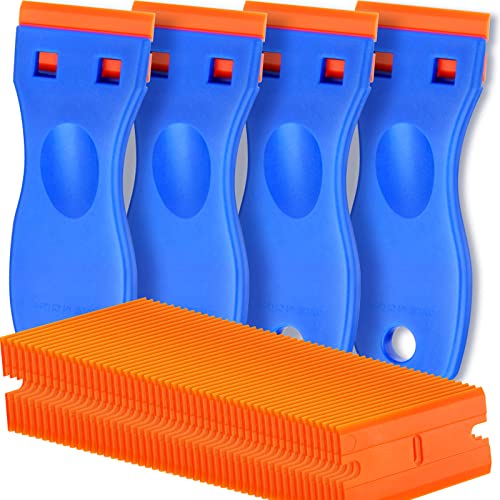


- Plastic scraper or old gift card
- Clean white rags
- Razor blade or metal scraper for hard blobs on suitable surfaces
- White vinegar
- Water in a spray bottle or damp cloth
- Hair dryer on low
- Acetone or nail polish remover for CA glue spot testing
- Sandpaper, including 150 or 180-grit for stubborn residue
- Test scrap or hidden spot for spot testing
- Good lighting and a clean, dry inspection cloth
White residue left by wood glue: what it is and why it matters
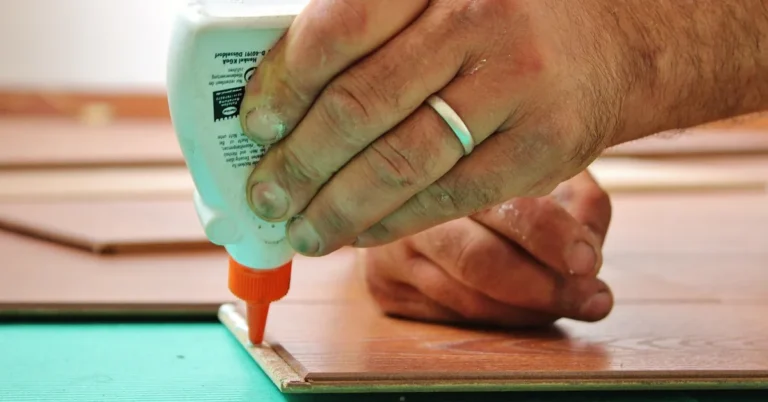
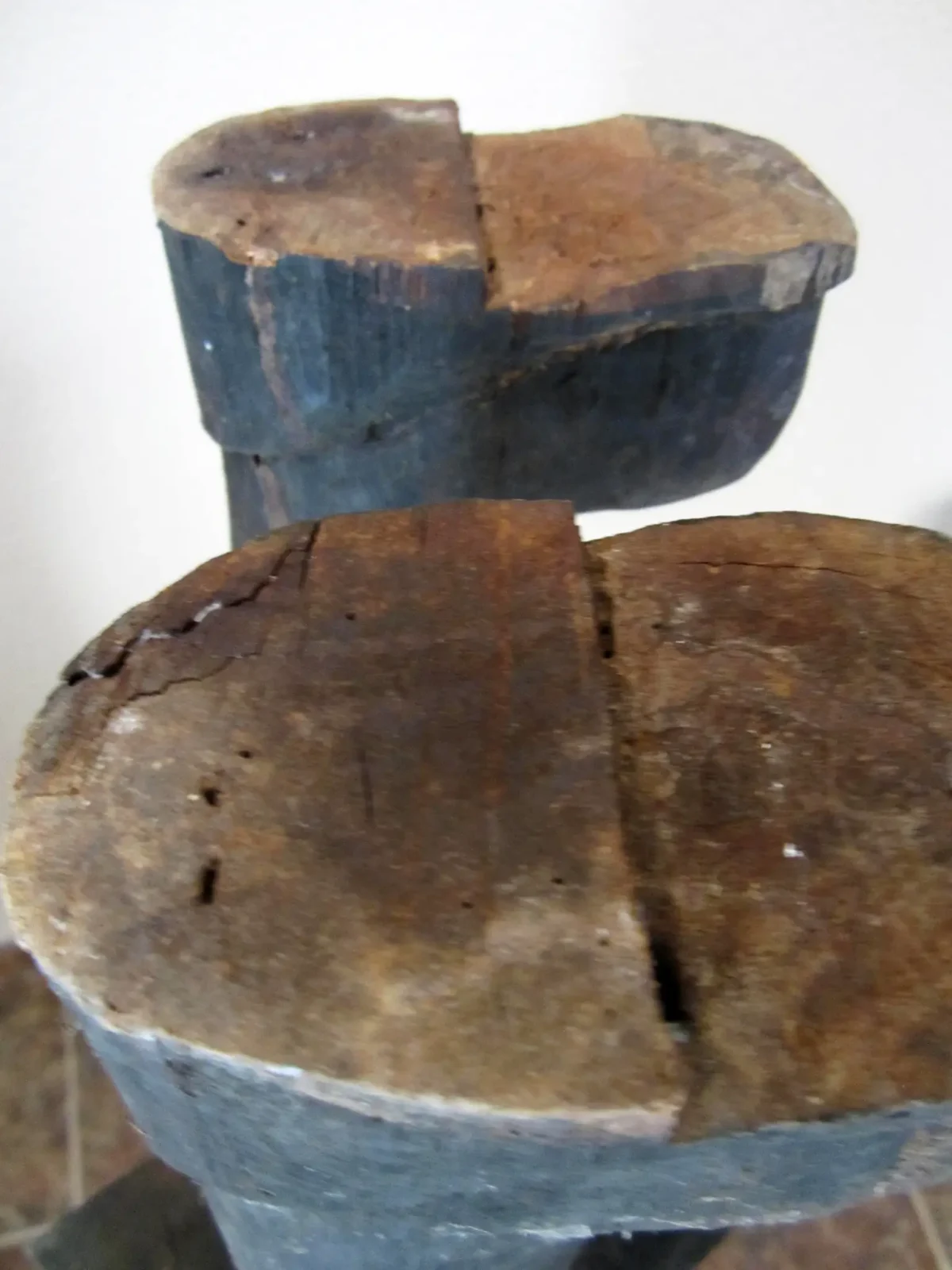
White residue is often cured squeeze-out, a thin glue film, blocked pores, finish haze, or raised grain. Those can look alike from a few feet away, but they behave differently when stain, dye, or topcoat hits the wood.
PVA glue is the most common wood glue type, and it can leave a clear-to-white film that resists stain. Cyanoacrylate cures through a reaction with moisture in the air and wood, so even a tiny haze can be hard and slick. Polyurethane glue expands as it cures and foams into pores and gaps, which makes cleanup tougher. Hide glue responds to heat and moisture and is more reversible than modern synthetics.
Cured squeeze-out versus thin glue film
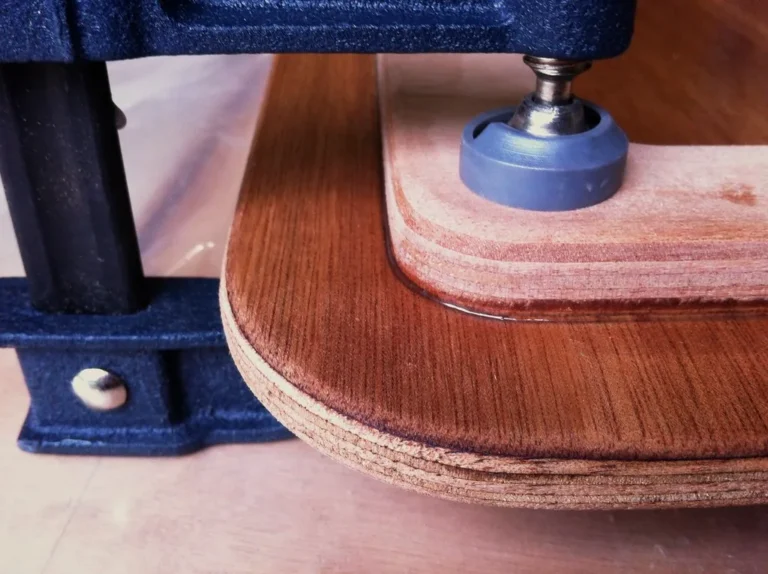
Hard blobs sit above the surface. Thin film hides in the grain, around pores, or across a sanded edge. A blob often pops off with a scraper. A film usually needs a solvent, controlled heat, or sanding after the bulk is removed.
Blocked pores, stain rejection, and finish haze
Invisible residue can still block stain absorption. If stain beads, flashes pale, or dries lighter over one spot, the wood is usually not clean yet. Finish haze can also be glue, but it can also be raised grain or a solvent reaction, so do not assume the first white patch is glue.
Why the same residue behaves differently on finished and unfinished wood
Unfinished wood takes firmer cleanup. Finished wood does not. A solvent that is fine on raw maple can cloud lacquer, soften varnish, or leave a dull spot on paint. Veneer needs extra caution because a hot blade, heavy scrape, or wet rag can cut through fast.
How do you identify the glue before you remove it?
Match the residue to the glue before you choose a solvent or scraper. PVA softens with water or mild heat, CA is hard and brittle, polyurethane is foamed and stubborn, and hide glue softens with heat and moisture. That quick identification usually prevents finish damage.
PVA wood glue residue
PVA residue is the white or yellow woodworking glue left on furniture and joinery. It is common, water-based, and often turns from soft smear to hard film as it cures. If a damp cloth softens it, PVA is likely.
Cyanoacrylate residue
CA glue residue is usually glassy, hard, and brittle. It is often used for small repairs and detail work. Acetone is often used as a solvent for cyanoacrylate, but test a small hidden spot first on finished surfaces.
Polyurethane glue residue
Polyurethane residue expands as it cures and foams into pores and gaps. Once it hardens, it is often the hardest common glue residue to remove. Scraping gets the bulk off first; then the remaining film usually needs patient cleanup.
Hide glue residue
Hide glue is common in antique restoration. It responds to heat and moisture, so a warm, damp cloth can soften it faster than modern synthetics. It is usually more reversible, but old finishes still need testing before any wet method.
Quick visual and touch tests before you reach for a solvent
- Rub the spot with a dry fingertip; a slick, hard patch suggests cured glue.
- Press a barely damp cloth on the edge; softening points toward PVA or hide glue.
- Look for foam or bubbles; that usually points to polyurethane.
- Check for a glossy, glasslike chip; that often points to CA glue.
Use the safest removal method for the surface you have
Start with the least aggressive tool that matches the residue. On finished wood, that usually means a plastic scraper first. On raw wood, a razor blade or metal scraper can be justified for hard blobs if it stays flat. Sanding is the fallback when the residue is bonded into the surface.
- Wipe the area clean and dry so you can see the true residue.
- Use a plastic scraper or old gift card on finished surfaces first.
- If the spot is a hard blob on suitable raw wood, use a razor blade perfectly flat against the surface.
- Stop if the scrape starts cutting fibers, burning through finish, or leaving a shiny smear.
- Move to solvent, heat, or sanding only after the residue type is clear.
When a plastic scraper is the right first move
Plastic scrapers or old gift cards are the first tool I reach for on surface smears. They are safer on finished wood because they are less likely to score the film coat. They work best on glue that is fully hard but still sitting on top of the finish.
When a razor blade or metal scraper is justified
A razor blade should be used perfectly flat against the surface. That is the right move for a hard blob on a suitable flat surface, not for a soft smear on varnish. If the blade lifts at one corner, it can leave scratches that telegraph through stain.
When to stop and switch to sanding
If scraping leaves a shadow, a ridge, or a shiny patch that will not release, sanding becomes the practical next step. Use it when the glue has stained, clogged, or burnished the surface. At that point, the goal is clean fibers, not saving a few minutes.
How do you remove white glue residue from finished wood?
On finished wood, remove the residue by type and test first. Fresh or slightly cured PVA may respond to a damp cloth, white vinegar, or low heat. CA usually needs acetone on a hidden spot first. Foamed polyurethane often needs careful scraping before any solvent cleanup.
- Test the finish in a hidden area with the chosen cleaner.
- For PVA, press a damp cloth or vinegar cloth briefly on the spot.
- For CA, touch a small acetone-dampened swab to the edge only if the finish tolerates it.
- For polyurethane, lift the bulk with a plastic scraper, then clean the film.
- Dry the area and inspect under raking light before sanding or refinishing.
Fresh or slightly cured PVA on a finish
White vinegar is recommended for some excess glue or squeeze-out, and the vinegar method uses a soaked cloth pressed briefly onto the glue. Water can also help if the PVA has not fully hardened. Use small amounts. Avoid flooding the surface, since too much water or solvent can raise grain or cloud some finishes.
CA glue on lacquer, varnish, or painted surfaces
Acetone is listed for cyanoacrylate and epoxy residue, but it can damage lacquer and varnish. Nail polish remover may contain acetone and other additives, so test first. Use a cotton swab, not a soaked rag, and stop if the finish dulls or softens.
Foamed polyurethane glue on a finish
Polyurethane glue residue usually demands patience. Scrape off the foam first, then deal with the residue left in pores or along edges. On finished surfaces, avoid aggressive sanding until the bulk is gone, or you may cut through the finish before the glue is fully removed.
Can white vinegar, water, or heat remove dried wood glue?
Yes, but only for the right glue and the right stage of cure. Water and white vinegar can soften fresh or slightly cured PVA. Low heat can help hide glue and some fresh residue. These methods can also raise grain, cloud a finish, or loosen veneer, so keep them brief and local.
- Apply a damp cloth or vinegar-soaked cloth to the glue, not the whole panel.
- Press briefly, then lift and test with a plastic scraper.
- If heat is needed, use a hair dryer on low in short bursts.
- Stop if the finish turns dull, bubbles, or feels soft.
- Dry the area fully before deciding whether sanding is still needed.
When vinegar or water can soften PVA
Fresh PVA and slightly cured residue respond best. The safest version is small, controlled, and local. Once PVA forms a tough film, water only smears the edge and spreads the mess. That is the point to switch to scraping or sanding.
When heat helps hide glue and fresh residue
Heat treatment is done with a hair dryer set to low. Do not hold the dryer heat longer than 30 seconds at a time. Heat can help hide glue, and it can loosen some fresh residues, but it can also soften veneer glue lines and print through a delicate finish.
When moisture or heat can make the problem worse
If the surface is already finished, moisture may swell fibers and create more sanding work. If the finish is shellac, lacquer, or a soft varnish, heat can mark the film fast. On veneered panels, too much heat can lift an edge before the residue loosens.
Decision table and one-minute pre-refinish check
Use the table to match glue type, finish condition, and residue shape to the safest first move. If the spot still repels water or catches the light after cleanup, it is not ready for stain or topcoat.
| Glue type | Finish type | Residue condition | Safest first method |
|---|---|---|---|
| PVA | Finished wood | Fresh smear | Damp cloth or white vinegar cloth, then plastic scraper |
| PVA | Unfinished wood | Slightly cured film | Plastic scraper, then 150 or 180-grit sanding if needed |
| CA | Lacquer or varnish | Hard haze or speck | Hidden test spot, then tiny acetone swab if finish survives |
| Polyurethane | Finished wood | Foamed blob in pores | Plastic scraper first, then careful cleanup and spot sanding |
| Hide glue | Antique finish | Old, brittle residue | Low heat plus damp cloth, then gentle scraping |
One-minute pre-refinish checklist for stain readiness
- Wipe the area with a clean dry cloth.
- Inspect under raking light for gloss, ridges, or pale halos.
- Drop a little water on the spot and watch for beading or darkening.
- Rub with a clean white cloth; any tacky transfer means more cleanup is needed.
- Sand lightly only if the residue is gone and the surface still looks uneven.
What to do if the surface still repels water or catches the light
If water beads or the light flashes off a glossy patch, keep cleaning. That usually means glue film remains, or the finish has been burnished by scraping. Finish with a very light sand only after the residue is fully gone.
Common mistakes
Most failures come from using too much force too soon. A steep scraper angle scratches finished wood. Flooding the area with solvent spreads the problem. Sanding before the glue is actually gone just pushes residue deeper into the pores.
- Do not scrape steeply; keep the tool flat and short.
- Do not flood finished wood with water, vinegar, or acetone.
- Do not sand first if the residue can still be lifted cleanly.
- Do not skip the hidden test spot.
- Do not trust appearance alone; invisible residue can still block stain.
Prevention: Wipe squeeze-out while it is still fresh, before it skins over. That is the cleanest time to remove PVA, CA, or polyurethane residue, and it usually prevents the white film that causes stain rejection later.
Frequently asked questions
How do I remove white residue left by wood glue without damaging the finish?
Start with a plastic scraper and a dry wipe. If it is PVA, try a lightly damp cloth or brief vinegar press only after testing a hidden spot. If it is CA, test acetone on an out-of-sight area first. Stop before the finish dulls.
Can white vinegar remove dried wood glue from wood?
It can soften fresh or slightly cured PVA, but it is not a universal fix for dried glue. Press a vinegar-soaked cloth briefly on the spot, then scrape. If the glue stays hard, switch to scraping or sanding instead of soaking the wood.
Will acetone damage finished wood when removing glue residue?
It can. Lacquer and varnish are common trouble spots, so a hidden test is a good idea before proceeding. Use a cotton swab with a tiny amount, wait a few seconds, then check for dulling or softening before touching the visible area.
When should I scrape wood glue versus sand it off?
Scrape when the glue sits on top as a blob or thick smear. Sand when the residue has soaked into pores, left a stain, or been burnished into the finish. On finished wood, scraping first usually preserves more of the original surface.
What removes super glue stains from wood?
CA residue usually responds to acetone, but only after a spot test on the finish. Lift the bulk with a flat scraper first if possible. If the stain remains after the glue is gone, light sanding or a finish repair may still be needed.
How do I fix glue spots that block stain or finish?
Remove the glue completely, then inspect under raking light and test with a drop of water. If the spot still repels liquid, sand the local area until it accepts water evenly. That is the practical sign the pores and fibers are clean enough.
Is heat safe for removing dried glue from wood?
Only in short, controlled bursts. Use a hair dryer on low and keep each pass under 30 seconds. Heat can help hide glue and some PVA or hide glue, but it can also loosen veneer, soften finish, or leave a print-through mark.
What should I use on finished wood versus unfinished wood?
On finished wood, start with a plastic scraper, then use targeted moisture, heat, or solvent only after a hidden test. On unfinished wood, a razor blade used flat or light sanding is more acceptable. The finish layer changes the risk more than the glue does.
Sponsored / affiliate links. As an Amazon Associate I earn from qualifying purchases. I may earn additional commission from eligible campaigns.