Is Plywood Treated? How to Tell Treated From Untreated
Most plywood is not treated by default — only plywood specifically labeled “pressure treated” has been infused with preservatives, and a greenish or brownish tint at the cut edge is usually the giveaway. Use untreated plywood outdoors and it can rot or attract insects within a few seasons. This guide explains how treatment works, which chemicals are actually still used, and how to tell treated from untreated plywood before you buy.
Introduction To Treated Plywood
Best PPE Pick for Cutting Treated Plywood
 |
3M P100 Performance Respirator, Medium – $29.98 Cutting or sanding treated plywood releases fine particulate from the preservative-infused wood — the safety section below recommends a mask, and this is the respirator grade (P100) actually rated for that dust.
|
As an Amazon Associate we earn from qualifying purchases.
Plywood is used across furniture, flooring, and construction, but only treated plywood is built for direct outdoor exposure — it resists moisture and pests that would otherwise cause standard plywood to swell, delaminate, or rot.
Common uses of treated plywood include:
- Decking and patios
- Fencing and garden structures
- Exterior walls and roofing
- Furniture for outdoor settings
“Treated” means the plywood went through a pressure process that forces preservative chemicals into the wood to protect against water and insects, extending its service life in harsh conditions.
Types Of Plywood Treatment
Pressure treatment is the standard method: it forces preservatives deep into the wood to protect against rot, insects, and moisture. The specific preservative chemical matters, and it has changed significantly over the past two decades.
Common preservatives used in current treated plywood:
| Preservative | Status | Benefits |
|---|---|---|
| Chromated Copper Arsenate (CCA) | Phased out for residential use since 2003 | Still used for utility poles, pilings, and industrial structures |
| Alkaline Copper Quaternary (ACQ) | Standard residential preservative today | Arsenic-free, effective against decay and insects |
| Micronized Copper Azole (MCA) | Standard residential preservative today | Arsenic-free, resistant to mold and decay outdoors |
Choosing the right treatment matters for longevity, but for residential projects the practical choice today is between ACQ and MCA — CCA-treated stock you might see is either older existing material or intended for non-residential structural uses.
Benefits Of Treated Plywood
Treated plywood resists the decay that breaks down standard plywood outdoors, holding up to moisture and pest pressure that would otherwise cause swelling, delamination, and rot. That durability is why it’s the default choice for decks, fences, and sheds where the material stays exposed to weather year-round.
Identifying Treated Plywood
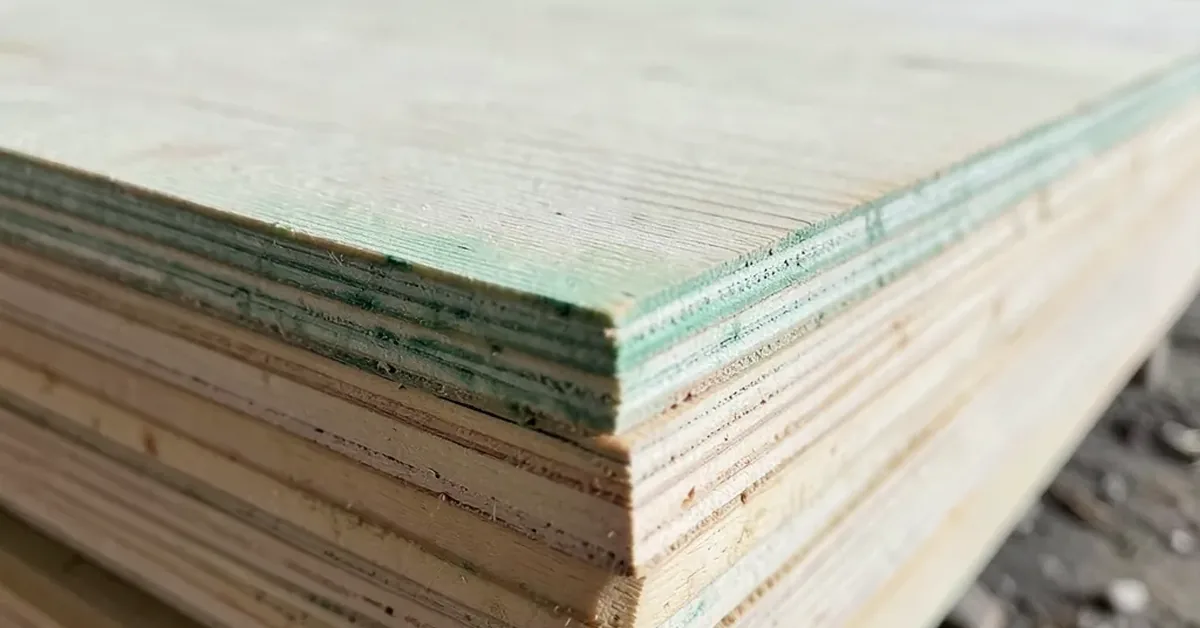
Start with a visual check: treated plywood often shows a greenish or brownish tint, most visible at the cut edge where the preservative penetrated deepest. Next, check for a stamp — treated plywood carries a certification stamp with the preservative type (“ACQ,” “MCA,” or older “CCA” stock) and the treatment retention level. Finally, treated plywood can feel slightly different at the surface, though the stamp is the only reliable identifier — color and feel can vary by wood species and treatment level.
Misconceptions About Treated Plywood
- “Treated plywood is waterproof.” It isn’t — it resists moisture and decay but still absorbs water and needs a sealer for full weather protection.
- “It’s safe for all indoor uses.” Some preservatives are intended for exterior, well-ventilated applications; check the stamp before using treated plywood indoors.
- “It lasts forever.” Treated plywood is durable but still degrades over time, especially without a maintained sealer coat.
- “All treated plywood looks the same.” Appearance varies by preservative, wood species, and retention level.
- “It’s only for outdoor projects.” Some treated plywood is rated for ground contact or interior structural use, depending on the specific product.
“On a deck rebuild, we mistook an untreated interior-grade plywood scrap for treated stock because of its color — the stamp was the only thing that actually confirmed it. Color alone is not a reliable test.”
Treated Vs. Untreated Plywood
Treated plywood resists moisture, insects, and decay, making it the right choice for outdoor projects. Untreated plywood is less durable outdoors and is better suited to indoor uses.
| Property | Treated Plywood | Untreated Plywood |
|---|---|---|
| Moisture Resistance | High | Low |
| Insect Resistance | High | Low |
| Price | Higher | Lower |
| Common Uses | Outdoor projects | Indoor projects |
Choose treated plywood for anything exposed to the elements, and untreated plywood for dry, indoor spaces where the price difference and preservative chemicals aren’t worth it.
Safety Considerations
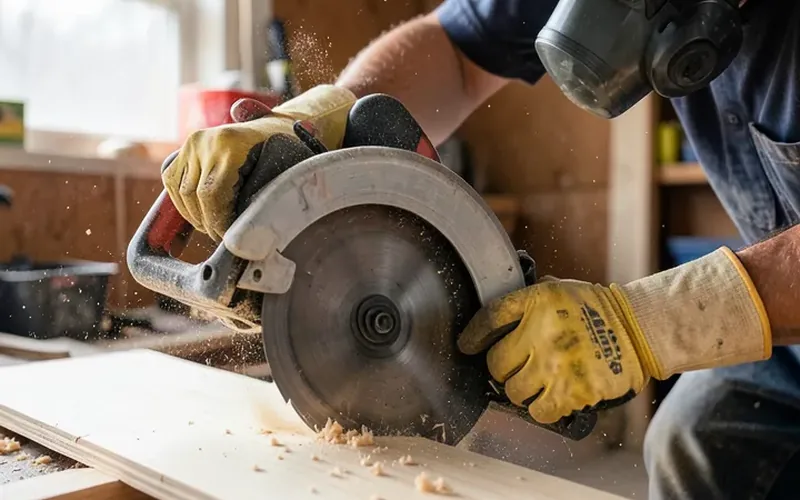
Handling treated plywood calls for gloves, a dust mask or respirator, and safety glasses to avoid skin contact and inhaling cut dust. Store it in a dry area away from children and pets.
Disposal must follow local regulations — never burn treated plywood, since burning releases the preservative chemicals into the smoke. Take offcuts to a designated disposal site and check with local authorities for the correct method.
Maintenance And Care
Clean the surface regularly with a soft cloth and mild cleaner, avoiding harsh chemicals that can strip a sealer coat. Check periodically for wear or damage and address issues promptly. A protective finish or sealer helps keep moisture out and prevents warping — store plywood in a dry place away from high humidity to protect it from mold.
Frequently Asked Questions
Is Plywood Treated For Outdoor Use?
Yes, plywood can be treated for outdoor use. Treated plywood is specially designed to resist moisture, decay, and pests. This type of plywood is often coated with chemicals that enhance its durability. It’s ideal for outdoor projects like decks and sheds, ensuring long-lasting performance against the elements.
What Chemicals Are Used In Plywood Treatment?
Current residential treated plywood uses copper-based preservatives, mainly ACQ (alkaline copper quaternary) and MCA (micronized copper azole), along with borate compounds in some products. These protect against mold, rot, and insects. The older CCA (chromated copper arsenate) preservative has not been used for residential wood since 2003. Treatment is applied by pressure-impregnating the chemicals into the wood.
How Long Does Treated Plywood Last?
Treated plywood can last anywhere from 10 to 30 years. Its lifespan depends on factors like the environment and maintenance. Proper installation and regular care can significantly enhance durability. It’s essential to choose high-quality treated plywood for optimal longevity, especially in harsh conditions.
Can Untreated Plywood Be Used Outdoors?
Using untreated plywood outdoors is not recommended. It is prone to moisture damage, warping, and decay. If you must use it, ensure it is properly sealed and protected. However, treated plywood is always a better option for outdoor applications to ensure durability and safety.
Conclusion
Not all plywood is treated — check for a certification stamp and a color shift at the edge before assuming a sheet is rated for outdoor exposure. Treated plywood, using today’s ACQ or MCA preservatives, resists moisture and pests far better than untreated stock, but it still needs a sealer, proper storage, and safe handling with gloves and a dust mask when cutting.
Sponsored / affiliate links. As an Amazon Associate I earn from qualifying purchases. I may earn additional commission from eligible campaigns.