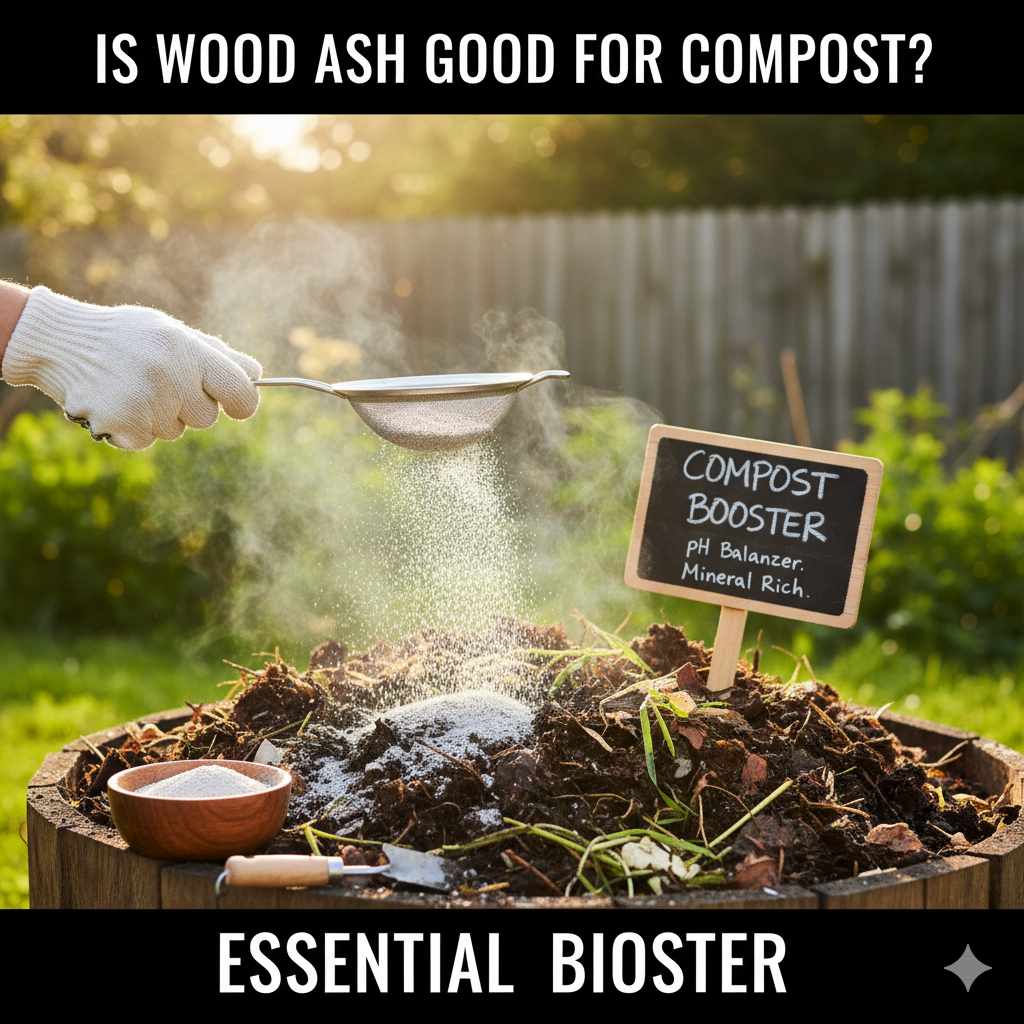
Is Wood Ash Good for Compost: Essential Booster
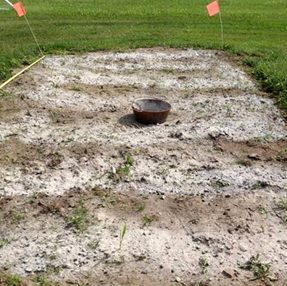
Yes, wood ash can be an excellent addition to your compost pile! Used correctly, it provides essential nutrients, helps regulate pH, and can even speed up decomposition, turning your kitchen scraps and yard waste into rich, valuable soil amendment.
Ever wondered what to do with that leftover ash from your fireplace or wood stove? You might be surprised to learn it’s not just waste – it can be a fantastic booster for your compost! Many gardeners and DIYers are curious if tossing ash into their compost bin is a good idea. The truth is, with a little knowledge, it absolutely can be. We’ll guide you through exactly how to safely and effectively add wood ash to your compost, turning a potential byproduct into a garden superhero. Get ready to transform your garden waste into pure gold!
Why Consider Wood Ash for Your Compost?
Wood ash, particularly from clean, untreated firewood, is packed with minerals that plants absolutely love. Think of it as a natural, multi-vitamin for your soil! When you add it to your compost, you’re essentially pre-loading that nutrient boost for your future garden. It’s a fantastic example of how we can reuse materials in our homes and workshops to benefit our gardens, supporting a more sustainable cycle. Let’s dive into the specific benefits.
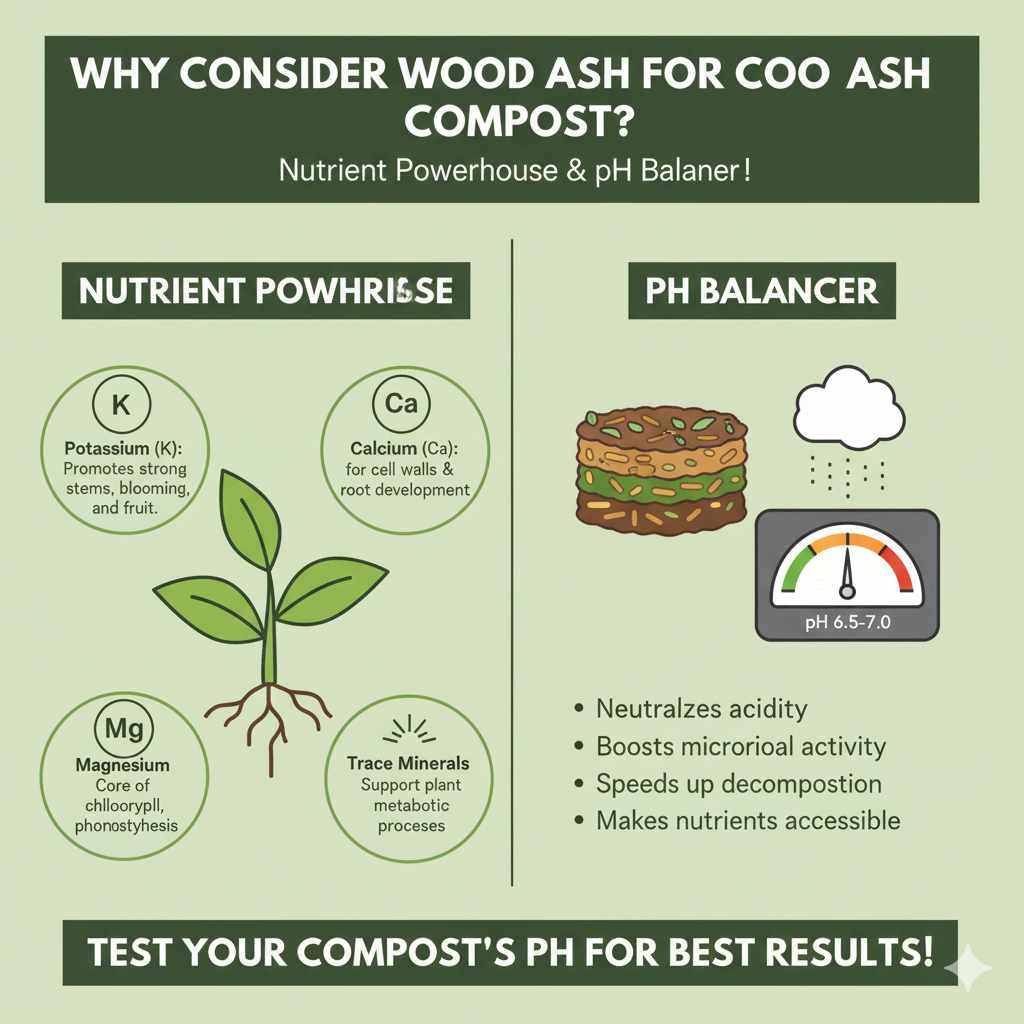
Nutrient Powerhouse
Wood ash is rich in essential minerals that are often found in commercial fertilizers, but in a natural, slow-release form. The most significant nutrient it provides is potassium (K), crucial for flowering, fruiting, and overall plant health. It also contains calcium (Ca), magnesium (Mg), and phosphorus (P), as well as trace amounts of other beneficial elements like manganese, iron, and zinc. These are all vital for healthy plant growth and development.
- Potassium (K): Promotes strong stems, helps with water regulation, and is critical for blooming and fruit production.
- Calcium (Ca): Essential for cell wall structure, root development, and enzyme activity.
- Magnesium (Mg): A core component of chlorophyll, necessary for photosynthesis.
- Trace Minerals: Support various metabolic processes within plants.
pH Balancer
Most compost piles, especially those rich in acidic “greens” like fruit peels and grass clippings, can become quite acidic over time. This acidity can hinder the activity of beneficial microbes that break down organic matter, slowing down your composting process. Wood ash is alkaline, meaning it can help neutralize acidity and bring your compost pile’s pH closer to a neutral range (around 6.5-7.0), which is ideal for microbial activity and for most garden plants.
Maintaining the right pH in your compost is key to efficient decomposition. Too acidic, and the microbes struggle. Too alkaline, and some nutrients can become less available. Wood ash acts like a natural buffer, helping to keep things in the happy medium zone. You can test your compost’s pH using a simple soil testing kit readily available at most garden centers.
Aiding Decomposition
By raising the pH and introducing beneficial minerals, wood ash can create a more favorable environment for the microorganisms responsible for breaking down organic materials. This can help speed up the composting process, meaning you’ll get nutrient-rich compost ready for your garden sooner. It’s like giving your compost microbes a healthy, balanced meal that helps them work more efficiently!
What Kind of Wood Ash is Safe to Use?
This is a super important point, and one where we need to be a bit careful. Not all wood ash is created equal, and using the wrong kind can actually harm your compost and your garden. As your woodworking mentor, my biggest piece of advice here is: know your wood!
The best ash comes from burning natural, untreated, seasoned hardwood. Think oak, maple, ash (the tree, funny enough!), or fruitwoods. These are typically harder woods that have been dried thoroughly. Why is this so important?
Treated Lumber and Contaminants
This is where we really need to draw a line. Never, ever use ash from burning:
- Treated lumber: This wood often contains chemicals like copper, chromium, and arsenic to prevent rot and insect damage. Burning these releases toxic substances into the ash.
- Plywood, particleboard, or MDF: These engineered wood products contain glues, resins, and adhesives that can release harmful chemicals when burned.
- Painted or stained wood: The paints and stains can contain heavy metals and other toxins.
- Trash or plastics: Burning anything other than natural wood can introduce harmful pollutants.
- Softwoods like pine or fir in large quantities: While generally okay in small amounts, softwoods burn faster and contain more resins, often resulting in ash that is less nutrient-dense and can sometimes cause issues if overused.
The key is to ensure the ash is pure, natural wood. If you’re unsure about the source of the wood, it’s always best to err on the side of caution and simply not use the ash for your compost. For a more in-depth look at what’s safe, you can check out resources from agricultural extensions, such as those provided by University of New Hampshire Extension, which offer excellent guidance on home composting and garden amendments.
Seasoned vs. Green Wood
Seasoned wood (wood that has been dried for at least six months to a year) burns more cleanly and produces a more beneficial ash. Green wood, on the other hand, contains more moisture and can burn less efficiently, and its ash might be less concentrated in beneficial minerals. If you have the choice, always opt for ash from well-seasoned hardwood.
How to Add Wood Ash to Your Compost: A Step-by-Step Guide
Adding wood ash to your compost is relatively straightforward, but there are a few best practices to follow to ensure you get all the benefits without any drawbacks. Think of it as a careful seasoning for your compost buffet!
- Cool the Ash: This is the first and most critical safety step. Never add hot ash to your compost pile. Allow ashes to cool completely in a metal container (like a metal bucket or bin) for at least 24-48 hours. Hot ashes can ignite your compost pile, which is dangerous and can destroy beneficial organic matter.
- Sift the Ash: Once cooled, it’s a good idea to sift the ash through a fine-mesh sieve or screen. This removes larger charcoal pieces and any unburned wood. You want a fine, powdery ash. The larger chunks can be added back to the fire or returned to the compost pile later if they are pure wood.
- Apply Sparingly: This is where the “booster” aspect comes in. Wood ash is potent! You don’t want to overwhelm your compost. A general guideline is to add ash in thin layers, no more than about 1 inch thick, and only once every few weeks or months. Think of it as a sprinkle, not a dump.
- Mix Thoroughly: After applying a layer of ash, make sure to mix it well into the compost material. You can do this by turning your compost pile with a pitchfork or shovel. This even distribution prevents the ash from clumping and ensures it integrates properly with the rest of the organic matter, avoiding overly alkaline pockets.
- Bury the Ash: When adding ash, try to bury it within the compost pile, rather than leaving it on the surface. This helps to contain the alkaline dust and prevents it from blowing away in the wind.
- Monitor Moisture: Wood ash can sometimes absorb moisture. If your compost pile starts to feel dry after adding ash, make sure to add some water to maintain the proper moisture level (damp, like a wrung-out sponge).
- Consider pH Testing: For serious composters or those with sensitive plants, regularly testing your compost’s pH (before and after adding ash) is a great way to ensure you’re not making it too alkaline. Aim for a pH in the neutral range.
By following these steps, you’re ensuring that the wood ash is a beneficial addition, not a detriment, to your compost.
What to Avoid When Composting Wood Ash
Just as important as knowing what to do is knowing what not to do. With wood ash, a few common mistakes can negate its benefits or, worse, create problems. Let’s review the key “don’ts”:
- Don’t add hot ash: As mentioned, this is a fire hazard. Patience is key.
- Don’t use ash from burning treated or unnatural materials: This is paramount for safety and environmental health.
- Don’t add too much: Over-application can make your compost too alkaline, harming microbes and making nutrients unavailable to plants. A common mistake is thinking “more is better.” With ash, less is definitely more.
- Don’t let it clump: Clumped ash can create pockets of high alkalinity. Thorough mixing is essential.
- Don’t apply to acid-loving plants directly: While ash is great for general compost, if you know you have plants that thrive in acidic soil (like blueberries, rhododendrons, or azaleas), avoid adding wood ash directly to their soil or using compost that has had a very high proportion of ash added.
- Don’t store ash in airtight containers: While ash needs to be cooled safely, storing large quantities of ash in sealed containers for extended periods can be problematic. It’s best to use it relatively soon after cooling or store it in a breathable, covered container outdoors.
Wood Ash Compost: Pros and Cons
Like most things in life, adding wood ash to your compost has its advantages and disadvantages. Let’s break them down so you can make an informed decision for your composting endeavors.
| Pros (Benefits) | Cons (Drawbacks) |
|---|---|
| Nutrient Boost: Adds essential minerals like potassium, calcium, and magnesium. | Can make compost too alkaline: Over-application can raise pH beyond beneficial levels. |
| pH Adjustment: Helps neutralize acidic compost piles, bringing pH closer to neutral. | Risk of contamination: Ash from treated, painted, or synthetic materials is toxic. |
| Accelerates Decomposition: A balanced pH and added minerals encourage microbial activity. | Can become dusty: Fine ash can create dust if not handled carefully. |
| Natural & Free: Reuses a byproduct from wood fires, saving money on fertilizers. | May contain sharp objects: Unburned coal or foreign debris can be present. |
| Improves Soil Structure: Calcium in ash can help bind soil particles. | Not suitable for all plants: Acid-loving plants may suffer if compost is too alkaline. |
As you can see, the benefits are quite substantial if wood ash is used correctly. The cons are primarily related to improper use, highlighting the importance of following the guidelines we’ve discussed.
When to Use Wood Ash Compost in Your Garden
Compost that has been properly amended with wood ash is a fantastic addition to your garden. It provides a more balanced nutrient profile and helps improve soil conditions. Here’s when and where you can best utilize it:
- General Garden Beds: Mix it into vegetable gardens, flower beds, and around established shrubs and trees. It’s particularly beneficial for plants that crave potassium for good flowering and fruiting.
- Lawn Improvement: A light application of compost amended with wood ash can help fortify turfgrass, especially in spring and fall.
- Root Vegetables: High potassium content is excellent for root development in plants like carrots, potatoes, and beets.
- Fruiting Plants: Tomatoes, peppers, squash, and other fruiting plants benefit greatly from the potassium and calcium for strong yields and healthy fruit development.
Important Note: If you are specifically trying to create compost for acid-loving plants, you might want to skip adding wood ash to that particular compost bin, or only add a very minimal amount. For most other garden applications, a compost pile that has had moderated amounts of wood ash added is a true soil enhancer.
Alternatives to Wood Ash
While wood ash is a great unique amendment, there are other materials and amendments that can provide similar benefits to your compost pile. If you don’t have access to suitable wood ash, or prefer to stick with more conventional methods, consider these options:
| Benefit | Wood Ash Alternative | How to Use It |
|---|---|---|
| Potassium Boost | Comfrey Leaves, Banana Peels, Kelp Meal | Add fresh comfrey and banana peels directly to compost. Kelp meal can be mixed in or used as a top dressing. |
| Calcium Boost | Crushed Eggshells, Bone Meal, Oyster Shells | Crush eggshells finely and add to compost. Bone meal and oyster shells are also good additions. |
| pH Adjustment (Alkalinity) | Lime (agricultural lime, not hydrated lime) | Add agricultural lime sparingly, similar to wood ash, and mix well. Check product recommendations. |
| General Nutrient Supplement | Finished Compost, Aged Manure, Worm Castings | These are foundational to good compost and provide a broad spectrum of nutrients and beneficial microbes. |
Each of these alternatives brings its own unique set of nutrients and benefits. Composting a wide variety of organic materials is always the best approach for creating a rich, balanced soil amendment.
Frequently Asked Questions (FAQ) about Wood Ash in Compost
Here are some common questions beginners have about using wood ash in their compost:
Q1: How much wood ash should I add to my compost pile?
Less is more! Aim for a thin layer (about 1 inch) sprinkled over the compost material no more than once every few weeks or months. Over-application can make the compost too alkaline.
Q2: Can I use ash from my charcoal grill?
Only if you grilled pure charcoal briquettes (not the kind with lighter fluid added) and natural lump charcoal made from hardwood. Most commercial briquettes contain additives that are not good for compost. If in doubt, skip it.
Q3: Is wood ash good for all types of compost?
It’s best for general compost. If you’re specifically trying to create compost for acid-loving plants like blueberries or azaleas, you should avoid adding wood ash to that particular batch.
Q4: How do I know if I’ve added too much wood ash?
If your compost pile becomes too dry, develops a strong ammonia smell, or your plants show signs of nutrient burn or yellowing leaves despite adequate watering, you may have added too much. Testing the pH of your compost is the most reliable way to monitor this.
Q5: Can I put wood ash directly on my garden instead of in the compost?
Yes, you can, but it’s often better to compost it first. Applying ash directly can lead to issues if not spread very evenly, and composting helps release the nutrients more slowly and balances the pH. If you apply directly, do so very thinly in the fall or early spring, and mix it into the soil.
Q6: What does “alkaline” mean for my compost?
Alkaline means the pH is above 7.0. Most compost thrives in a slightly acidic to neutral range (6.0-7.0). Too much alkalinity from ash can make essential nutrients like iron and phosphorus less available to plants and can harm beneficial soil microbes.
Q7: How long does it take for wood ash to break down in compost?
Wood ash itself doesn’t “break down” in the traditional sense; rather, its minerals are released and integrated into the compost matrix. When applied in moderation and mixed well, this integration happens relatively quickly as the compost cooks.
Conclusion: A Wood-Working Mentor’s Seal of Approval
As a woodworking mentor, I’m always looking for ways to utilize every part of the materials we handle and to create functional, beautiful things – and that extends to our gardens! Wood ash, when sourced and applied correctly, truly is an “essential booster” for your compost. It’s a natural, readily available mineral supplement that can significantly improve the quality of your homemade soil amendment.
By understanding what kind of ash to use (clean, untreated hardwood, cooled completely!) and how to incorporate it mindfully (thin layers, mixed thoroughly, not too often), you’re not just clearing out your fireplace; you’re actively enriching your garden and practicing smart, sustainable DIY. Remember, the goal is balance. Treat your compost like a fine piece of furniture – careful attention to detail, the right materials, and a little patience lead to the best results.