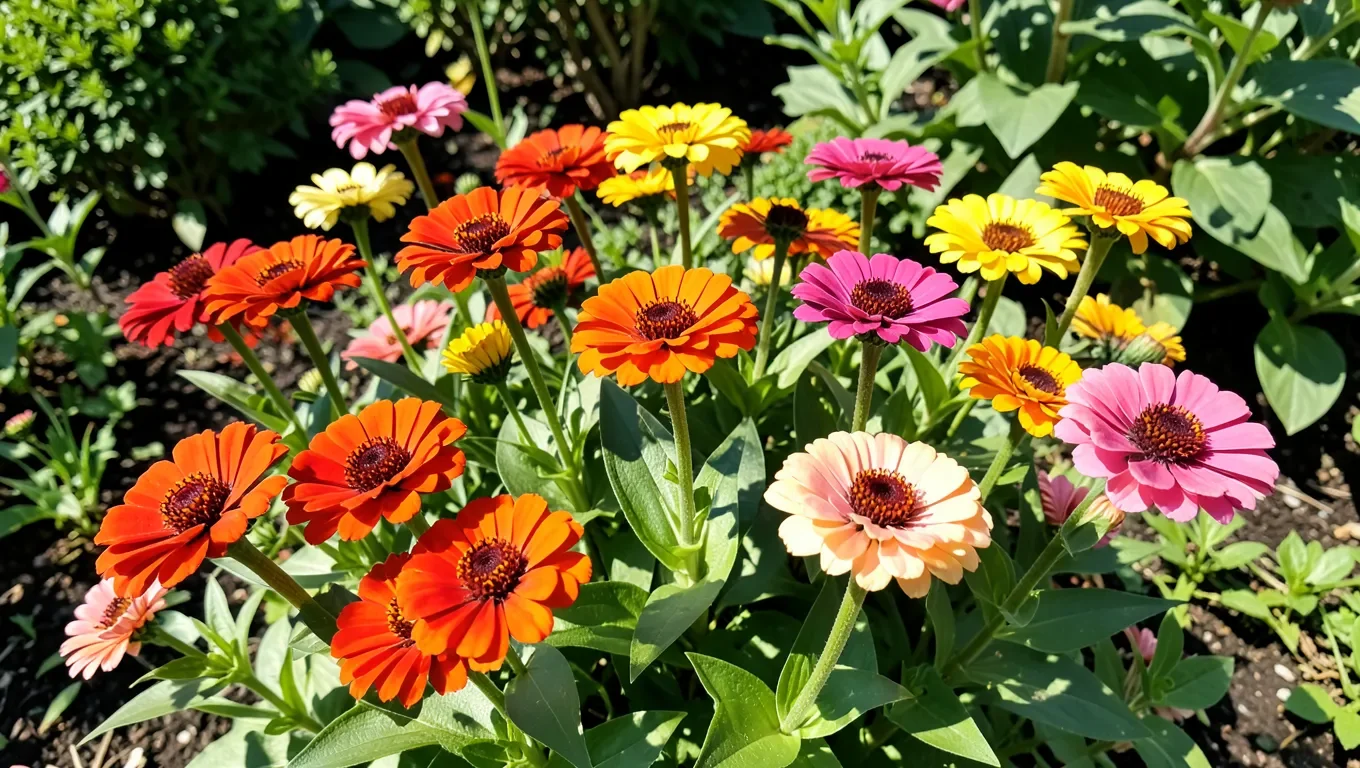
Do Zinnias Like Wood Ash: Enhance Growth Naturally
Zinnias can benefit from wood ash, but only if your soil is already acidic – wood ash raises soil pH, so adding it to soil that’s already neutral or alkaline can actually hurt them. Zinnias grow best in soil around pH 5.5 to 7.5, a fairly wide range, and wood ash’s main effect is pushing pH upward (it works similarly to garden lime) while adding potassium and trace minerals. The real answer isn’t a flat yes or no – it depends on what your soil’s pH already is, which is worth testing before you add anything.
What Wood Ash Actually Does to Soil
Wood ash is mostly calcium carbonate – the same compound in agricultural lime – which is why it raises soil pH rather than just adding nutrients. It also contains potassium (typically 3-7% by weight), along with smaller amounts of phosphorus, magnesium, and trace minerals, all left behind after the wood’s carbon burns off. This combination can genuinely help flowering plants like zinnias, since potassium supports bloom production – but only in soil that has room to move upward in pH without becoming too alkaline for the plant.
Best For Checking Before You Add Anything
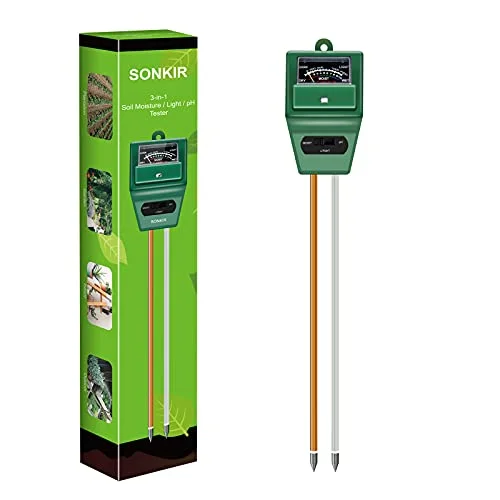 |
SONKIR 3-in-1 Soil pH/Moisture/Light Meter – $9.99 Since wood ash only helps zinnias in acidic soil and can hurt them if the soil is already neutral or alkaline, checking pH first – not guessing – is the actual deciding factor here.
|
How to Apply Wood Ash Safely
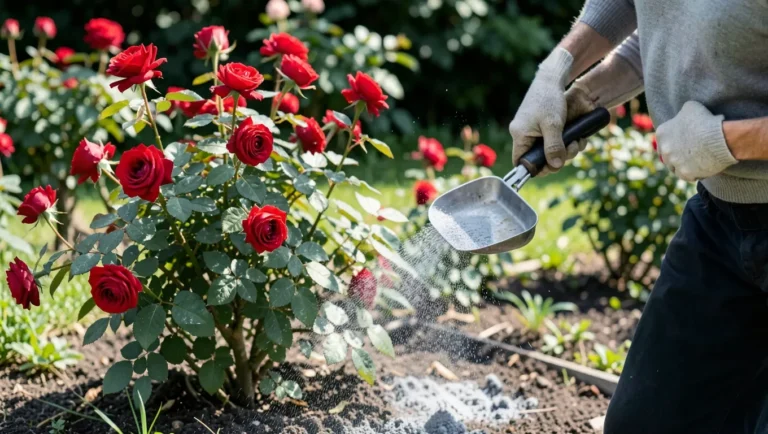
Test your soil pH first – this is the step that actually determines whether wood ash helps or hurts, not a fixed recipe. If your soil tests acidic (below roughly 6.0) and you want to nudge it toward zinnias’ preferred range, apply wood ash sparingly – a light, even dusting worked into the top few inches of soil, not a thick layer. Wood ash is concentrated compared to compost, so more isn’t better here; over-application is the most common way gardeners actually damage their soil with it.
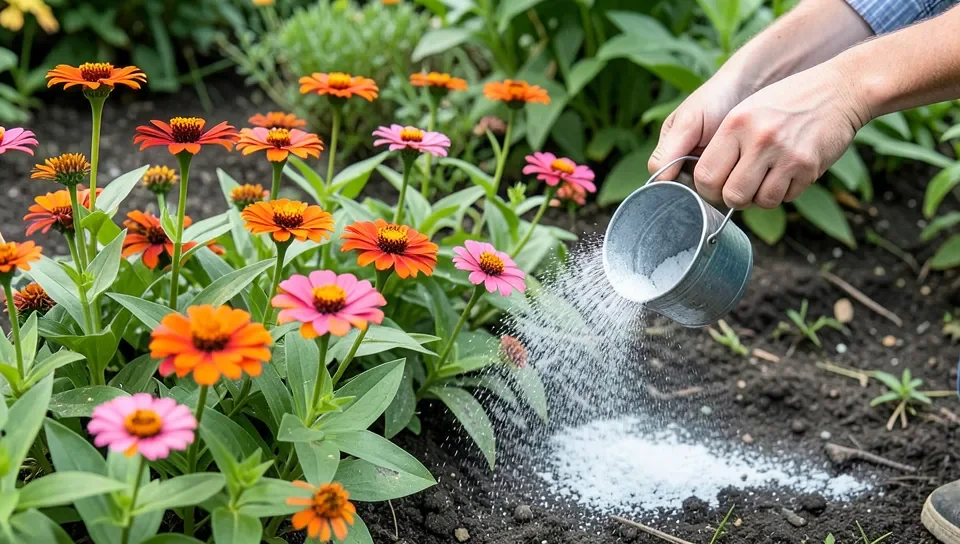
Water the soil after applying so the ash settles in rather than blowing or washing away before it’s absorbed. Re-test pH a few weeks later before applying more – wood ash’s effect builds up over repeated applications, so what was a safe amount once can become too much if repeated too often without checking.
When to Skip Wood Ash Entirely
If your soil already tests neutral to alkaline (7.0 or above), skip wood ash – you’d be pushing pH further away from what zinnias actually want, not toward it. This is also why wood ash is a bad idea near acid-loving plants like blueberries, azaleas, and rhododendrons, even if zinnias are planted nearby; ash applied to one area of a mixed bed can drift into soil meant to stay acidic. Compost is the safer default amendment when you’re not sure of your soil’s starting pH, since it doesn’t push pH sharply in either direction the way wood ash does. The same acidic-soil-only logic applies to onions and other vegetables that benefit from wood ash.
General Zinnia Care
Beyond soil amendments, zinnias need at least six hours of direct sun daily and steady but not constant moisture – water deeply once or twice a week rather than shallow daily watering, and water at the base rather than overhead, since wet foliage encourages powdery mildew, a common zinnia problem. Deadheading spent blooms regularly encourages the plant to keep producing new flowers through the season.
Conclusion
Wood ash can help zinnias, but only conditionally – it raises soil pH and adds potassium, which helps if your soil starts out acidic and hurts if it doesn’t. Test your soil pH before applying anything, use wood ash sparingly if your soil can use it, and skip it entirely if your soil already tests neutral or alkaline. That one pH check, not a fixed ash recipe, is what actually determines the outcome.
Frequently Asked Questions
What plants do not like wood ashes?
Acid-loving plants like blueberries, azaleas, rhododendrons, and camellias dislike wood ash, since it raises soil pH and pushes it away from the acidic conditions those plants need.
What flowers like wood ash?
Flowers that tolerate a wider or more neutral-to-alkaline pH range, like zinnias, roses, and lavender, can benefit from wood ash’s potassium content when their soil starts out acidic.
What is the best potting soil for zinnias?
A well-draining mix with organic matter – peat or coco coir, compost, and perlite for drainage – works well. Zinnias are prone to root rot in soggy soil, so drainage matters more than any specific nutrient blend.
Do geraniums like wood ash?
Geraniums can benefit the same way zinnias do – wood ash adds potassium and raises pH, which helps if their soil is acidic and hurts if it’s already neutral or alkaline. Test soil pH first, same as with zinnias.
Sponsored / affiliate links. As an Amazon Associate I earn from qualifying purchases. I may earn additional commission from eligible campaigns.