Labor Cost to Install Wood Flooring: Your Complete Guide
Hey there! If you’re thinking about giving your home a fresh, timeless look with wood flooring, you’re probably wondering about the labor cost to install wood flooring. I’ve been down this road myself, researching, talking to contractors, and even watching installations happen. It’s exciting but can feel overwhelming with all the numbers and options floating around. Don’t worry—I’m here to break it all down for you in a way that’s easy to understand. Whether you’re dreaming of sleek hardwood or rustic engineered wood, I’ll walk you through the costs, factors, and tips to make your project smooth and budget-friendly. Let’s dive in!
What Makes Up the Labor Cost for Wood Flooring Installation?
When I first looked into wood flooring, I thought labor costs would be a simple number. Turns out, there’s a lot that goes into it. The labor cost to install wood flooring depends on several factors, like the type of wood, the size of your space, and even where you live. Contractors charge based on the work involved, and every project is a bit different.
Labor costs typically range from $3 to $8 per square foot in the USA. For a 1,000-square-foot home, that’s about $3,000 to $8,000 just for labor. This doesn’t include materials or extra prep work. Why such a wide range? It’s all about the details—things like removing old flooring, leveling the subfloor, or adding custom patterns. I learned this when I got quotes for my own home, and each contractor explained how small changes could shift the price.
Types of Wood Flooring and Their Impact on Labor Costs
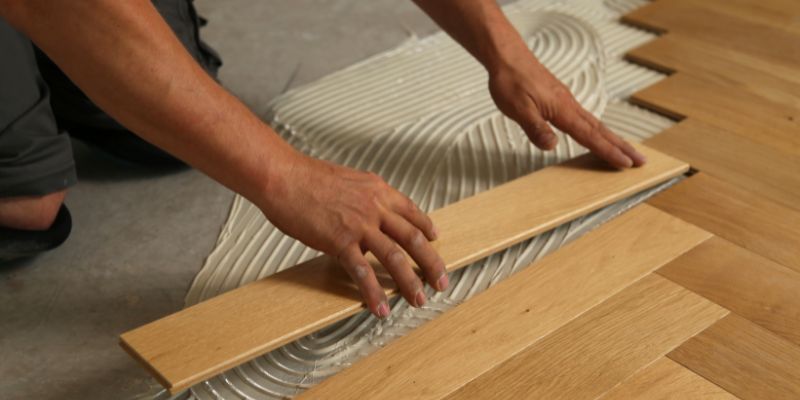
Not all wood floors are created equal, and the type you choose affects labor costs. I remember standing in a showroom, staring at hardwood, engineered wood, and reclaimed wood, feeling torn. Each has its own charm, but they come with different installation needs. Here’s how they stack up:
- Solid Hardwood: This is the classic choice—think oak, maple, or walnut. It’s nailed or glued to the subfloor, which takes skill and time. Labor costs are higher, around $4 to $8 per square foot, because it needs precise cutting and fitting. Refinishing is also common, adding to the work.
- Engineered Wood: This is made of layers with a hardwood top. It’s more stable and can be glued, nailed, or floated (clicked together). Labor is slightly cheaper, about $3 to $6 per square foot, since it’s easier to install, especially for floating floors.
- Reclaimed Wood: Old, salvaged wood looks amazing but is tricky to work with. Uneven boards and custom fitting push labor costs to $6 to $10 per square foot. I saw this firsthand when a friend chose reclaimed barn wood—gorgeous but pricey!
Here’s a quick table to compare:
| Type of Wood Flooring | Labor Cost per Sq. Ft. | Installation Method |
|---|---|---|
| Solid Hardwood | $4–$8 | Nail/Glue |
| Engineered Wood | $3–$6 | Glue/Nail/Float |
| Reclaimed Wood | $6–$10 | Custom Nail/Glue |
Choosing the right type depends on your budget and style. I went with engineered wood for my living room because it saved me a bit on labor without sacrificing the look.
Factors That Influence Labor Costs
When I started getting quotes, I noticed every contractor asked different questions about my home. That’s because labor costs aren’t just about the flooring—they’re tied to your specific project. Here are the biggest factors I discovered:
Size of the Area
Bigger spaces mean more work, but contractors often charge less per square foot for larger jobs. For example, installing 500 square feet might cost $5 per square foot, while 2,000 square feet could drop to $4. My 1,200-square-foot project got a slight discount because of the volume.
Location in the USA
Where you live makes a huge difference. I’m in the Midwest, where labor runs about $3 to $5 per square foot. In cities like New York or San Francisco, it’s closer to $6 to $8 because of higher living costs. Rural areas might be cheaper, but skilled contractors can be harder to find. I checked with friends across the country, and the price swings were surprising!
Subfloor Preparation
This was a big eye-opener for me. If your subfloor isn’t level or has damage, contractors need to fix it before laying the wood. This can add $1 to $3 per square foot. In my case, my old carpet left a bumpy subfloor, so I paid extra for leveling. Old glue or tiles might need scraping, which also bumps up costs.
Removal of Old Flooring
Got carpet, tile, or vinyl? Removing it isn’t free. Contractors charge $1 to $2 per square foot to rip out old flooring and dispose of it. Hardwood or glued-down tiles are tougher, so they cost more to remove. I saved a bit by pulling up my carpet myself, but it was sweaty work!
Installation Patterns
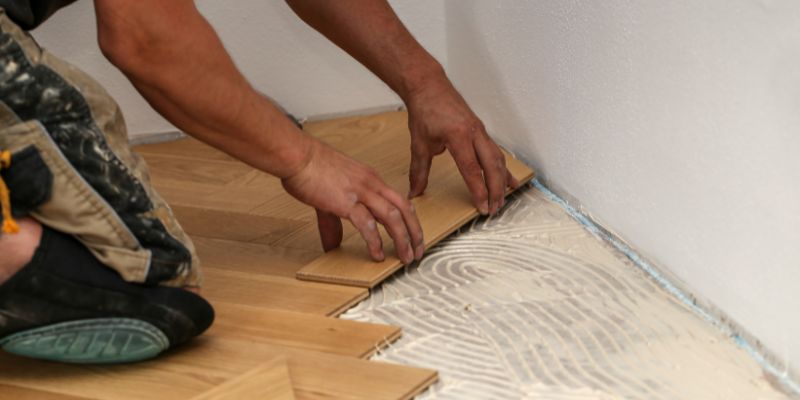
Basic straight planks are the cheapest to install. Fancy patterns like herringbone or chevron look stunning but take more time and skill. These can add $2 to $5 per square foot to labor costs. A neighbor went with herringbone, and while it’s gorgeous, her labor bill was nearly double mine.
Additional Features
Things like transitions, baseboards, or stair installations add to the cost. Stairs are especially pricey—$20 to $50 per step—because they’re labor-intensive. I skipped stairs in my project, but I added custom trim, which cost an extra $200.
How to Get Accurate Quotes from Contractors
Getting quotes can feel like a game of guesswork, but I learned a few tricks to make it easier. First, always get at least three quotes. I contacted five contractors, and their prices varied by $1,500 for the same job. Here’s what I recommend:
- Be Clear About Your Project: Tell contractors the square footage, type of wood, and any extras like pattern or stair work. I sent photos of my space to help them estimate.
- Ask for Itemized Quotes: This breaks down labor, materials, and prep work. It helped me spot where one contractor was overcharging for subfloor prep.
- Check Reviews and References: I avoided a shady contractor thanks to online reviews. Look for local pros with solid reputations.
- Ask About Timeline: Some contractors charge more for rush jobs. I planned my project two months out, which kept costs down.
When I compared quotes, I picked a contractor who wasn’t the cheapest but had great reviews and explained everything clearly. It was worth it for peace of mind.
Ways to Save on Labor Costs
Wood flooring isn’t cheap, but I found ways to keep labor costs in check. Here are my best tips:
- Do Some Prep Yourself: Removing old flooring or furniture can save $1 to $2 per square foot. I cleared my living room and pulled up carpet, saving about $400.
- Choose Simpler Installation: Stick to straight planks instead of complex patterns. This shaved $500 off my quote.
- Shop Around for Materials: Some contractors mark up wood prices. I bought my engineered wood from a local supplier and saved $1,000 compared to the contractor’s price.
- Time Your Project: Winter is a slow season for contractors, so they might offer discounts. I scheduled my installation in January and got 10% off labor.
- Bundle Projects: If you’re doing multiple rooms, ask for a bulk discount. My contractor cut $200 off because I added a hallway to the job.
These small steps added up, and I stayed under budget without cutting corners.
Hidden Costs to Watch Out For
Even with careful planning, surprises can pop up. I learned this the hard way when my subfloor needed more work than expected. Here are some hidden costs to keep an eye on:
- Subfloor Repairs: Uneven or damaged subfloors can add hundreds to your bill. Get a contractor to inspect before signing anything.
- Permits: Some cities require permits for flooring work, costing $50 to $200. My small town didn’t, but check with your local government.
- Disposal Fees: Hauling away old flooring or debris might cost $100 to $300, depending on the amount.
- Unexpected Delays: If your wood arrives late or the job takes longer, you might pay extra for labor. I avoided this by confirming material delivery dates upfront.
Ask your contractor about these upfront to avoid sticker shock.
Is DIY Installation Worth It?
I’ll be honest—I considered installing my wood floor myself to save on labor. After watching tutorials and talking to a friend who tried it, I decided against it. DIY can save you $3 to $8 per square foot, but it’s not for everyone. Here’s what I learned:
- Pros: You save big on labor, and floating engineered wood is beginner-friendly. You also get full control over the project.
- Cons: It’s time-consuming, and mistakes can ruin expensive materials. Solid hardwood needs pro-level skills for nailing and sanding. My friend botched a DIY job and had to hire a contractor to fix it, costing more than if he’d hired one from the start.
If you’re handy and have time, DIY might work for small spaces or simple floors. For big projects or complex wood, I’d stick with a pro. I’m glad I did—my floor looks flawless, and I didn’t lose sleep over it.
Why Investing in Quality Labor Pays Off
Paying for skilled labor might sting at first, but it’s worth it. I saw this when comparing my floor to a neighbor’s. Their cheap contractor left gaps and uneven boards, and they had to redo parts of it. Quality labor ensures:
- A smooth, durable finish that lasts decades.
- Fewer repairs or callbacks down the road.
- A polished look that boosts your home’s value.
My floor has been down for two years, and it still gets compliments. Spending a bit more on labor gave me confidence it’ll hold up.
Conclusion
Exploring the labor cost to install wood flooring taught me that planning is everything. From choosing the right wood to getting clear quotes, every step matters. I hope this guide helps you feel ready to tackle your project without surprises. Whether you’re refreshing one room or your whole home, wood flooring is a beautiful investment. Take your time, ask questions, and don’t be afraid to shop around. You’ll end up with a floor you love, and that’s worth every penny. Got more questions? I’ve got you covered below with some FAQs I wish I’d had answers to when I started!
Frequently Asked Questions
How Much Does It Cost to Install Wood Flooring in a 1,000-Square-Foot Home?
Labor costs for 1,000 square feet typically range from $3,000 to $8,000, depending on the wood type and prep work. Add material costs ($4 to $12 per square foot) for a total of $7,000 to $20,000. My 1,200-square-foot project cost $6,500 for labor and materials, but prices vary by region.
Can I Save Money by Installing Wood Flooring Myself?
Yes, DIY can save $3 to $8 per square foot, but it’s risky. Floating engineered wood is easier, but solid hardwood needs pro skills. Mistakes can cost more to fix than hiring a contractor. I skipped DIY after seeing a friend’s costly errors.
Why Do Labor Costs Vary So Much Across the USA?
Labor costs depend on local living expenses and contractor demand. Urban areas like New York charge $6 to $8 per square foot, while rural spots might be $3 to $5. I noticed a $2 difference between my Midwest town and a nearby city.
What’s the Cheapest Wood Flooring to Install?
Engineered wood is the cheapest, with labor at $3 to $6 per square foot. Floating installations are quickest, saving time and money. I chose engineered wood for my living room and saved $1,000 compared to hardwood.
Do I Need to Remove Old Flooring Before Installing Wood?
Usually, yes. Contractors charge $1 to $2 per square foot to remove carpet, tile, or vinyl. You can save by doing it yourself, like I did, but it’s hard work. Some floating floors can go over existing ones, but check with your contractor.
How Long Does It Take to Install Wood Flooring?
Installation takes 1 to 3 days for 1,000 square feet, depending on prep and complexity. My 1,200-square-foot job took two days. Patterns or stairs can add time. Ask your contractor for a timeline upfront.