Firewood Stacked vs Loose: Which Dries Faster?
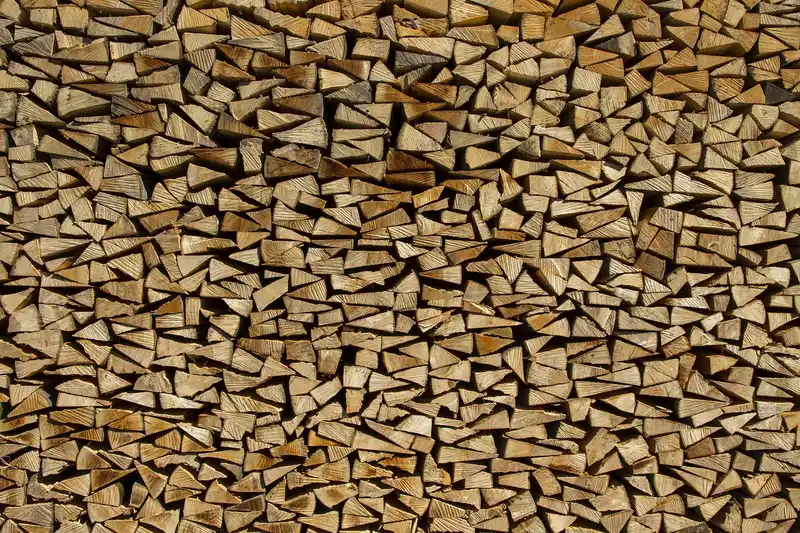
Stacked firewood dries faster than a loose pile because the logs are arranged so air can move between them. A loose heap only works well when the wood is split, raised off the ground, and spaced out. Slow drying leaves higher moisture, harder starts, more smoke, and more creosote risk. This guide explains when stacking speeds seasoning, why loose piles lag, and how to stack for faster drying.
| Factor | Firewood Stacked | Loose | Winner |
|---|---|---|---|
| Airflow through the pile | Gaps between logs let air move through the stack. | Wood settles into tight contact points that block airflow. | Firewood Stacked |
| Rain and snow exposure | Easy to cover the top while leaving sides open. | Uneven shape makes top coverage and side ventilation harder to manage. | Firewood Stacked |
| Bottom-layer rot risk | Easy to lift on pallets, racks, cinderblocks, or runners. | More likely to rest on wet ground and hold moisture at the base. | Firewood Stacked |
| Pest risk | Raised stacks reduce contact with damp ground and help limit termite risk. | Ground contact and debris make the base more attractive to pests. | Firewood Stacked |
| Expected drying speed | Faster, especially in a single row with sun and wind. | Slower and often uneven unless the pile is kept loose and elevated. | Firewood Stacked |
Airflow between logs speeds up firewood drying
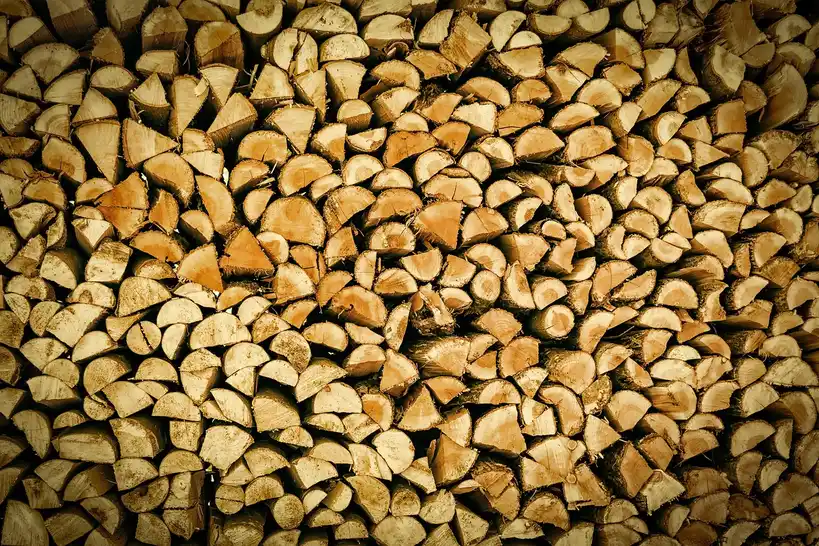
Yes. Stacked firewood dries faster because the logs are lined up so air can move between them, which speeds moisture loss. A loose heap may look simpler, but it can trap damp air inside the pile, especially near the center and bottom, where drying is often slowest.
That difference matters because fresh-cut wood holds a lot of moisture and burns poorly. Green wood starts wetter than seasoned wood, so the drying setup controls how quickly each split can reach burn-ready levels below about 20% moisture content. University and extension guidance commonly treats under 20% moisture content as the practical seasoned target, with many recommending about 15% to 20% for cleaner burning and easier ignition; see the University of Minnesota Extension and Penn State Extension for seasoning and moisture targets.
Why airflow matters more than pile size
Stacking firewood maximizes airflow between individual logs, and that is the main reason it dries faster. Sun helps, but moving air does more of the work because it carries moisture away from the wood surface instead of letting damp air linger around the pile.
A sunny, open area with strong air movement works better than a sunny spot with still air. The sun warms the wood, but the wind and open sides keep fresh air moving through the stack. Forestry and extension publications such as the USDA NRCS firewood guidance and University of Minnesota Extension emphasize open airflow, sun exposure, and elevation off the ground as the core conditions for seasoning.
When loose piles slow drying
Loose piles often dry slower or unevenly because the logs settle into a mound that blocks air pathways. The center can stay damp after the outside looks dry, and that trapped moisture can raise mold risk and make the bottom layer rot faster.
Say your pile is tossed against a shed wall on bare soil. The outer logs may look weathered in a few weeks, while the middle stays heavy and dark because it never gets enough airflow or ground clearance. In practice, that kind of pile can take significantly longer than a well-stacked row because the center is shielded from moving air while the lower wood stays in contact with moisture sources.
What changes in windy or shaded yards
In a windy yard, the gap between stacked logs helps even more, because moving air can pass through the pile instead of skimming over it. In a shaded yard, stacking still matters, but drying depends even more on openness and height off the ground because sun cannot make up for blocked airflow.
A loose heap in shade is usually the worst combination: less heat, less wind exposure, and more trapped moisture near the center and base.
How much faster can stacked firewood dry?
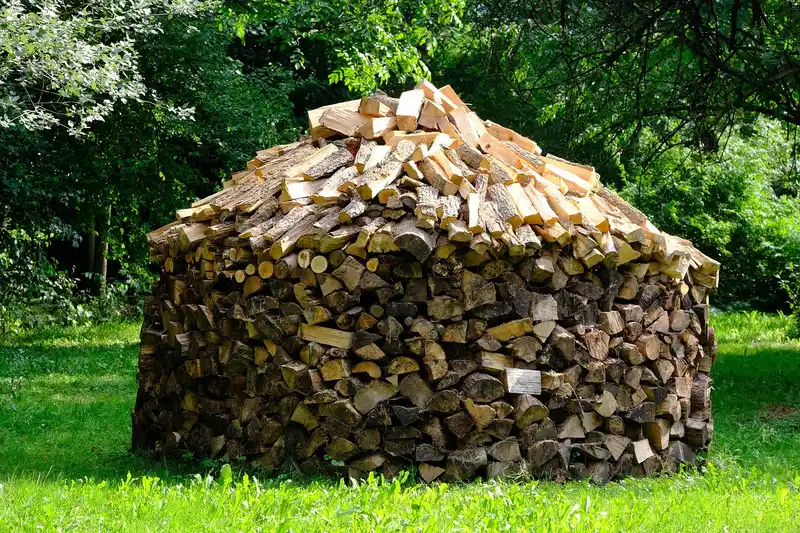
There is no honest one-size-fits-all number, because species, split size, climate, and stack shape all change the result. A single-row stack with open sides will generally dry faster than a comparable loose heap because more wood surface is exposed to sun and wind.
Extension-service baselines help put that in context: many recommend seasoning for roughly six months at minimum in favorable conditions, while denser hardwoods often need closer to a full year or more. For example, University of Missouri Extension notes that many split woods may season in about six to 12 months depending on species and conditions, and the University of New Hampshire Extension advises that thicker, denser hardwoods can require a full year or longer. In practice, a well-ventilated stack can shorten the wait enough to move wood from well above 30% moisture into the under-20% range months earlier than a loosely heaped pile in the same yard, especially when the stack is elevated and exposed on the sides.
Why split size changes the answer
Split wood dries faster than rounds because splitting increases exposed surface area. Smaller splits expose even more surface, so they lose moisture sooner than large pieces, while unsplit rounds dry much more slowly because less interior wood is open to air.
That means stack style cannot fix oversized wood. If the pieces are too large, even a well-built stack will lag behind a pile of smaller splits placed in the same conditions.
How moisture meter readings confirm progress
A moisture meter is the most accurate way to check readiness. It tells you whether the wood is near the seasoned target under 20% moisture content instead of forcing you to guess from color, checking cracks, or surface feel.
Test fresh splits from the center of the stack, not only the outside pieces. The outside can read drier first while the core still holds too much water to burn well.
Firewood drying comparison table
Use this comparison when you are choosing between speed, convenience, and stability. The fastest setup is the one that combines airflow, height off the ground, and top-only weather protection.
| Setup | Airflow | Rain exposure | Bottom-layer rot risk | Pest risk | Expected drying speed |
|---|---|---|---|---|---|
| Single-row stacked | Highest | Low with top cover, because the sides stay open | Low when elevated | Lower than ground-contact piles | Fastest |
| Loose heap | Lowest | Variable and often uneven | Highest if it sits on wet ground | Higher at the base | Slowest |
| Loosely piled but elevated | Moderate | Moderate if the top is covered | Lower than a ground pile, but still a concern | Moderate | Middle ground |
What is the best way to stack firewood for seasoning?
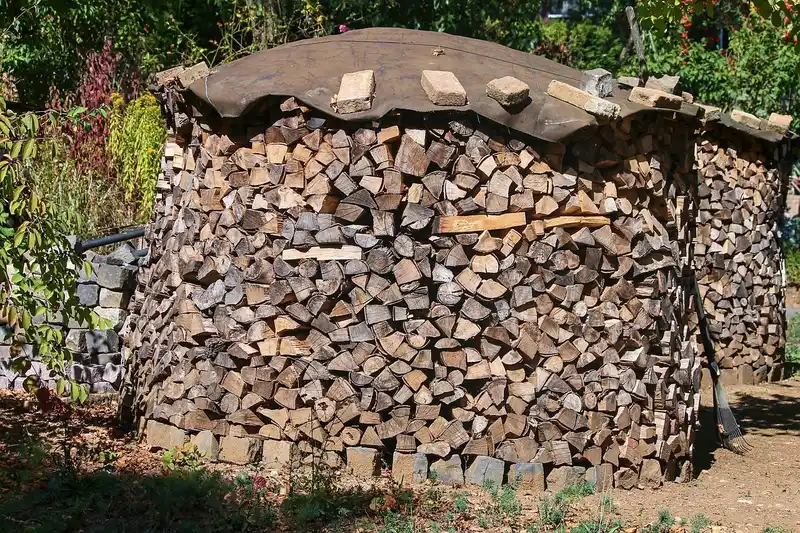
The best way to stack firewood for seasoning is to keep the wood off wet ground, leave the sides open, and cover only the top. That arrangement gives the pile the airflow it needs while limiting rain and snow exposure from above.
If your goal is the fastest drying, choose a single-row stack in a sunny, open area. A rack works well because it creates a long thin stack and keeps the wood raised.
Choose a sunny, open spot
Direct sunlight for part of the day helps speed drying, but it should not be treated as the main drying tool. Air movement through the stack matters more than sun alone, so open sides and exposure to wind are still the priority.
Do not bury a stack in a corner just because it gets afternoon sun. If the air cannot move around the pile, the middle will stay damp longer.
Lift the stack off wet ground
Raise firewood off the ground with pallets, a rack, cinderblocks, or runners. That keeps the bottom layer away from wet soil and helps reduce termite risk and bottom-row moisture problems.
Height off the ground also improves airflow under the pile. A stack sitting directly on soil can pull in moisture from below even if the top and sides are partly dry.
Leave the sides open and cover the top only
A tarp should protect the top while the sides stay open for ventilation. Covering the sides traps moisture, slows drying, and can turn the pile into a damp box instead of a seasoning stack.
Keep the tarp high enough that it sheds rain and snow without pinning the wood in place. If the cover hangs low over the edges, it can block the same airflow you need for drying.
How high should a firewood stack be off the ground?
Keep firewood high enough to stay clear of wet soil and splashback. The exact height depends on the support, but the goal is simple: prevent the bottom row from sitting in moisture and avoid direct ground contact wherever possible.
Pallets, racks, cinderblocks, and runners all work when they keep the stack stable and allow air under the wood.
Why bottom-row contact causes trouble
Wood touching wet ground dries slowly from the bottom up, and that trapped moisture encourages rot. It also leaves the lower pieces dirtier, which can attract pests and make handling messier.
Even a well-covered top will not fix a wet base. If the bottom row is soaking up moisture, the entire stack loses speed.
When a taller base helps airflow
A taller base helps when the yard stays damp, the ground is uneven, or the stack sits where rain splashes upward. More clearance improves under-stack circulation and keeps the lowest splits from acting like a sponge.
Picture a yard with heavy clay soil that stays wet after storms. A stack on short runners can still work, but a rack or higher blocks will keep the first row far enough off the ground to dry more reliably.
What stack shape dries best?
For the fastest drying, a single-row stack is usually the best choice because it exposes more wood surface area to sun and wind. Other shapes can be useful for stability or space efficiency, but they do not automatically dry faster unless they still preserve airflow, ground clearance, and open sides.
Single-row stacks for the fastest drying
A single-row stack exposes more wood surface area to sun and wind. That is why it usually beats wider, deeper piles when the goal is speed rather than compact storage.
Use this shape when you have room and want seasoning to move as quickly as the weather allows.
Firewood rack setups for stability
A firewood rack is a common way to create a long thin stack for airflow while keeping the wood off the ground. It is a practical choice if you want the drying advantage of a narrow stack with less risk of collapse.
Racks do not dry wood by themselves. They work because they make the airflow-friendly shape easier to hold.
Holz Hausen and round stacks for special cases
The German Holz Hausen method uses a seven-foot-high central stake, and one described stack is about seven feet high and six feet in diameter. Logs in that method should be no more than 12 to 24 inches long.
Round stacks can be stable and neat, but they are mainly about balance and airflow management, not automatic speed gains over a well-made single row. If the stack is dense or the center stays tight, it can dry more slowly than an open-sided row.
One-minute stack decision checklist
Use this quick check before you start stacking. It helps you choose the fastest setup for the yard you actually have, not the one that just looks tidy.
- Choose Firewood Stacked if your priority is the shortest seasoning time and you have room for a single row.
- In a breezy, sunny yard, a stack with open sides will usually outperform a loose mound because the wind can move through the gaps instead of sliding around the outside.
- If your storage area stays damp, put the wood on pallets, a rack, cinderblocks, or runners; a loose pile on bare soil is the slowest path to dry fuel.
- When space is tight but you still want decent airflow, use a narrow stack rather than a deep heap, and keep the top covered only.
- Choose Loose only when the pile is temporary, the splits are already well-seasoned, and you can still raise the base and avoid packing the wood tightly together.
- If you need reliable burn-ready wood before winter, stack it and verify it with a moisture meter rather than relying on appearance alone.
Choose firewood Stacked if…
Choose Firewood Stacked if you want the fastest seasoning, have space for a single row, and can keep the stack off wet ground with open sides and a top cover. That setup gives the best airflow, the lowest bottom-layer risk, and the clearest path to burn-ready wood.
Choose Loose only if you need a temporary holding pile and can still keep it raised, widely spaced, and made from well-split pieces. For seasoning speed, it is the weaker option unless you control moisture, airflow, and ground contact very carefully.


Frequently asked questions
Does stacked firewood dry faster than loose firewood?
Yes. Stacked firewood dries faster because gaps between logs let air move through the pile, while a loose heap tends to trap moisture in the center and near the bottom. The difference is biggest when the stack is raised and left open on the sides.
How much faster can firewood dry when stacked with airflow?
There is no single number that fits every yard, species, or split size. What can be said reliably is that a single-row stack with open sides and good airflow will dry faster than a comparable loose pile because more wood surface is exposed to sun and wind. Extension guidance supports the practical benefit of stacking, elevation, and airflow, with many species reaching usable dryness in roughly six months to a year under favorable conditions, while poorly ventilated piles can take longer.
Should firewood be stacked in single rows or loose piles?
Single rows are the better choice when your goal is the fastest drying. Loose piles are easier to build, but they often dry unevenly because the center stays damp and the lower pieces sit closer to wet ground.
Does covering firewood slow drying?
Covering the sides does. A tarp should protect the top while the sides stay open for ventilation, because side cover traps moisture and slows seasoning. Top-only cover is the safer choice when you want to block rain and snow without shutting down airflow.
How long does firewood take to season?
In general, firewood should season for at least six months, but that is only a rough baseline. Climate, wood species, split size, and stack layout all matter, so some wood takes longer even when it is stored correctly. A moisture meter is the right way to confirm readiness. Extension sources such as the University of Maryland Extension and University of New Hampshire Extension also describe six months as a practical minimum in favorable conditions, with longer seasoning needed for many hardwoods.
What moisture content is considered seasoned firewood?
Seasoned firewood is generally under 20% moisture content. A moisture meter is the most accurate way to check that level before burning, because outside appearance alone can hide wetter wood inside the split.
Sponsored / affiliate links. As an Amazon Associate I earn from qualifying purchases. I may earn additional commission from eligible campaigns.