Can a Wood Stove Cause Carbon Monoxide Poisoning?
Yes, a wood stove can cause carbon monoxide poisoning when incomplete combustion, poor draft, a blocked flue, wet fuel, or house depressurization lets exhaust spill indoors. Ignoring it can lead to headache, nausea, collapse, or death. This guide helps you trace the risk to the fuel, fire behavior, chimney draft, or house-pressure problem creating it.
Common causes and warning signs of carbon monoxide leaks
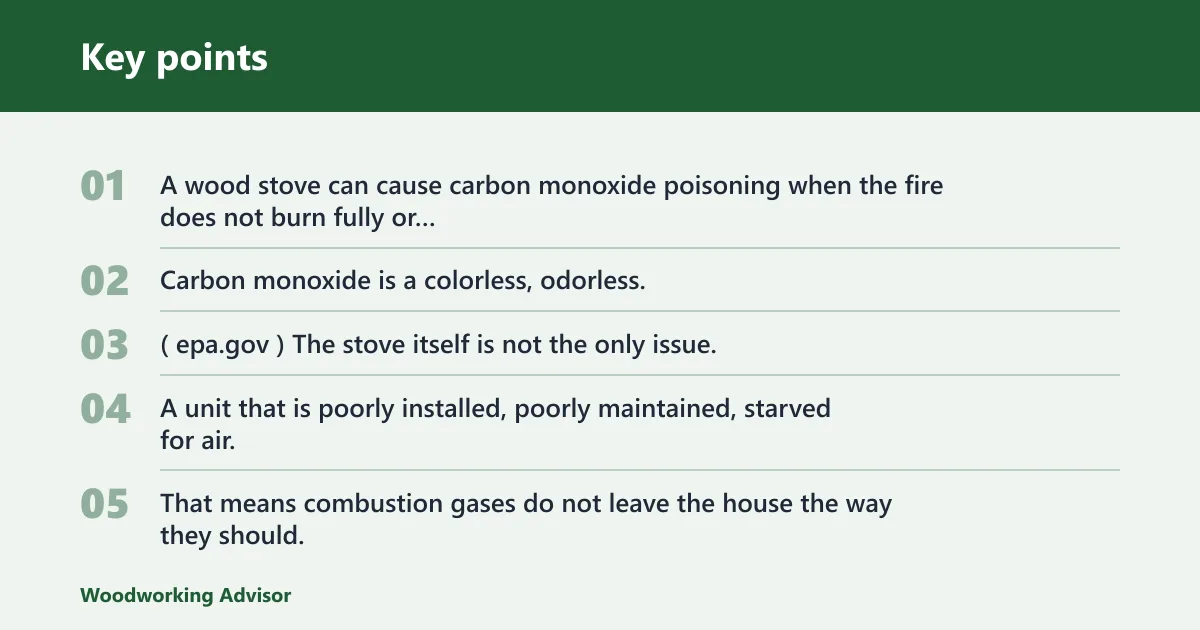
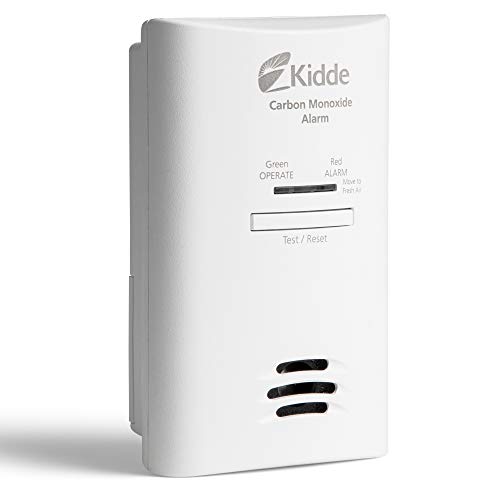
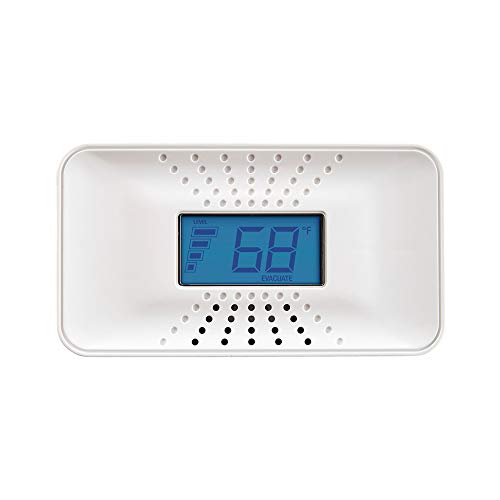

Yes. A wood stove can cause carbon monoxide poisoning when the fire does not burn fully or the vent path cannot carry exhaust outside. Carbon monoxide is a colorless, odorless, tasteless gas produced by incomplete combustion, and it can cause headache, dizziness, nausea, confusion, and loss of consciousness. (EPA)
The stove itself is not the only issue. A unit that is poorly installed, poorly maintained, starved for air, or connected to a weak vent system can backdraft. That means combustion gases do not leave the house the way they should.
Which stove problems create the highest risk?
The biggest risk comes from weak airflow and failed venting together. If the fire is smoldering, the chimney is blocked, or the door and flue seals are leaking, CO can build up indoors. Smoke odor can be a warning, but CO may be present even without a strong smell.
Suppose the stove starts cleanly, then the room fills with smoke after you close the door and cut the air too far. That pattern points to incomplete combustion and weak draft, not just a “dirty stove.”
What makes CO build up indoors?
CO builds up indoors when the stove cannot get enough oxygen or cannot move exhaust through the flue system. Weak draft, backdrafting, a cold flue, and house depressurization can all reverse or slow flow. Exhaust fans, range hoods, and other appliances can pull air through the house and interfere with the chimney.
A cold flue is a common start-up problem. Until the flue warms, draft can be weak, and smoke may spill when you light the fire or reload it. Downdrafts can do the same thing, especially in windy weather or when the chimney termination is exposed.
What house-pressure problems matter most?
Negative pressure is a major failure point. If kitchen fans, bath fans, clothes dryers, or a tight home are pulling more air out than replacement air can enter, the stove may backdraft. The chimney can become the easier path for air to move into the house instead of out of it. (Familyhandyman)
That is why recurring alarms are not always a stove defect. Sometimes the stove is sound, but the house is starving the appliance for replacement air.
Why CO happens with wood stoves
| symptom | likely cause | quick home check | when to call a professional |
|---|---|---|---|
| Smoky start-ups | Cold flue, weak draft, damp wood, or poor lighting technique | Check whether the flue was warmed before lighting and whether the wood is dry enough to light cleanly | If smoke keeps spilling at start-up after the flue is warmed and the chimney is clear |
| Recurring alarms | Backdrafting, blocked flue, house depressurization, or a leaking gasket | Turn off nearby exhaust fans and look for obvious smoke spillage at the stove door or flue joints | If alarms repeat after the stove is cooled, inspected, and relit under normal conditions |
| Backpuffing | Low draft, restricted airflow, or a fire that is smoldering instead of burning cleanly | Open the air control and look for heavy smoke, lazy flames, or slow response | If backpuffing happens more than once or if the stove has damage, warping, or liner issues |
| Blackened glass | Smoldering fire, wet fuel, or too little combustion air | Check the wood condition and whether the fire is being run too low for too long | If the glass blackens quickly even with dry fuel and proper air settings |
| Smoke smell after reloads | Door opened too soon, weak draft, worn seals, or room pressure pulling smoke out | Watch for a puff when the door opens and note whether fans were running | If smoke spills on every reload or if the door gasket no longer seals tightly |
A common first-timer mistake is thinking every odor or alarm means the stove body is failing. Often the real issue is the chimney draft, the air supply, or the room pressure around the appliance.
Can wet wood raise CO risk?
Yes. Wet or green wood raises smoke output and increases CO risk because it burns less completely. Dry, seasoned wood burns cleaner and helps the fire reach and hold a hotter, more stable flame. One common benchmark used by manufacturers and safety guidance is wood moisture below 20%.
Smoldering fires make the most carbon monoxide. That matters because people often damp the stove down too far to stretch a load, then wonder why the glass clouds up and the alarm sounds later.
What wet or green fuel does to the fire
Wet fuel steals heat to drive off water before the wood can burn well. That leaves more smoke, slower flames, and more unburned gases in the firebox. Those gases can move into the room if draft is weak or the chimney is partially blocked.
Picture a reload of damp splits after an overnight burn. The stove may seem lit, but the fire stays lazy, the flue stays cooler, and the odor of smoke lingers longer than it should.
Could the chimney or flue be blocked?
Yes. A chimney or flue must stay open and unobstructed so combustion gases can leave the house. Creosote, debris, bird nests, and a collapsed or damaged liner can trap CO and force it back indoors. A blocked chimney is a venting problem, not just a cleanliness problem.
When cleaning is enough and when a pro is needed
If the issue is light creosote or loose debris, a proper cleaning may restore draft. If the liner is damaged, the chimney is mis-sized, or smoke still spills after cleaning, the problem may be design- or repair-related and needs a professional inspection.
Door or flue damage can also leak CO into the living space. Worn parts should not be ignored, because a leak at the stove can act like a second path for exhaust to enter the room.
Where should CO detectors go in a house with a wood stove?
CO alarms should go on every level of the home and outside each sleeping area. That placement helps protect sleeping occupants and catches a problem even if it starts far from the stove room. Detectors should be tested monthly and batteries replaced annually.
Practical placement map
- Place one alarm on every level, including basements and finished attics.
- Place one alarm in the hallway outside each sleeping area.
- Keep an alarm near, but not directly beside, the stove room so it can warn of migration into the house.
- Test alarms monthly.
- Replace batteries annually unless the unit uses a sealed battery with a different service schedule.
Do not rely on a single detector in the stove room. If the problem starts in the chimney or the house is under negative pressure, CO may spread before the nearest unit gives the most useful warning.
How do you prevent carbon monoxide from a wood stove?
Prevention starts with airflow, venting, and fuel quality. Keep the chimney open and clean, burn seasoned wood, maintain door gaskets and seals, and avoid operating the stove so low that it smolders for long periods. If smoke or alarms keep returning, stop using the stove and get help.
- Burn dry, seasoned wood and avoid wet or green fuel.
- Warm a cold flue before lighting so draft starts sooner.
- Keep exhaust fans, range hoods, and other strong fans from competing with the stove during start-up.
- Inspect door gaskets and flue joints for leaks or wear.
- Have the chimney or flue cleaned and inspected regularly.
- Use CO alarms on every level and outside sleeping areas.
- Stop using the stove if alarms repeat or smoke spills indoors.
The best fix depends on the failure point. A soot-covered glass door points to poor combustion. Smoke on reloads points to draft or pressure. Repeated alarms after cleaning point to a larger venting or house-pressure issue.
When a chimney issue is maintenance versus design
A maintenance problem is something like creosote buildup, a nest, or loose debris. A design or sizing problem is different. That includes a chimney that is too short, a liner that is damaged or poorly matched to the appliance, or a system that cannot draft well in the home’s normal pressure conditions.
That distinction matters because cleaning alone will not fix every case. If the stove backdrafts every cold morning or every time a fan runs, the venting system may need more than maintenance.
Can a blocked chimney make a wood stove leak CO?
Yes. A blocked chimney can keep combustion gases from leaving the house and can push them back through the stove or leaks in the vent path. Blockage can come from creosote, debris, nests, or liner collapse, and any of those can turn a normal burn into an indoor exposure risk.
Stop using the stove if the chimney seems blocked, if smoke spills repeatedly, or if a detector sounds and you cannot identify a simple cause right away. A sweep or installer can tell the difference between routine cleaning and a repair issue.
Frequently asked questions
Can a wood stove cause carbon monoxide poisoning?
Yes. A wood stove can cause carbon monoxide poisoning if it is not burning cleanly or if its venting fails. The main triggers are incomplete combustion, poor draft, a blocked flue, wet fuel, or a house that is pulling exhaust back indoors.
Can you get carbon monoxide poisoning from a wood stove?
Yes. You can get carbon monoxide poisoning from a wood stove when exhaust gases do not leave the home as intended. Warning signs can include headache, dizziness, nausea, confusion, and loss of consciousness, especially if more than one person feels ill near the stove.
What causes carbon monoxide from a wood burning stove?
Carbon monoxide from a wood burning stove usually comes from incomplete combustion. The main drivers are too little combustion air, wet wood, a weak or cold flue, a blocked chimney, worn door gaskets, or pressure conditions in the house that reverse the draft.
What are the warning signs of carbon monoxide poisoning from a wood stove?
The warning signs include headache, dizziness, nausea, confusion, and loss of consciousness. A smoky room, repeated detector alarms, or symptoms that improve when you leave the house are urgent clues that the stove or venting system may be exposing people to CO.
Does burning wet wood increase carbon monoxide risk?
Yes. Wet wood burns cooler and dirtier, which increases smoke and carbon monoxide output. Seasoned wood burns cleaner and helps the stove stay in a hotter combustion range. If the fire smolders, CO risk rises, especially in a weak draft or partially blocked chimney.
Sponsored / affiliate links. As an Amazon Associate I earn from qualifying purchases. I may earn additional commission from eligible campaigns.