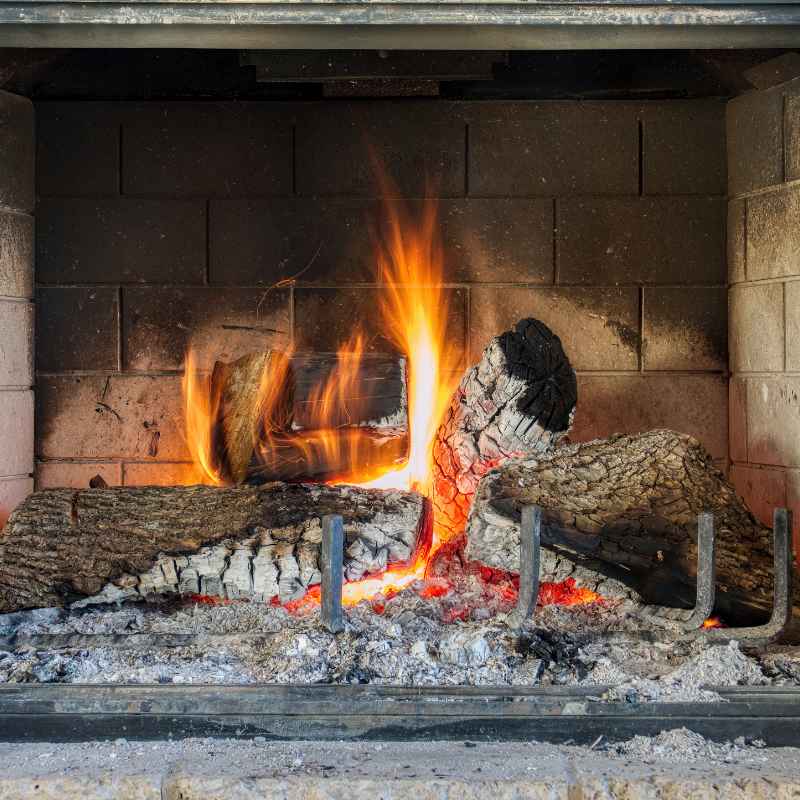
No Wood Burning In California

No Wood Burning In California: Rules Every Homeowner Knows

California often has no-burn days due to air quality concerns. These rules limit wood burning to protect public health, especially for those with respiratory issues. Homeowners should know when these restrictions apply and what alternatives are available to stay warm and compliant.

Understanding California’s Wood Burning Restrictions

California’s air is a big deal. The state has unique geography and a lot of people. This means air pollution can become a serious problem.

Wood smoke is a major source of fine particle pollution, often called PM2.5. These tiny particles can get deep into your lungs. They can cause breathing problems and other health issues.

This is especially true for children, older adults, and people with asthma or heart disease. To combat this, California air districts have rules about burning wood. These rules are designed to clean up the air.

They aim to make breathing easier for everyone.

The restrictions are not random. They are based on air quality forecasts. When pollution levels are expected to be high, burn bans are put in place.

This is often called a “No-Burn Day.” These days are announced by local air quality management districts. It’s important to know which district you live in. Each district has its own specific rules.

These rules can change based on weather patterns and the season.

Why Does California Restrict Wood Burning?

Think about a sunny day in a valley. The sun heats the ground. Warm air rises, taking pollution with it.

This is good for clearing the air. But on cold, still days, especially in winter, the opposite happens. Cold air traps warmer air above it.

This is called an inversion. Pollution from wood fires, cars, and industry gets stuck near the ground. Wood smoke adds a lot of fine particles to this trapped air.

These particles are invisible but harmful. They make the air thick and unhealthy to breathe.

The California Air Resources Board (CARB) sets state-wide goals for air quality. Local air districts then create rules to meet these goals. Wood burning is a target because it’s a significant source of PM2.5.

Reducing it helps meet federal and state air quality standards. It also makes the air visibly cleaner. Studies show that on no-burn days, particle pollution levels drop significantly.

This isn’t about stopping people from enjoying fires. It’s about balancing enjoyment with health. It’s about protecting the most vulnerable people in our communities.

The goal is cleaner air for all Californians. So, when you hear about a no-burn day, understand it’s for a good reason. It’s to safeguard everyone’s well-being.

Understanding California's Wood Burning Restrictions

Explore more about Wood Burning Solutions with this related post. Ninja Firewood Grill Stand: Setup, Use & Honest Review

My Own “Uh Oh” Moment with a Fireplace

I remember one chilly November evening a few years back. My parents were visiting, and the air outside had that crisp bite. I thought, “What better way to welcome them than a warm, inviting fi

About an hour later, my dad, who has mild asthma, started coughing. It wasn’t severe, but it was noticeable. Then, I started to feel a slight tickle in my own throat.

The air in the room, which had felt so cozy, now seemed a little heavy. A faint smoky smell, barely there before, became more apparent. I suddenly remembered seeing a flyer about wood burning restrictions.

A wave of guilt washed over me. I had prioritized a cozy moment over my dad’s health and the local air quality. It was a quick, uncomfortable realization.

I quickly put out the fire, opened the windows, and felt a little foolish but also grateful for the reminder. It taught me a valuable lesson about being more mindful.

What Are the Current California Wood Burning Rules?

California’s wood burning rules are managed by local air districts. There isn’t one single statewide law that applies to all homes all the time. Instead, each of the 35 air districts in California has its own regulations.

These rules often fall into a few main categories.

First, there are the “check your alerts” rules. Most districts have a system where they issue daily forecasts for wood burning. You can usually find this on their website or by calling a hotline.

If the forecast is “unhealthy” or “very unhealthy” for particulate matter, then burning wood in your fi

Second, some districts have rules about the type of appliance you use. Newer, more efficient wood stoves that meet EPA standards often have fewer restrictions. They produce less smoke than old, open fireplaces.

Some rules might exempt these cleaner-burning devices, but not always on the worst air quality days. Open masonry fireplaces are usually the most restricted.

Third, there are “exemptions.” Some rules allow burning under certain circumstances. For instance, if your home is heated solely by electricity or gas, and wood is your only heat source, you might be exempt on some no-burn days. This is to prevent people from freezing.

However, these exemptions are rare and often require pre-approval or specific conditions. It’s always best to check with your local air district.

Finally, some areas have “phase-out” rules. This means that over time, certain types of wood-burning devices are being banned or required to be upgraded. For example, an old, inefficient fireplace might be restricted from use, while a new, certified stove is allowed under more conditions.

These rules are designed to push people towards cleaner heating methods.

The key takeaway is this: always check your local air district’s rules. Don’t assume. Websites like the California Air Resources Board (CARB) can help you find your local district. Knowing the rules for your specific area is the first step to compliance.

Want to learn more about Wood Burning Solutions? This post could provide more insights. New York Wood Burning Oven: Top Picks For Authentic Pizza

Wood Burning Appliance Types & Rules

EPA-Certified Wood Stoves: These are designed to burn wood more efficiently and produce less smoke. They are generally allowed on more days than open fi

Masonry Fireplaces (Traditional): These are the most common type of open fireplace. They are often the most restricted because they are very inefficient and release a lot of smoke directly into the air. Many no-burn day rules apply specifically to these.

Pellet Stoves: These use compressed wood pellets as fuel. They are generally considered much cleaner than traditional wood stoves and fireplaces. Regulations for pellet stoves can vary, but they are often less restricted than wood burners.

Who Issues These Wood Burning Restrictions?

The main authorities responsible for issuing wood burning restrictions in California are the local air pollution control districts (APCDs) or air quality management districts (AQMDs). There are 35 of these districts across the state, each covering a specific geographical area.

These districts are responsible for monitoring air quality within their boundaries. They also enforce air pollution laws. When air quality reaches unhealthy levels due to particulate matter, they have the power to implement emergency measures.

A common emergency measure is the “health advisory” or “no-burn alert.”

The California Air Resources Board (CARB) plays a coordinating role. CARB sets the overall air quality standards and provides guidance to the local districts. They also conduct research and develop statewide programs to reduce air pollution.

However, CARB does not typically issue daily no-burn orders for specific homes. That authority rests with the local districts.

For example, if you live in Los Angeles County, you’ll follow the rules set by the South Coast Air Quality Management District (SCAQMD). If you are in the San Francisco Bay Area, you’ll follow the rules of the Bay Area Air Quality Management District (BAAQMD). Each district has its own website where you can find current air quality information and burn day status.

It is crucial to know which district you are in. A quick search for ” Air District” will usually lead you to the correct agency. This is the single most important step to understanding your local rules.

Curious about Wood Burning Solutions? We've got more info in this linked article. Outdoor Wood Burning Sauna: Build Or Buy The Right One

What Does “No-Burn Day” Actually Mean for Homeowners?

When a “No-Burn Day” is declared in your area, it means you are prohibited from burning wood in your home’s fireplace or wood stove. This prohibition usually starts at midnight of the day it’s declared and lasts until midnight of the next day. Sometimes, restrictions can last for several days if air quality doesn’t improve.

This ban applies to all types of wood burning. This includes:

  • Open wood-burning fireplaces.
  • Wood stoves (even EPA-certified ones).
  • Outdoor fire pits and chimineas.
  • Campfires (though these have separate rules managed by forestry and park services).

The purpose is to reduce the amount of fine particulate matter (PM2.5) released into the atmosphere. These particles are microscopic. They can cause serious health problems when inhaled.

Children and people with respiratory conditions like asthma are particularly at risk.

Most no-burn days are declared during the cooler months, typically November through February. This is when weather patterns often trap pollution. However, smoke from wildfires can also lead to no-burn days at other times of the year.

Air districts issue these alerts based on real-time air quality monitoring and weather forecasts.

Failing to comply with a no-burn day can result in warnings or fines. The penalties can vary depending on the district and whether it’s a first offense. The fines are intended to encourage compliance and highlight the seriousness of the air quality issue.

The goal is not to punish, but to protect public health and improve air quality for everyone.

Key Restrictions on a No-Burn Day:

What’s Banned: Burning wood in fireplaces, wood stoves, outdoor fire pits.

Why: To reduce PM2.5 pollution that harms health.

When: Usually announced daily, typically November to February.

Who: Applies to most residential wood-burning devices.

Enforcement: Warnings and fines for non-compliance.

Why Are Open Fireplaces So Heavily Restricted?

Open masonry fireplaces, the kind most people picture when they think of a cozy home, are often the biggest target for wood burning restrictions. There are a few solid reasons why these are regulated so strictly. Understanding these helps explain why your beautiful hearth might have to sit cold on certain days.

First and foremost, inefficiency is the main culprit. Traditional fireplaces are not very good at burning wood completely. A lot of the smoke and unburned particles go straight up the chimney and into the air.

Studies suggest that as much as 70-90% of the smoke from an open fireplace is released into the atmosphere. This is a huge amount of pollution from a single source.

Second, they are poor heat sources for your home. While they create a lovely ambiance, they often draw more heat out of your house than they put in. The fire needs air to burn, and that air is drawn from inside your home.

This means your furnace has to work harder to keep the house warm. So, you might be burning wood for heat, but you’re actually using more energy overall. This is contrary to the goal of reducing overall energy consumption and pollution.

Third, the combustion process is uncontrolled. Unlike a modern wood stove with regulated airflow, an open fireplace is subject to drafts and variations in how the wood burns. This leads to incomplete combustion, producing more smoke and harmful emissions.

The smoke can also easily spill out into the room if the draft isn’t perfect.

Because of these factors, open fireplaces are a major contributor to the PM2.5 problem in California, especially on stagnant air days. Air districts understand this and therefore place the most stringent restrictions on them. While they are beautiful to look at, their environmental impact makes them a primary focus for regulation when air quality suffers.

Looking to expand your knowledge on Wood Burning Solutions? You’ll find this post helpful. Portable Indoor Wood Stove: Best Options For Small Spaces

Real-World Scenarios: When You Might See Restrictions

Imagine you live in the inland Empire area of Southern California. It’s a cold January morning. The sky looks hazy, not from clouds, but from a general lack of clarity.

The temperature dropped overnight, and there’s barely any wind. This is a recipe for a serious air quality alert. The South Coast AQMD will likely declare a “No-Burn Day” for that day.

That beautiful fireplace in your living room must remain unlit. This is common in valleys and basins where pollution gets trapped easily.

Now, consider the Central Valley. During the winter months, persistent fog and inversions are a regular occurrence. Areas like Fresno, Bakersfield, or Sacramento often experience extended periods of unhealthy air.

The San Joaquin Valley APCD (which covers these areas) will issue no-burn alerts frequently during these times. You might see a string of consecutive no-burn days. This affects thousands of homes that rely on wood for supplemental heat or ambiance.

Another scenario is related to wildfires. Even if your home is miles away from a fire, the smoke can travel. During wildfire season, smoke plumes can blanket large regions.

This smoke is incredibly high in particulate matter. Air districts might issue no-burn days, even in areas that don’t typically have winter inversions, to prevent adding more pollution to an already choked atmosphere. I recall a summer a few years ago when smoke from fires in Northern California made the air quality in my town hazardous for days.

Burning wood then would have been unthinkable and likely illegal.

Finally, think about special events. Sometimes, if there’s a major air pollution episode due to unusual weather, restrictions might be put in place even outside the typical winter season. The goal is always to protect public health when the air is especially dangerous to breathe.

Want to learn more about Wood Burning Solutions? This post could provide more insights. Skyline Wood Burning Stove: Review, Heat Output And Value

Scenario Snapshot:

Location: Inland Southern California (e.g., Riverside, San Bernardino).

Conditions: Cold winter morning, little wind, hazy skies.

Action: Air district declares a “No-Burn Day.”

Impact: All residential wood burning is prohibited.

Reason: Inversion traps pollution, wood smoke worsens air quality significantly.

What This Means for Your Home and Heating

The restrictions on wood burning mean you need a reliable alternative for heating your home, especially during colder months. If wood was your primary or only heat source, this is a significant change. Even if it was just for ambiance, you’ll need to adjust your habits on no-burn days.

Primary Heating Source: If your home is heated by natural gas, electricity, or propane, then the no-burn days are mainly about limiting recreational burning. You can still use your main heating system. Many people find they appreciate their gas furnace or electric heater more on these days.

It’s a trade-off for cleaner air. Ensure your primary heating system is well-maintained and efficient. This will help keep your energy bills lower and your home comfortable.

Supplemental Heating: If you use a wood stove or fireplace to supplement your main heat, you’ll need to rely more heavily on your primary system on no-burn days. Consider having a backup electric heater or ensuring your thermostat is set to maintain a comfortable temperature. For those who rely on wood for economic reasons, this can be a challenge.

Some communities offer assistance programs or incentives to switch to cleaner heating sources.

Ambiance: For those who burn wood mainly for the cozy atmosphere, you’ll need to find alternatives. Electric fi

Home Efficiency: These restrictions also highlight the importance of a well-insulated home. A home that retains heat well requires less energy to keep warm. Checking for drafts around windows and doors, adding insulation, and using heavy curtains can make a big difference.

This makes relying on your primary heating system much more effective.

It’s about adapting. California is focused on reducing pollution, and wood smoke is a major target. Understanding these implications helps you plan and adjust your home’s heating and ambiance strategies accordingly.

Quick Check: Is Wood Your Only Heat?

Yes: You might have exemptions. Contact your local air district IMMEDIATELY to understand the specific rules and application process.

No (Supplemental): Plan to use your primary heating system on no-burn days. Consider energy-efficient options.

No (Ambiance Only): Prepare to use alternative ways to create atmosphere. Electric fireplaces or other decor can help.

What Are the Consequences of Violating No-Burn Rules?

Violating wood burning restrictions in California isn’t just a slap on the wrist. While enforcement can vary by district, there are real consequences. The goal of these penalties is to encourage compliance and protect public health.

It’s not meant to be punitive without reason, but to ensure everyone plays their part in keeping the air clean.

First Offense: Warning or Fine. For a first-time violation, you might receive a warning. This serves as an official notification that you have broken the rules. However, many districts will issue a monetary penalty even for a first offense.

Fines can range from around $25 to $100 or more, depending on the specific air district and the circumstances.

Subsequent Offenses: Increased Fines. If you are caught violating the no-burn rule again, the fines typically increase significantly. Repeat offenders can face penalties of several hundred dollars per violation. Some districts have tiered fine structures that escalate with each subsequent violation over a specific period (e.g., within a year or two).

Complaint-Based Enforcement: Often, enforcement is complaint-driven. Neighbors might report excessive smoke or someone seen burning on a no-burn day. Air district inspectors may patrol areas known for wood burning or respond to citizen complaints.

They can issue citations on the spot.

Legal Action: In rare and extreme cases, especially for persistent and egregious violators, air districts have the authority to pursue more serious legal action. This could involve administrative hearings or even court proceedings, though this is uncommon for typical residential violations.

It’s important to remember that these rules are in place because of serious public health concerns. Particulate matter from wood smoke is linked to increased hospital visits, emergency room visits, and even premature deaths. The fines are a way to emphasize the importance of clean air.

The best approach is to stay informed about your local no-burn day status and to comply.

Are There Any Exemptions to the Rules?

Yes, in some limited circumstances, there can be exemptions to California’s wood burning restrictions. However, these are usually very specific and not broadly applied. You cannot simply decide you want to burn wood and claim an exemption.

They are designed for situations where there are no viable alternatives for essential heating.

The most common type of exemption is for homes where wood is the sole source of heat. If your house does not have any other form of heating (like natural gas, electricity, or propane), you may be exempt from no-burn day rules. However, this exemption typically comes with strict conditions:

  • Must Be Your Only Heat: You have to prove that wood is literally the only way your home is heated.
  • Use an EPA-Certified Appliance: Often, this exemption is only valid if you are using a modern, EPA-certified wood stove, not an open fireplace.
  • Daily Limits May Apply: Even with an exemption, there might be limits on how much wood you can burn or specific times you can burn.
  • Registration Required: You often need to register with your local air district and get specific permission or an exemption certificate. This process ensures the exemption is legitimate.

Another potential exemption, though less common for residential burning, might be for certain commercial or industrial uses. However, these are highly regulated and not relevant to the average homeowner.

Important Note: The trend in California is towards stricter regulations and phasing out older, more polluting wood-burning devices. While exemptions exist, they are becoming rarer. It is always best to assume no burning is allowed on a declared no-burn day unless you have explicitly confirmed an exemption with your local air district and meet all their requirements.

Never assume you are exempt. Always check with your local air quality management district. They are the final authority on who qualifies for an exemption and what conditions apply.

Exemption Check:

Sole Source of Heat: This is the most likely exemption.

EPA-Certified Appliance: Usually required for any exemption.

Air District Approval: Formal registration and permission are almost always needed.

No Assumption: Always verify with your local air district.

How to Stay Informed About No-Burn Days

Staying informed about no-burn days is critical for compliance and protecting your health. Thankfully, California air districts make this information readily available. Here’s how you can stay in the loop:

1. Identify Your Local Air District: This is the first and most important step. Search online for ” Air Quality District” or ” Air Pollution Control District.” Websites like the California Air Resources Board (CARB) also have a directory of local air districts.

2. Visit Their Website: Once you know your district, go to their official website. Most districts have a prominent section dedicated to wood burning regulations.

Look for terms like “Burn Program,” “Burn Status,” “No-Burn Days,” or “Air Quality Alerts.”

3. Check Daily Forecasts: Many districts offer a daily wood-burning forecast. This is usually a simple “OK to Burn” or “No-Burn Day” status.

Some districts use color-coded systems (e.g., green for OK, red for No-Burn).

4. Sign Up for Email/Text Alerts: The most proactive way to stay informed is to sign up for automated alerts. Most air districts offer email notifications or text message alerts for no-burn days.

This way, you get the information directly without having to remember to check.

5. Call the Hotline: If you don’t have internet access or prefer to call, many districts have a dedicated hotline. You can call this number to hear a recorded message about the current burn status.

6. Social Media: Some air districts also post updates on their social media channels (like Facebook or Twitter). Following them can be another quick way to get the latest information.

7. Check the Weather and Air Quality Apps: While not always specific to wood burning, general air quality apps and weather forecasts can give you clues. If the forecast predicts stagnant air and high particulate matter, it’s a good indicator that a no-burn day might be declared.

Make it a habit to check the status, especially during the winter months. A quick check each morning during burn season can save you a potential fine and help keep the air cleaner for everyone.

Your Action Plan for Staying Informed:

Action 1: Find your local air district online.

Action 2: Bookmark their website’s burn status page.

Action 3: Sign up for email or text alerts.

Action 4: Make a quick daily check during burn season.

Alternatives to Wood Burning for Heat and Ambiance

Since wood burning is restricted for significant parts of the year in California, exploring alternative ways to heat your home and create a cozy atmosphere is smart. Fortunately, there are many excellent options available that are cleaner and often more efficient.

Clean Heating Options:

  • Natural Gas Furnaces: These are a very common and reliable heating source in California. They burn natural gas cleanly and provide consistent heat.
  • Electric Heaters: From central electric furnaces to portable space heaters, electricity can power your home’s warmth. While electricity generation can have its own environmental impact, direct burning of fuel in your home is eliminated.
  • Propane Heaters: In areas not served by natural gas lines, propane heaters are a good alternative.
  • Heat Pumps (including Ductless Mini-Splits): These systems are highly energy-efficient. They use electricity to move heat into your home from the outside air. They can provide both heating and cooling.

Ambiance Alternatives:

  • Electric Fi
  • Ventless Gas Fireplaces: These burn natural gas or propane and do not require a chimney. They are efficient but do release some byproducts into the room, so ventilation is still important.

  • Candles and Lanterns: Simple, classic candles can create a warm, inviting glow. Use them safely and never leave them unattended.

  • Decorative Lighting: String lights, accent lamps, and other decorative lighting can set a cozy mood.

  • Warm Textiles: Soft blankets, plush rugs, and comfortable throws add to a sense of warmth and coziness.

When considering new heating systems, look for ENERGY STAR certified appliances. These are designed to be more energy-efficient, saving you money on utility bills and reducing your overall environmental footprint. Many local utilities and the state government offer rebates or incentives for upgrading to more efficient heating systems, including heat pumps.

What to Do If You Have Questions or Need Help

Navigating wood burning rules can sometimes feel confusing. If you have questions or need clarification on the regulations in your area, don’t hesitate to reach out for help. Your local air district is the primary resource.

1. Contact Your Local Air District: Every air district has a public information line or an environmental compliance department. These offices are staffed by knowledgeable individuals who can answer specific questions about no-burn days, exemptions, appliance certifications, and enforcement.

They are usually very helpful and can guide you through the regulations that apply to your home.

2. Visit Their Website: As mentioned before, the air district’s website is a treasure trove of information. Look for FAQs (Frequently Asked Questions) sections, downloadable guides, and links to relevant regulations.

The information is usually presented in a way that is understandable to the general public.

3. Consider a Certified Technician: If you have a wood-burning appliance, and you’re unsure about its compliance status or need advice on maintenance, consult a certified chimney sweep or a technician who specializes in wood stoves. They can often offer insights into the efficiency of your appliance and whether it meets current standards.

4. Community Resources: Sometimes, local community organizations or environmental groups might offer workshops or information sessions on air quality and home heating. These can be valuable for understanding local issues and available alternatives.

Remember, the goal of these regulations is to improve air quality for everyone. By asking questions and seeking clarity, you ensure you are doing your part correctly. It’s better to ask than to risk a fine or, more importantly, contribute to unhealthy air.

Frequently Asked Questions

What is the main reason for California’s no wood burning rules?

The primary reason is to reduce fine particulate matter (PM2.5) in the air. Wood smoke releases these tiny particles, which are harmful to health, especially for people with respiratory or heart conditions. These rules are especially important during cold weather when pollution gets trapped near the ground.

Are EPA-certified wood stoves exempt from no-burn days?

Generally, EPA-certified wood stoves are more efficient and produce less smoke than older models. However, they are usually still restricted on days when air quality is very poor, which are declared “no-burn days.” Some districts might have fewer restrictions for certified stoves compared to open fireplaces, but exceptions are rare on critical days.

How do I find out if it’s a no-burn day in my area?

You need to check with your local air quality management district. Visit their website, sign up for email or text alerts, or call their hotline. Each district has its own system for announcing burn status.

The California Air Resources Board (CARB) website can help you find your local district.

Can I burn wood in my outdoor fire pit on a no-burn day?

No, typically outdoor fire pits and chimineas are also included in no-burn day restrictions. The goal is to reduce all sources of wood smoke that contribute to poor air quality. Always check your local district’s rules, but assume outdoor fires are also banned on these days.

What if wood is my only source of heat?

If wood is your sole source of heat, you might qualify for an exemption. However, you must register with your local air district and meet specific requirements, which often include using an EPA-certified appliance. It is crucial to contact your air district directly to understand the process and conditions for any potential exemption.

Are there fines for burning on a no-burn day?

Yes, there are typically fines for violating no-burn day regulations. The amount can vary by district and whether it is a first offense or a repeat violation. Fines are meant to encourage compliance and highlight the importance of protecting air quality.

When do wood burning restrictions usually apply in California?

The most common restrictions occur during the cooler months, typically from November through February. This is when weather patterns often lead to poor air quality. However, restrictions can also be declared at other times of the year, especially if wildfire smoke significantly impacts air quality.

Conclusion

Understanding California’s no wood burning rules is essential for homeowners. These restrictions are in place to protect public health by reducing harmful air pollution. While it might mean foregoing a cozy fire on certain days, complying with these rules helps ensure cleaner air for everyone.

Always check your local air district’s status before burning. By staying informed and adapting, you can enjoy your home safely and responsibly.

Similar Posts