Mahogany Vs Walnut Color: Ultimate Guide to Choosing the Perfect Hue
Choosing the right wood color for your furniture or home décor can be tricky. You might find yourself wondering: Should I go with mahogany or walnut?
Both colors offer rich, warm tones that can transform any space. But which one fits your style and needs better? This guide will help you see the clear differences and make a confident choice. By the end, you’ll know exactly which wood color matches your vision and brings the perfect vibe to your space.
Keep reading—you won’t want to miss these eye-opening insights!
Mahogany Color Profile
Mahogany is a rich, deep color loved for its classic look. It often appears in furniture, flooring, and design. This color brings warmth and elegance to any space. Understanding its profile helps choose the right shade for your needs.
Origins And Characteristics
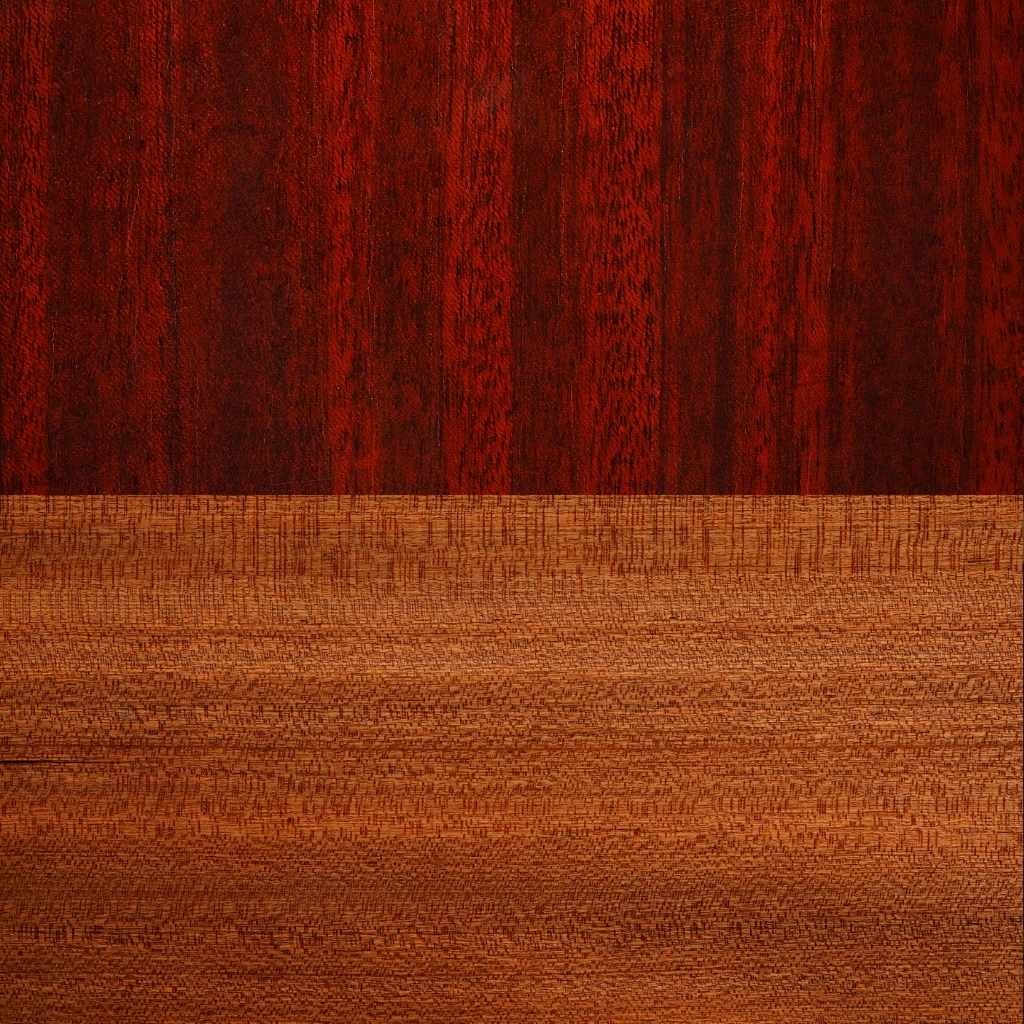
Mahogany color comes from the wood of the mahogany tree. It has a reddish-brown base with a natural shine. The wood is dense and smooth, giving the color a strong presence. Its warm tones create a cozy feeling in rooms.
Common Shades And Variations
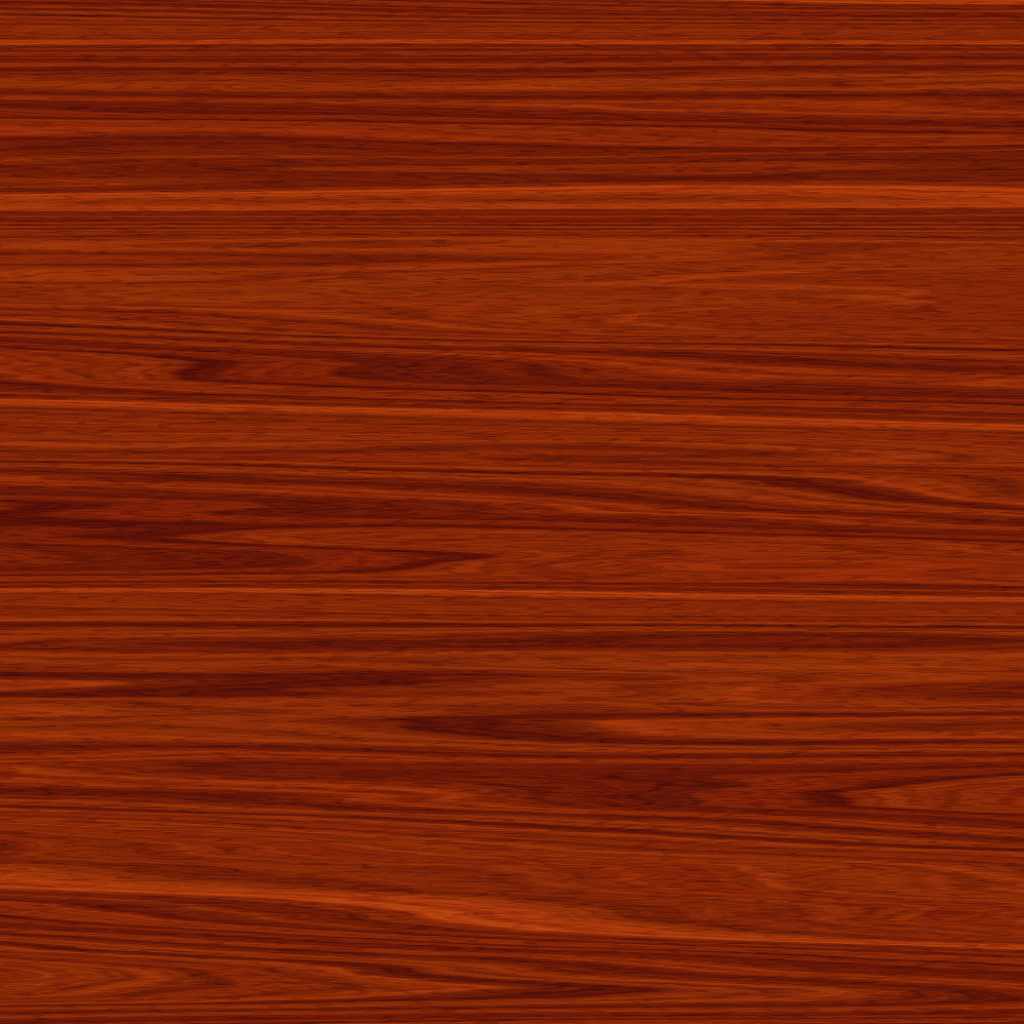
Mahogany ranges from light reddish-brown to dark, almost black. Some shades have a slight orange or purple tint. These variations depend on the wood type and finishing process. Each shade offers a unique look while keeping the warm feel.
Visual Appeal And Warmth
Mahogany color adds richness to furniture and walls. It blends well with neutral and earthy tones. The warmth of mahogany makes spaces feel inviting and comfortable. It’s a timeless choice for traditional and modern styles.
Walnut Color Profile
Walnut color shows a rich, dark brown tone with subtle hints of gray. Mahogany tends to have a warmer, reddish-brown shade. Both offer elegant looks but differ in warmth and depth.
Origins And Characteristics
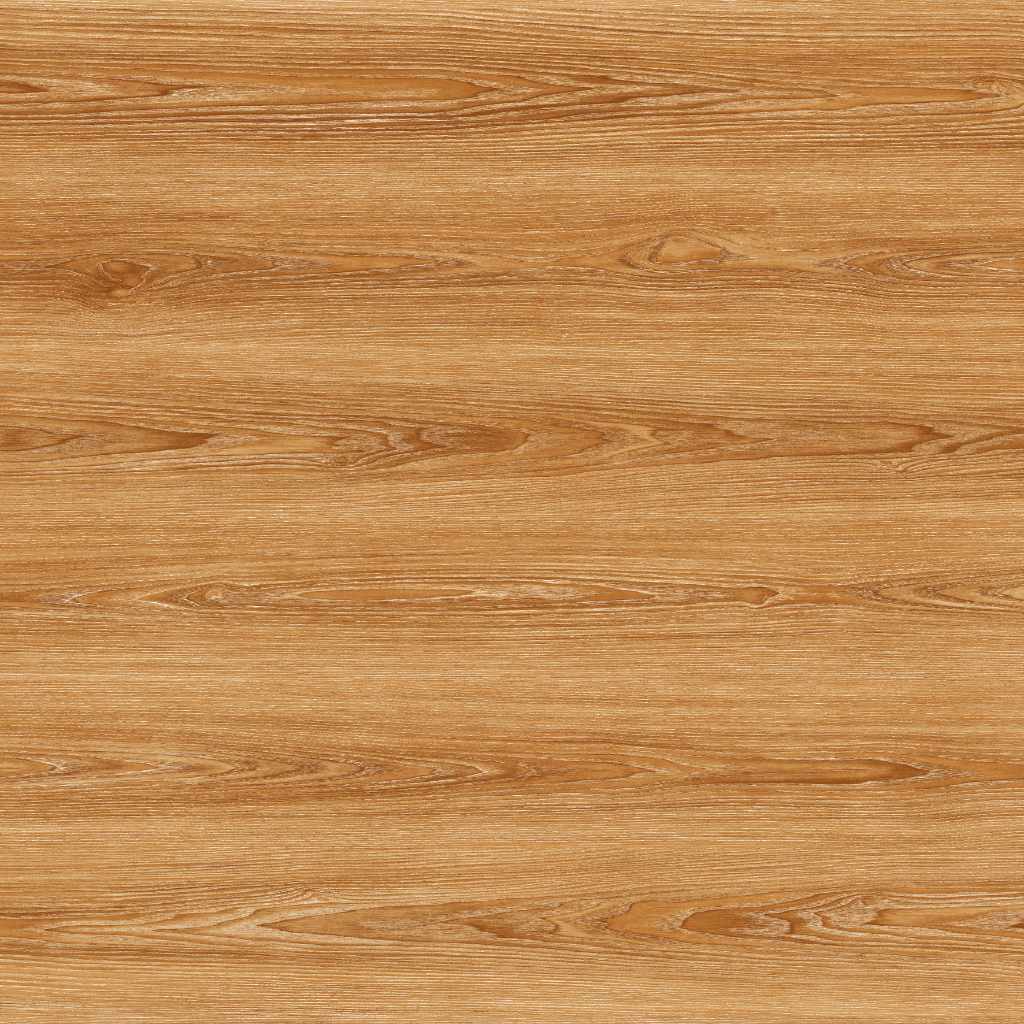
Walnut color comes from the walnut tree, known for its rich wood. The wood has a smooth texture with a fine grain. Its color ranges from light to dark brown, often with a slightly purple or gray tone. Walnut wood is strong and durable, making it popular for furniture and flooring.
The natural warmth of walnut color adds a cozy feel to any space. It ages well, developing a deeper patina over time. The shade is classic and timeless, often linked with elegance and quality.
Common Shades And Variations
Walnut color appears in many shades. Light walnut has a soft, creamy brown look. Medium walnut shows richer brown with hints of red. Dark walnut offers deep brown, almost black tones.
These variations allow walnut to fit many styles. The color may shift under different lights, sometimes looking warmer or cooler. Its natural pattern gives each piece a unique appearance.
Visual Appeal And Versatility
Walnut color fits well in both modern and traditional settings. It pairs nicely with neutral colors and bright accents. The color adds depth without overwhelming a room.
Walnut works for furniture, cabinetry, and floors. It blends well with metals like brass and steel. The color’s versatility makes it a favorite for many designers and homeowners.
Comparing Mahogany And Walnut
Mahogany and walnut are two popular wood choices for furniture and decor. Both have rich colors and unique textures. Understanding their differences helps in choosing the right wood for your project. Below, we explore key aspects such as color tone, grain, and durability.
Color Tone Differences
Mahogany usually shows a deep reddish-brown color. Its warm tones create a classic, elegant look. Walnut tends to have a cooler, dark brown shade. It often has hints of gray or purple. The walnut color can change under different lights. Mahogany stays more consistent in tone.
Grain And Texture Comparison
Mahogany has a straight, fine grain. Its texture feels smooth and even to touch. Walnut grain is more varied and can be wavy or curly. This makes walnut visually interesting and unique. Both woods have a natural shine when polished. Walnut’s grain adds a natural, rustic charm.
Durability And Aging
Mahogany is strong and resists wear well. It ages with a rich patina, improving over time. Walnut is also durable but slightly softer than mahogany. It darkens and gains depth as it ages. Both woods last long with proper care. They develop character, adding value to your items.
Choosing For Interior Design
Choosing the right wood color for interior design shapes the room’s feel. Mahogany and walnut offer unique tones that affect mood and style. Understanding their differences helps create a balanced space. Consider furniture, walls, and light carefully.
Each factor plays a role in how these colors look in your home. Think about the style you want, the wall shades, and how light changes the wood’s appearance. This guide helps you decide between mahogany and walnut for your interior.
Matching With Furniture Styles
Mahogany fits classic and traditional furniture styles well. Its deep reddish tone adds warmth and richness. Walnut suits modern and mid-century designs. The dark brown shade brings elegance and calmness.
Choose mahogany for rooms with ornate, vintage pieces. Walnut works better with clean lines and simple shapes. Both woods can match rustic styles but create different moods.
Complementing Wall Colors
Mahogany pairs nicely with light cream, beige, and soft gray walls. These colors highlight its red undertones. Walnut looks great with cool blues, greens, and white walls. They make the wood’s brown color pop.
Avoid bright or neon walls, as they clash with both woods. Neutral wall colors keep the room balanced and cozy. Test paint samples with wood pieces to see the true effect.
Lighting Impact On Color
Natural light brings out mahogany’s reddish warmth. It glows in sunlight, adding life to the space. Walnut appears richer in warm artificial light. Yellow or soft white bulbs enhance its depth.
Dim lighting may dull mahogany, making it look darker. Walnut can turn almost black in low light. Adjust lighting to keep the wood color vibrant and inviting.
Using Mahogany And Walnut In Flooring
Mahogany and walnut are popular choices for hardwood flooring. Both woods bring natural beauty and warmth to any space. They offer different shades and grain patterns that suit various styles. Understanding their use in flooring helps choose the right wood for your home.
Suitability For Different Rooms
Mahogany has a rich, reddish-brown color. It fits well in living rooms and dining areas. Walnut shows deep brown tones with a smooth grain. It works great in bedrooms and offices. Both woods handle moderate foot traffic well. Avoid using them in very wet or high-moisture places like bathrooms.
Maintenance And Longevity
Mahogany floors need regular dusting and occasional polishing. Walnut requires similar care to keep its shine. Both resist scratches better than softer woods. Refinishing can restore their look after years. Proper cleaning and prompt spill removal extend their life.
Cost Considerations
Mahogany usually costs more than walnut. This is due to its rarity and rich color. Walnut offers a more affordable option with elegant appearance. Installation costs are similar for both woods. Consider long-term value, not just upfront price.
Mahogany And Walnut In Furniture
Mahogany and walnut are popular wood choices in furniture making. Both offer rich colors and strong durability. They add warmth and elegance to any room. Understanding their differences helps in picking the right wood for your furniture needs.
Style Compatibility
Mahogany suits traditional and classic designs well. Its reddish-brown color blends with warm, cozy spaces. Walnut fits modern and rustic styles. Its darker, chocolate tones match well with neutral and cool colors. Both woods work great for formal and casual furniture.
Finish Options
Mahogany takes stain and polish easily. It can shine with a glossy or satin finish. Walnut shows its natural grain better with lighter finishes. Oil and wax finishes highlight its texture and depth. Both woods can be sealed to protect against wear.
Trends And Popular Uses
Mahogany remains popular in dining tables and cabinets. Walnut is favored for desks and bedroom furniture. Walnut’s rich, dark color fits well in minimalist and mid-century modern trends. Mahogany keeps its place in vintage and antique-style pieces. Both woods stay timeless in furniture design.
Environmental And Sustainability Factors
Choosing between mahogany and walnut means thinking about the environment. Both woods come from trees that grow for many years. How these trees are harvested affects forests and wildlife. Sustainable choices help protect nature for future generations. Understanding the source, alternatives, and certifications can guide better decisions.
Source And Harvesting Practices
Mahogany often grows in tropical rainforests. These forests face high rates of deforestation. Walnut usually comes from temperate forests in North America and Europe. Sustainable harvesting means taking trees at a rate that allows forest regrowth. Illegal logging and clear-cutting harm ecosystems. Responsible suppliers use selective cutting and replant trees.
Eco-friendly Alternatives
Wood alternatives reduce pressure on natural forests. Reclaimed wood offers a second life for old timber. Bamboo grows fast and can replace hardwood in some uses. Engineered wood products use smaller pieces of wood efficiently. These choices lower demand for slow-growing trees like mahogany and walnut.
Certifications To Look For
Certifications prove wood comes from responsible sources. FSC (Forest Stewardship Council) is a trusted global label. It ensures forests are managed with care. PEFC (Programme for the Endorsement of Forest Certification) is another reliable option. Certified wood supports conservation and fair worker treatment. Always check for these marks before buying.
Frequently Asked Questions
What Is The Main Color Difference Between Mahogany And Walnut?
Mahogany has a reddish-brown hue, while walnut features a rich, dark brown color. Mahogany appears warmer, and walnut looks cooler and deeper. Both woods develop character with age but maintain distinct tones.
Which Wood Is Better For Furniture, Mahogany Or Walnut?
Both woods are excellent for furniture, but mahogany offers more durability and a classic look. Walnut is prized for its unique grain patterns and modern appeal. Choice depends on style preference and desired wood characteristics.
How Do Mahogany And Walnut Differ In Wood Grain Patterns?
Mahogany has a straight, fine grain with occasional interlocking patterns. Walnut displays a more varied grain, including straight, wavy, and curly patterns. Walnut’s grain tends to be more visually striking and diverse.
Are Mahogany And Walnut Equally Durable For Flooring?
Mahogany is moderately hard and durable, suitable for flooring. Walnut is slightly softer but still durable for light to moderate foot traffic. Both woods require proper finishing to enhance longevity and resistance.
Conclusion
Choosing between mahogany and walnut color depends on your style and space. Mahogany offers a warm, reddish tone that feels rich and classic. Walnut brings a deep, chocolate brown shade that looks modern and sleek. Both colors add beauty and elegance to furniture or decor.
Think about the mood you want to create. Light or dark? Warm or cool? Either choice can enhance your room’s look. Trust your taste and the feel you want in your home. Simple, timeless colors like these rarely go out of style.