Real Examples of Mahogany Wood: Furniture, Boats, Doors, and Instruments
Mahogany’s reputation comes from real historical use, not marketing: Chippendale furniture in the 1700s, Chris-Craft runabouts in the mid-20th century, and pipe organs and fine string instruments today. Looking at what mahogany was actually chosen for, and why, tells you more about the wood than a generic list of adjectives.
Furniture: Where Mahogany Built Its Reputation
Try It Yourself On A Small Project First
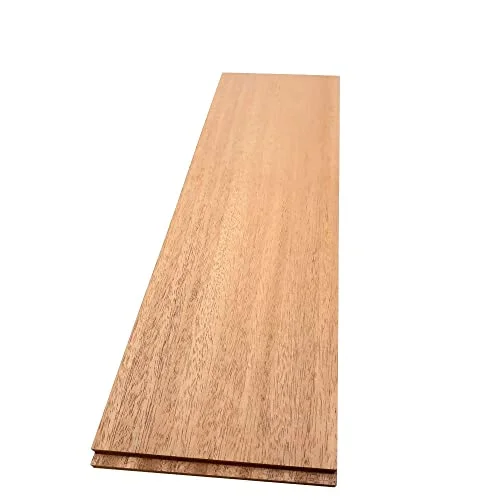 |
The Hardwood Edge Mahogany Hardwood Planks, 2-Pack – $21.56 Real, genuine mahogany in a small enough size to try a first project — a box, a cutting board, an inlay accent — before committing to a larger piece.
|
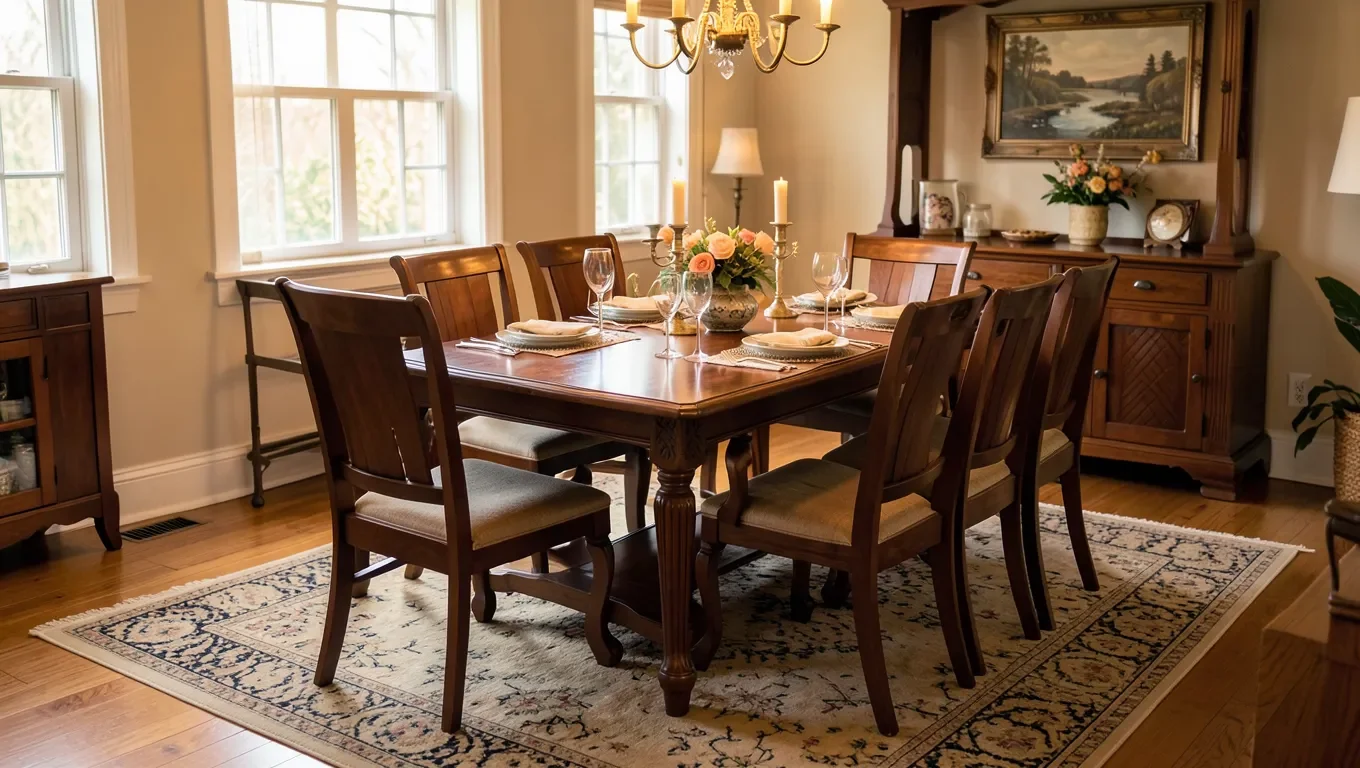
Mahogany became the signature wood of 18th-century English furniture largely through Thomas Chippendale, whose 1754 pattern book “The Gentleman and Cabinet-Maker’s Director” relied heavily on mahogany for its ornate carved chairs and cabinets — the wood’s fine, stable grain held intricate carved detail better than the oak and walnut it displaced. That same stability is why it remains a real, practical choice for furniture today: tables, chairs, and cabinetry that need to hold tight joints and crisp edges over decades, not just look good when new.
Boat Building: A Real, Documented History
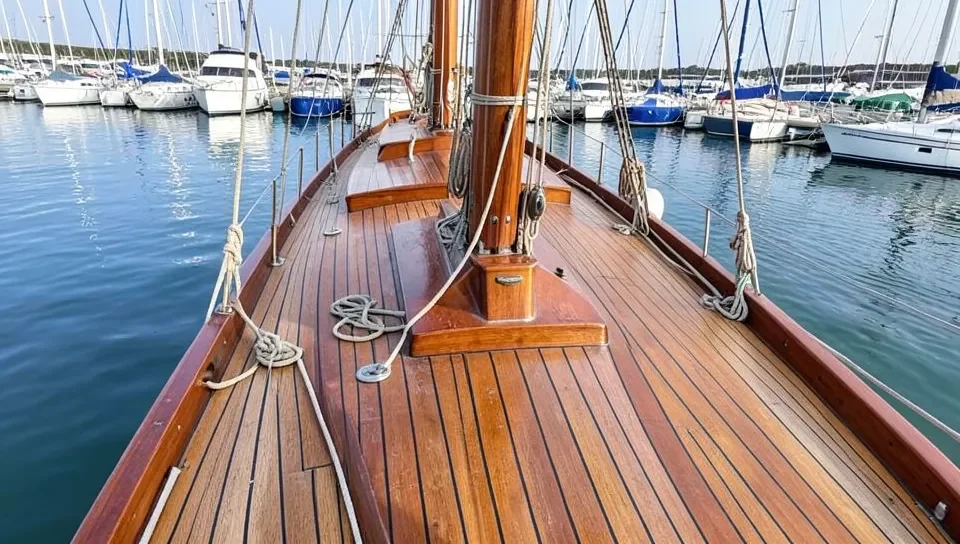
Mahogany’s use in boats isn’t a marketing story — Chris-Craft and other classic American runabout builders used genuine mahogany planking and trim through much of the mid-20th century, prized for its rot resistance in a material that would sit wet for hours or days at a time, and for a fine grain that took a high-gloss marine varnish well. Restored and replica “woodie” boats today still use mahogany for exactly this reason, and it remains a real option for anyone building or restoring small wooden craft, not just a nostalgic reference.
Doors, Paneling, And Architectural Millwork
Mahogany’s stability under humidity changes (low shrinkage and swelling relative to many hardwoods) is the real, practical reason it shows up in exterior doors and interior paneling — a door that swells and sticks in summer or shrinks and gaps in winter is a real, common problem with less stable woods, and mahogany resists both. See our dedicated mahogany exterior doors guide for the real maintenance schedule that comes with that application specifically.
Musical Instruments
Mahogany is a genuine, common choice for guitar necks, backs, and sides, and for piano cases and organ components, valued for a warm tonal quality players and luthiers describe consistently, plus the machinability that lets fine carved or curved parts hold their shape. This isn’t a niche or unusual use — it’s one of the most common tonewoods in acoustic and electric guitar building specifically because of these real, practical properties, not just tradition.
Which Species Shows Up In Which Example
Historical furniture and boat-building examples typically used genuine/Honduran mahogany (Swietenia macrophylla), the species that built the original reputation. Modern furniture and millwork more often use African mahogany (Khaya species), a real substitute rather than a downgrade, largely because genuine mahogany has been CITES Appendix II-restricted since 2003. Philippine mahogany (Shorea species) is a different genus entirely, traded under the mahogany name for a similar color and price point, and shows up in more budget-oriented plywood and trim rather than the higher-end examples above.
Common Buying Mistakes Across These Applications
- Assuming any reddish-brown wood is mahogany: check for the actual species name (Swietenia, Khaya, or Shorea) rather than trusting a marketing name alone.
- Buying furniture-grade mahogany for a marine project without checking finish compatibility: marine varnish and general furniture finishes aren’t interchangeable if long-term water exposure is involved.
- Expecting instrument-grade tonewood mahogany at furniture-lumber prices: tonewood grading and pricing follow a separate, often pricier, market than construction or furniture-grade boards.
Frequently Asked Questions
Why was mahogany historically used for fine furniture?
Its fine, stable grain held intricate carved detail better than the oak and walnut it displaced in 18th-century furniture, most notably in Thomas Chippendale’s designs. That same stability still makes it a reliable furniture wood today.
Why is mahogany used in boat building?
Real, functional reasons: rot resistance for a material that sits wet for extended periods, and a fine grain that takes marine varnish well for a high-gloss finish. Classic Chris-Craft runabouts are the best-documented historical example.
Is mahogany a good wood for guitars?
Yes, genuinely one of the most common tonewoods for necks, backs, and sides, valued for its tonal warmth and machinability. This is a mainstream, practical use, not a niche one.
Conclusion
Mahogany’s reputation across furniture, boats, doors, and instruments comes from real, specific properties — grain stability, rot resistance, workability — not just tradition or looks. Knowing which species shows up in which application helps you judge whether a “mahogany” product is using the real thing or trading on the name alone.
Sponsored / affiliate links. As an Amazon Associate I earn from qualifying purchases. I may earn additional commission from eligible campaigns.
 The Hardwood Edge Mahogany Hardwood Planks - 2-Pack Mahogany Wood for Unfinished Wood Crafts - 1/8’’ (3mm) 100% Pure Hardwood - Laser Engraving Blanks - Exotic Mahogany Planks for Crafts and Gifts
 The Hardwood Edge Mahogany Hardwood Planks - 4-Pack Mahogany Wood for Unfinished Wood Crafts - 1/8’’ (3mm) 100% Pure Hardwood - Laser Engraving Blanks - Exotic Mahogany Planks for Crafts and Gifts