Teak Wood Review: Is It Worth the Price?
Choose teak when the project will live outdoors, face repeated wet-dry cycles, or needs long service with minimal upkeep. For indoor furniture or sheltered pieces, teak is usually overkill and overpriced. The wood’s value comes from its combination of weather resistance, stability, and decent workability for exterior use—not from being the hardest or cheapest hardwood.
Teak is a premium tropical hardwood, but it is not a universal premium choice. It makes the most sense for patio furniture, boat trim, exterior joinery, and other exposed parts where maintenance time and decay resistance matter more than upfront cost. For a side table, cabinet, or decorative indoor project, cheaper hardwoods often deliver better value.
Verdict
Specs at a glance
| Property | Teak | Why it matters |
|---|---|---|
| Species | Tectona grandis | The standard teak species used in lumber, decking, and furniture markets. |
| Average dried weight | 40.9 lb/ft³ (655 kg/m³) | Midweight hardwood that is substantial without being as punishing to move as the densest exotics. |
| Janka hardness | About 1,070 lbf | Hard enough for furniture and exterior parts, but not in the ultra-hard class. |
| Decay resistance | Very durable heartwood | One of teak’s main strengths outdoors. |
| Dimensional stability | Relatively low shrinkage | Helps boards stay flatter and joints stay aligned through seasonal humidity changes. |
| Tool wear | Silica up to 1.4% | Can dull cutters faster than many domestic hardwoods. |
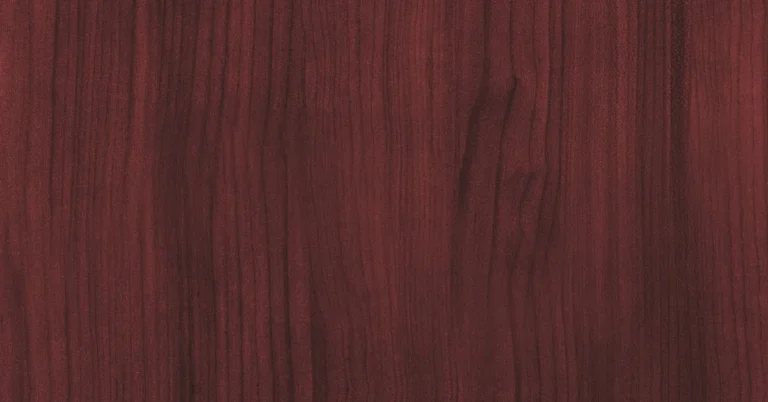
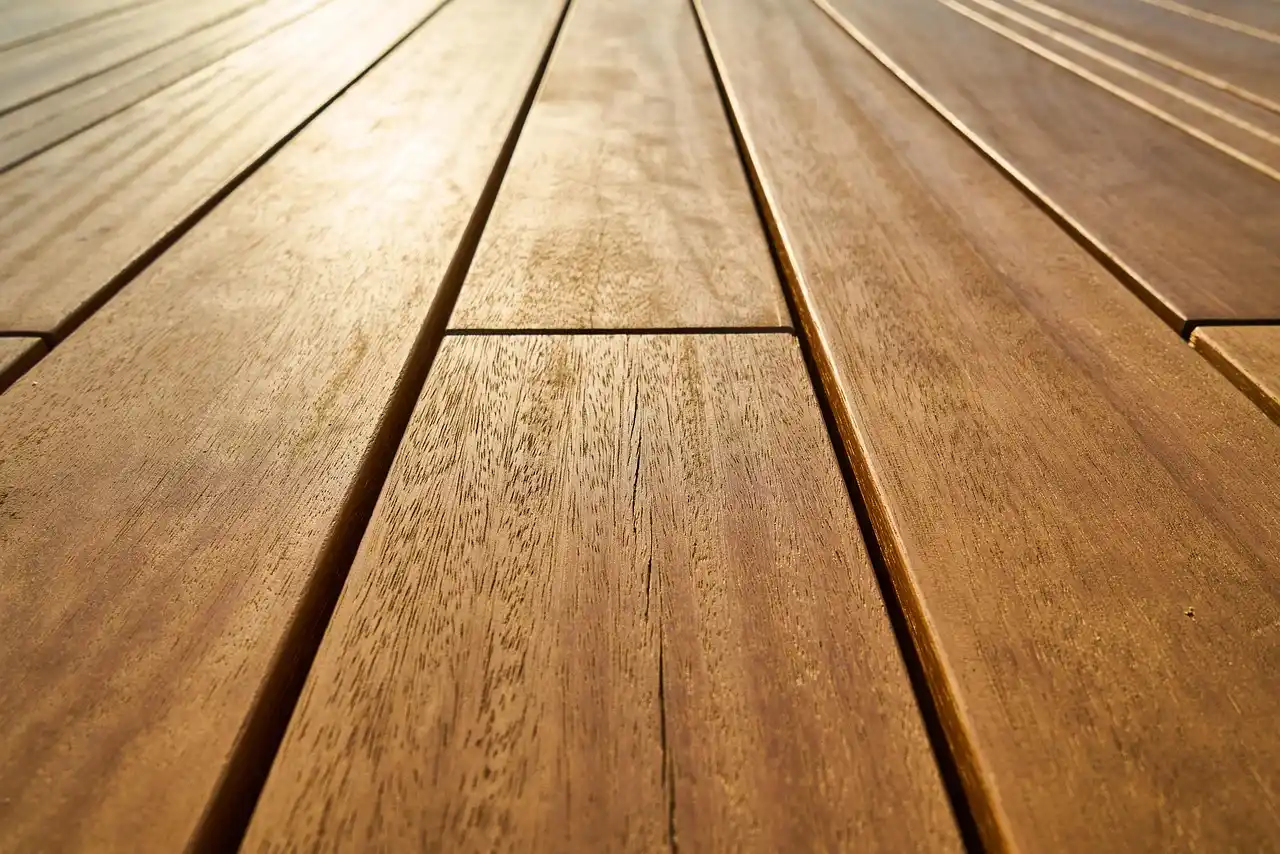
| Appearance | Golden to medium brown heartwood | Often weathers to silver gray outdoors if left unfinished. |
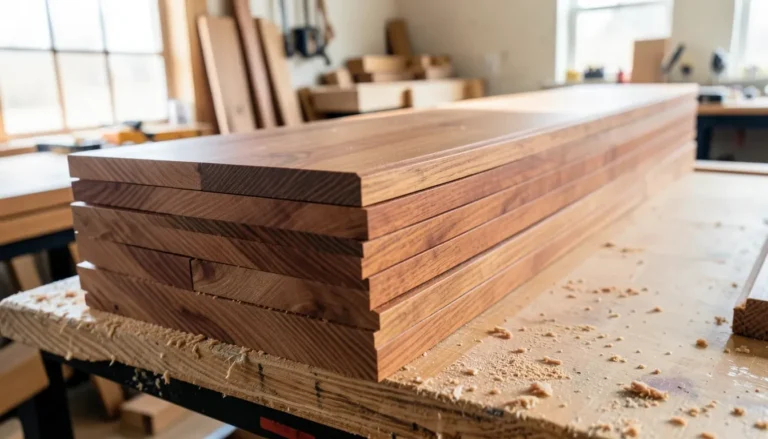
| Typical uses | Outdoor furniture, boatbuilding, decking, exterior trim, veneer | These applications benefit from teak’s durability and stability. |
Freshly machined teak usually has a faint oily, leather-like smell. That same oil content helps the wood resist moisture, but it also means gluing and finishing require better surface prep than a plain dry hardwood. A clean wipe-down and fresh cuts matter more with teak than with many interior woods.
Who it
Teak is for buyers who need a wood that can tolerate weather, sun, and humidity with less drama than most hardwoods. It is a sensible pick for exterior furniture, marine trim, and exposed joinery where longevity and low maintenance are worth paying for.
Outdoor furniture buyers
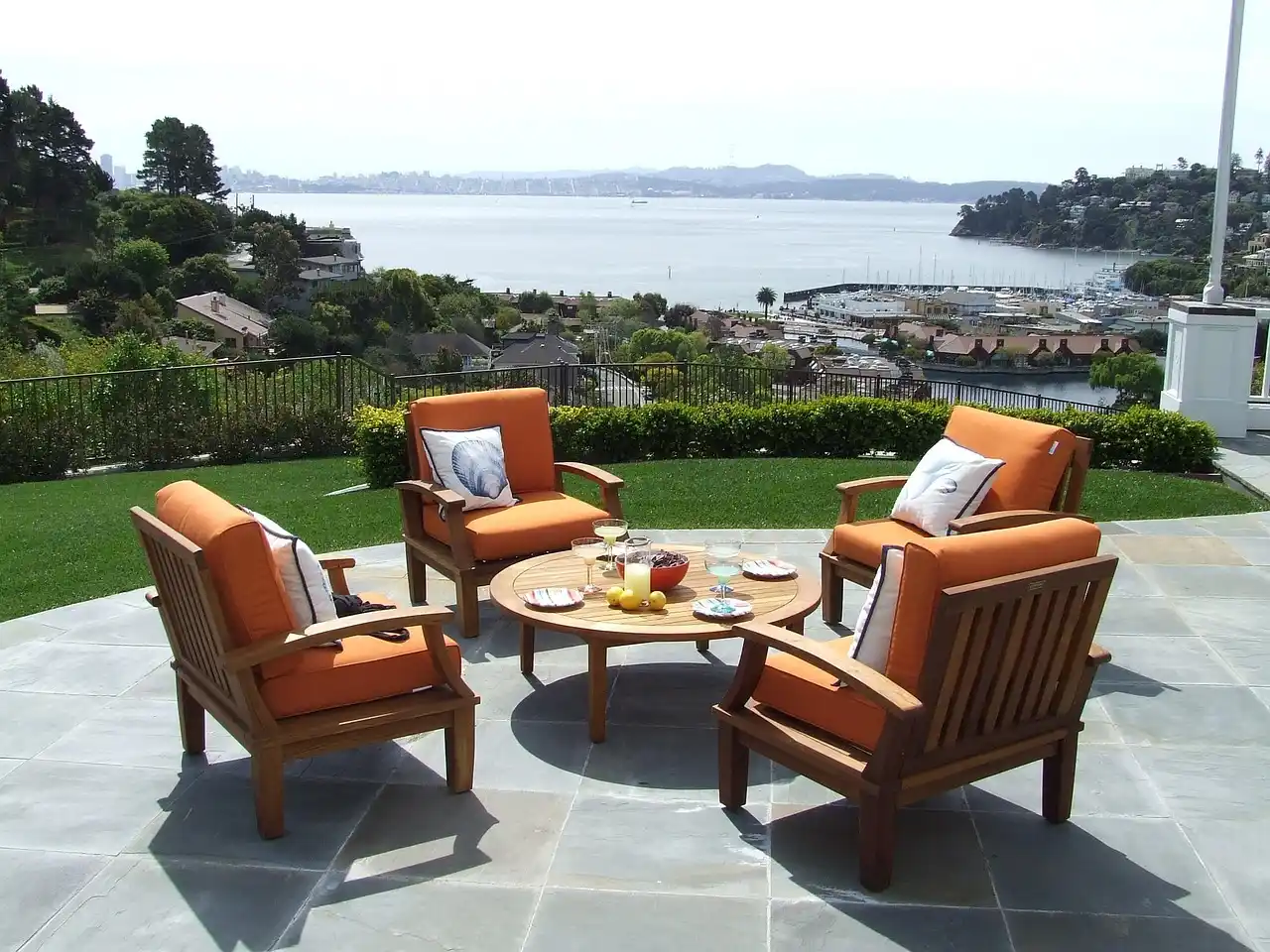
If a bench, table, or chair will stay outside for years, teak can justify its premium. It tends to move less with moisture swings than many woods, and its heartwood naturally resists decay. That makes it a better long-term buy than cheaper furniture woods that need constant recoating or early replacement.
Boat and exterior trim buyers
Teak has a long record in ship and boatbuilding because it handles splash, sun, and humidity well. It is not magic, though. Good drainage, proper fasteners, and sound joinery still matter, and teak is not fully marine-borer proof.
Buyers who should skip teak
If the project is mostly indoors, decorative, or easily refinished, teak usually loses on value. Sheltered shelving, cabinet work, and small accent pieces rarely need its weather performance. You pay for outdoor durability you may never use.
What works
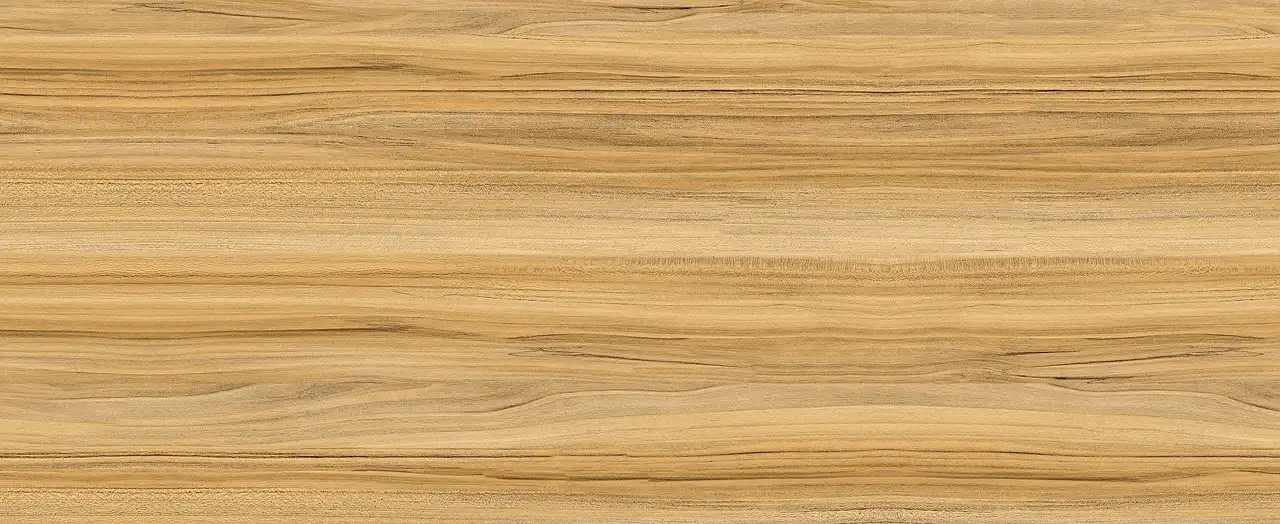
Teak’s value comes from a rare mix of outdoor durability, moderate density, and stability. It is not the toughest wood available, but it is one of the more dependable woods when weather exposure is the deciding factor.
Outdoor durability and stability
Teak’s low shrinkage helps exterior parts hold their shape. Slats, rails, and frames are less likely to cup or twist than with many species, especially when construction is decent and end grain is protected. That stability is part of why teak furniture can age gracefully outdoors.
Termite and decay resistance
Teak heartwood is very durable and resists termites better than many common hardwoods. That does not mean it never fails; it means the failure curve is often slower. In exterior service, slower failure is often the difference between a sensible purchase and a false economy.
Appearance over time
New teak starts golden brown and often weathers to a silvery gray if left unfinished. That gray patina is not rot; it is a cosmetic change many buyers actually want outdoors. If you prefer the original color, plan on regular finishing.
In the shop, one practical advantage is that teak usually mills cleanly enough with sharp carbide tooling, but the silica can show up as faster edge dulling than expected. On saw blades and router bits, the wear pattern is a slightly quicker loss of crispness at the cutting edge rather than catastrophic burning or tearout. The fix is simple: keep cutters sharp and expect more frequent maintenance than with softer hardwoods.
If you are comparing teak with cheaper hardwood alternatives like iroko vs teak, the real question is whether you need teak’s better-known outdoor durability and steadier movement enough to pay for it. For many covered or semi-exposed projects, iroko can be the lower-cost compromise; for harsher exposure, teak still has the stronger reputation.
What does not?
Teak has real drawbacks. It can be expensive, it can dull tools faster than expected, and its natural oils can complicate gluing and finishing. The premium is only worth it when the wood’s outdoor performance is actually being used.
Tool wear from silica
Teak can contain silica up to 1.4%, which is enough to shorten edge life on blades and bits. For one-off projects, that is manageable. For repeat work, it increases sharpening and replacement costs. Carbide tooling is the safer choice.
Glue and finish prep issues
Teak’s oily surface can make glue bonds and film finishes less forgiving. Freshly cut surfaces, solvent wipe-downs, and careful surface prep help. If a glue joint fails on teak, poor preparation is a common cause, not the species itself.
A common failure case is using teak where a simpler indoor hardwood would have worked better. For example, a sheltered cabinet or a dining table made from teak may cost far more than oak or sapele while delivering little functional gain. In those cases, teak’s weather resistance is paying rent in a room that doesn’t need it.
Limits in marine service
Teak has a strong marine reputation, but it is not indestructible. It performs well in many wet-service applications, yet it is not fully resistant to every marine threat. Design, fasteners, and maintenance still determine how long a part lasts.
Teak value matrix
| Product | Badge | Best for | Price | ||
|---|---|---|---|---|---|
 |
Premium Teak Decking Board 1" x 6" x 7′ 100% NaturalSunrise Teak | Our pick | $104.99
Price as of 23 Nov 2026
|
View | |
 |
Teak Wood Sheets 1/8 inch Thick, 4×8 inch Solid PanelCraftiff | Budget pick | 8 x 4 in · 1/8 in · pack of 5 | $14.85
Price as of 28 Oct 2026
|
View |
 |
Howizz 48×30 in Solid Wood Table Top – 1in Thick ButcherHowizz | Pair with it | 48 x 30 in · 1 in thick · teak-stained acacia | $159.80
Price as of 28 Oct 2026
|
View |
| Wood | Price tier | Outdoor durability | Stability | Tool wear | Finishing difficulty | Best-use case | Buy or not-buy verdict |
|---|---|---|---|---|---|---|---|
| Teak | Very high | Excellent for exposed use; heartwood is very durable and termite-resistant | Very good; relatively low shrinkage | Higher than average because of silica up to 1.4% | Moderate to difficult because of natural oils | Outdoor furniture, boat trim, exterior parts where upkeep is costly | Buy when weather exposure or longevity justifies the premium. |
| Oak | Moderate | Moderate; better indoors or in protected exterior use | Fair to good, depending on species and cut | Moderate | Moderate | Indoor furniture, casework, general joinery | Buy for indoor value; not-buy as a teak substitute outdoors. |
| Walnut | High | Poor to moderate outdoors | Good indoors | Moderate | Easy to moderate | Fine furniture, visible indoor surfaces, cabinets | Buy for appearance and indoor value; not-buy for weather exposure. |
| Sapele | Moderate to high | Moderate; better than many cabinet woods, still below teak for harsh exposure | Good | Moderate | Moderate | Interior furniture, doors, trim, some exterior uses with good finishing | Buy when you want a durable hardwood and do not need teak-level weather resistance. |
| Ipe | Very high | Excellent; among the strongest outdoor performers | Good, but dense and demanding | Very high | Difficult | Decking, heavy-duty exterior parts, high-wear outdoor use | Buy for extreme outdoor wear; not-buy if easy machining matters more. |
This matrix is the main ranking tool: teak is a premium outdoor wood, not a universal premium wood. It outperforms oak and walnut outdoors, but it can lose to sapele or iroko on value when the exposure is moderate rather than severe.
Should you buy it?
Buy teak when the project is outdoors, hard to maintain, and expected to last. Skip it when the project is sheltered or purely cosmetic, because the premium then buys more reputation than useful life.
Furniture
For patio furniture, teak is a strong option if the piece will stay outside and you want fewer finish cycles. For indoor furniture, it is usually poor value. Oak or walnut typically gives enough performance for less money.
Exterior construction
For exterior trim, porch details, and other weather-exposed parts, teak can be a smart buy when service life matters. Still, mixed heartwood-sapwood stock weakens the case. Genuine heartwood stock is the safer purchase.
Boatbuilding
Teak remains a serious choice for boatbuilding and marine trim because of its durability and stability. Even there, buy carefully: it helps in wet service, but it does not eliminate the need for good design and maintenance.
When a cheaper hardwood wins
If the piece stays indoors, or if the outdoor duty is mild, a cheaper durable hardwood often wins on value. Oak, sapele, or another strong hardwood may be the better buy because you avoid paying for weather performance you will not use.
Alternatives
Craftiff teak wood sheets fit small crafts better than full-size furniture. The 1/8-inch thickness and pack format point to hobby work, not structural outdoor service. Thin sheets are not a substitute for solid exterior teak stock.
Howizz’s teak-stained acacia tabletop is a lower-cost lookalike, not teak. It can be a reasonable value for indoor use, but it does not deliver teak’s decay resistance or marine value. The cheaper price only makes sense if the project does not need those traits.
Frequently asked questions
Is teak wood expensive?
Yes. Teak is expensive and often sits near the top of the price range for commonly sold hardwoods. The premium reflects outdoor durability, stability, and market demand, but it only pays off when those traits are actually needed.
How much does teak wood cost?
Teak prices vary by grade, thickness, and source. As a practical benchmark, rough teak lumber commonly runs about $12 to $25+ per board foot for decent plantation stock, with higher prices for wide, clear, or premium heartwood. Teak decking often lands around $18 to $35+ per square foot for material, depending on thickness and profile, while furniture-grade teak can range widely from roughly $20 to $40+ per board foot for select pieces.
Finished retail pricing can be much higher. A single small decking board or pre-cut furniture part may cost far more per unit volume than bulk lumber. Plantation-grown material is usually more affordable than old-growth or tightly graded export stock.
Is teak wood cheap?
No. Teak is not a cheap wood, and it should not be chosen as a budget material. If cost matters most, oak, sapele, or another suitable hardwood is usually the better buy. Teak is a premium species for specific jobs, not a bargain option.
Teak wood vs oak wood
Teak outperforms oak outdoors because of its more durable heartwood, better moisture stability, and stronger weather resistance. Oak is usually the better value indoors because it costs less and still offers strong performance for furniture and joinery. For exposed exterior use, teak usually wins.
What are the properties of teak wood?
Teak is a golden to medium brown hardwood with a Janka hardness of about 1,070 lbf and an average dried weight of 40.9 lb/ft³. It has relatively low shrinkage, very durable heartwood, natural oils, and silica that can increase tool wear. Those traits explain both its strengths and its finishing quirks.
Why is teak wood so expensive?
Teak is expensive because it combines weather resistance, stability, and a long-standing reputation in outdoor and marine use. Sourcing also matters: plantation-grown teak, old-growth teak, and legally verified stock do not trade at the same price. Buyers often pay extra for verified origin, clear heartwood, and wider, better-graded boards.
Is teak sustainable?
It can be, but sustainability depends on source and chain of custody. Plantation teak is generally easier to justify than teak from older natural forests, and FSC certification can help buyers verify responsible sourcing. For legality and authenticity, ask for species identification, origin, harvest paperwork, and certification claims that can be checked.
Sources
- wood-database.com
- USDA Forest Products Laboratory
- Wood Handbook: Wood as an Engineering Material
- Exterior Wood and Decking guidance, USDA Forest Products Laboratory
- FSC
- Forest Trends
Sponsored / affiliate links. As an Amazon Associate I earn from qualifying purchases. I may earn additional commission from eligible campaigns.
 Howizz 48x30 in Solid Wood Table Top - 1in Thick Butcher Block Countertop for Standing Desk, Office Table, Workbench, DIY Furniture Projects, Teak Look Chevron
 Howizz 48x30 in Solid Wood Table Top - 1in Thick Butcher Block Countertop for Standing Desk, Office Table, Workbench, DIY Furniture Projects, Mocha Chevron