Mahogany Wood Flooring Pros and Cons: It’s Softer Than Oak, Not Harder
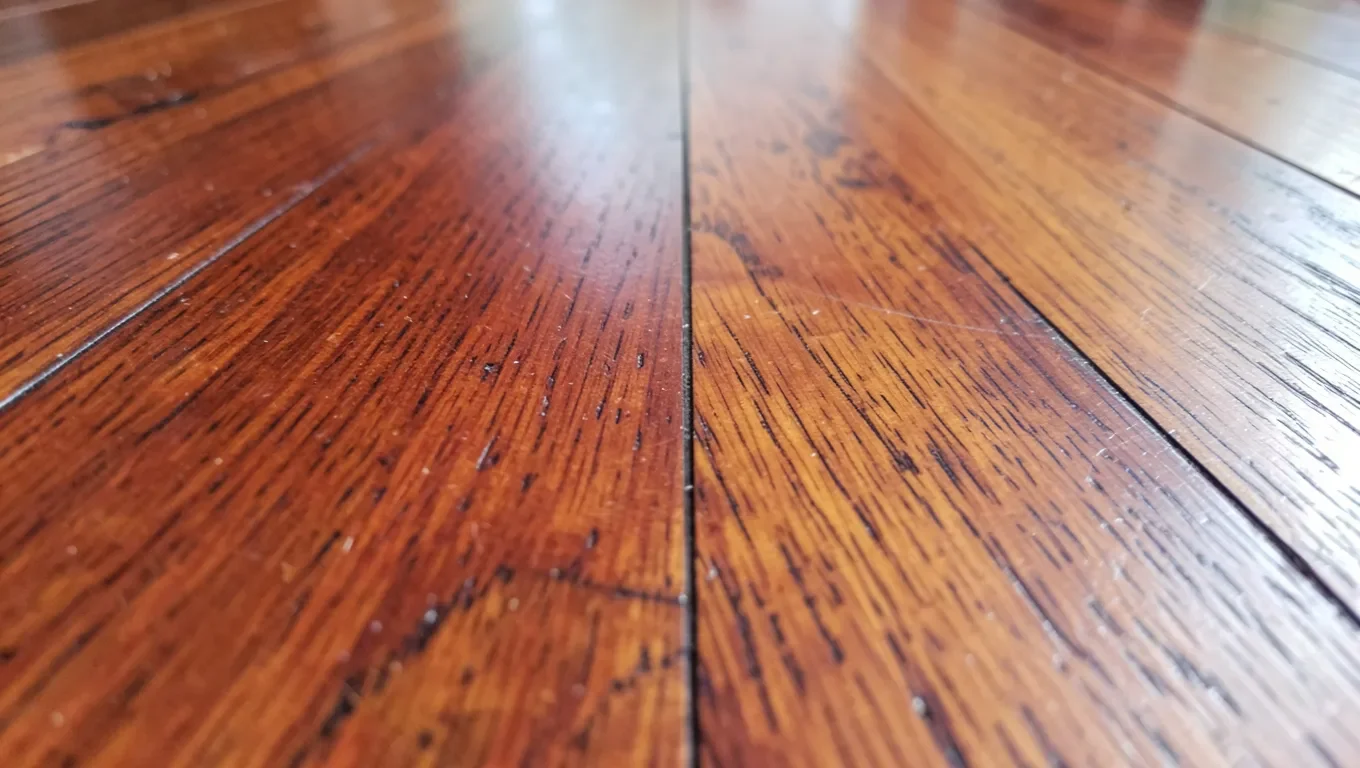
Mahogany is genuinely beautiful and stable flooring, but it’s softer than oak or maple — Janka hardness of roughly 800-900 lbf, compared to red oak’s ~1,290 and hard maple’s ~1,450 — so it dents and scratches more easily than the harder domestic hardwoods it’s often compared against. That’s the one honest correction worth leading with, since “mahogany is hard and durable” gets repeated online without the actual number behind it.
Pros And Cons At A Glance
A Real, Cheap Fix For Mahogany’s Real Weak Point
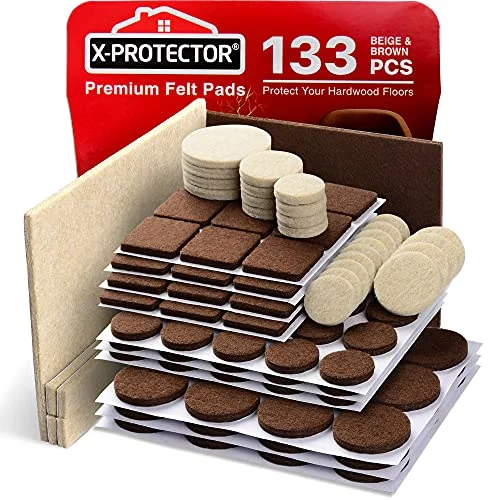 |
X-Protector Premium Felt Furniture Pads, 133-Piece – $9.99 Since mahogany dents more easily than harder flooring woods, felt pads under every chair and table leg are a genuinely cheap, effective fix for its real weak point.
|
| Factor | The Real Pro | The Real Con |
|---|---|---|
| Hardness | Moderate, easy to work with during installation and refinishing | Softer than oak/maple (~800-900 vs ~1,290-1,450 Janka) — dents and scratches more easily |
| Dimensional stability | Low shrinkage/swelling relative to many hardwoods, resists warping under normal conditions | Still solid wood — needs the same 30-50% humidity range and acclimation as any hardwood floor |
| Appearance | Rich reddish-brown color, fine straight grain, ages to a deeper hue | Direct sunlight fades and unevenly lightens the color over time without UV-protective window treatments |
| Cost | Retains resale appeal as a recognized premium hardwood | Real premium price, roughly $8-$14/sq ft installed, higher than oak or pine |
| Sourcing | African mahogany is a widely available, legitimate alternative to genuine/Honduran | Genuine mahogany is CITES-restricted; verify species and certification (FSC) before buying |
Notice the hardness and appearance rows aren’t simple “pro” or “con” — they’re real tradeoffs. A softer wood is easier to install, cut, and refinish, but that same softness is exactly why it dents under furniture legs and dropped objects more readily than red oak. Treating “durable” as an unqualified pro, the way many flooring guides do, sets the wrong expectation before installation even starts.
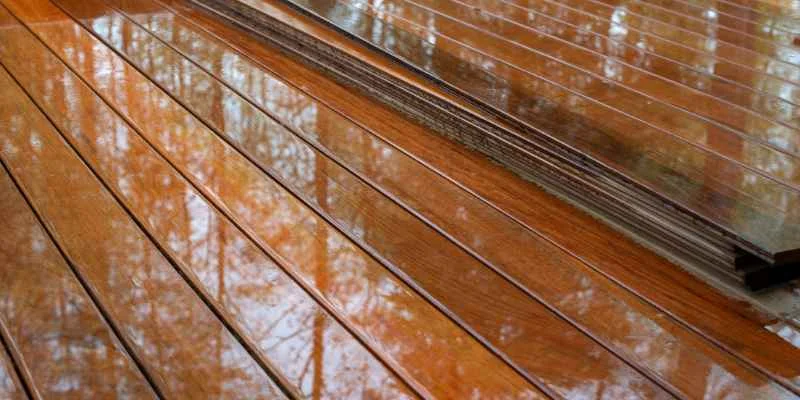
Where Mahogany’s Softness Actually Matters
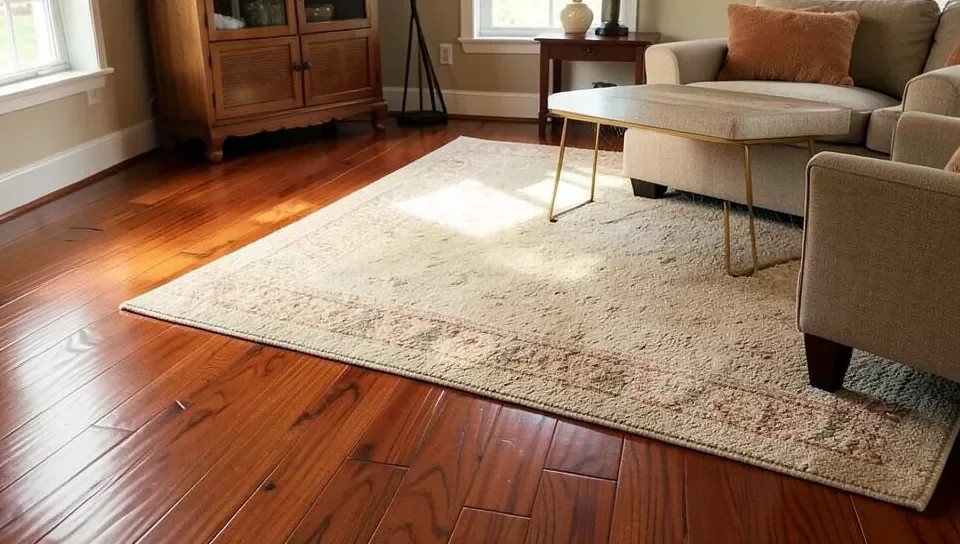
In practice, this means mahogany is a better fit for lower-traffic rooms (bedrooms, formal dining rooms, home offices) than for the highest-wear zones in a house (entryways, kitchens, homes with large dogs). It doesn’t mean avoiding mahogany entirely for a busy household — it means being realistic about area rugs in high-traffic zones, felt pads under furniture, and expecting more frequent light touch-ups than a harder species would need. None of this makes mahogany a bad flooring choice; it makes the marketing claim of “extremely durable” an oversimplification worth correcting before you’re surprised by the first dent.
Humidity: Genuinely Better, Not Immune
Mahogany’s real dimensional stability advantage (low shrinkage and swelling compared to many hardwoods) means it handles normal seasonal humidity swings better than some species — but “better than some” is not “immune.” It’s still solid wood, and it still needs the standard 30-50% indoor relative humidity range, proper acclimation before installation, and expansion gaps at the room’s perimeter, same as oak, maple, or walnut flooring. Treating mahogany as humidity-proof, and skipping acclimation because of that assumption, is a real, avoidable cause of gaps or cupping down the line.
Real Cost And Refinishing Expectations
Expect roughly $8-$14 per square foot installed for genuine mahogany flooring, with higher-figure or wider-plank options running past $20/sq ft — a real premium over oak (typically $4-$8/sq ft) or pine, reflecting both material cost and the more limited supply of genuine and African mahogany compared to domestic species. Because it’s a softer wood, plan on refinishing (sanding and recoating) somewhat more often than a harder floor in the same traffic conditions — roughly every 3-5 years is a reasonable expectation, sooner in high-traffic areas, later in a low-traffic formal room.
Common Buying Mistakes
- Installing it in the highest-traffic room expecting oak-level dent resistance: it isn’t there — reserve mahogany for moderate-traffic spaces or accept more frequent touch-ups.
- Skipping acclimation because “mahogany is stable”: stability is relative, not absolute — acclimate it like any hardwood floor.
- Not verifying the species: genuine, African, and Philippine “mahogany” have real differences in hardness and cost — confirm which one you’re actually buying.
Frequently Asked Questions
Is mahogany harder than oak?
No, it’s softer. Mahogany runs roughly 800-900 lbf on the Janka scale, compared to red oak’s roughly 1,290 lbf. Mahogany dents and scratches more easily than oak as a direct result.
Is mahogany flooring a good choice for a house with pets?
It can work, but expect more visible scratches than a harder species like oak, especially from large dogs’ nails. Keeping nails trimmed and using rugs in high-traffic pet areas helps meaningfully.
Does mahogany flooring need special humidity control?
The same standard 30-50% indoor humidity range as any solid hardwood floor. Its dimensional stability is genuinely good relative to many species, but it isn’t immune to humidity-driven gaps or cupping without proper acclimation.
Conclusion
Mahogany flooring’s real strengths — color, grain, relative dimensional stability — are genuine, but its hardness isn’t one of them compared to oak or maple. Choosing it with that honest expectation, using rugs and felt pads where it matters, gets you the beauty without the surprise of an early dent in a high-traffic spot.
Sponsored / affiliate links. As an Amazon Associate I earn from qualifying purchases. I may earn additional commission from eligible campaigns.