Mahogany Wood Wholesale: Bulk Pricing by the Board Foot
Mahogany wood wholesale pricing drops to $10-$15 per board foot at 500+ board feet, but true trade wholesalers like Alan McIlvain also require a $3,000 minimum order, not just volume. Skip that minimum and you’re stuck paying “bulk retail” tiers instead, often $12-$17 per board foot. This guide breaks down real wholesale pricing tiers, where trade buyers actually source mahogany, and how to grade it sight-unseen when buying by the pallet.
What “Wholesale” Actually Means When Buying Mahogany
“Mahogany wholesale” gets used for two very different buying arrangements, and mixing them up wastes time. True trade wholesale means buying from a distributor that sells to cabinet shops, boatbuilders, and contractors, and it comes with real gatekeeping. Alan McIlvain Company, a long-running hardwood wholesaler, requires a 500 board-foot minimum per item and a $3,000 minimum on the overall order. That’s not a typo: they won’t quote a 40 board-foot order at any price, wholesale or otherwise.
Bulk retail is the other arrangement, and it’s what most woodworkers actually mean when they search for mahogany wholesale. Online hardwood retailers like Woodworkers Source and Bell Forest Products advertise volume-based price breaks starting around 10 board feet, with no business account or resale certificate required; you’re still a retail customer, just paying less per board foot as your order grows. Confusing the two leads to a lot of wasted calls to real trade wholesalers who simply won’t process a small shop’s order size.
Best Pick For Checking Bulk Mahogany Shipments
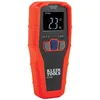 |
Klein Tools ET140 Pinless Moisture Meter When a wholesale pack ships sight-unseen, you can’t tell if it was actually kiln-dried to spec until it’s in your shop. This meter checks moisture up to 3/4-inch deep without leaving pin holes in the boards.
|
As an Amazon Associate we earn from qualifying purchases.
Mahogany Wholesale Pricing by Volume (2026)
Per-board-foot price drops in real, published tiers as order size grows; here’s what current supplier pricing looks like across the range from a single retail board to a genuine trade-wholesale order.
| Order Size | Typical Price/Bd Ft | Buying Arrangement |
|---|---|---|
| Under 10 bd ft | $17-$22 | Retail, single boards |
| 10-99 bd ft | $14.75-$15.30 | Bulk retail, tier 1 |
| 100-499 bd ft | $11.25-$12.75 | Bulk retail, tier 2 |
| 500-999 bd ft | $10.50 | Bulk retail / entry trade wholesale |
| 1,000+ bd ft, $3,000+ order | $8-$10 | True trade wholesale (distributor account) |
Those numbers are for genuine Honduran/American mahogany (Swietenia macrophylla) in 4/4 thickness. For a full breakdown of what drives price within a single order (grade, figure, board width), see our guide to how much mahogany costs per board foot.
Where to Actually Source Wholesale Mahogany
Three real channels supply wholesale-priced mahogany, and each fits a different size of buyer:
- Online hardwood specialty retailers (Woodworkers Source, Bell Forest Products, Ocooch Hardwoods): no business account needed, tiered pricing starts around 10 board feet, ships by UPS or small freight. Best fit for a one- or two-person shop buying 50-500 board feet.
- Regional hardwood wholesale distributors (Alan McIlvain and similar): require a business/resale account, 500 board-foot minimums per item, $3,000+ minimum order, palletized freight delivery. Built for cabinet shops and boatbuilders buying on a recurring basis, not a one-time project.
- Import/container wholesale: sourced directly from overseas mills, typically a 20-piece container minimum with multi-week lead times and customs handling. Realistic mainly for manufacturers and large millwork shops, not individual woodworkers.
Before calling any of them, confirm exactly which species you’re being quoted, since “mahogany” wholesale listings mix genuine Honduran mahogany, African mahogany (Khaya), and Philippine mahogany (actually a Shorea species, not a true mahogany at all), and the price gap between them runs 2-3x. Our guide to the types of mahogany wood breaks down how to tell them apart before you commit to a pallet-size order.
Grading Mahogany When You Can’t Inspect Every Board
Buying by the board foot at wholesale volume almost always means buying “by the pack”: the supplier pulls boards to hit your footage total rather than letting you pick each one. Unless you pay a per-board-foot premium for guaranteed FAS (First and Seconds, the top grade), expect a mix of FAS and Select & Better boards in the same pallet.
Three checks catch most problems on delivery, before the boards get glued into anything:
- Check moisture content: genuine kiln-dried furniture stock should read 6-9% on a pinless meter. A pack reading consistently higher means it was air-dried or under-kilned, and it will move after you build with it.
- Scan for color and figure consistency: a wholesale pack pulled from mixed logs can vary more in color than a hand-picked retail order; expect it, but flag any boards that look nothing like the rest of the pack.
- Inspect the ends: checking (splits running in from the board end) is the signature of lumber dried too fast. A few inches of end-check is normal and gets trimmed off; splits running a foot or more into the board are a defect to reject.
For a deeper look at how mahogany’s hardness and grain structure affect workability once it’s in your shop, see our guide to mahogany wood properties.
Genuine Mahogany vs. Substitutes: Why Species Matters More at Wholesale Volume
Paying genuine-Honduran prices for a container of Philippine “mahogany” (really a Shorea/meranti species) isn’t a $20 mistake; at 500 board feet, it’s a $2,000-$4,000 mistake. Genuine mahogany is legally defined as the Swietenia genus; anything else is a look-alike traded under the mahogany name because of similar color and grain, not botany. Our guide on what counts as genuine mahogany covers the species test, and identifying mahogany by color and grain walks through what to look for in an unfamiliar pallet before you sign off on delivery.
Frequently Asked Questions
What is the minimum order for wholesale mahogany?
It depends on the supplier type. True trade wholesale distributors like Alan McIlvain require roughly 500 board feet per item and a $3,000 minimum on the total order. Bulk retail hardwood dealers have no real minimum; price breaks simply start around 10 board feet, so a small shop can access lower per-board-foot pricing without a business account.
Is Philippine mahogany cheaper wholesale than Honduran mahogany?
Yes, significantly. Philippine mahogany typically runs $8-$15 per board foot at wholesale volume, roughly half the $17-$22 retail (and $10-$15 wholesale) range for genuine Honduran mahogany. It isn’t a true mahogany species, so the savings come with a different grain pattern and lower rot resistance.
Can I buy mahogany wholesale without a business license?
Yes, at the bulk-retail tier. Online hardwood retailers sell tiered-price lumber to individual woodworkers with no resale certificate required. True trade wholesale distributors generally do want a business or resale account before they’ll open a house account and quote pallet-size orders.
How much can I save buying mahogany in bulk instead of single boards?
Roughly 30-45% per board foot. A single retail board runs $17-$22 per board foot, while a 500-999 board-foot bulk order typically prices around $10.50, a real savings, but only worth it if you have a project (or several) that will actually use that much mahogany before it sits in storage.
Wholesale mahogany pricing rewards buyers who know which of the two arrangements they actually qualify for. A small shop chasing true trade-wholesale pricing without a $3,000 order will get turned away; a cabinet shop settling for bulk-retail tiers when it could open a distributor account is leaving real savings on the table. Match your order size to the right channel, verify the species before you commit, and check moisture on delivery, and wholesale mahogany buying stops being a gamble.
Sponsored / affiliate links. As an Amazon Associate I earn from qualifying purchases. I may earn additional commission from eligible campaigns.
 The Hardwood Edge Mahogany Hardwood Planks - 2-Pack Mahogany Wood for Unfinished Wood Crafts - 1/8’’ (3mm) 100% Pure Hardwood - Laser Engraving Blanks - Exotic Mahogany Planks for Crafts and Gifts
 The Hardwood Edge Mahogany Hardwood Planks - 4-Pack Mahogany Wood for Unfinished Wood Crafts - 1/8’’ (3mm) 100% Pure Hardwood - Laser Engraving Blanks - Exotic Mahogany Planks for Crafts and Gifts