Makita 36V vs 40V Circular Saw: What the Voltage Numbers Actually Mean
The short version: Makita’s “36V” saws are actually 18Vx2 LXT tools — two 18V batteries wired together — while the 40V line is a genuinely new platform called XGT, built around a single higher-capacity 40V battery. They’re not two power levels of the same system; they’re two different battery ecosystems, and that distinction matters more than raw cutting power when you’re deciding which one to buy.
That difference explains almost everything else people ask about these saws: why 40V XGT tools tend to run smoother under load, why the batteries aren’t interchangeable with your existing 18V LXT gear, and why upgrading to 40V usually means starting a second battery collection rather than adding to the one you already own.
Two Different Battery Platforms, Not Two Power Tiers
Best 40V XGT Circular Saw
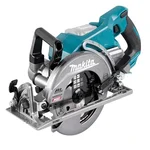 |
Makita RS001GZ 40V Max XGT Circular Saw – $499.00 If you’re starting fresh with Makita’s newer XGT platform rather than extending an 18V LXT collection, this is the saw this comparison is really about.
|
The 18Vx2 (36V) saws slot a pair of standard 18V LXT batteries into the tool, and an internal circuit combines them to deliver 36 volts. It’s a clever way to get more power out of Makita’s massive existing LXT battery lineup, and if you already own several 18V batteries and chargers, it’s the cheaper path to a more powerful saw. The 40V XGT platform is a clean-sheet design: a single 40V battery, a different charger, and tools engineered specifically around that voltage rather than adapted to it. If a Makita saw’s model number starts with GS or RS with an XGT badge, it’s the 40V platform; the 18Vx2 saws carry LXT branding and take two 18V slots.
Cutting Power and Depth
Both platforms cut cleanly through common construction lumber, but the 40V XGT saws generally hold their RPM better under sustained load — ripping thick stock or cutting damp pressure-treated lumber — because the single 40V cell delivers more consistent current than two 18V cells working in tandem. In Makita’s own lineup, the 40V rear-handle saws (the RS001G/RS002G family) are positioned as the direct replacement for corded worm-drive saws on framing crews, while the 18Vx2 sidewinder-style saws are pitched more at trim, remodeling, and general job-site cutting where absolute max power matters less than having spare 18V batteries already in your bag.
Battery Life and Charging
A 40V XGT battery (4.0Ah or larger) generally outlasts a pair of 18V LXT cells of similar combined capacity, and XGT’s rapid charger tops off a 4.0Ah pack in around 36 minutes. The tradeoff is battery ecosystem lock-in: if you’re already invested in 18V LXT tools — drills, impact drivers, grinders — the 18Vx2 saw lets you run it off batteries you already own, while going 40V XGT means buying batteries and a charger that won’t fit anything else in your existing kit (unless you also start replacing those tools with XGT versions).
Weight and Handling
Loaded with two 18V batteries, the 36V saws typically run a bit lighter than a 40V XGT saw with its single large-format battery, though the difference is modest — usually well under a pound. Both platforms use a similar rear-handle or sidewinder body depending on the specific model, so handling comfort comes down more to which body style you prefer than which battery platform you choose.
Price and Long-Term Value
An 18Vx2 saw is usually the cheaper entry point precisely because you’re leveraging batteries and a charger you may already own from other Makita 18V tools. A bare 40V XGT saw costs more up front, and building out a full XGT battery collection is a real investment if you’re starting from zero. The math flips, though, if you’re buying into a system for the first time and plan to add more XGT tools down the road — Makita has been steadily expanding the XGT lineup (saws, blowers, grinders, even mowers), so a first-time buyer with no existing 18V investment may find XGT the more future-proof choice.
Which Should You Buy?
If you already own several 18V LXT batteries, the 36V (18Vx2) saw is the practical choice — you get a genuine power boost without starting a new battery platform from scratch. If you’re buying your first cordless Makita system, doing heavy daily ripping, or replacing a corded worm-drive saw on a framing crew, the 40V XGT saw is the stronger long-term pick, even at the higher upfront cost, because it’s Makita’s current-generation platform and where new tool releases are landing.
Frequently Asked Questions
Are Makita’s 36V and 40V Circular Saws the Same Battery System?
No. The 36V saw runs on two 18V LXT batteries combined internally, while the 40V saw runs on Makita’s separate XGT battery platform. The batteries, chargers, and even most accessories are not interchangeable between the two systems.
Is Makita Switching to 40V XGT?
Makita is expanding its XGT 40V lineup significantly, but it hasn’t discontinued 18V LXT (including 18Vx2 tools). The two platforms are being sold side by side, with XGT aimed at higher-demand professional tools and LXT remaining the larger, more established ecosystem.
What RPM Does a Makita 40V XGT Circular Saw Run At?
Makita’s 40V XGT rear-handle circular saws typically spin in the 6,000 RPM range, comparable to a corded worm-drive saw, which is a major reason contractors treat them as a genuine cordless replacement for corded framing saws.
Is a DeWalt or Makita Circular Saw Better?
Both make excellent saws; the real difference is ecosystem, not raw performance. If you already own DeWalt 20V MAX or FlexVolt batteries, staying in that system saves money. If you’re already invested in Makita LXT or XGT, the same logic applies — match the saw to the battery platform you’re already building.
Bottom Line
Don’t think of this as “36V vs. 40V power” — think of it as “two 18V batteries you might already own vs. a new single-battery platform.” Pick the 18Vx2 saw to extend an existing LXT collection, or commit to 40V XGT if you’re buying your first Makita cordless system or need corded-saw levels of sustained power.
Sponsored / affiliate links. As an Amazon Associate I earn from qualifying purchases. I may earn additional commission from eligible campaigns.