Metal Garage Versus Wood Garage: Making The Choice
Deciding between a metal garage and a wood garage can feel like a big choice, especially if you’re new to building or looking for storage. It’s a question many people ask when they need a new place for their car, tools, or extra stuff. The good news is, it doesn’t have to be confusing.
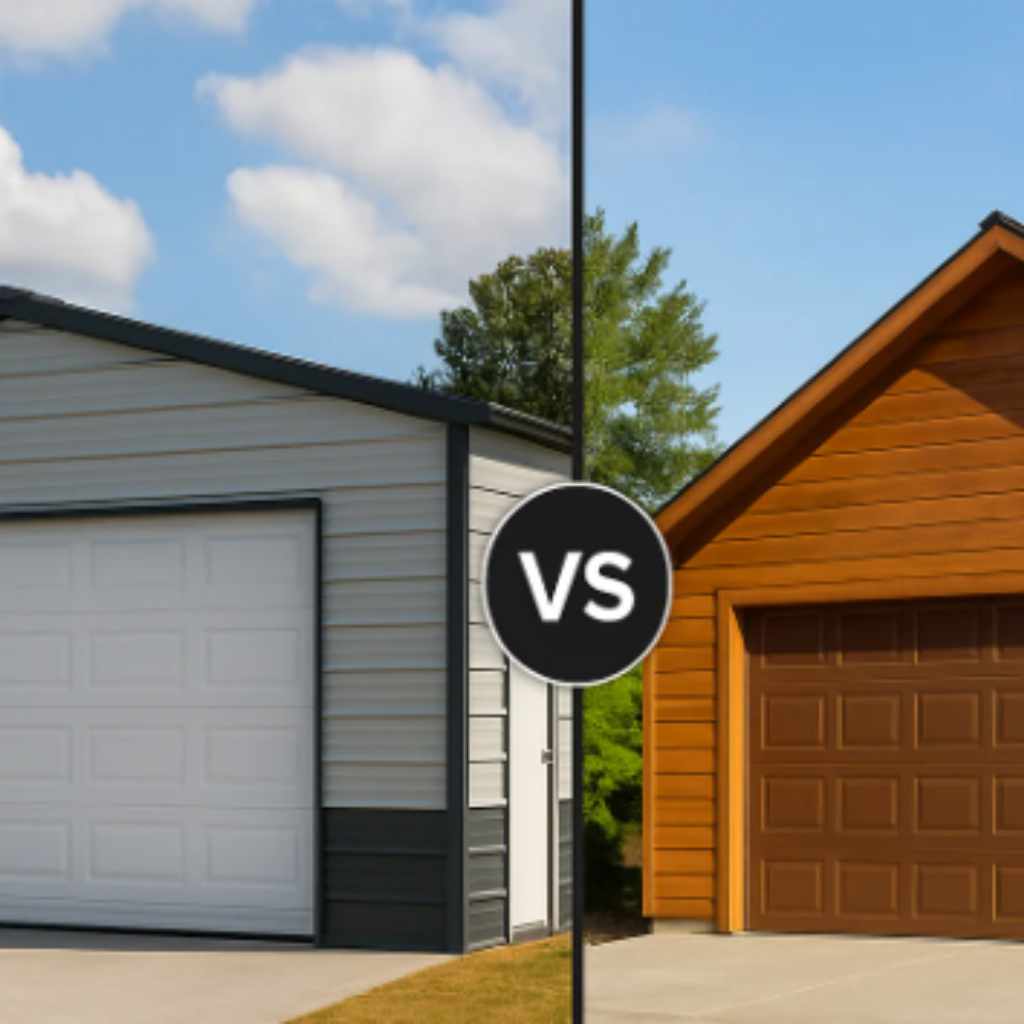
We’ll walk through the main points to help you figure out what works best for you. Get ready for a straightforward guide to help you with the Metal Garage vs Wood Garage: What to Choose decision.
When you need extra space for your vehicle, equipment, or just general storage, a garage is a fantastic solution. But before you can start parking your car or organizing your lawnmower, you’ve got to decide what kind of garage to build. The two most popular choices are metal garages and wood garages.
Each has its own set of pros and cons, and picking the right one depends a lot on what’s important to you. We’ll explore what makes each option unique so you can make an informed decision.
Durability and Longevity
One of the first things people consider is how long the garage will last and how well it will hold up over time. Metal garages are known for their strength and resistance to many common problems that can affect wood.
- Termites and Pests: Metal is not appealing to termites or other wood-boring insects. This means you won’t have to worry about costly repairs due to pest damage.
- Moisture and Rot: While wood can rot if it gets too wet, metal is not susceptible to this. However, it’s important to note that some metals can rust if not properly treated or maintained.
- Fire Resistance: Metal is generally considered more fire-resistant than wood, offering a significant safety advantage.
- Weather Resistance: Well-constructed metal garages can withstand strong winds and heavy snow loads. They also don’t warp or crack due to extreme temperature changes like wood can.
Wood garages, on the other hand, require more maintenance to ensure longevity. Wood can be treated to resist pests and moisture, but these treatments may need reapplication over the years. Exposure to the elements can cause wood to warp, split, or rot if not properly sealed and maintained.
However, when well-cared for, a wood garage can last for many decades.
Cost Considerations
The price tag is often a major factor in any building project. When you look at the initial cost and the long-term expenses, you can see different stories for metal and wood garages.
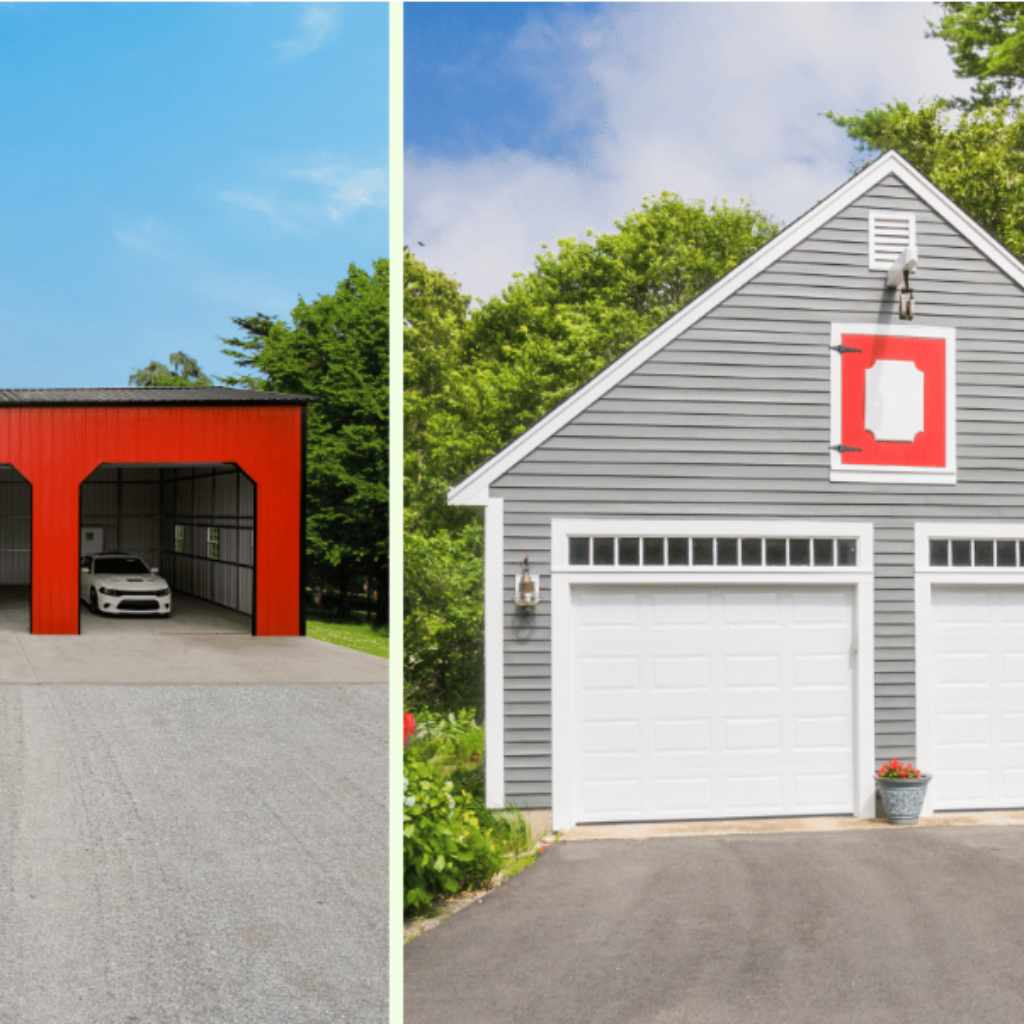
Generally, metal garages are often more affordable upfront than wood garages. This is because the materials can be manufactured in bulk and are often sold as pre-fabricated kits that are quicker to assemble. The cost of materials like steel can be stable, making budgeting easier.
Wood garages can have a higher initial cost, especially if you are using high-quality lumber. The labor cost can also be higher for wood construction due to the complexity of framing and assembly. However, the long-term costs can vary.
While metal might have lower upfront expenses, potential rust treatment or repairs could add up. For wood, regular maintenance like painting or sealing will be an ongoing expense. The price of lumber can also fluctuate, making it harder to predict costs far in advance.
Maintenance Requirements
How much work will it take to keep your garage looking good and functioning well? This is a key part of the Metal Garage vs Wood Garage: What to Choose discussion.
Metal garages typically require less maintenance. The primary concern is usually rust, especially in coastal areas or climates with high humidity. A good coat of paint or a protective sealant can prevent this.
Occasional washing will keep your metal garage looking new. Unlike wood, you won’t need to worry about repainting to protect against insects or rot.
Wood garages demand more regular upkeep. They need to be painted or stained periodically to protect the wood from sun, rain, and snow. This also helps prevent rot and insect infestation.
Regular inspections for signs of wear, loose boards, or pest activity are important. While this maintenance ensures the beauty and structural integrity of your wood garage, it does require a consistent time commitment and ongoing costs.
Aesthetic Appeal and Customization
How your garage looks and how easily you can change its appearance are also important considerations.
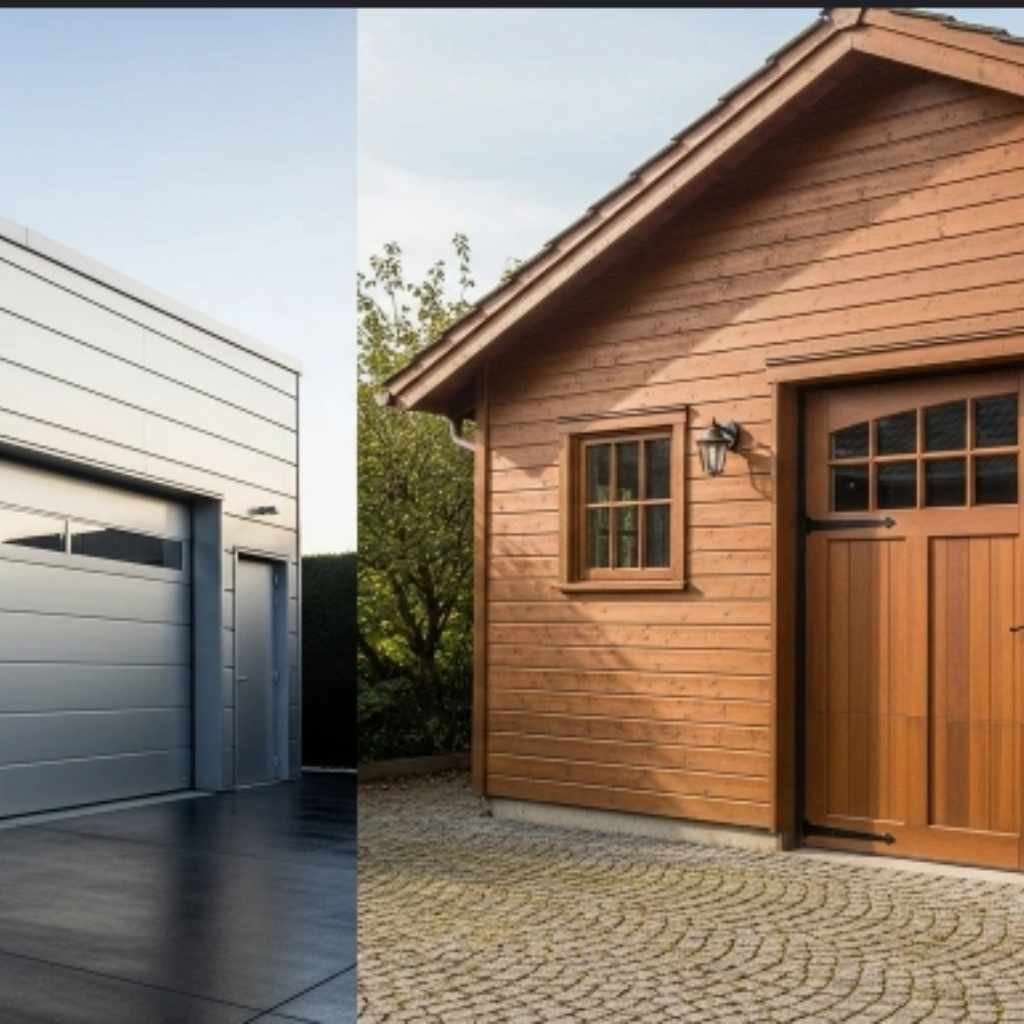
Metal garages come in a variety of colors and styles, and while they are often seen as more utilitarian, modern designs can be quite attractive. Customization options are usually limited to the type of doors, windows, and colors you can select from the manufacturer. Adding extra features like shelving or workbenches is certainly possible, but fundamentally changing the structure’s look might be harder than with wood.
Wood garages offer a more traditional and natural aesthetic. They can be painted or stained in almost any color, allowing you to match your home or landscaping. Wood is also easier to modify.
You can add windows, skylights, or even expand the garage later on with relative ease. If you desire a unique look or plan to make changes over time, wood provides more flexibility.
Construction and Assembly
The process of building the garage itself is another point of difference between metal and wood options.
Metal garages are often sold as kits that can be assembled relatively quickly, sometimes even by yourself with basic tools. The pre-fabricated panels are designed to fit together precisely, reducing the need for complex joinery. This can lead to faster construction times and potentially lower labor costs if you hire professionals.
Wood garages require more traditional construction methods. Framing, cutting, and assembling lumber takes more time and skill. While this can be a rewarding DIY project for some, it typically requires more advanced building knowledge and tools.
Hiring a contractor for a wood garage might also involve higher labor expenses due to the detailed work involved.
Environmental Impact and Sustainability
Considering the environmental footprint of your building materials is becoming increasingly important for many homeowners.
Steel used in metal garages is often made from recycled materials and is itself recyclable at the end of its life. This makes metal a sustainable choice. The manufacturing process for steel can be energy-intensive, but the recyclability factor is a significant advantage.
Wood, when sourced from sustainably managed forests, is a renewable resource. It is biodegradable and has a lower embodied energy compared to some other building materials. However, the harvesting of timber can have environmental impacts if not managed responsibly.
Treated lumber may also contain chemicals that could have environmental concerns.
Resale Value
Thinking about how your garage might affect your home’s value down the line is smart planning.
A well-maintained metal garage can certainly add to your home’s value, especially if it’s a modern, attractive design that complements your property. Their durability and low maintenance can be appealing to potential buyers. However, in some areas, a traditional wood-look might be perceived as more desirable.
A classic wood garage, particularly one that is well-built and blends seamlessly with your home, can also enhance your property’s resale value. Buyers often appreciate the traditional aesthetic and the perceived quality of wood construction. The ability to easily customize or expand a wood structure can also be a selling point.
Installation and DIY Friendliness
If you plan on tackling the build yourself, the ease of assembly is a major concern.
Many metal garage kits are designed with DIY assembly in mind. The instructions are typically clear, and the parts are pre-cut and pre-drilled, making the process more straightforward. While some heavy lifting may be involved, it’s generally a more accessible project for those with limited construction experience.
Building a wood garage from scratch is a more involved DIY project. It requires familiarity with carpentry techniques, including measuring, cutting, and joining lumber accurately. If you’re not comfortable with power tools and framing, hiring a professional might be the better option for a wood structure.
Protection Against the Elements
How well will your garage stand up to weather like sun, rain, snow, and wind?
Metal garages offer excellent protection against the elements. They are impervious to rot and insect damage, which are common issues with wood. A good quality metal garage will be engineered to withstand high winds and heavy snow loads.
However, prolonged exposure to moisture can lead to rust, so proper sealing and occasional inspections are still wise.
Wood garages can offer good protection, but they require ongoing maintenance to do so. Regular painting or staining is essential to shield the wood from UV rays, rain, and snow. If these tasks are neglected, wood can deteriorate quickly, leading to rot, warping, and susceptibility to pests.
Versatility and Expansion
Can your garage adapt to your changing needs over time?
Metal garages are typically built as fixed structures. While you can add accessories like shelves or workbenches, fundamentally altering the size or shape of a pre-fabricated metal garage after it’s built can be difficult and costly. They are generally designed to serve a specific purpose from the outset.
Wood garages offer more versatility when it comes to future modifications. It’s much easier to add extensions, extra windows, or even convert parts of a wood garage into a workshop or living space. The flexibility of wood construction allows for greater adaptability as your needs evolve.
Metal Garage Versus Wood Garage A Simple Comparison
To make the Metal Garage vs Wood Garage: What to Choose decision clearer, let’s look at some key differences side-by-side.
| Feature | Metal Garage | Wood Garage |
|---|---|---|
| Initial Cost | Generally Lower | Generally Higher |
| Durability | High Resistance to Pests and Rot; Can Rust | Susceptible to Pests and Rot if Not Maintained |
| Maintenance | Low; Occasional Rust Check/Paint | High; Regular Painting/Staining Required |
| Aesthetics | Limited Customization; Modern Options | High Customization; Traditional Look |
| Construction Time | Faster, Often Kit-Based | Slower, Traditional Building |
| Expansion Potential | Limited | High |
| Fire Resistance | High | Lower (Treated Wood Improves This) |
Frequently Asked Questions
Question: Which type of garage is cheaper to build?
Answer: Typically, metal garages are cheaper to build initially because their materials are often mass-produced and kits are easier to assemble, saving on both material and labor costs compared to wood garages.
Question: Which garage lasts longer?
Answer: Both can last a very long time with proper care. Metal garages are resistant to pests and rot, but can rust. Wood garages require regular maintenance to prevent rot and insect damage, but a well-maintained wood garage can stand for many decades.
Question: Is a metal or wood garage easier to maintain?
Answer: Metal garages generally require less maintenance. The primary concern is preventing rust. Wood garages need regular painting or staining to protect them from the elements and prevent damage.
Question: Can I customize a metal garage as easily as a wood one?
Answer: Wood garages offer more flexibility for customization and expansion. Metal garages are typically more fixed in their design, though you can often choose colors and add windows or doors from the manufacturer’s options.
Question: Which is better for extreme weather conditions?
Answer: Both can be built to withstand extreme weather. Metal garages are often engineered for wind and snow loads. Wood garages, when properly constructed and maintained, also offer good protection, but their susceptibility to moisture and rot can be a concern in very wet climates.
Final Thoughts
When you’re trying to decide between a metal garage and a wood garage, think about your top priorities. If budget is a primary concern and you want something that needs minimal upkeep, a metal garage is often a great pick. They go up fast and stand strong against many common building problems like pests and rot without much fuss.
On the flip side, if you love the idea of a classic look, want the freedom to paint it any color you wish, or might want to add on later, a wood garage provides that flexibility. Wood allows for more personal touches and can be shaped to fit your exact vision, though it does ask for more regular care. Consider your local climate too – extreme moisture might lean you towards metal, while a dry climate could make wood a good, long-lasting choice with proper sealing.
Ultimately, the best garage for you will be the one that fits your budget, your lifestyle, and your vision for your property. Take a moment to picture your needs both now and in the future, and that will likely point you in the right direction.