Can Metal Be Painted? What Each Metal Type Actually Needs
Yes, metal can be painted – but “metal” isn’t one material, and treating it like one is the most common reason a metal paint job fails early. Steel and iron need rust dealt with first and a rust-inhibiting primer. Aluminum needs a self-etching primer because it doesn’t rust the way steel does. Galvanized steel actively resists regular paint until its zinc coating is prepped correctly. And stainless steel usually doesn’t need paint at all. This guide breaks down what each common metal actually requires, so you pick the right primer once instead of redoing the job in a year.
Yes, But the Prep Depends on Which Metal You’re Painting
Every metal can technically hold paint, but each one bonds to paint through a different mechanism, which is why a primer that works great on steel can peel right off aluminum or galvanized steel within months. Before you grab whatever primer is on the shelf, it helps to have one reliable, genuinely multi-surface option on hand while you work through the specifics below.
Best Multi-Metal Bonding Primer
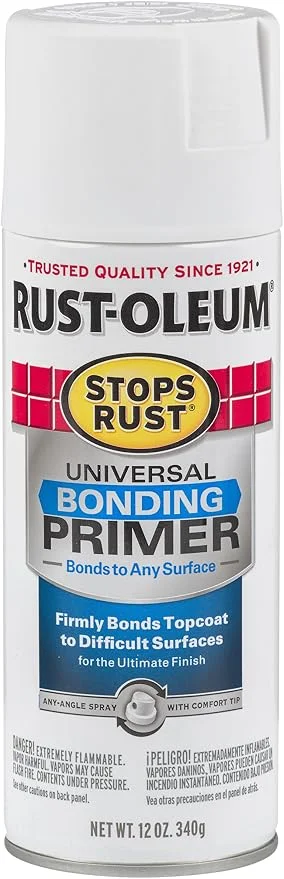 |
Rust-Oleum Stops Rust Universal Bonding Primer – $10.77 A water-based bonding primer built specifically for the surfaces regular primer struggles with – galvanized steel, aluminum, and other hard-to-coat metals – without the saponification risk of an oil-based primer.
|
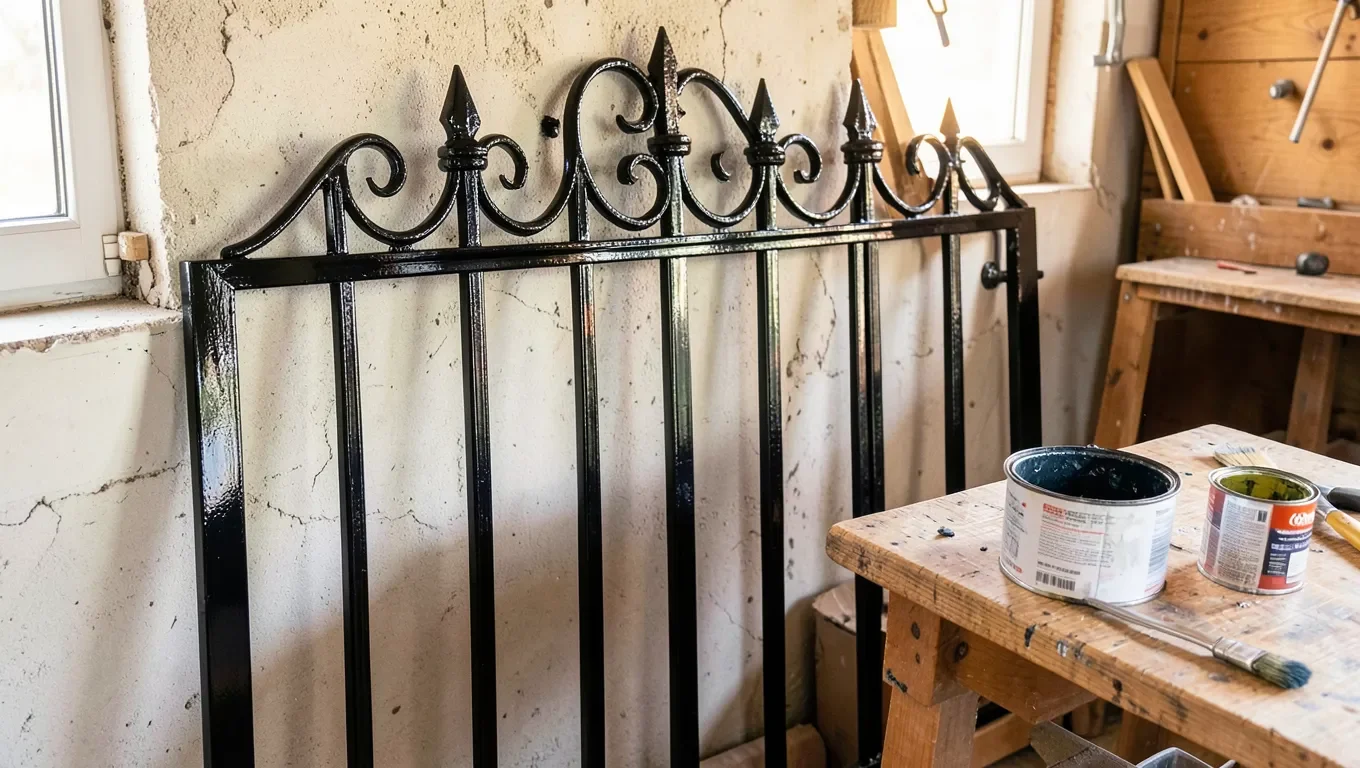
That one primer covers a lot of ground, but it isn’t a universal fix for every scenario below – a rust-pitted steel gate still needs the rust dealt with first, no matter what’s in the can.
Steel and Iron: Rust Is the Only Real Obstacle
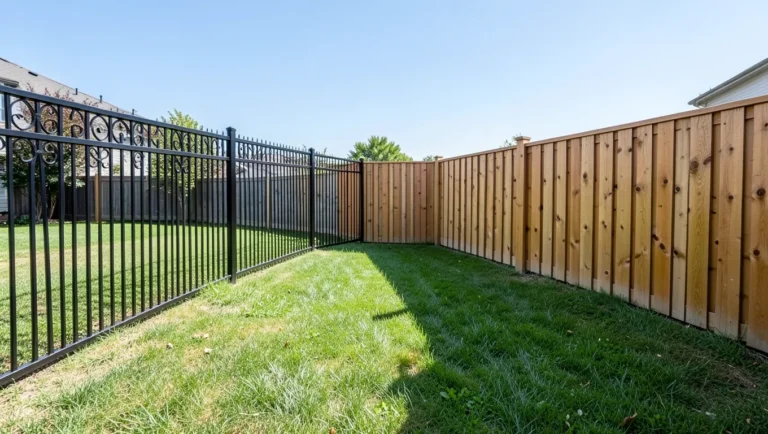
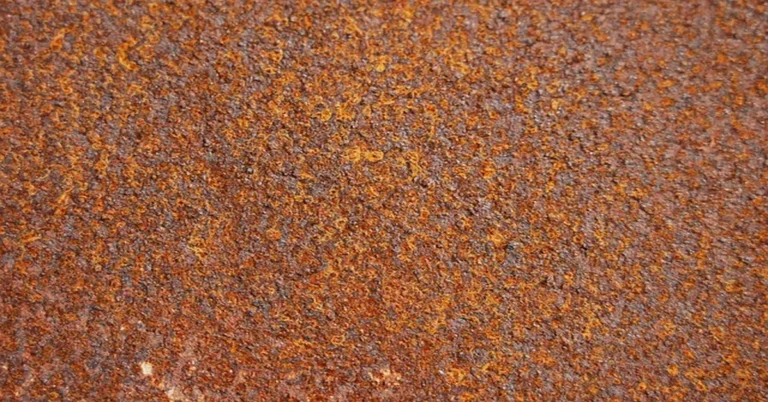
Steel and iron are the easiest metals to paint, because paint bonds to them mechanically once the surface is clean and slightly roughened – there’s no chemical barrier working against you like there is with aluminum or galvanized steel. The entire failure mode on these two metals comes down to one thing: rust. Paint applied over active rust doesn’t stop the corrosion, it seals moisture against the metal and the rust keeps spreading underneath, which is why a “freshly painted” iron railing can bubble and flake within a single season. Sand or wire-wheel visible rust down to bright metal, or use a chemical rust converter on pitted areas where sanding would take forever, then apply a rust-inhibiting metal primer – never a leftover wood or wall primer, which isn’t formulated to bond to bare metal or resist corrosion. If you’re working on an exterior door specifically, our metal door repainting guide walks through the full rust-treatment sequence and which topcoat holds up on a door that gets handled daily.
Galvanized Steel Rejects Regular Paint Until You Deal With the Zinc
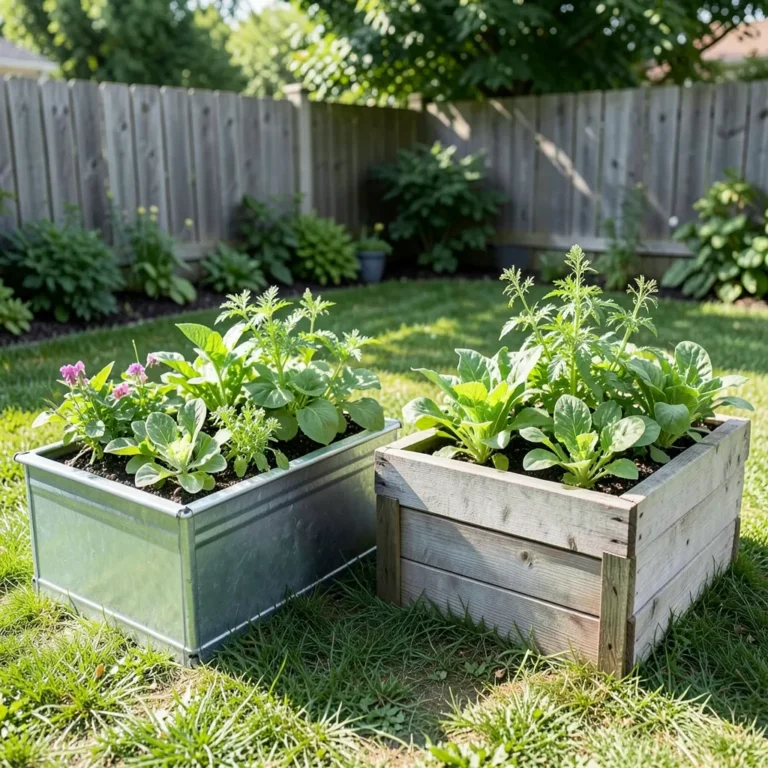
This is the metal that trips up the most DIYers, because it looks like steel but behaves completely differently under paint. Galvanized steel is coated in a layer of zinc to prevent rust, and that zinc layer is covered in manufacturing oils and a chalky zinc-oxide film that paint can’t grip onto – the paint sits on top of that loose surface layer instead of bonding to the metal underneath, and it peels off in sheets. There are two ways around this: let freshly galvanized metal weather outdoors for a few weeks to a few months so the surface oxidizes and roughens naturally, or clean off the oils and use a primer made for galvanized surfaces right away if you can’t wait. Either way, skip oil-based or alkyd primers on galvanized metal specifically – they react chemically with the zinc in a process called saponification, which turns part of the primer into a soap-like layer that causes peeling later. A non-alkyd, acrylic bonding primer avoids that reaction entirely and is the safer default for galvanized steel.
Aluminum Needs an Etching Primer, Not a Rust Primer
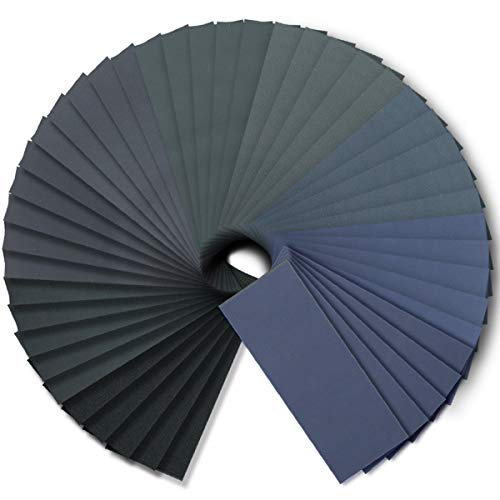
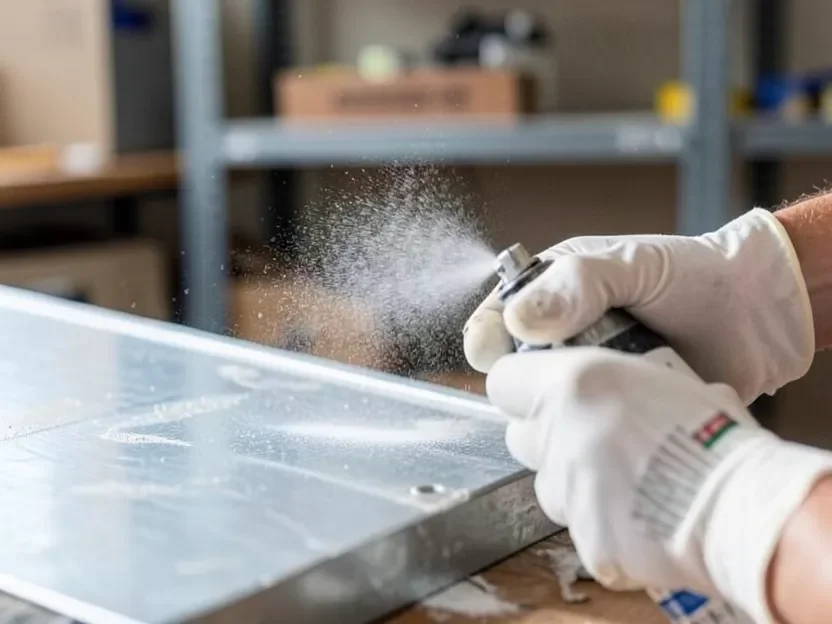
Aluminum doesn’t rust, so a rust-inhibiting primer is solving a problem aluminum doesn’t have. What aluminum does have is its own thin, hard oxide layer that forms almost instantly when the bare metal hits air, and that layer is just as smooth and non-porous as galvanized steel’s zinc coating – regular primer beads up on it instead of bonding. A self-etching primer solves this differently than a bonding primer does: it contains a mild acid that chemically bites into the oxide layer, giving the topcoat something to physically grab onto. Light sanding with fine-grit sandpaper before priming helps too, since it gives the etching primer more surface texture to work with. This is exactly why outdoor aluminum furniture and steel or wrought iron furniture need different primers even when they’re being painted the same color on the same day – our guide to repainting metal outdoor furniture covers picking the right primer for each material on a mixed-metal piece.
Stainless Steel Usually Doesn’t Need Paint At All
Stainless steel gets its corrosion resistance from a passive chromium-oxide layer that forms naturally on the surface and continuously protects the metal underneath – that’s the entire reason it’s called “stainless” in the first place, and in normal indoor or outdoor conditions it doesn’t need a paint film for protection the way plain steel does. That same passive layer is also why stainless steel is genuinely hard to paint well: it’s smooth and chemically inert almost by design, so paint has very little to mechanically grip. If you want to paint stainless steel anyway, for looks or to match other pieces, the passive layer has to be abraded first – thorough sanding with a coarse grit, followed by a bonding primer made for slick, hard-to-coat surfaces – or the paint will scratch off with a fingernail months later even though it looked fine on day one.
Copper and Brass: Technically Paintable, Rarely Worth It
Copper and brass can be painted, but most people painting them are covering up a patina or tarnish that a lot of buyers actually consider part of the material’s appeal, so it’s worth deciding whether polishing or a clear lacquer would serve the project better before reaching for opaque paint. If you do want to paint over copper or brass, degrease the surface thoroughly first – both metals pick up oils from handling that regular cleaners don’t fully remove – then use a bonding primer rather than a rust-inhibiting one, since neither metal rusts and the adhesion challenge here is the same slick-surface problem as aluminum, just without the oxide layer’s acid-etching solution working quite as well.
How Long to Wait Between Coats (And Before You Use the Piece Again)
Most metal primers are dry to the touch in 30 minutes to an hour, but “dry to the touch” and “ready for a topcoat” aren’t the same thing – check the can for the recoat window, since some bonding primers allow topcoating almost any time while others need a full 24 to 48 hours to cure properly first. Whichever primer and paint you use, two thin coats of topcoat consistently outperform one thick coat: thin coats level out smoothly and dry evenly all the way through, while a single heavy coat can stay soft underneath even after the surface feels dry, which shows up later as dents or fingerprints that never should have happened. If you haven’t settled on brush, roller, or spray yet, our brush vs. spray paint comparison breaks down which application method actually holds up better on metal, and our guide to spray painting metal covers which specific metals can skip primer entirely when you’re using spray paint. Give the final coat at least 24 hours before handling the piece regularly, and closer to a week before it goes back outside into rain or heavy use.
When Painting Metal Isn’t the Right Call
Painting isn’t always the answer, even on metal that’s technically paintable. Heavily pitted or flaking metal that’s more rust than base material often isn’t structurally worth saving – paint won’t restore strength that’s already corroded away. Precision hardware, moving parts, and anything with tight tolerances (hinges, threaded fittings, tool surfaces) can bind or stop fitting correctly once paint film adds even a fraction of a millimeter of thickness. And metal that gets genuinely hot – grill grates, wood stove surfaces, engine parts – needs a high-heat paint rated for that specific temperature range, not whatever exterior enamel is already open in the garage, since standard paint will scorch, discolor, or release fumes well below the temperatures those surfaces reach. Choosing exterior-rated paint matters just as much as picking the right primer; see our breakdown of exterior vs. interior paint if you’re unsure which one a given project actually needs.
Frequently Asked Questions
Can you paint metal without any primer?
Not if you want it to last. Paint applied directly to bare metal has nothing to chemically bond to and no rust protection underneath it, so it typically peels, chips, or lets corrosion start within months. Primer is what actually creates the bond and the barrier – skipping it to save a step almost always means redoing the whole job sooner.
Does galvanized steel really need a different primer than regular steel?
Yes. Regular steel primer is designed to inhibit rust on bare or lightly rusted steel, but galvanized steel doesn’t rust the same way – its zinc coating and oxide layer resist regular primer entirely. Galvanized steel needs a bonding primer made for slick, hard-to-coat surfaces, or it needs to weather outdoors for a few weeks to a few months before regular primer will hold.
Why did paint peel off my aluminum after it looked fine at first?
This almost always means a rust-inhibiting primer was used instead of a self-etching one. Aluminum’s natural oxide layer is smooth and non-porous, so a primer built to fight rust on steel doesn’t chemically bond to it – the paint can look fine for weeks before it lets go in sheets. A self-etching primer bites into that oxide layer and gives the topcoat something to actually grip.
Do I need to paint stainless steel to protect it from rust?
No. Stainless steel’s chromium-oxide passive layer already protects it from rust in normal conditions, which is the entire point of the material. Paint on stainless steel is purely cosmetic, and because that same passive layer resists paint adhesion, it needs to be sanded before painting or the finish will flake off far sooner than it would on plain steel.
Wrap Up
Metal can be painted, but “the right primer for metal” is a different answer depending on which metal is actually in front of you. Rust is the whole problem on steel and iron. A chemical barrier is the whole problem on galvanized steel and aluminum, just solved two different ways. And stainless steel usually doesn’t need paint at all. Match the primer to the actual material instead of the category, and the paint job holds up for years instead of one season.
Sponsored / affiliate links. As an Amazon Associate I earn from qualifying purchases. I may earn additional commission from eligible campaigns.