Metal vs Wood Casket: Choosing the Right Option
Picking out a casket can feel like a big decision, and for many people, it’s a first-time experience. The choice between metal and wood caskets often comes up, and it’s not always clear what makes each option different or which one is best. This guide aims to make things simpler.
We’ll walk through the main differences step-by-step, so you can feel confident about the Metal vs Wood Casket: Choosing the Right Option.
Metal Caskets An Overview
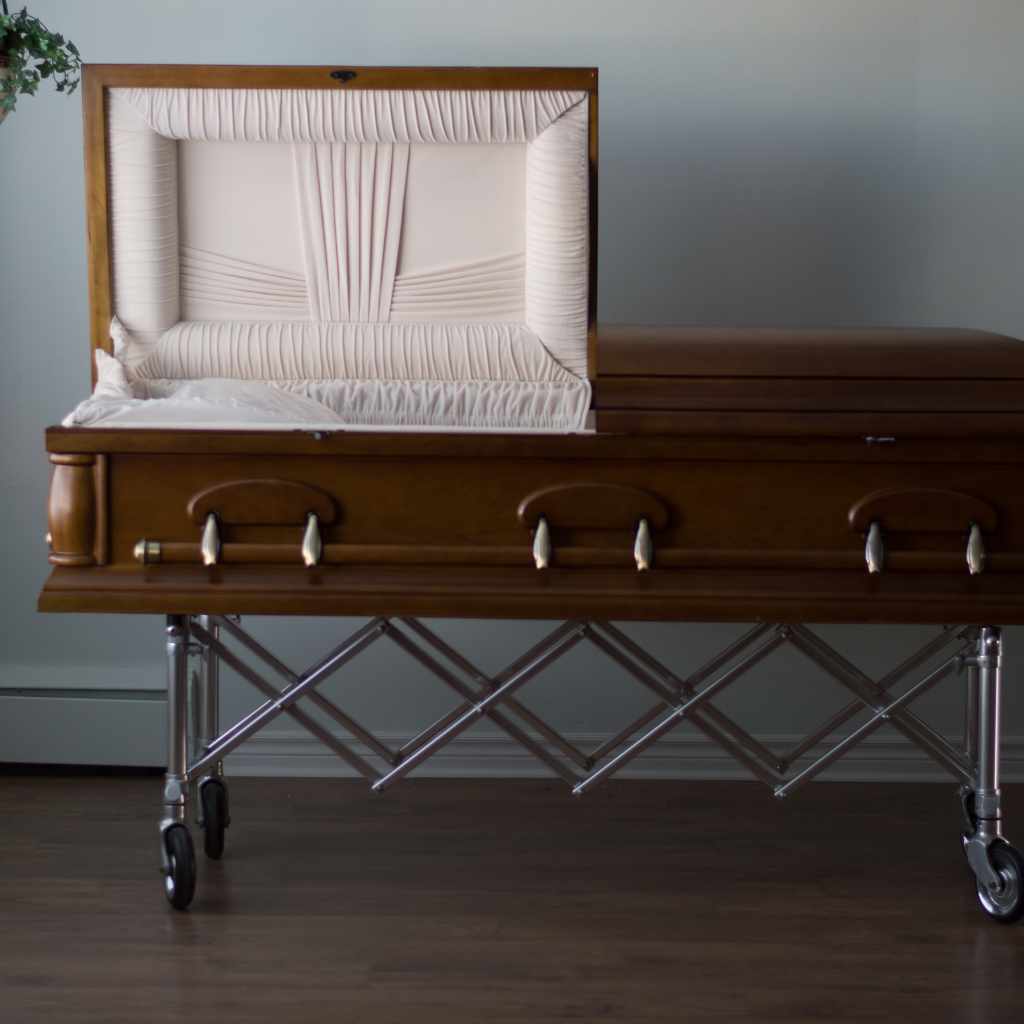
Metal caskets are a popular choice for several reasons. They often bring a sense of durability and strength to mind. When thinking about how long something needs to last, metal certainly offers a long-term feeling.
They come in a variety of metals and finishes, allowing for different looks and price points.
Types of Metal Caskets
The most common metals used for caskets are steel and bronze. Each has its own characteristics that appeal to different preferences and budgets.
Steel Caskets
Steel caskets are perhaps the most widely chosen type of metal casket. They offer a good balance of strength, appearance, and affordability. Steel is a strong and reliable material that provides a sense of security.
Gauges of Steel
Steel caskets are often described by their gauge. The gauge refers to the thickness of the steel. A lower gauge number means thicker steel, and therefore, a more substantial and often more expensive casket.
Common gauges include 20-gauge, 18-gauge, and 16-gauge. Higher quality steel caskets will use thicker gauges.
Finishes for Steel Caskets
Steel caskets come in a wide array of finishes. These finishes not only affect the appearance but can also offer protection. Some common finishes include brushed metal, polished enamel, and hammered effects.
Colors can range from classic silver and gold tones to darker shades like navy blue, maroon, or black.
Bronze Caskets
Bronze caskets are considered a premium option. Bronze is an alloy, primarily composed of copper and tin. It is known for its exceptional durability and resistance to corrosion.
Bronze caskets often have a rich, warm color and a substantial feel, making them a choice for those seeking a luxurious and long-lasting memorial.
Characteristics of Bronze
Bronze is a naturally durable metal that will not rust. Its density and weight contribute to its perceived quality and longevity. The metal itself often has a distinctive reddish-brown hue, though it can also be finished in various shades.
Styles and Finishes of Bronze Caskets
Bronze caskets are typically offered in elegant and refined styles. They might feature detailed engravings or ornamental designs. The finishes can be polished to a high sheen, brushed, or have a more antique appearance.
Stainless Steel Caskets
Stainless steel is another option, offering a good compromise between the affordability of regular steel and the corrosion resistance of bronze. It is an alloy that includes chromium, which prevents rusting and staining. Stainless steel caskets are durable and maintain their appearance well over time.
Benefits of Stainless Steel
The primary benefit of stainless steel is its resistance to corrosion. This means it won’t rust or degrade easily, providing a clean and lasting appearance. It also offers good strength and a modern look.
Aesthetic Appeal
Stainless steel often has a sleek, silvery finish that is contemporary and understated. It can be polished to a mirror-like shine or have a brushed texture. This makes it a versatile choice for various preferences.
Pros and Cons of Metal Caskets
Choosing a metal casket comes with distinct advantages and some considerations.
Pros
- Durability: Metal is strong and resistant to decay, offering a sense of lasting protection.
- Protection: Offers a good barrier against the elements.
- Appearance: Available in a wide range of finishes and colors to suit personal taste.
- Variety: Many styles and price points available, from more affordable steel to premium bronze.
Cons
- Environmental Impact: Metal is not biodegradable like wood, which can be a consideration for those focused on eco-friendly options.
- Cost: While steel can be affordable, higher-grade metals like bronze can be significantly more expensive.
- Weight: Metal caskets can be quite heavy, which might influence handling and transport.
Wood Caskets An Overview
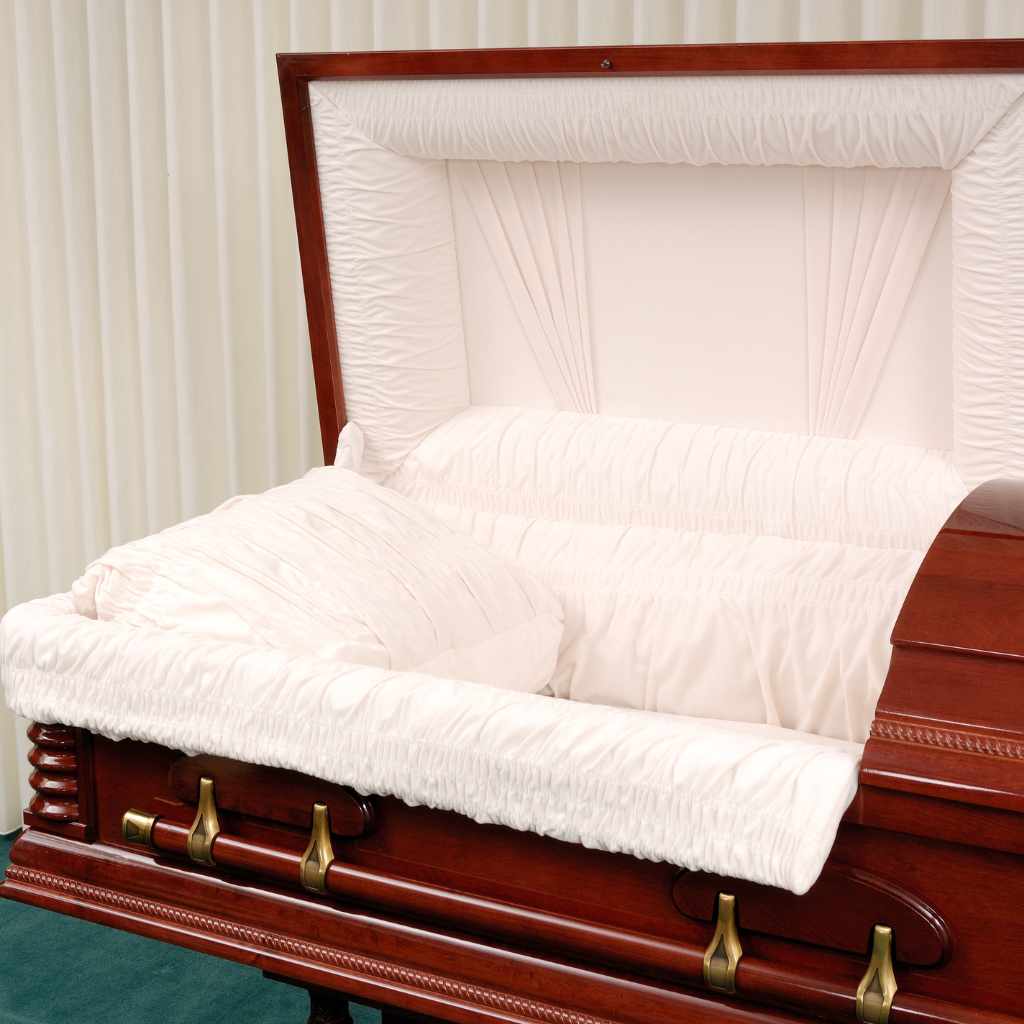
Wood caskets have been used for centuries and continue to be a deeply traditional and beautiful choice. They offer a natural, warm aesthetic and are often favored for their biodegradable qualities. The type of wood, its finish, and its design all play a part in the final appearance and cost.
Types of Wood Caskets
The kind of wood used for a casket can vary greatly, affecting its appearance, durability, and price. Hardwoods are generally preferred for their strength and visual appeal.
Hardwood Caskets
Hardwoods come from deciduous trees that lose their leaves annually. They are known for their density, strength, and beautiful grain patterns, making them excellent choices for caskets.
Oak Caskets
Oak is a classic choice, renowned for its strength, durability, and distinctive, prominent grain. It has a warm, natural color that can be enhanced with various finishes. Oak caskets often convey a sense of tradition and dignity.
Styles and Finishes
Oak caskets are available in many styles, from simple and elegant to more ornate designs. They can be finished in natural tones to highlight the wood’s grain, or stained in darker hues like cherry or walnut to achieve a different look. Popular finishes include natural, medium, and dark oak.
Mahogany Caskets
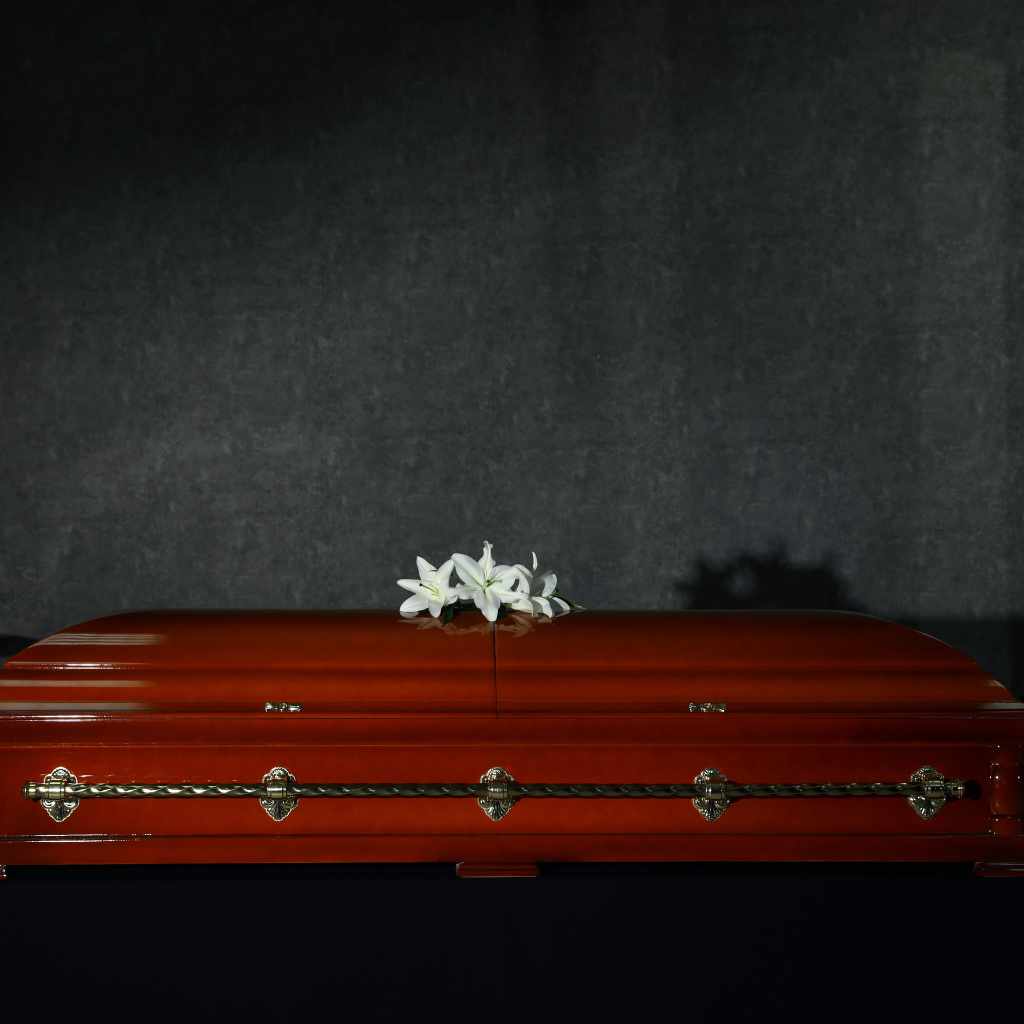
Mahogany is a highly prized hardwood, known for its deep reddish-brown color, fine grain, and exceptional durability. It’s often considered a luxurious and elegant material for caskets. Mahogany caskets offer a rich and stately appearance.
Craftsmanship and Appeal
The natural beauty of mahogany allows for exquisite craftsmanship. Its smooth, satiny texture and the way it takes a polish contribute to its premium feel. Mahogany is a durable wood that resists decay well.
Cherry Caskets
Cherry wood is prized for its smooth, fine grain and its ability to age gracefully, often deepening in color to a rich reddish-brown over time. It has a warm, inviting appearance and is a popular choice for those seeking a natural beauty.
Aesthetic Qualities
Cherry wood offers a softer, warmer tone compared to oak or mahogany, making it a gentle and beautiful option. The grain is typically straight and fine, giving a sophisticated look.
Walnut Caskets
Walnut is another premium hardwood, recognized for its rich, dark brown color and often striking grain patterns. It is strong, durable, and provides a sophisticated, elegant appearance. Walnut caskets are a top-tier choice for their luxurious look.
Color and Grain
The deep, dark tones of walnut are distinctive and appealing. The grain can be straight or wavy, adding character and visual interest to the casket’s surface.
Other Wood Options
Beyond the main hardwoods, other wood types are sometimes used, offering different aesthetics and price points.
Maple Caskets
Maple is a strong, pale wood with a fine, even grain. It offers a lighter, more contemporary look compared to darker hardwoods and can be stained to achieve various colors, though its natural pale tone is also appealing.
Pine Caskets
Pine is a softer wood, making it generally more affordable. It has a distinct knotty appearance that some find charming and rustic. Pine is biodegradable and lighter than hardwoods.
Pros and Cons of Wood Caskets
Wood caskets offer a unique set of benefits and considerations.
Pros
- Natural and Biodegradable: Wood is a natural material that decomposes over time, making it an environmentally friendly option.
- Warm Aesthetic: Offers a natural, warm, and traditional appearance that many find comforting.
- Variety of Woods: Different woods provide a range of looks, from light and airy to rich and dark.
- Personalization: Wood can be easily engraved or carved, allowing for more personalized details.
Cons
- Durability: While hardwoods are durable, wood is naturally susceptible to decay and moisture damage over very long periods or in certain environmental conditions.
- Cost: High-quality hardwoods like mahogany and walnut can be as expensive or more expensive than many metal caskets.
- Weight: Can also be heavy, depending on the type of wood.
Comparing Metal and Wood Caskets
When making the Metal vs Wood Casket: Choosing the Right Option decision, a direct comparison can highlight key differences. Both materials serve the primary purpose of a casket, but they do so with different characteristics.
Material and Durability
Metal caskets, especially those made from bronze or thick gauge steel, are often perceived as more durable and protective against external factors. They are resistant to corrosion and decay. Wood caskets, while strong in their own right, are organic materials that will eventually decompose.
The choice here often comes down to whether long-term preservation or natural decomposition is the priority.
Appearance and Aesthetics
Metal caskets typically offer a polished, often more formal or contemporary look, with finishes ranging from brushed silver to deep, glossy colors. Wood caskets provide a natural, warm, and traditional beauty, with the unique grain patterns of the wood adding character. The aesthetic preference is highly personal, with some favoring the sleekness of metal and others the organic feel of wood.
Cost Considerations
The price range for both metal and wood caskets is broad. Basic steel caskets can be among the most affordable options available. As you move to higher gauges of steel, or to materials like stainless steel and especially bronze, the cost increases significantly.
Similarly, while pine caskets are relatively inexpensive, high-end hardwoods like mahogany and walnut are among the most expensive casket options. It is possible to find budget-friendly options in both categories, as well as luxury choices.
Environmental Impact
For those concerned about environmental impact, wood caskets are generally considered the more eco-friendly choice due to their natural biodegradability. Metal caskets, being non-biodegradable, will remain in the ground for much longer periods. However, the production of both materials has its own environmental considerations.
Personal Preference and Tradition
Ultimately, the decision often comes down to personal preference, family traditions, and the wishes of the deceased. Some families may have a long-standing tradition of using wood, while others may prefer the perceived strength and modern look of metal. There is no right or wrong answer, only what feels most appropriate and meaningful.
| Feature | Metal Caskets | Wood Caskets |
|---|---|---|
| Primary Material | Steel, Bronze, Stainless Steel | Oak, Mahogany, Cherry, Walnut, Pine, Maple |
| Durability | High, resistant to decay/corrosion | Varies by wood type, biodegradable |
| Aesthetics | Polished, modern, sleek, various colors | Natural, warm, traditional, wood grain |
| Cost Range | Moderate to High (steel to bronze) | Moderate to High (pine to premium hardwoods) |
| Environmental Impact | Non-biodegradable | Biodegradable |
| Weight | Generally heavy | Varies by wood, can be heavy |
Making Your Choice
Deciding between metal and wood involves thinking about what matters most to you and your family. Consider the person being honored. Did they have a strong preference for natural materials, or did they appreciate a more modern and lasting appearance?
Think about the overall tone and feeling you wish to convey for the memorial service and the final resting place.
Consider the Deceased’s Preferences
If the deceased expressed specific wishes about their casket, that is the most important factor. Sometimes, people have clear ideas about whether they preferred the natural beauty of wood or the solid, enduring quality of metal. Honoring these preferences ensures the tribute is truly personal.
Factor in Budget
As discussed, both metal and wood caskets come in a wide range of prices. Setting a budget early can help narrow down the options. Don’t hesitate to discuss budget constraints openly with your funeral director, as they can guide you to suitable choices within your price range.
Think About the Burial or Mausoleum Environment
The conditions at the burial site or in a mausoleum can also be a factor. For example, in areas with very high moisture, the corrosion resistance of certain metals or the protective seal of some wood caskets might be a consideration. Funeral directors are knowledgeable about these environmental factors and can offer advice.
Don’t Forget Personalization
Both metal and wood caskets can often be personalized. Wood offers more options for carving and engraving. Metal caskets might allow for personalized interior linings or exterior design elements.
Consider how you might want to add a personal touch to the chosen casket.
Frequently Asked Questions
Question: Which type of casket is generally more affordable Metal or Wood
Answer: It varies greatly within both categories. Basic steel caskets can be quite affordable, often making them less expensive than many wood options. However, premium hardwoods like mahogany can be more expensive than many metal caskets.
So, there isn’t a simple one-size-fits-all answer.
Question: Are metal caskets better for long-term preservation
Answer: Metal caskets, particularly those made from bronze or stainless steel, are designed for durability and resistance to corrosion. This can offer a sense of lasting preservation. Wood caskets are biodegradable and will naturally decompose over time.
Question: Which casket material is more environmentally friendly
Answer: Wood caskets are generally considered more environmentally friendly because they are biodegradable. Metal caskets are not biodegradable and will remain in the ground for a very long time.
Question: Can I customize a metal or wood casket
Answer: Yes, customization is often possible with both types of caskets. Wood caskets can be engraved or carved. Metal caskets may allow for personalized interior fabrics or exterior finishes.
Question: Does the type of wood significantly impact the price of a wood casket
Answer: Yes, absolutely. Softer woods like pine are generally less expensive. Hardwoods such as oak, cherry, and maple fall into a mid-range, while premium hardwoods like mahogany and walnut are typically the most expensive wood options.
Final Thoughts
Choosing between a metal and wood casket is a personal decision, and both options offer unique qualities. Metal caskets, in their various forms like steel, stainless steel, and bronze, provide a sense of enduring strength and come in a wide array of finishes for a polished look. They are built for durability and protection.
On the other hand, wood caskets, crafted from beautiful hardwoods such as oak, mahogany, cherry, and walnut, offer a natural warmth and a connection to tradition. Their appeal lies in their organic beauty and their biodegradability, making them a popular choice for those who value environmental consciousness and natural aesthetics. When considering the Metal vs Wood Casket: Choosing the Right Option, think about the deceased’s personality and preferences, your family’s traditions, and what feels most meaningful for the memorial.
Discuss your budget openly with your funeral director, as they can guide you to the best choices available. Focus on selecting a casket that honors the life lived and provides comfort during this time.