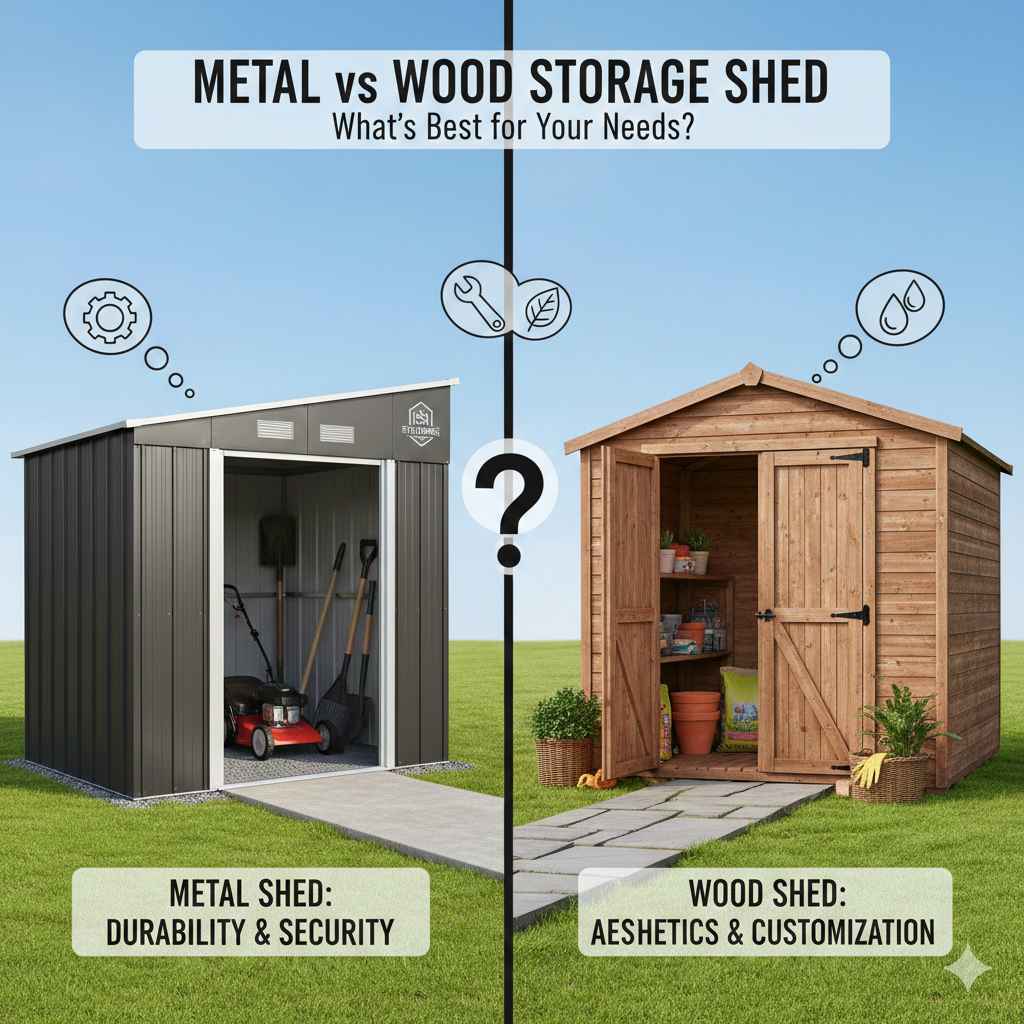
Metal vs Wood Storage Shed: What’s Best for Your Needs?
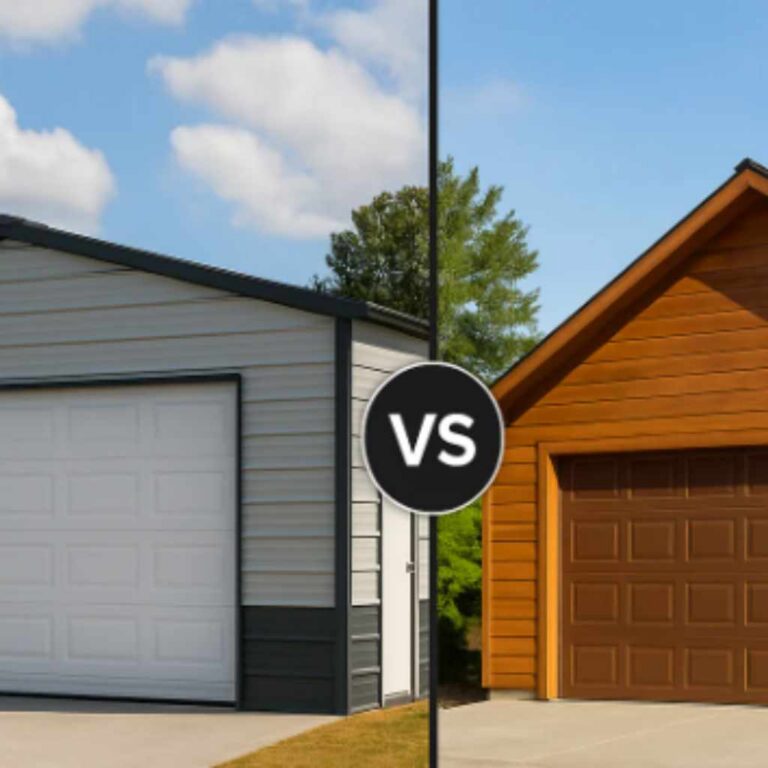
Choosing a storage shed seems simple, but deciding between a Metal vs Wood Storage Shed: Key Differences can be tricky. It’s common to feel unsure about the best option for your home. Don’t worry, we’re here to help! We’ll explore the main differences in an easy-to-follow guide, breaking down everything you need to know. We’ll show you step-by-step how to make the right choice. Ready to learn more?
Evaluating Your Shed Needs: Location and Usage
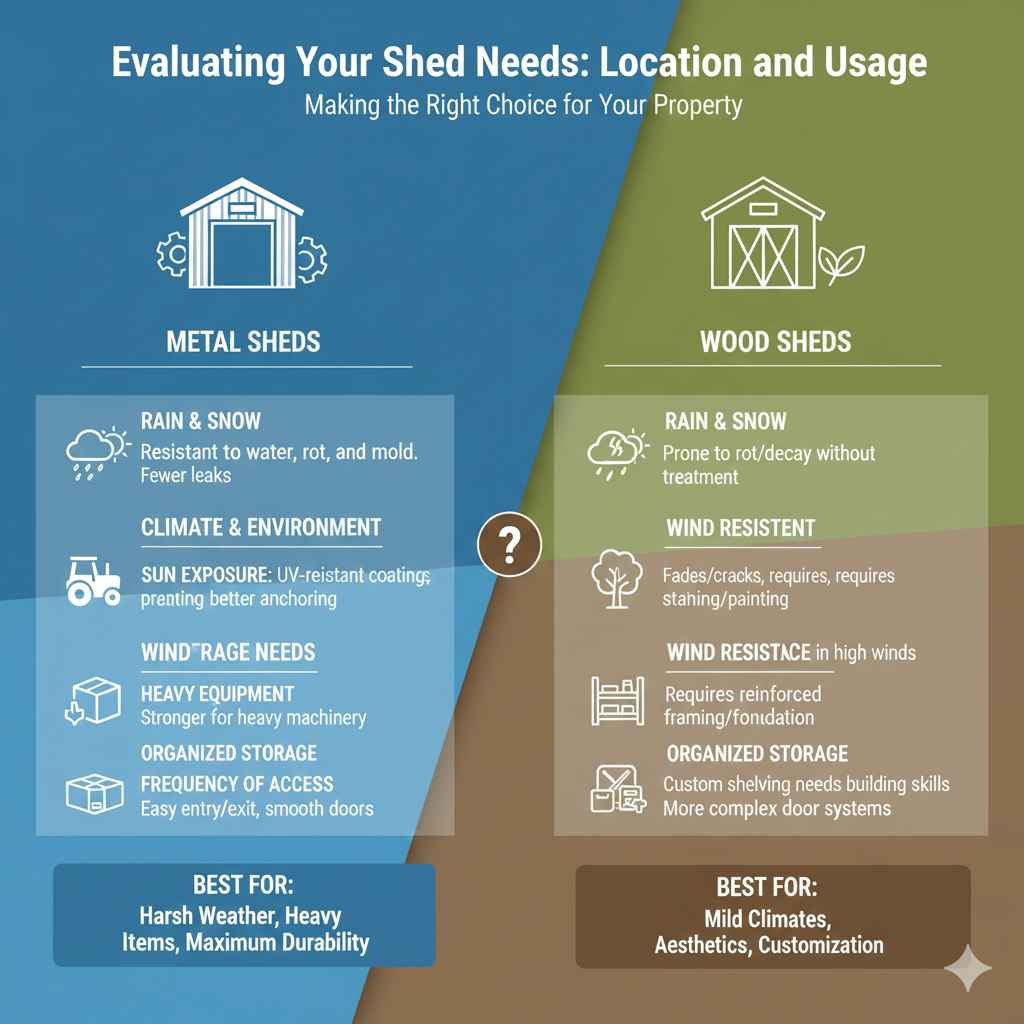
Before you choose between metal or wood sheds, think about where you’ll put your shed and what you’ll store inside. The location influences what materials will last and perform the best. Consider your local weather conditions like rain, sun, and snow, along with any possible hazards like strong winds. Will you be storing heavy tools, gardening equipment, or seasonal items? Understanding these factors will greatly impact your selection process. This initial assessment helps to narrow down the choices and ensures you pick a shed that matches your specific circumstances.
Assessing Climate and Environmental Factors
Your local weather conditions are really important when deciding between a metal or wood shed. Areas with lots of rain or snow might be better suited for metal sheds, as they’re often more resistant to water damage and rot. Places with strong sunshine might cause wood to fade or crack over time. Metal sheds tend to handle high winds better too, depending on their construction. Thinking about these environmental issues ensures your shed lasts a long time and keeps your things safe. A shed made of wood, exposed to continuous moisture, will rot and decay quicker, possibly leading to costly repairs or even replacement.
Rain and Snow: Metal sheds typically resist water and snow better than wood, preventing rot and moisture problems.
Wood sheds, if not properly treated, can absorb water, leading to mold and decay. Metal sheds have fewer seams and are less likely to leak, offering better protection in wet climates. The metal sheds’ construction is geared to handle the weight of snow, reducing the likelihood of collapses.
Sun Exposure: Wood can fade and crack when exposed to strong sunlight, but metal sheds are less affected.
Metal sheds typically come with coatings that resist UV rays, keeping them from fading or deteriorating. Wood sheds require regular painting or staining to protect against the sun’s damage. Direct sun can also warp wooden structures, creating gaps or misalignments over time.
Wind Resistance: Metal sheds, when properly anchored, often handle strong winds better than wood sheds.
Metal structures are built to withstand high wind loads, providing better protection during storms. The design and assembly of metal sheds generally have fewer weak points, making them more resistant to wind damage. Wood sheds, particularly older or poorly constructed ones, might struggle in high winds and could get damaged.
Matching Storage Needs to Shed Capacity
What you plan to store will also impact your shed material decision. Consider the size and weight of your belongings. If you need a lot of space for heavy items like lawnmowers or power tools, a metal shed could be the better choice because they generally offer greater structural integrity. Wooden sheds often require more planning to accommodate substantial weight, depending on the lumber type. Matching your storage needs will ensure you choose a shed that can handle your items and lasts for years to come.
Heavy Equipment: Metal sheds are often built with stronger framing, making them better for heavy items like tractors or machinery.
Wood sheds can also handle heavy loads, but they typically require stronger framing and a more substantial foundation. The type of wood and construction methods play a role in how much weight a wooden shed can hold. Some wood sheds might also require reinforced flooring to safely store heavy equipment.
Organized Storage: If organization is key, consider the interior layout and shelving options available for each type of shed.
Metal sheds come with a wider variety of shelving and organization tools for specific uses. Many metal sheds also have pre-drilled holes for easy installation of shelves or racks, providing more storage options. Wood sheds can be customized for shelving, but these options require building skills or contracting out construction.
Frequency of Access: Consider how often you’ll access your stored items, as this can affect your choice.
Metal sheds are often designed for easy entry and exit, with convenient door placement and smooth operation. Wood sheds might have more complex door systems or require more effort to open and close. The ease of access helps keep your items organized and easy to use.
The Advantages and Downsides of Metal Sheds
Metal sheds come with a variety of advantages, including durability and ease of maintenance. However, they also have some weaknesses that might make you think twice. Understanding these pros and cons helps you make an educated choice when comparing a Metal vs Wood Storage Shed: Key Differences. This knowledge helps you balance the positive and negative aspects, ensuring the shed you pick meets your needs.
Durability and Weather Resistance
Metal sheds are known for their lasting durability, often built to survive harsh weather. Most metal sheds are made of steel, which withstands harsh weather conditions, including rain, snow, and strong winds. The metal sheds’ ability to endure is a significant benefit for homeowners looking for a low-maintenance, long-lasting storage solution. The metal sheds’ construction methods are designed to avoid issues such as rotting or insect infestation, making them a good option.
Rust Resistance: Many metal sheds are coated to resist rust, ensuring they stay looking good and functional.
Coatings like galvanized steel or powder-coating offer protection against the elements, preventing rust and corrosion. These coatings add to the shed’s lifespan and require minimal upkeep. Rust can weaken a shed’s structure, but protective treatments decrease the need for repairs.
Wind Resistance: Metal sheds handle high winds well, especially if anchored correctly.
The design of many metal sheds is engineered to endure wind, preventing structural damage during storms. Their designs and construction often feature fewer weak points, adding to wind resistance. It’s important to properly install and secure the shed to ensure maximum wind resistance.
Fire Resistance: Metal sheds are typically non-combustible, offering extra safety in case of fire.
Metal sheds don’t burn easily, which lowers the risk of fire. This is a significant safety benefit, especially in areas where wildfires are common. The non-flammable nature also means the shed won’t help a fire spread to other structures.
Maintenance and Cost Considerations
While metal sheds are usually long-lasting, understanding the costs of ownership is important. The cost of a metal shed can depend on its size, style, and features. They often require minimal upkeep, but you should take this into account. Careful planning will help you make a budget-conscious decision, guaranteeing you get a shed that fits your needs. This consideration includes both the initial expense and the long-term cost.
A study found that a properly maintained metal shed can last for 20+ years, while a wood shed typically requires more maintenance and may need
Low Maintenance: Metal sheds typically need very little maintenance, often just occasional cleaning.
You don’t need to repaint or stain a metal shed, which saves both time and money. Regular maintenance includes checking for rust and repairing it promptly. Regular checks make sure the shed lasts a long time and functions well.
Cost-Effectiveness: Metal sheds can be more affordable upfront compared to wood sheds, particularly for similar sizes.
The initial cost is often less, making it a good choice for people on a budget. The price will change based on its size, features, and the kind of metal used. Make sure you check the features and build quality to pick the best value for your money.
Potential for Denting: Metal sheds can dent, especially during hailstorms or if something strikes them.
Dents don’t always affect the shed’s function, but they can affect its looks. Repairs are possible, but they might need some skill or a professional. The damage from dents can be fixed or concealed, but it could cost money.
Exploring the Characteristics of Wood Sheds
Wood sheds come with their own distinct set of benefits and things to think about. From the aesthetic appeal to the amount of upkeep needed, knowing these characteristics will aid you. Analyzing the features will help you pick a shed that matches your style and demands. Weighing these attributes will help you choose between a Metal vs Wood Storage Shed: Key Differences.
Aesthetics and Customization Options
Wood sheds can improve a home’s curb appeal, thanks to their natural looks. Wood sheds come in many styles, so you can pick one that complements your home’s look. The ability to paint and stain a wooden shed allows for personalization. This flexibility enables homeowners to blend their shed seamlessly with their outdoor space.
Natural Appearance: Wood sheds have a warm, natural look that blends well into many landscapes.
The organic look adds charm to your backyard. You can choose different types of wood, each bringing its character and grain. Many prefer the classic feel and appearance of natural wood.
Customization: Wood sheds are very easy to adapt and change with paint, stain, and various design features.
You can adjust them to fit your taste, from colors to patterns. You can also add windows, doors, and architectural elements. This flexibility lets you create a storage space that is unique to you.
Versatility: Wood sheds can be built in a wide variety of styles, from simple to more elaborate designs.
You can choose from many styles like traditional, modern, or rustic. They are well-suited to different needs and tastes. The versatility helps integrate the shed into your yard.
Maintenance Requirements and Potential Issues
Wood sheds require some maintenance to keep them looking good and functional. This includes regular painting, staining, and treatment to prevent issues like rot and pests. These upkeep activities are important to protect the wood from the elements and keep your shed in top shape. Thinking about these needs is important when planning for the long-term. Maintenance will affect both the effort and the cost associated with owning a wooden shed.
According to a survey, approximately 60% of wood shed owners report performing maintenance annually, while only 15% of metal shed owners do the same (Source: Shed Ownership Trends).
Regular Painting/Staining: Wood sheds need to be painted or stained periodically to protect them.
Protecting the wood is essential to help the shed resist weather damage. Regular maintenance prevents the wood from drying out, cracking, and fading. Maintaining the finish also adds to the aesthetic appeal of the shed.
Susceptibility to Rot: Wood is vulnerable to rot if not treated or if it’s exposed to moisture.
Rotting weakens the structure, and it can result in costly repairs or the need for a total replacement. Proper treatment, drainage, and ventilation help to reduce rot and extend the shed’s life. Moisture can be a problem in damp environments, so preventive steps are important.
Pest Infestation: Wood sheds can be appealing to pests like termites and other insects.
These pests can damage the wood, weakening the shed. Regular inspections and pest control are necessary to prevent infestations. Treating the wood with pest-resistant products can help to protect your investment.
Comparing Features: Metal vs Wood Shed
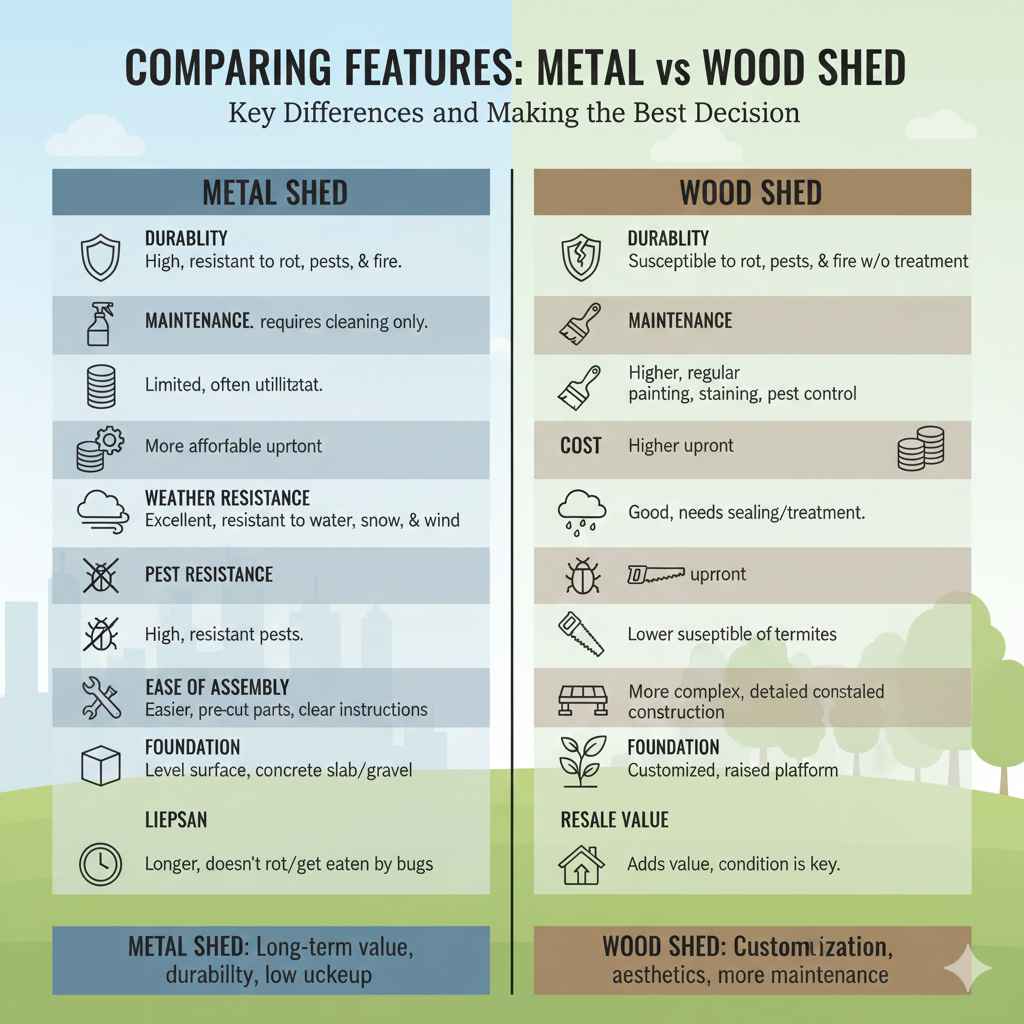
When selecting between metal and wood sheds, a direct comparison is helpful. Examining each aspect side by side will highlight the differences and similarities. This helps in making a better choice based on individual priorities. Using this comparison will give you a better grasp of the Metal vs Wood Storage Shed: Key Differences and make the best decision.
| Feature | Metal Shed | Wood Shed |
|---|---|---|
| Durability | Generally high, resistant to rot, pests, and fire | Can be durable but susceptible to rot, pests, and fire without proper treatment |
| Maintenance | Low, typically requires cleaning only | Higher, needs regular painting, staining, and pest control |
| Aesthetics | Can be limited, often utilitarian | Offers more design options, can be customized |
| Cost | Generally more affordable upfront | Can be higher upfront, especially with premium wood and customizations |
| Weather Resistance | Excellent, resistant to water, snow, and wind | Good, but needs proper sealing and treatment to resist water and wind |
| Pest Resistance | High, resistant to pests | Lower, wood is susceptible to termites and other pests |
Ease of Assembly and Installation
The simplicity of putting together and putting in a shed matters a lot. Metal sheds often come with pre-cut parts and easy-to-follow instructions, allowing for straightforward construction. Wood sheds might involve more steps, especially if they need custom features or a particular design. Thinking about the work involved in building the shed is important, particularly if you plan to do it yourself. This will help you decide if it fits your abilities and timeframe.
Metal Sheds: Often have easier installation processes, with pre-drilled holes and clear instructions.
The parts are usually designed to click together, and installation often involves just a few basic tools. Metal sheds usually have fewer pieces than wood sheds. Following the instructions is easier, making the process less complicated.
Wood Sheds: Can be more complex to install, particularly if the design is detailed or requires custom construction.
Wood sheds may require cutting and measuring of wood, adding to the installation time. If you’re not comfortable with carpentry, consider a prefab kit. Professional installation is an option, although this adds to the overall expense.
Foundations: Both types of sheds need a solid base.
Metal sheds can often sit on a level surface, like a concrete slab or gravel base. Wood sheds might need a more customized foundation, such as a raised platform. The type of base affects the stability and long-term durability of the shed.
Longevity and Return on Investment
A good storage shed is a long-term investment, so consider how long it will last and its value over time. Metal sheds often have a longer lifespan with minimal upkeep, making them cost-effective over the years. Wood sheds require more maintenance, which impacts their overall cost and longevity. Considering the longevity and costs of ownership is essential to estimate the financial return.
Lifespan: Metal sheds tend to last longer because they don’t rot or get eaten by bugs.
With proper care, metal sheds can last for many years, offering excellent value. Regular inspections for any damage, and making repairs promptly, increases the shed’s longevity. Metal’s durability offers a great return on your investment.
Maintenance Costs: Wood sheds often need painting, staining, and treating.
These activities add to the total cost over time. Metal sheds need less upkeep, lowering the ongoing expenses. Considering the total cost of ownership will help you make a budget-friendly option.
Resale Value: Properly maintained sheds add value to your property.
A well-maintained shed, metal or wood, can increase your property value. Both metal and wood sheds can contribute positively, but the overall condition is key. Potential buyers may find that a newer shed can enhance your home’s marketability.
Frequently Asked Questions
Question: Are metal sheds better in high-wind areas?
Answer: Yes, metal sheds are often a better choice in high-wind areas, as they are usually designed to withstand stronger winds. Make sure to properly anchor the shed.
Question: How often do wood sheds need to be painted or stained?
Answer: Wood sheds typically need to be painted or stained every 2-5 years, depending on the weather and the quality of the finish.
Question: Can I build a wood shed myself, or do I need help?
Answer: Building a wood shed yourself is possible, but it requires some carpentry experience. If you are not experienced, it may be beneficial to hire a professional.
Question: Are metal sheds resistant to fire?
Answer: Metal sheds are generally fire-resistant, providing an extra safety benefit in case of a fire.
Question: What is the best material for a shed?
Answer: The best material depends on your particular needs, like location, budget, and desired style. Both metal and wood sheds offer unique benefits.
Final Thoughts
Choosing between a Metal vs Wood Storage Shed: Key Differences comes down to your personal priorities and needs. Metal sheds offer low maintenance, durability, and great resistance to the elements. Wood sheds provide a classic look, with customization options to enhance your outdoor space. Think about your local weather, the budget, and how you want your shed to look. Both types offer solutions for your storage needs.
Weigh the pros and cons of each choice to make an educated selection. By evaluating what is important to you, you can pick a storage solution that meets your expectations. Enjoy the process of creating the best storage space for your property.