MSI Wood Flooring: Mostly Wood-Look LVT, Not Solid Hardwood
Most of what’s sold as “MSI wood flooring” is actually luxury vinyl plank (LVP) or luxury vinyl tile (LVT) printed with a realistic wood-grain pattern, not solid or engineered hardwood. MSI (M S International) is primarily a surfaces company known for stone, tile, and vinyl flooring, and its wood-look catalog reflects that — genuine engineered hardwood exists in the lineup too, but it’s the minority of what shows up under a general “MSI wood flooring” search.
Checking Which Type You’re Actually Looking At
Real MSI Wood-Look Product
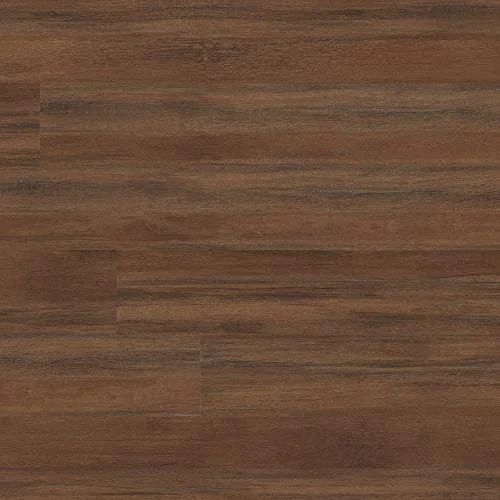 |
MSI Hampstead Lyndwood Brown Glue-Down LVT Plank – $58.80 A real example of what “MSI wood flooring” usually actually is: luxury vinyl plank with a wood-look print.
|
The product name and category listing tell you directly — “LVT,” “LVP,” or “vinyl plank” means printed vinyl with a wear layer, not real wood; “engineered hardwood” or “solid hardwood” means an actual wood veneer or solid wood product. Checking the specific collection name against MSI’s own site category (Vinyl vs. Hardwood) before buying avoids the surprise of expecting to sand and refinish a floor in ten years, only to find out it’s vinyl and can’t be refinished at all.
Why the Distinction Actually Matters
Wood-look LVT genuinely outperforms real hardwood in moisture resistance (suitable for a bathroom or basement where hardwood isn’t recommended) and costs less upfront, which is a legitimate reason to choose it over real wood, not just a fallback. What it can’t do is refinish — a scratched or worn hardwood floor gets sanded and refinished; a worn LVT wear layer just gets more worn, and the only fix is replacing the affected planks. For a high-moisture room, this tradeoff usually favors LVT anyway; for a formal living or dining room where a decades-long floor investment is the goal, real engineered or solid hardwood’s refinishing option is worth the higher cost and moisture sensitivity.
What’s Actually Inside a Wood-Look LVT Plank
A typical LVT plank is built in layers: a clear wear layer on top (measured in mils — thicker means more scratch/dent resistance and generally a longer warranty), a printed film beneath it carrying the wood-grain image, then a rigid or flexible core, and a backing layer. The core construction is where real performance differences show up: WPC (wood-plastic composite) and SPC (stone-plastic composite) cores are both rigid and waterproof, with SPC generally denser and more dent-resistant, while a flexible vinyl core (no rigid core at all) costs less but shows subfloor imperfections more readily underfoot. Checking wear layer thickness and core type in the spec sheet tells you more about how a specific product will hold up than the wood-look print pattern ever will.
Glue-Down vs. Click-Lock Installation
Glue-down LVT (like the Hampstead product above) bonds permanently to the subfloor with adhesive, giving a very solid, quiet underfoot feel but making individual plank replacement more labor-intensive later. Click-lock (floating) LVT planks snap together and float over the subfloor without adhesive, installing faster and allowing a damaged plank to be replaced individually, at the cost of a slightly less solid feel and more attention needed to expansion gaps around the room’s perimeter. Neither method is objectively better — glue-down suits a permanent installation in a high-traffic commercial-adjacent space, while click-lock suits a DIY homeowner install or a room where future plank swaps are a real possibility.
MSI Does Sell Real Hardwood Too
To be clear, MSI’s catalog does include genuine engineered hardwood lines alongside its much larger LVT/LVP wood-look selection — the point isn’t that MSI never sells real wood, it’s that a generic “MSI wood flooring” search returns mostly vinyl results, so a shopper specifically wanting solid or engineered hardwood needs to filter or search within MSI’s hardwood category specifically rather than trusting a general product name search to surface it. MSI’s hardwood collections are marketed under their own distinct product line names, separate from its LVT product families, so searching a specific collection name (found on MSI’s own site under its Hardwood category) is a more reliable path to genuine hardwood listings than the generic phrase “MSI wood flooring.”
Frequently Asked Questions
Is MSI wood flooring real wood?
Usually not. Most of MSI’s wood-look flooring is luxury vinyl plank (LVT/LVP) with a printed wood-grain pattern. MSI does sell genuine engineered hardwood too, but it’s a smaller part of the catalog.
Can wood-look vinyl flooring be refinished like real wood?
No. A worn or scratched vinyl wear layer can’t be sanded and refinished the way hardwood can. Damaged planks have to be replaced individually instead.
Is vinyl plank better than real wood for a bathroom?
Yes, generally. LVT/LVP has better moisture resistance than hardwood, which isn’t typically recommended for high-moisture rooms like bathrooms.
Conclusion
“MSI wood flooring” is worth a second look at the fine print — most of it is genuinely good wood-look vinyl, not real wood, and that’s a legitimate choice for moisture-prone rooms rather than a downgrade. Check the specific product category (Vinyl vs. Hardwood) before buying so the floor you get matches what you actually expected, especially if long-term refinishing is part of your plan.
Sponsored / affiliate links. As an Amazon Associate I earn from qualifying purchases. I may earn additional commission from eligible campaigns.