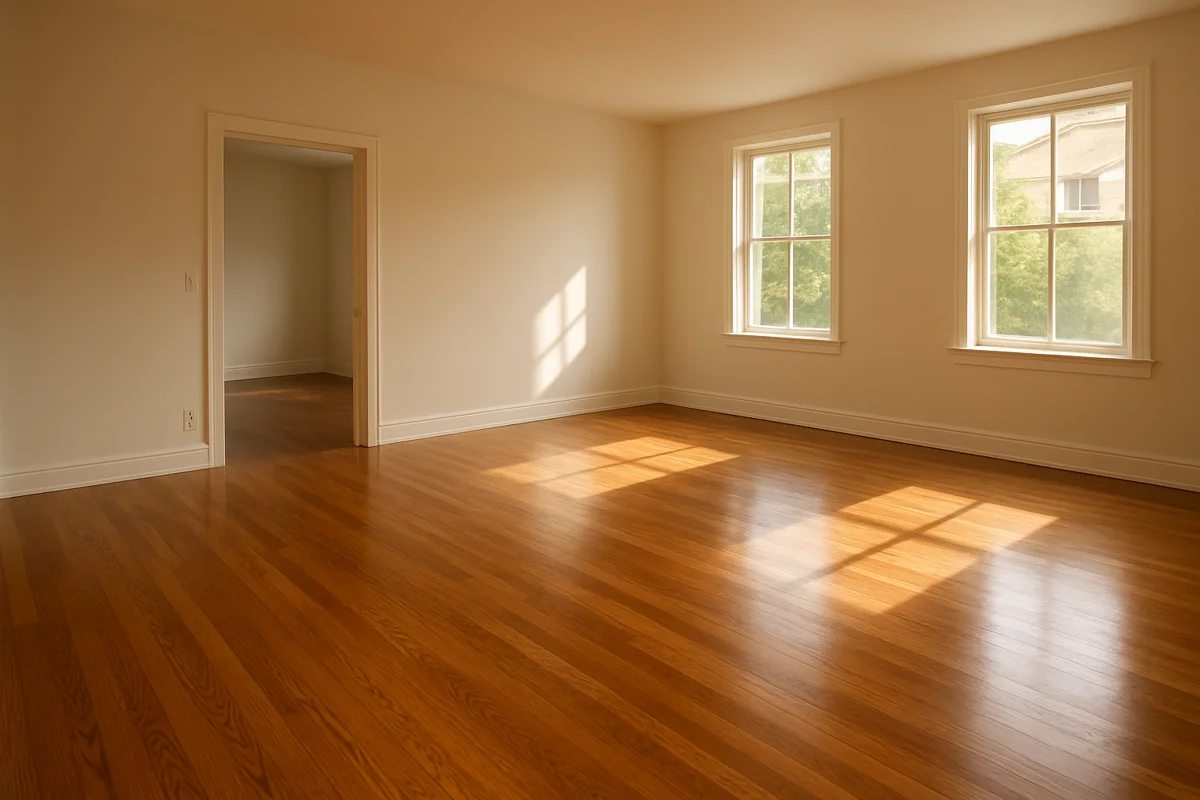
Wood Flooring Guide: Types Compared, Costs & Care (2026)
Wood flooring comes in three families: solid hardwood (real wood, sandable for decades), engineered wood (a real-wood veneer over plywood, more moisture-stable), and wood-look floors like laminate and luxury vinyl plank (LVP) that mimic wood for less — outdoors, the equivalent is decking. Installed cost runs roughly $4-25 per square foot depending on type, so the right pick balances budget, moisture exposure, and how long you want the floor to last. If solid hardwood is the front-runner, our hardwood floor installation cost breakdown covers labor and material pricing by species, or see our dedicated labor cost to install wood flooring breakdown for a closer look at what installers charge for labor alone. Replacing old carpet specifically? Our carpet-to-hardwood cost guide walks through removal, subfloor prep, and install costs together. Want every flooring type’s cost side by side instead of a single deep dive? Our wood floor installation cost guide compares material, labor, and subfloor-prep pricing across hardwood, engineered, and laminate in one place.
Quick Answer
The main wood flooring types are solid hardwood (most durable, refinishable), engineered wood (real wood, more moisture-stable), laminate (photo layer, budget), and luxury vinyl plank/LVP (waterproof, best for kitchens and basements). Decking is the outdoor equivalent.
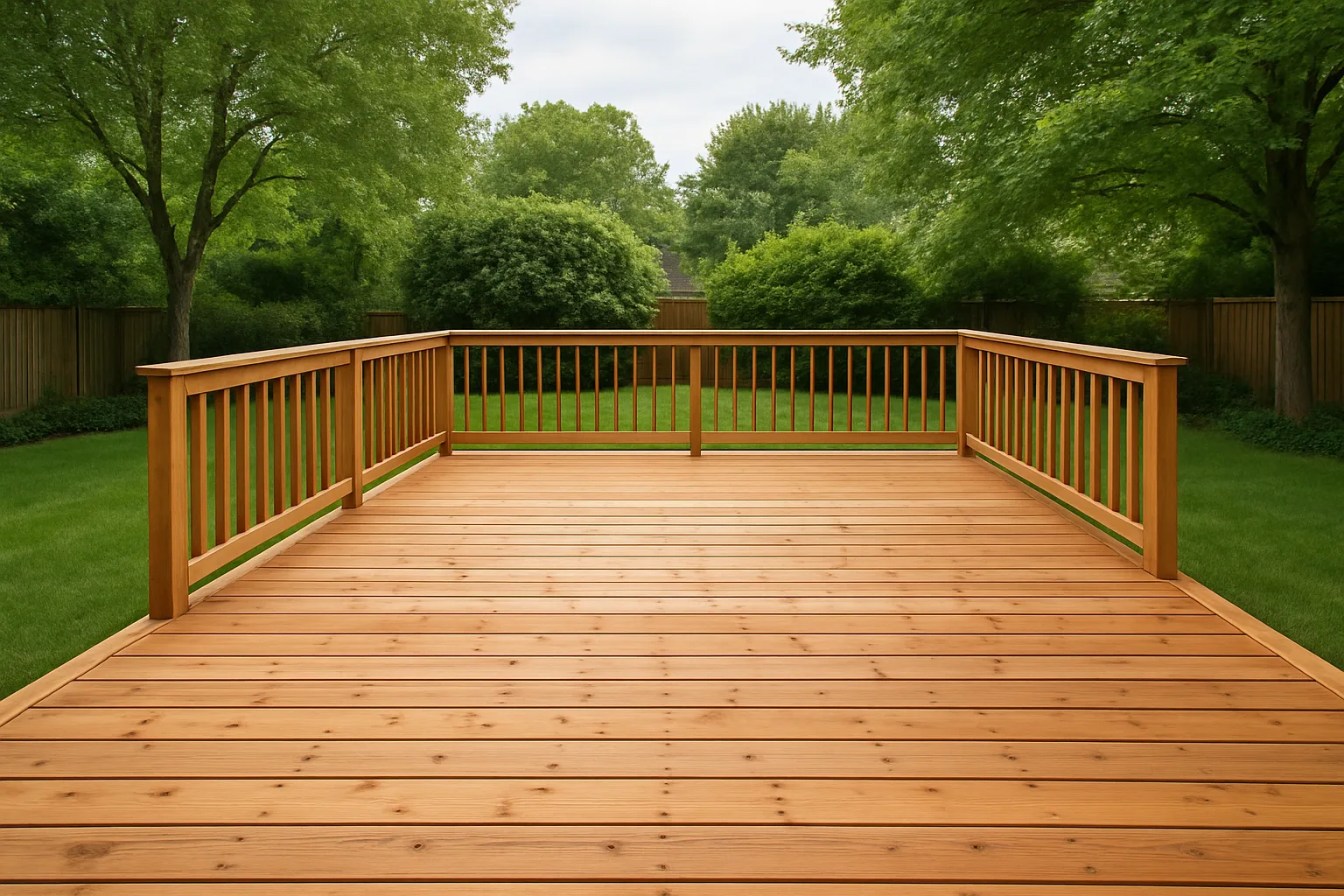
Types of wood flooring
Best Flooring Moisture Meter Pick
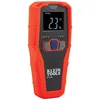
Klein Tools ET140 Pinless Moisture Meter
Reads moisture up to 3/4-inch deep without puncturing the subfloor you are about to cover.
- Best for: Checking subfloor moisture before installing hardwood or engineered flooring
- Why we picked it: Pinless sensing avoids putting holes in a subfloor you are about to cover
- Main drawback: Less precise on thick concrete slabs than a dedicated concrete RH probe
Compare more moisture meter options
 Option 1 General Tools MMD4E Moisture Meter
|
 Option 2 TopTes TS-630 Digital Moisture Meter
|
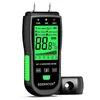 Option 3 RDINSCOS Wood Moisture Meter
|
As an Amazon Associate we earn from qualifying purchases.
Each flooring type trades off cost, durability, and moisture resistance:
- Solid hardwood — real wood through and through; can be sanded, or chemically stripped, and refinished many times, lasting decades. Best for living areas; avoid damp rooms.
- Engineered wood — a real hardwood veneer over a plywood core; more stable against humidity than solid. See what engineered wood is.
- Laminate — a printed wood image under a tough wear layer; affordable and scratch-resistant but not real wood. Compare laminate vs LVP, or see laminate vs hardwood flooring compared.
- Luxury vinyl plank (LVP) — waterproof and durable, ideal for kitchens, baths, and basements. See LifeProof vinyl options.
- Bamboo — a fast-growing, eco-friendly wood-like option. See is bamboo a type of wood?.
Wood decking (outdoor flooring)
Outdoors, decking is your wood floor. Choose rot-resistant wood or composite, fasten it correctly, and seal it. See whether to use screws or nails for deck framing, the best deck stains, and the best way to clean a wood deck. For railings, see deck railing systems.
How do you choose the right flooring?
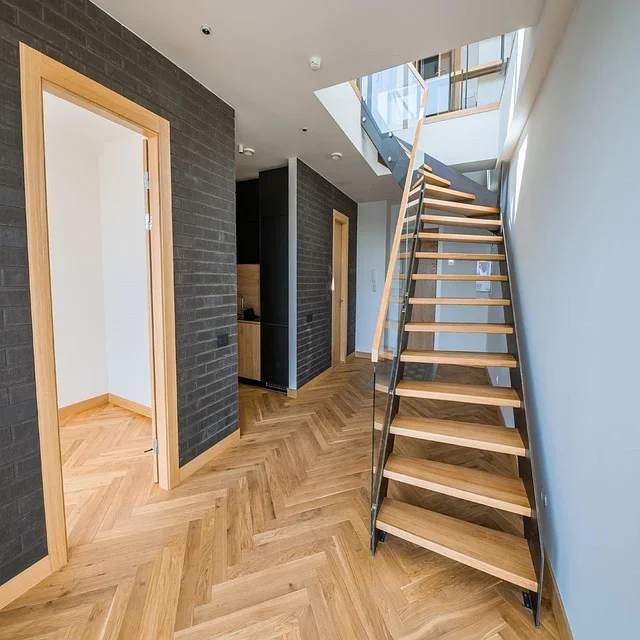
Match the floor to the room and budget: For style and finish inspiration once you know your room fits, see our wood flooring design ideas guide for herringbone, wide-plank, and stain-tone examples by room. If you’ve settled on hardwood for the bedroom specifically, our bedroom hardwood floor design guide covers wood tone, color pairing, and layout choices in more depth.
| Room / use | Best flooring | Why |
|---|---|---|
| Living/dining/bedrooms | Solid or engineered hardwood | Warmth, longevity, resale value |
| Kitchens, baths, basements | Luxury vinyl plank (LVP) | Waterproof, handles moisture |
| Tight budget | Laminate | Wood look at lowest cost |
| Humid climates | Engineered wood | More stable than solid |
| Outdoors | Decking (cedar, composite, treated) | Rot & weather resistance |
Cleaning & caring for wood floors
Good care keeps wood floors looking new for years. Learn what to put on hardwood floors to make them shine, how to fix scratches, remove water stains, and deal with pet stains. Squeaks? See how to fix squeaky hardwood floors. Still deciding on a stain color? See whether dark wood floors are out of style before you commit to a finish, or see our guide to beige wood flooring if you want to go lighter instead.
Flooring types compared
| Type | Water resistance | Refinish? | Cost /sq ft* | Lifespan |
|---|---|---|---|---|
| Solid hardwood | Poor | Yes, many times | $8-25 | 30-100 yrs |
| Engineered wood | Fair | Sometimes (thick veneer) | $7-20 | 20-40 yrs |
| Luxury vinyl plank | Waterproof | No | $4-16 | 15-25 yrs |
| Laminate | Fair-Good | No | $4-14 | 10-25 yrs |
| Bamboo | Fair | Sometimes | $5-15 | 20-25 yrs |
*Installed cost ranges (materials + labor), 2026 US estimates.
For a closer breakdown of what drives solid hardwood installation cost specifically, see our guide to hardwood flooring installation pricing.
If solid hardwood and laminate are your two finalists, our hardwood vs. laminate flooring comparison goes deeper on refinishing limits, AC wear ratings, and real installed cost per square foot for each.
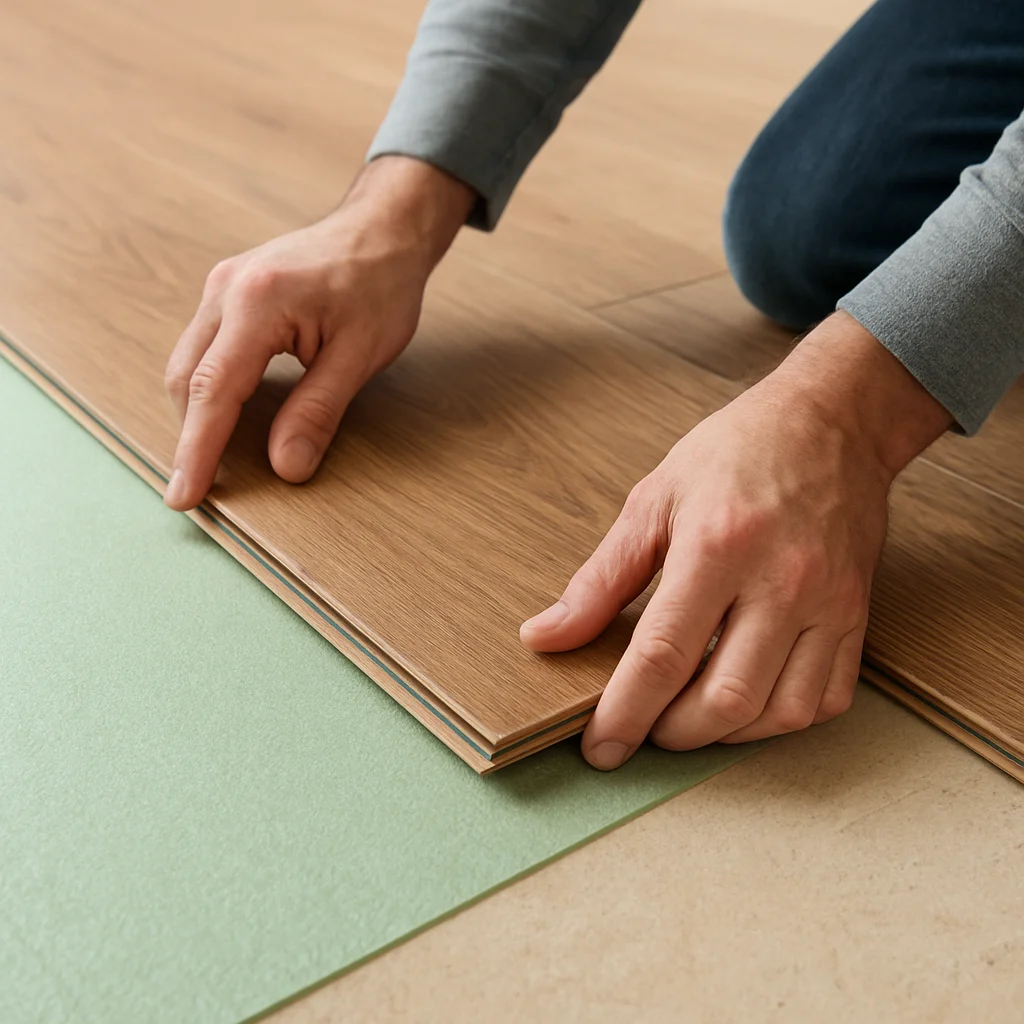
How is wood flooring installed?
Installation method affects both cost and difficulty:
- Nail/staple down — the traditional method for installing solid hardwood over a plywood subfloor (or finish the plywood itself as the visible floor – see our plywood flooring ideas guide). Solid hardwood installed this way is sold either prefinished from the factory or unfinished for on-site sanding and coating, which changes both your install timeline and your total cost.
- Glue down — engineered wood and LVP bonded directly to the subfloor using a hardwood flooring glue matched to the subfloor type; stable but permanent (see our guide on how to repair a glued hardwood floor if a board ever comes loose).
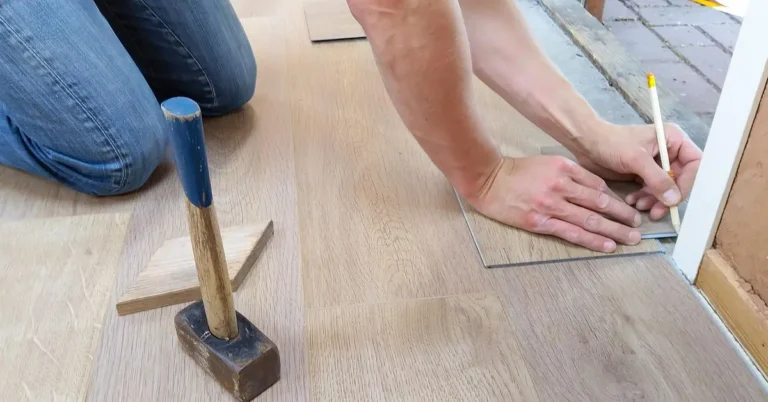
- Floating / click-lock — planks snap together over an underlayment without fasteners; the easiest DIY method, used for laminate, LVP, and most engineered wood.
Whichever method you choose, the subfloor needs to be flat first — see our guide to leveling a subfloor for wood flooring before you start.
Installing floating click-lock planks directly over existing hardwood, rather than a bare subfloor, is common with LVP. See our guide on whether you should remove old hardwood before installing vinyl plank to check if your existing floor qualifies.
Nail-down solid strip flooring is the hardest of the three to DIY — see our full breakdown of how hard it is to lay hardwood floors for realistic install time and cost by installation type. For the exact nail-down steps — acclimating the wood, prepping the subfloor, and laying the first row — see our step-by-step hardwood flooring installation guide.
How much does wood flooring cost?
Installed cost (materials plus labor) varies by type: solid hardwood $8-25/sq ft, engineered wood $7-20, luxury vinyl plank $4-16, and laminate $4-14. Click-float installation is cheapest to fit (about $1-3/sq ft labor); glue-down costs more. Prices are 2026 US estimates and vary by product grade and region. At the high, made-to-order end of that solid-hardwood range, a manufacturer like Carlisle Wide Plank Floors shows what a fully custom wide plank floor (species, grade, width, and finish chosen per order) actually costs. Wide-plank (5-7 inch) boards and matte finishes are the dominant look for 2026, though standard 2 1/4 inch strip flooring stays the most affordable way to buy solid hardwood. Use our wood flooring calculator to turn your room’s square footage into a materials budget. For a driver-by-driver breakdown of what pushes hardwood installation cost up or down (species, subfloor prep, labor market), see our hardwood flooring installation cost guide. For a full price breakdown by flooring type and where to find deals, see our wood floors prices guide. Buying through a regional distributor rather than a big-box store can also affect price and selection – see our look at Wood Plus Hardwood Flooring for what a multi-brand regional supplier actually offers.
📊 Refinishing existing hardwood returns about 147% of its cost at resale — the highest ROI of any interior remodel — while new hardwood installation returns roughly 118%. Source: NAR 2025 Remodeling Impact Report.
Key flooring terms
Wear layer is the clear top layer on laminate and LVP that resists scratches and wear — thicker (measured in mils) means more durable.
Veneer is the thin layer of real hardwood on top of engineered wood; a thicker veneer can be refinished.
HDF core is the high-density fiberboard center of laminate that gives it rigidity.
Floating floor is a floor that clicks together and rests over an underlayment without being nailed or glued down.
Underlayment is a thin cushioning layer under floating floors that adds comfort, sound damping, and a moisture barrier — see our flooring underlayment guide for which thickness and material to use.
AC rating is the abrasion-class rating (AC1-AC5) that shows how much traffic a laminate floor can handle.
Solid vs engineered hardwood: which to choose
Both are real wood, but they are built differently. Solid hardwood is a single 3/4-inch plank of one species; it can be sanded and refinished many times, lasting generations, but it expands and contracts with humidity and should not go below grade (basements) or over concrete. Engineered hardwood has a real hardwood veneer (0.6-6mm) bonded over a plywood or HDF core; the cross-layered core resists humidity movement, so it can be installed almost anywhere — including basements and over concrete (see our guide to hardwood floors on concrete) — and floated, glued, or nailed — see our step-by-step guide to installing engineered hardwood click flooring for the full process. When that time comes, choosing between renting a floor machine and buying a handheld is the first decision — our belt sander for floors comparison prices both routes.
Choose solid if you want maximum lifespan and plan to refinish over decades in a stable, above-grade room. Choose engineered for humidity-prone areas, concrete subfloors, radiant heat, or easier DIY installation. A thick-veneer (3mm+) engineered floor can still be refinished once or twice. For the bigger market picture on why engineered construction has grown so fast, see our hardwood flooring industry trends breakdown. The classic width for solid strip flooring is 2 1/4 inches — see our 2 1/4 inch oak hardwood flooring guide for costs and which rooms it suits best. If you’re specifically comparing red oak prices at a big-box store, see our red oak flooring at Home Depot price breakdown.
How to prepare a subfloor for wood flooring
A floor is only as flat and stable as what is under it. Prep the subfloor before any planks go down:
- Clean and level: remove old flooring, sweep, and check for high/low spots — the subfloor should be flat within about 3/16 inch over 10 feet. Sand down humps and fill dips with leveling compound.
- Dry it out: the subfloor must be dry. On concrete, run a moisture test (calcium chloride or a moisture meter) — excess moisture is the #1 cause of failed wood floors.
- Add underlayment: lay the correct underlayment — a moisture barrier over concrete, and a foam or cork pad under floating floors for cushioning and sound.
- Fasten loose boards: screw down any squeaky or loose subfloor panels before covering them.
- Installing over existing tile? Floating engineered wood works over sound, flat tile, but nail-down solid hardwood generally does not – see laying wood flooring over tile safely for the flatness and height issues to check first.
Acclimating wood flooring before you install
Wood flooring must adjust to your home’s humidity before installation or it will gap and cup afterward. Bring the boxes into the room where they will be installed, open or loosely stack them, and let them acclimate for at least 48-72 hours (longer for solid wood in extreme climates). The goal is for the flooring’s moisture content to come within 2-4% of the subfloor’s. Skipping acclimation is a leading cause of gaps, buckling, and warranty rejections. If gaps do show up later, most are fixable yourself — see our guide on how to seal gaps in wood floors. In climates with big seasonal humidity swings — see our breakdown of wood flooring in cold, dry-winter climates like Minneapolis — acclimation and ongoing indoor humidity control matter even more than the species you pick. If you are working specifically with engineered planks, see our full breakdown of how long engineered hardwood should acclimate, including the exact NWFA moisture-matching rule.
How to refinish hardwood floors
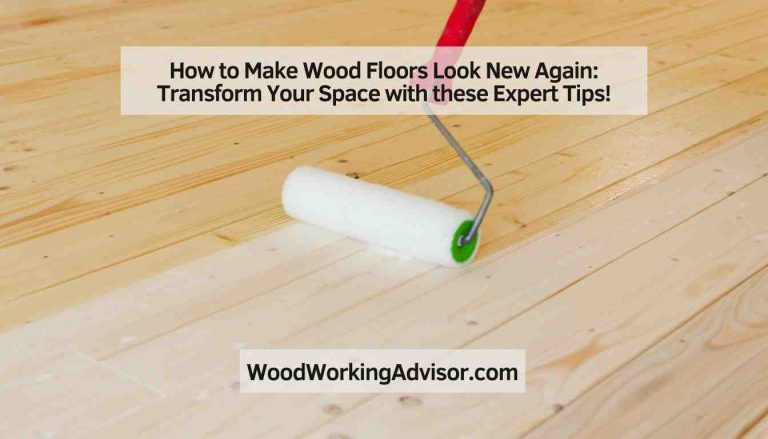
Solid and thick-veneer engineered floors can be brought back to new with a refinish:
- Clear and clean: empty the room and vacuum thoroughly.
- Sand: use a drum or orbital sander, starting coarse (36-40 grit) to remove the old finish, then step up to 80 and 100+ grit.
- Edge and vacuum: sand the edges with an edger, then vacuum and tack-cloth all dust.
- Stain (optional): apply stain evenly and let it dry fully.
- Seal: apply 2-3 coats of polyurethane, sanding lightly between coats.
- Cure: wait before replacing furniture — up to a few weeks for a full cure.
Which direction should wood flooring run?
As a rule, run planks parallel to the longest wall or toward the main light source — it makes the room look larger and more natural. Structurally, over a wood subfloor, planks should run perpendicular to the floor joists for the most stable, squeak-free result. In narrow spaces like hallways, run boards lengthwise down the run.
Frequently asked questions
What is the most durable wood flooring?
Solid hardwood lasts longest because it can be sanded and refinished many times over decades. For moisture-prone rooms, luxury vinyl plank is the most durable and is fully waterproof.
What’s the difference between laminate and LVP?
Laminate has a printed wood image over a fiberboard core and resists scratches well but can swell if soaked. LVP (luxury vinyl plank) is fully waterproof, making it better for kitchens, baths, and basements.
Is engineered wood real wood?
Yes. Engineered wood has a real hardwood veneer on top of a plywood core, so it looks like solid wood but resists humidity and moisture movement better.
Can you refinish engineered wood floors?
Sometimes. Engineered floors with a thick (3mm+) veneer can be sanded and refinished once or twice; thin-veneer versions cannot, so check the wear layer before buying.
What flooring is best for a kitchen?
Luxury vinyl plank (LVP) or tile is best for kitchens because both are waterproof. If you want real wood, hardwood floors in a kitchen can work too, and engineered options handle humidity better than solid.
Can you refinish laminate or LVP flooring?
No. Laminate and luxury vinyl plank have a printed image under a wear layer, so they cannot be sanded and refinished — when worn, they are replaced. Only solid hardwood (and thick-veneer engineered wood) can be refinished.
Which wood flooring is most waterproof?
Luxury vinyl plank (LVP) is the most water-resistant — it is 100% waterproof thanks to its synthetic core, making it the best choice for kitchens, bathrooms, and basements.
How long should wood flooring acclimate before installation?
At least 48-72 hours in the room where it will be installed, longer for solid wood in humid or dry climates. The flooring’s moisture content should come within 2-4% of the subfloor before you install.
Do you need underlayment under wood flooring?
Usually yes. Floating floors need a foam or cork underlayment for cushioning and sound; installations over concrete need a moisture barrier. Nail-down solid hardwood typically uses rosin paper or felt.
Can you install wood flooring over concrete?
Solid hardwood should not be installed directly over concrete. Engineered wood, laminate, and LVP can be — over a moisture barrier — because their cores handle humidity better.
Does hardwood flooring increase home value?
Yes. The National Wood Flooring Association pegs a hardwood premium of $2,080-$6,500 versus homes without it, and refinishing existing hardwood returns about 147% of its cost at resale — the highest ROI of any interior remodel, per the NAR 2025 Remodeling Impact Report. Actual returns vary by local market and price tier.
Once you have picked a flooring type, browse the full wood flooring library for installation walkthroughs, stain and cleaning guides, and squeak or water-damage repairs for every room in the house, including how to match new hardwood to your existing floor when repairing a section or extending into a new room. Once it’s installed, see how to match your wall color with your new wood floor. Before installation day, confirm you have the right underlayment for your specific installation method.
Sponsored / affiliate links. As an Amazon Associate I earn from qualifying purchases. I may earn additional commission from eligible campaigns.