Nato Wood Vs Mahogany: Ultimate Guide to Choosing the Best Wood
When it comes to choosing the right wood for your next project, you might find yourself stuck between Nato wood and Mahogany. Both have unique qualities that can affect the look, feel, and durability of your work.
But which one truly fits your needs? You’ll discover the key differences, benefits, and drawbacks of Nato wood and Mahogany. By the end, you’ll feel confident making the best choice for your furniture, instruments, or crafts. Keep reading to find out which wood deserves a spot in your hands.
Nato Wood Characteristics
Nato wood is a popular choice in woodworking and guitar making. Its unique traits make it stand out. Understanding its characteristics helps in choosing the right wood for projects.
This section explores Nato wood’s look, feel, and strength. It gives clear details on what to expect from this wood type.
Appearance And Color
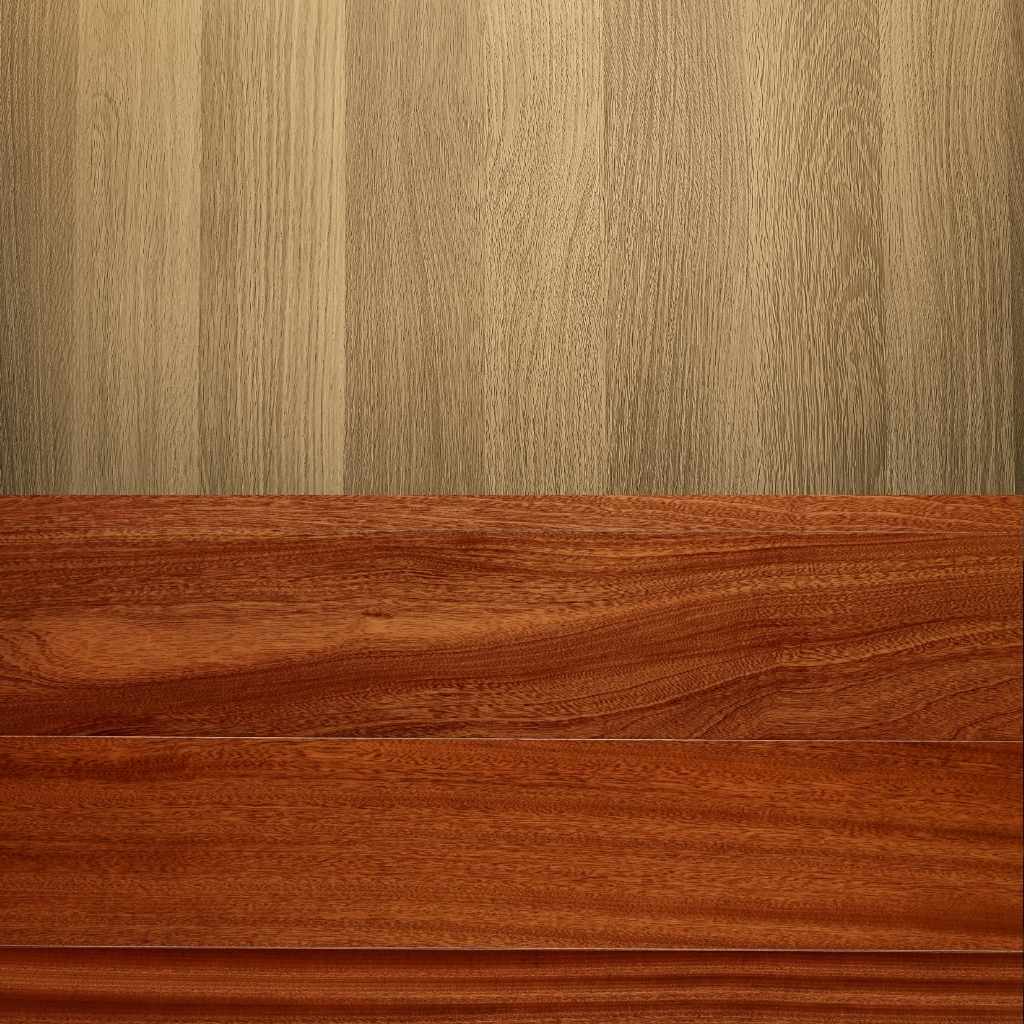
Nato wood has a light to medium brown color. Sometimes, it shows a hint of reddish tone. The color can darken with age and exposure. It looks warm and natural, fitting many styles.
Grain And Texture
The grain of Nato wood is straight or slightly wavy. It has a medium texture that feels smooth to the touch. The wood has a fine, even pattern without large pores. This makes it easy to work with and finish.
Durability And Strength
Nato wood is strong and quite durable. It resists dents and scratches well. This wood is dense, giving good support in structures. It holds screws and nails firmly. Nato wood lasts long, even under regular use.
Mahogany Features
Mahogany is a popular wood choice for furniture and musical instruments. It offers a mix of beauty and strength. Its features make it stand out in many projects. Below, we explore what makes mahogany special.
Visual Appeal
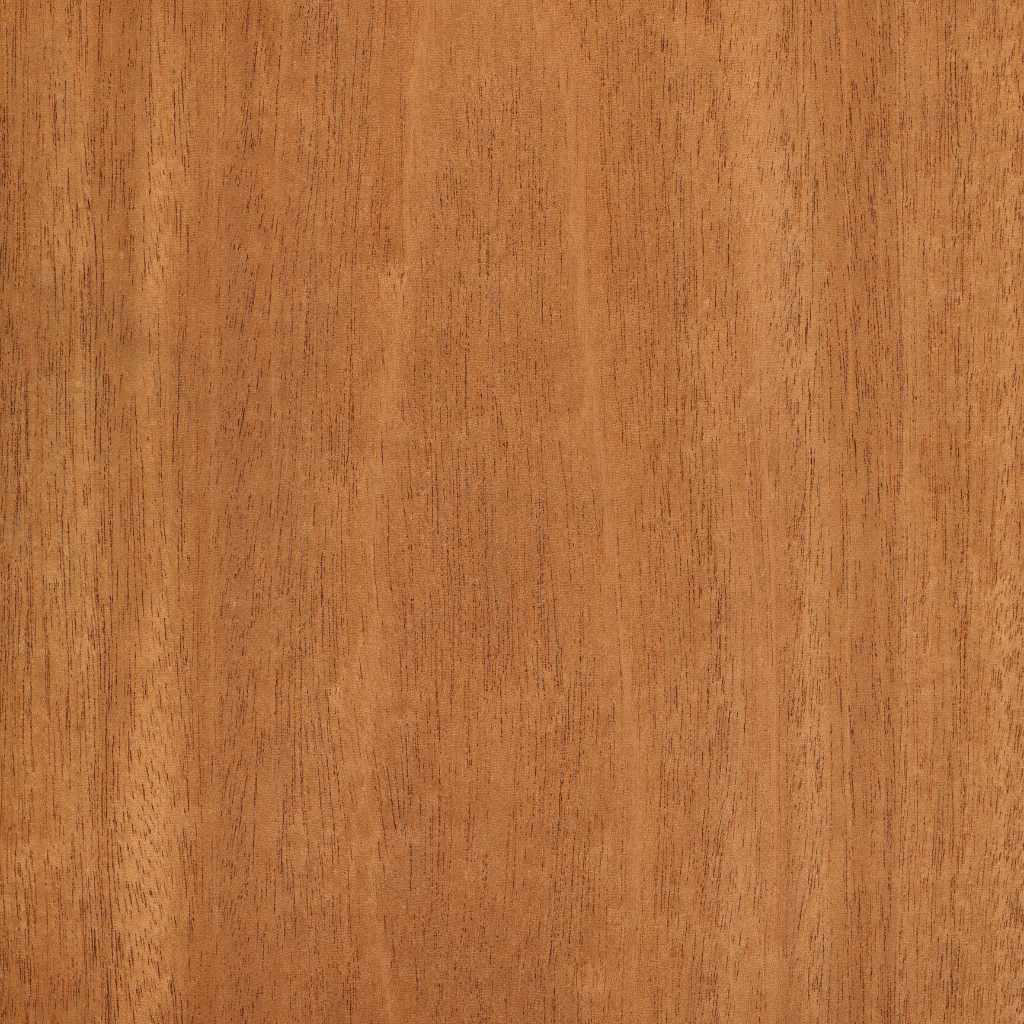
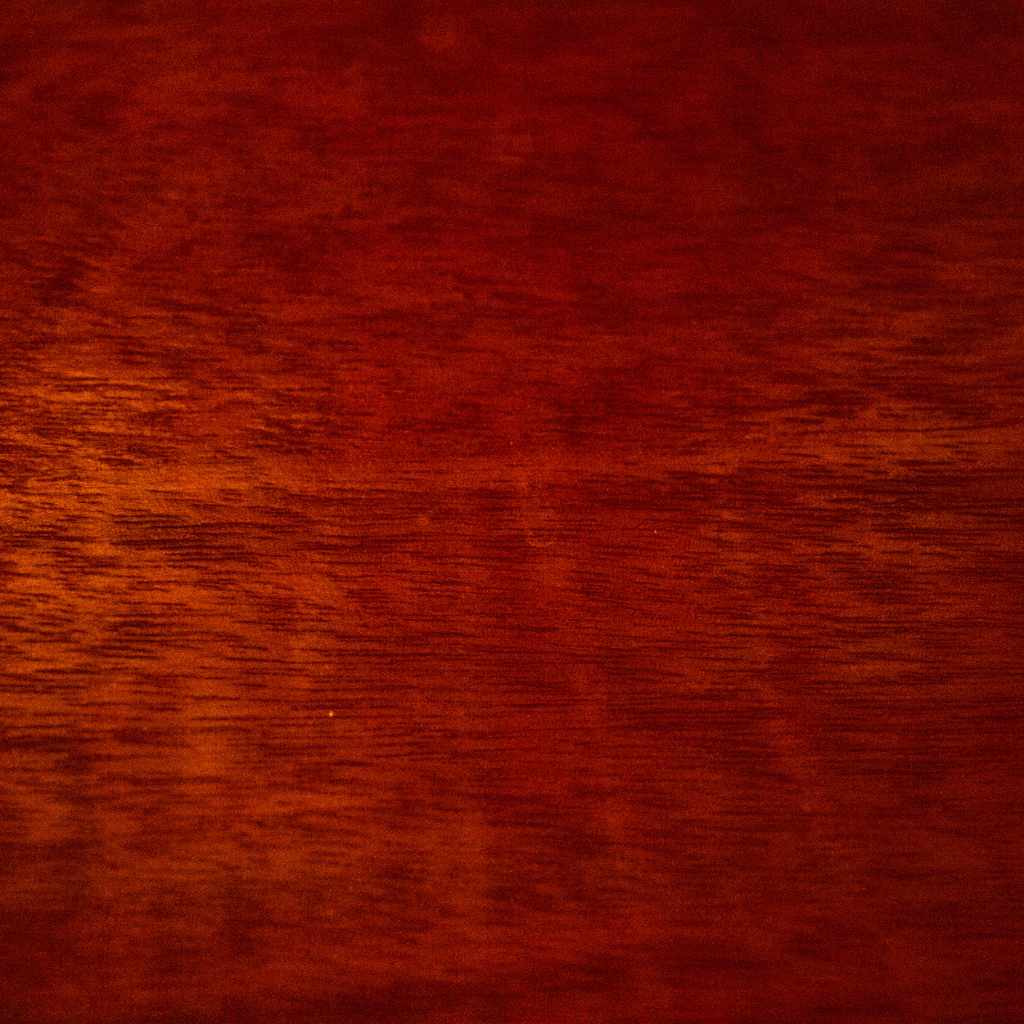
Mahogany has a warm reddish-brown color that deepens over time. This rich tone adds elegance to any piece. The wood often has a natural shine without extra finishing. It fits well in both classic and modern designs.
Grain Patterns
The grain of mahogany is usually straight and even. Sometimes, it shows waves or curls that add character. These patterns create a smooth, uniform look. They make the wood easy to work with and finish nicely.
Hardness And Longevity
Mahogany is moderately hard but very durable. It resists warping and shrinking better than many woods. This strength helps furniture last for decades. It also handles everyday wear without losing its charm.
Comparing Cost And Availability
Cost and availability are key factors when choosing between Nato wood and mahogany. Both woods offer unique benefits, but their price and how easy they are to find can differ greatly. Understanding these aspects helps you make the best choice for your project or budget.
Price Differences
Nato wood is generally less expensive than mahogany. This makes it a good option for budget-friendly projects. Mahogany, known for its rich color and durability, tends to cost more. The price gap is due to mahogany’s popularity and longer growth time. Choosing nato wood can save money without sacrificing too much quality.
Sourcing And Sustainability
Nato wood is more widely available and easier to source. It grows faster and is often harvested from managed forests. Mahogany is harder to find because it grows slower and is sometimes overharvested. Sustainable sourcing is important to protect forests. Nato wood usually has better sustainability certifications than mahogany.
Workability And Finishing
Workability and finishing are key factors for wood choice in any project. Both Nato wood and Mahogany offer different experiences during cutting, shaping, and finishing. Understanding these differences helps pick the right wood for your needs. This section covers how each wood handles workability and the results after staining and polishing.
Ease Of Cutting And Shaping
Nato wood is relatively soft and easy to cut. It allows smooth shaping with hand tools and machines. Beginners find Nato wood easier to handle. It also produces less wear on blades.
Mahogany is harder and denser. It requires sharper tools and more effort to cut. Shaping mahogany demands patience but yields clean edges. It resists dents and scratches better during work.
Staining And Polishing Results
Nato wood absorbs stain unevenly due to its grain. Extra sanding helps achieve a smoother finish. The final look is warm but less rich than mahogany.
Mahogany takes stain beautifully, enhancing its deep red-brown color. Polishing mahogany creates a smooth, glossy surface. This wood often shows a luxurious, high-end finish.
Common Uses In Furniture And Instruments
Both Nato wood and mahogany are popular choices for furniture and musical instruments. Each wood has unique qualities that suit different needs. Understanding their common uses helps choose the right material for projects.
Nato Wood Applications
Nato wood is strong and affordable. It is often used in making guitar bodies and necks. The wood provides a warm sound and good durability for instruments.
In furniture, nato wood is common for chairs, tables, and cabinets. Its sturdy nature supports heavy use. Nato wood can be stained to resemble more expensive woods.
Mahogany Applications
Mahogany is prized for its rich color and fine grain. It is a top choice for high-end guitars and other string instruments. The wood offers excellent resonance and a smooth finish.
In furniture, mahogany is used for classic designs like dressers, desks, and dining sets. Its beauty and strength make it ideal for heirloom pieces. Mahogany ages well, gaining character over time.
Environmental Impact
Choosing between Nato wood and mahogany involves understanding their environmental impact. Wood sourcing affects forests and wildlife. The way these woods are grown and harvested changes their effect on nature. This section explains the key points about their environmental footprint.
Sustainability Concerns
Nato wood comes from fast-growing trees mainly in Asia. These trees often come from managed forests. This means they can be replanted and grown again quickly. Mahogany grows slower and often in tropical rainforests. Many mahogany species face threats due to overharvesting. Cutting too much mahogany harms forest ecosystems and wildlife habitats.
Certifications And Eco-friendliness
Look for wood with official certifications. These show the wood was harvested responsibly. Nato wood is often available with certifications like FSC (Forest Stewardship Council). Certified Nato wood supports forest health and replanting efforts. Mahogany also has certified options, but less often. Buying certified wood helps reduce illegal logging and protects forests. Eco-friendly wood choices help keep forests safe for future generations.
Choosing Based On Project Needs
Choosing between Nato wood and Mahogany depends on your project needs. Each wood type offers unique benefits. Knowing these helps you pick the right wood for your work. Consider the budget, look, and how long the wood lasts.
Budget Considerations
Nato wood is usually cheaper than Mahogany. It suits projects with tight budgets. Mahogany costs more but offers a rich look. Think about how much you want to spend. Choose wood that fits your budget without cutting quality.
Aesthetic Preferences
Mahogany has a deep, reddish-brown color and smooth grain. It looks elegant and classic in furniture. Nato wood has a lighter, yellow-brown tone. It fits well with casual or modern styles. Pick the wood that matches your design vision.
Durability Requirements
Mahogany is strong and resists wear and tear well. It works great for long-lasting furniture and heavy use. Nato wood is also durable but less resistant to moisture. Use Nato for indoor pieces or light use. Choose based on how tough your project needs to be.
Frequently Asked Questions
What Are The Main Differences Between Nato Wood And Mahogany?
Nato wood is a dense, affordable hardwood often used as a Mahogany substitute. Mahogany is prized for its rich color and fine grain. Nato is slightly less durable but more budget-friendly. Both woods offer good tonal quality for furniture and instruments.
Is Nato Wood A Good Alternative To Mahogany?
Yes, Nato wood is a popular, cost-effective alternative to Mahogany. It has similar density and workability. However, Mahogany has a more consistent grain and deeper color, making it preferred for high-end projects. Nato suits budget-conscious buyers needing durability and aesthetic appeal.
Which Wood Is Better For Guitar Making: Nato Or Mahogany?
Mahogany is traditionally favored for guitars due to its tonal warmth and resonance. Nato wood offers a similar sound but at a lower price. Both woods provide solid stability and strength, but Mahogany delivers a richer, more balanced tone for professional instruments.
How Does The Durability Of Nato Wood Compare To Mahogany?
Mahogany is generally more durable and resistant to decay than Nato wood. Nato is still strong and dense but may wear faster over time. Both woods handle moisture and temperature changes well, making them suitable for furniture and musical instruments.
Conclusion
Nato wood and mahogany both offer strong, beautiful options. Nato is affordable and holds up well in tough use. Mahogany shines with rich color and smooth finish. Choose based on your project’s look and budget. Both woods bring unique charm to furniture or instruments.
Think about how each wood fits your needs. Either way, your creation will have lasting appeal. Simple choices, great results.