Mahogany Wood Wand: How to Turn Your Own (Lathe Guide)
A mahogany wood wand is a turned or carved rod, usually 10–15 inches long, prized for its reddish grain and light weight — not an enchanted object, whatever cosplay lore claims. Skipping a roughing pass or turning green (unseasoned) wood is the most common reason a wand snaps on the lathe. This guide covers picking a mahogany turning blank, the actual lathe steps, and a finish that survives handling.
Insert your Affiliate Disclosure reusable block here.
Does the Wood a Wand Is Made From Actually Matter?
Best Mahogany Turning Blank Pick
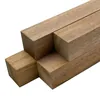
Barrington Hardwoods Mahogany Turning Blanks, 1.5″x1.5″x8″ (4-Pack) – $18.09
Kiln-dried, surfaced mahogany squares sized for spindle turning — exactly the stock this guide’s lathe steps assume. For a full 12–15″ wand in one piece, size up to Barrington’s 2″x2″x30″ mahogany stock and cut it to length.
- Best for: spindle-turning wands, handles, and small project pieces
- Why we picked it: pre-surfaced and kiln-dried, so it mounts and turns true without extra milling
- Main drawback: 8″ length is short for a single 12″+ wand — size up for longer pieces
As an Amazon Associate we earn from qualifying purchases.
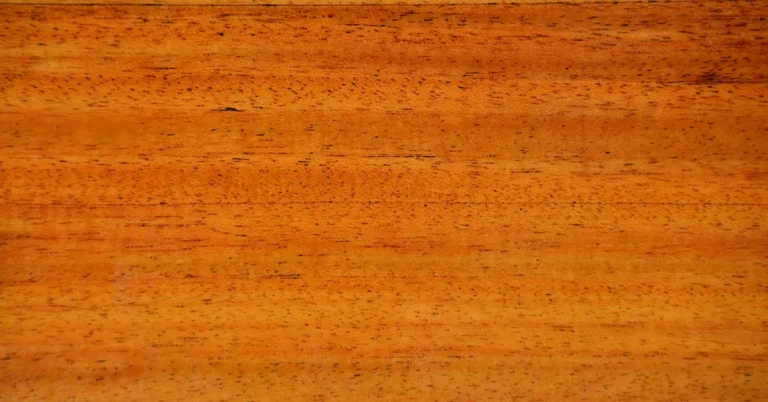
For durability and looks, yes. For anything mystical, no — there’s no measurable property that makes one wood “more magical” than another; that’s folklore borrowed from fantasy fiction, not wood science. What mahogany genuinely offers a wand-maker is real: a fine, straight grain that turns cleanly on a lathe, moderate density that keeps the finished piece light in the hand, and a warm reddish-brown color that darkens further with an oil finish.
If you’re set on the fantasy angle for a costume or gift, mahogany is still a solid pick — it’s simply a good choice because it’s easy to work and looks the part, not because of any property beyond that.
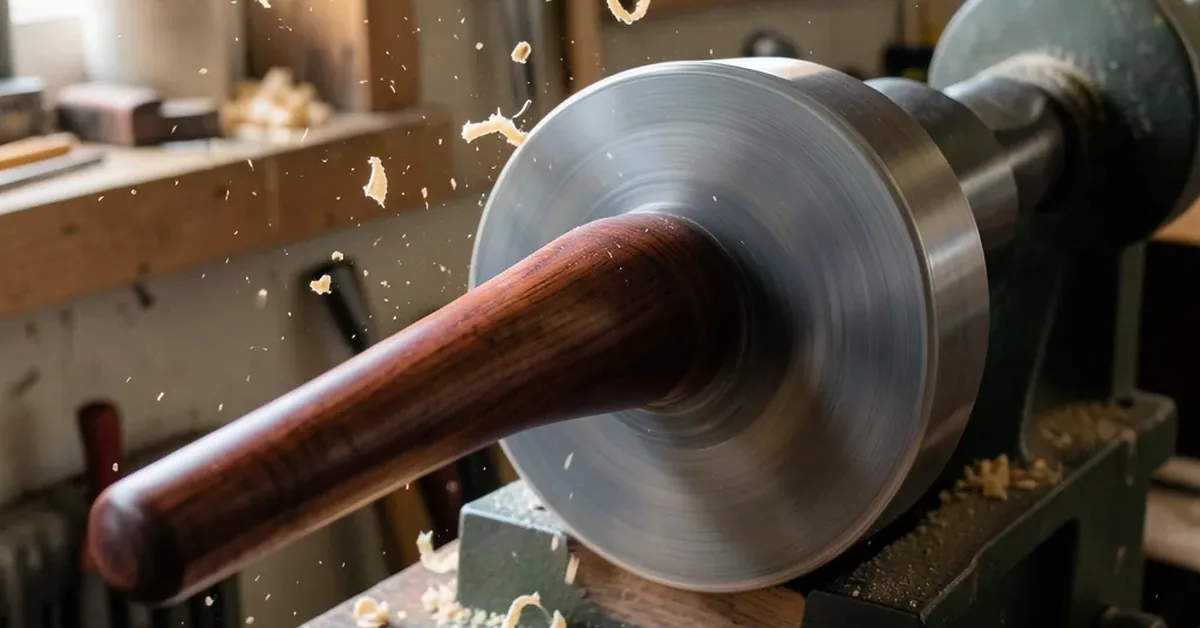
How to Turn a Mahogany Wand on a Lathe
This assumes a spindle lathe, a roughing gouge, a spindle (detail) gouge, and a parting tool. No lathe? See the carving alternative below.
- Mount the blank: center the square blank between the drive spur and live center; tighten the tailstock snugly.
- Rough to round: run the lathe at a low speed (around 800–1000 RPM for a blank this size) and use the roughing gouge to turn the square stock into a cylinder.
- Rough-taper the length: mark the handle end and tip end, then cut a gradual taper with the spindle gouge — thicker at the handle, narrowing toward the tip.
- Refine details: add any beads, coves, or a distinct handle grip with the detail gouge and skew chisel.
- Sand progressively: work through 120, 220, and 400 grit with the lathe running, then a final hand-sand with the grain at 600 grit.
- Part off: use the parting tool to separate the finished wand from the waste stock at each end, then hand-sand the two cut ends smooth.
No Lathe? Carve One Instead
A straight-grained mahogany dowel or a squared blank can be shaped by hand with a drawknife or carving knife, then refined with a spokeshave and sandpaper. It takes longer and the taper will be less perfectly even than a turned piece, but it’s a realistic option if you don’t have lathe access.
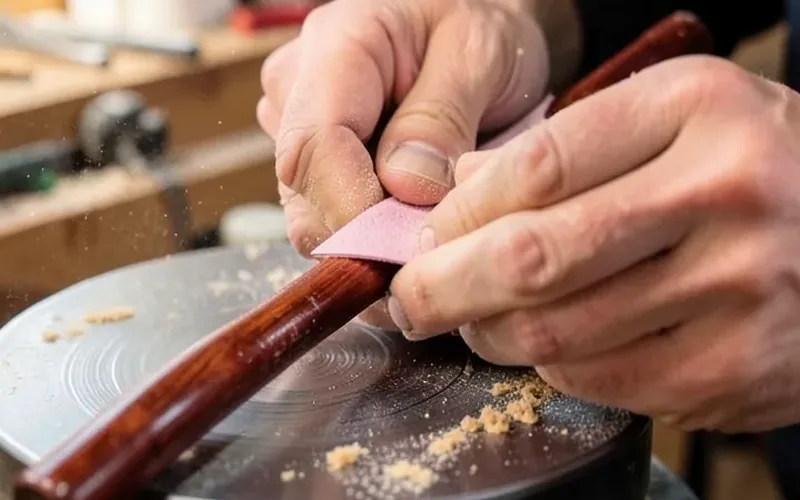
Finishing a Mahogany Wand
- Apply a penetrating oil (tung oil or a Danish oil) while the piece is still turning slowly on the lathe, then buff with a cloth held against the spinning wood — this is the fastest way to get an even coat on a round piece.
- Let it cure for the time listed on the can before handling roughly; most oil finishes need 24–72 hours between coats.
- Add 2–3 coats for a wand that will see regular handling, sanding lightly with 600 grit between coats.
📊 Mahogany has a Janka hardness of roughly 800–900 lbf, softer than oak (~1,290 lbf) but tough enough for a handled item that isn’t a structural or high-wear part — Source: The Wood Database
Buying a Handmade Mahogany Wand Instead
If turning your own isn’t practical, handmade mahogany wands are sold by independent woodturners on Etsy and eBay, typically $15–$60 depending on detail and hardware (crystal tips, wire wrap, engraving). Ask the seller directly whether the wood is genuine mahogany or a mahogany-look substitute like Philippine mahogany (Shorea) — sellers don’t always specify. For more on how mahogany compares to other turning woods by hardness and price, see our full wand-wood comparison.
Frequently Asked Questions
Does the type of wood affect a wand’s “power”?
No — that’s a fantasy-fiction convention, not a real property of wood. Wood choice affects a wand’s weight, grain appearance, durability, and how it feels in the hand, not any functional “power.”
How long should a mahogany wand be?
Most turned or carved wands run 10 to 15 inches, matching the length popularized by fantasy franchises and typical of handmade pieces sold online. There’s no functional requirement — size it to fit the hand it’s for.
Is mahogany a good wood for a beginner to turn?
Yes. Mahogany’s moderate density and straight grain make it more forgiving on a lathe than harder woods like oak or maple, which is why it’s a common recommendation for a first spindle-turning project.
Can you carve a wand instead of turning one?
Yes. A drawknife, carving knife, and spokeshave can shape a straight-grained mahogany blank or dowel into a tapered wand without a lathe, though the result will show more hand-shaping than a machine-turned piece.
Conclusion
A mahogany wand is a genuinely approachable turning project — the wood’s straight grain and moderate density make it forgiving on the lathe, and a simple oil finish brings out its color. Whether you’re making one for a costume, a gift, or just to practice spindle turning, the process is the same real woodworking skill either way.
Sponsored / affiliate links. As an Amazon Associate I earn from qualifying purchases. I may earn additional commission from eligible campaigns.