Oak Vs Ash Firewood: Proven Essential Tips
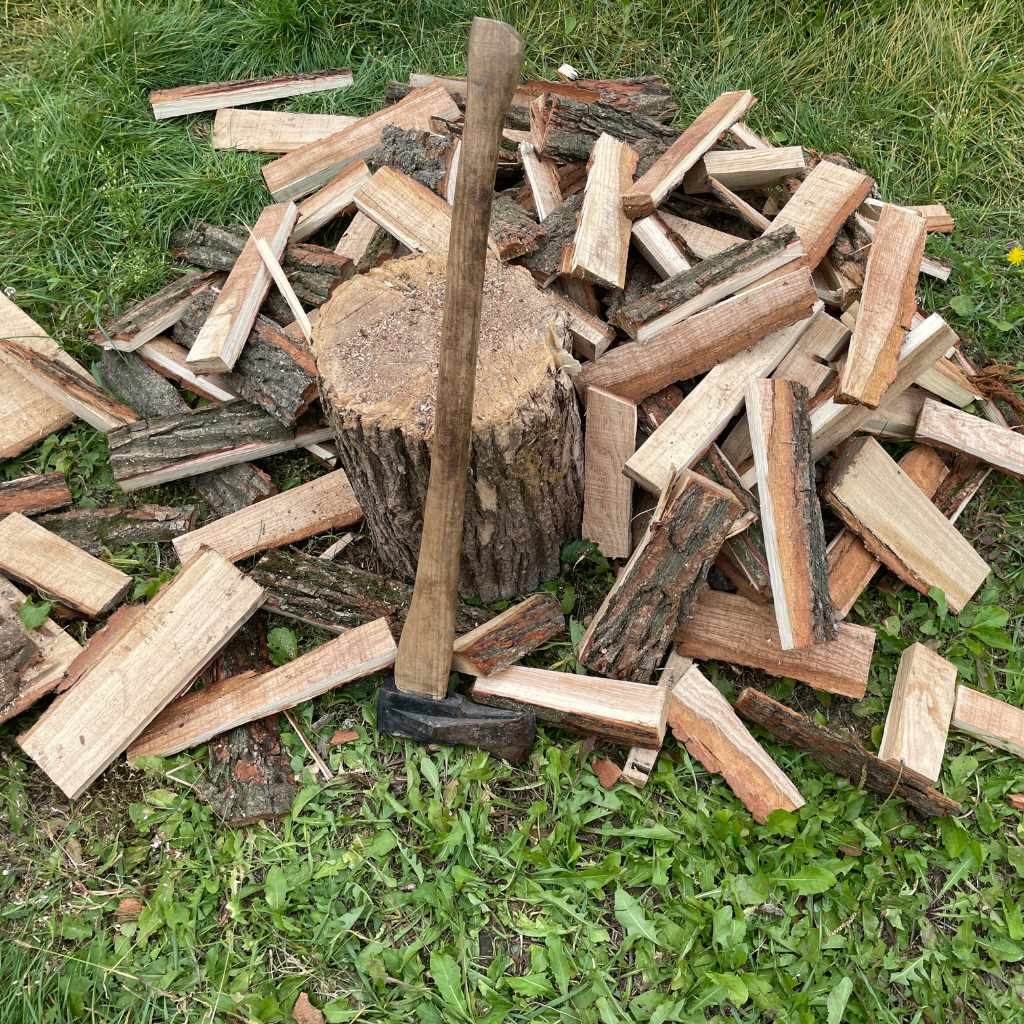
For the novice, choosing between oak vs ash firewood can feel like decoding ancient runes; however, ash generally ignites quicker, burns consistently hotter with less smoke right away, and is widely considered easier for beginners to handle, while oak offers longer-lasting coals but requires more attentive seasoning effort.
Finding the right firewood is a small detail that makes a huge difference between a cozy, crackling fire and smoke-filled frustration. Many folks reaching for an axe or log splitter scratch their heads: Which abundant hardwood treats my stove or campfire best—sturdy Oak or swift Ash? It’s a smart question! Both woods are legendary campfires champions. Choosing incorrectly might mean cold starts or premature log replacement. Don’t worry; we cut right through the confusion today! This guide breaks down the “wood facts” simply, ensuring your fire pit burns brilliantly every single time.
Mastering Heat: Oak Vs Ash Firewood – What Every Beginner Needs to Know
Welcome to the warmth factory! As someone who cherishes a perfectly managed fire, I assure you, understanding the differences between Oak and Ash simplifies everything. These titans of hardwood logging—both very common for heating across North America and Europe—offer distinct personalities in the fire pit. Think of it like choosing tools: Some do detail work, and others handle heavy lifting.
Oak means power and endurance, those deep, reliable coals that last for hours. Ash means agility, lighting fast and packing serious, immediate heat. Your preference dictates which lumber pile you conquer first. Stick around; we verify which one tops the charts for beginners aiming for that just right cozy temperature.
Oak Firewood: The Marathon Veteran
What Makes Oak King of Longevity
Oak, belonging to the sturdy Quercus genus, is famous everywhere. It’s the wood dreams are made of for slow, drawn-out heat—especially overnight or when socializing around a stove that needs to maintain 6-8 hours of solid warmth without constant babysitting. The downside for newcomers is commitment: Oak demands diligent seasoning.
Seasoning Patience Pays Off with Oak
Seasoning is vital; it means reducing the inherent moisture in green wood until it falls below twenty percent. If you burn wet wood, you waste your wonderful energy making steam instead of heat. Oak is particularly high in moisture when newly felled.
Oak seasoning time at adequate airflow:
- Around 18–24 months typically, depending on your climate and splitting size.
- The key is weight reduction—a dry stump feels feather-light compared to its green neighbor.
Pros and Cons of Using Oak
Every wood has its good aspects and its slight weaknesses—even rock-solid Oak.
| Park Bench Pros of Oak | Sanding Table Cons of Oak |
|---|---|
| Produces exceptionally long-lasting coals ($sim$8+ hours). | Very tough to split when green due to stubborn interlocking grain. |
| Rich, high BTUs when absolutely dry (excellent thermal density). | Requires a long aging period upfront (up to two years for amateurs). |
| A traditional, rich aroma favored in kitchens and barbecuing. | Difficult to start unless using commercial kindling nearby. Burns slow initial phases. |
Expert Tip for Starting Oak Fires
Because it’s dense and starts stubborn, layer your oak logs further apart or always nestle them against wood guaranteed to hold a flame for a long time, such as mature kiln-dried pine or commercially available fatwood. Think of your kindling/tinder package as the springboard for high-mass fuel.
Ash Firewood: The Fire Starter Extraordinaire
Why Ash Gets a Rep for Bright, Quick Fires
Ash, often from the Fraxinus region, is the real charmer for most beginners needing fast ambiance AND effective heat delivery immediately. Ash famously produces good, consistent coals too, though perhaps not as enduring as its Oak counterpart after reaching peak BTU delivery.
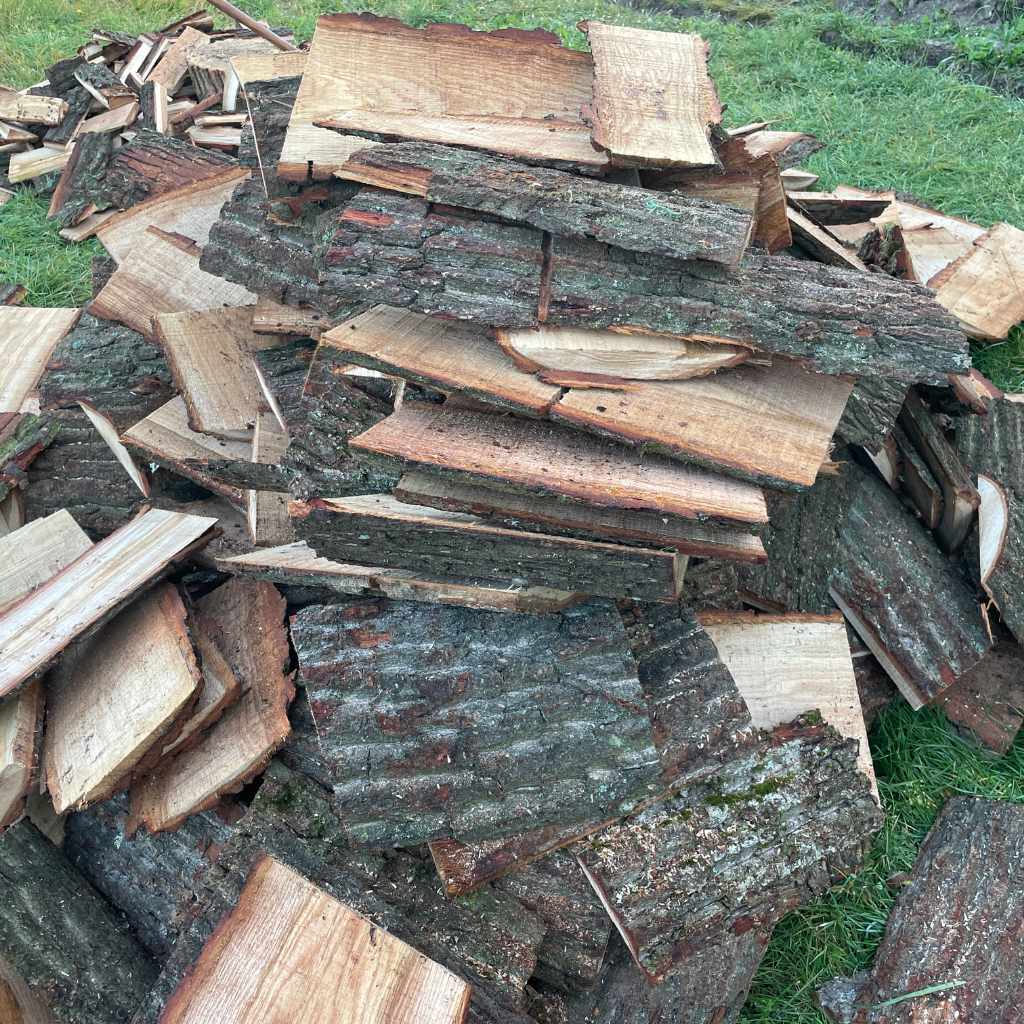
The physical splitting of Ash makes it much more approachable. Although it’s a healthy hardwood, the fibers generally split much cleaner along the grain than traditional Red or White Oak. This makes splitting days a lot less frustrating when you’re using manual splitting tools or struggling to learn your power splitter machine!
Ash Seasoning: The Beginner’s Advantage
This is where Ash shines brilliantly for the busy wood owner wanting tangible firewood results soon. While every species likes being seasoned properly, Ash performs decently even when seasoned for a shorter period.
Ash quick start tips for dryness check:
- Ash tends to “glow” quicker; it seasons closer to 9–18 months depending on the thickness maintained.
- Dry ashes fly cleanly away; wet wood puffs out light, cloudy smoke before collapsing on itself—a clear indoor warming catastrophe sign.
- You often hear a “hollow” thunk when striking two properly seasoned pieces together. This ringing sound suggests dryness. The Forest Products Laboratory has excellent guidelines documented on wood handling best practices.
Table of Differences: Oak Vs Ash Fireplace Output
Putting raw numbers on these two titans helps define their roles in your warming strategy:
| Wood Characteristic | White Water Oak (Seasoned) | White or Green Ash (Seasoned) |
|---|---|---|
| Approx. Heating Value (BTUs per cord) | Up to 28,000,000 | Up to 24,000,000 |
| Seasoning Duration Typical Range | 18-24 Months | 9-18 Months |
| Ease of Splitting Density Ranking (1-Easy, 9-Hard) | 8 | 4 |
| Smoke Production When Dry | Moderate, Sweetly Fragrant Opening Phase | Historically Low Once Hot |
The Smoke Test: Visual Cues Beyond Energy
One of the biggest beginners’ headaches occurs right around the time you finish splitting (or buying) your logs: Do they burn? We don’t just heat; we enjoy watching glowing surfaces instead of dense white fluff!
- When Oak Burns Really Green: Expect pungent, sharp smoke that often irritates upstairs neighbors if vents permit! The dense moisture blocks good combustion, hiding the natural scent.
- When Ash Blooms Hot: Once seasoned Ash hits its stride in a hot stove, it often burns relatively “cleanly.” Good dry Ash shows vibrant, slightly fluttering flame structures, quickly delivering coals glowing deep red without too black areas absorbing potential heat.
Essential Workshop Task: Splitting Density Matters for Beginners
A significant factor not just about heat, but practical workday management—is how hard these woods fight back when axe meets girth!
Why Oak Makes Spilt Workouts Tougher
Certain types of Oak, especially Red Oak, sometimes feature wood fibers that cross or interlock at odd angles across the growth rings. Think of it like slightly gluing the grain into confusing lines the moment you look across the cross section. This interlocking nature laughs at downward force.
- The Wiggle Factor: When your wedge or blade fails to gain purchase deep into the section, swinging harder often forces the head to skew or ricochet slightly. Beginners often get discouraged after wrestling just one log segment.
- Focus on Ring Alignment: Try aligning exactly perpendicular (90 degrees total access) to the run of the visible grain lines when placing your wedge striking area.
The Easier Effort with Seasoned Ash
Generally speaking, Ash releases its grip when a good strike finds the correct, straight path. This psychological victory is huge for those building confidence in their cutting area workflow. Good, clean splits dry faster because smaller, lower surface piles present less skin to absorb weather.
Tool Safety Note For Splitting
Remember always to wear reliable safety glasses against wood shrapnel and wear sturdy leather work gloves. And for anyone operating motorized spreaders like log splitters, ensure you have read the operational manual cover-to-cover sourced appropriately (like reviewing best operational procedures published by manufacturers or OSHA guidelines for field machinery).
Burning Technique: Oak Coals vs. Ash Intensity
How the fuel behaves once fire really catches moves from wood selection to heating control. Mastering your stove’s response window is key for sustainable warmth.
The Need for Speed: Initiating with Ash Wood
Speed means using fuel that combusts hotter, faster when stacked correctly.
- Establish a roaring base using feather or fast wood kindling (poplar, birch, small dimensional scraps you know are thoroughly dry, avoiding chemically treated things!). This may take 10–20 minutes of tending actively at the damper settings you need for maximizing airflow.
- Because Ash lights up without demanding an impossibly slow buildup time prior, it swiftly conveys that hard-earned initial heat onto your stove walls, heating up the metal rapidly.
- Once stoked correctly, Ash maintains an even burn state, letting you close your primary air intake slowly to settle things into that low-and-slow zone required for holding home temperatures stable mid-day.
The Foundation: Leveraging Oak Endurance
When Oak finally does get heated through (and this is important—don t use too much green in a stove struggling to lift temperature!), its reward is phenomenal—the coals. Seasoned pieces of classic White Oak are famed for holding this inferno stage long under heavily restricted airflow settings necessary overnight.
- Mid-day/Early Evening Use: Place Oak when you need maximum energy storage for cooking across indirect heat or banking very strong coals for slow overnight maintenance using nearly closed air vents.
- Ash Comparison: Ash, while an excellent burner/coaler, will typically let its hot phase reduce sooner than true, dense Oak will under identical highly constrained damper settings.
Storage Know-How: Protecting Your Best Fuels
Splitting is only half a win; maintaining it under a decent cover guarantees your beautiful hardwoods remain optimized. Rookie errors here can undo a whole year’s good drying work in three months of bad stacking.
Cub Scout Stack Principles for Both Woods
Both Oak and Ash require similar long-term considerations once bucked, split, and ready to cure into useful stove fuel.
- Get off the Ground: Always lift wood off the native earth! Moisture wicks up unbelievably fast. Use pallets, cinder blocks, or sacrificial stacks of very rough, scrap lumber underneath the functional heating wood batch.
- Stack Sideways, Gaps Towards Main Wind/Weather: Place logs oriented perpendicular along the direction of prevailing winds or toward areas outside which rain/snow direction tends. This allows your firewood stack to dry both during heat and subtly during slight inclement periods by enabling moisture egress. Never forget air movement! Poor stacked piles often stay damp on the inner column core indefinitely—a major season-wasting mistake!
- Cover the Roof Only: This might shock beginners: do NOT roof a stack entirely like laying bricks down on a shed roof. Too much cover traps evaporation vapor directly down onto the wood. Keep only the TOP protected generously from direct snow or relentless rain, ensuring that the drying sides (front, back, ends) remain fully open to air travel.
Durability Note: Ash Borer Threat
As a warning based on resource reliability—when sourcing Ash, local environmental threats must be monitored if you live in regions dealing with the Emerald Ash Borer (EAB), mandated under various state agriculture and forestry departments’ advisories, like those advised by the U.S. Forest Service concerning inter-state movement of untreated wood species.
Sadly, if Ash density is high in your buying radius, availability/risk levels increase alongside the pest situation, though sustainably harvested wood remains fantastic for burning.
Advanced Wood Talk: Maple Mix in for Completeness: Red vs. White Oak Focus
To give a richer picture, remember Oak isn’t just one simple object for comparison:
- White Oak: The superior choice usually. Denser overall, generally resists outdoor rot longer if left uncovered sometimes by accident, and produces spectacular, deep coals. A very high BTU champion that truly loves a long dry spell.
- Red Oak: Often burns slightly faster than its whitish cousin. It possesses bigger pores; thus, once seasoned, it loses its latent heat through that increased porous surface quicker, leading those huge, impressive Oak crackres you hear, alongside a respectable, dependable thermal phase behind high quality Ash usage.
Even seasoned Red Oak fights harder than compliant Ash usually, but the effort guarantees some of the longest sustainable heating wood available outside of genuine ultra-dense Bog species.
FAQ Section: Plain Talk On Perfectening Heat Choices
1. Which wood burns faster: Oak or Ash?
Ash generally heats up, ignites more completely, and reaches peak burn intensity faster than dried Oak wood.
2. Is seasoned Ash better to split for beginners than Oak?
Yes, absolutely. Ash fibers typically split cleaner and straighter with much less physical wrestling compared to the tighter, interlocking grains found heavily utilized often in many Oaks. This means easier workout for you upon processing fresh rounds.
3. Does cured Ash require seasoning time as necessary as Oak?
Yes, cooking time remains the rule everywhere. Green both woods create bitter smoke and poor heat. However, Ash seasons predictably and can often reach ideal low moisture levels (under 20%) faster than densely packed Oak logs subjected to identical surrounding conditions.
4. Which firewood choice produces higher initial Btus per thrown load upon ignition (quickly)?
Assuming both materials are perfectly seasoned (dry), the hotter the initial exchange across the stove air washing process, the quicker the energy release. Both are excellent, but sometimes a fast-combusting Ash can generate a noticeable difference in early temperature surge contrasted against the slow awakening of deep Oak mass.
5. If my woodpile lives outdoors directly under a small tarp covering, which stays dry longer—thickets of Oak logs or those of similar sized split Ash?
If only the top is covered, the difference lessens slightly if overall moisture content upon stacking was similar. However, Oak’s huge physical density requires much heavier, focused climate evacuation action to force water out vs. Ash’s relative porous structure.
6. Can I mix these two types of wood in my fireplace or stove setting?
Great question! Wood mixing is highly effective. Experienced fire custodians happily mix hot starters like Ash when setting the fire, layering in denser Oak for the banking period—getting the best of both profiles rapidly and slowly when needed using single charges.
Conclusion: Finding Your Personal Perfect Mix
There you have it! Don’t stress over picking the superior wood; instead, choose the wood that matches your immediate needs and current efforts on wood processing. For the beginner getting started right now who values relative ease of splitting, quick ignition payoff after a proper waiting game, the advantage gently swings toward well set-up Ash (around 12 months cured).
This fuel pattern lets you build confidence quickly—you earn tangible high-speed heat much earlier. Once splitting Oak becomes less of wrestling match you know means you’ve built strength (or found superior splitting angle practice across your stack areas), you unlock the deep battery storage potential that only Oak coiling on stone or ceramic fireboxes can provide.
My advice from the workshop: Aim to stack twice what you think you need right now, dedicating half of year one’s growth potential primarily for high-reward Ash stacking (for quicker use this coming short season) and the bulk drying time to heavy hitter, long-term quality companions like Oak. With a bit of planning and the right stacking defense, you’ll command heat like a seasoned pro. Keep it dry out there, keep those safety muscles working, and enjoy steady, confident heat!