Old Cast Iron Wood Heaters: Are They Safe & Still Worth It?
An old cast iron wood heater can be safe if properly inspected and maintained. While they offer charm and heating potential, efficiency and emissions can be concerns compared to modern units. Their worth depends on condition, usage goals, and local regulations.
Understanding Old Cast Iron Wood Heaters
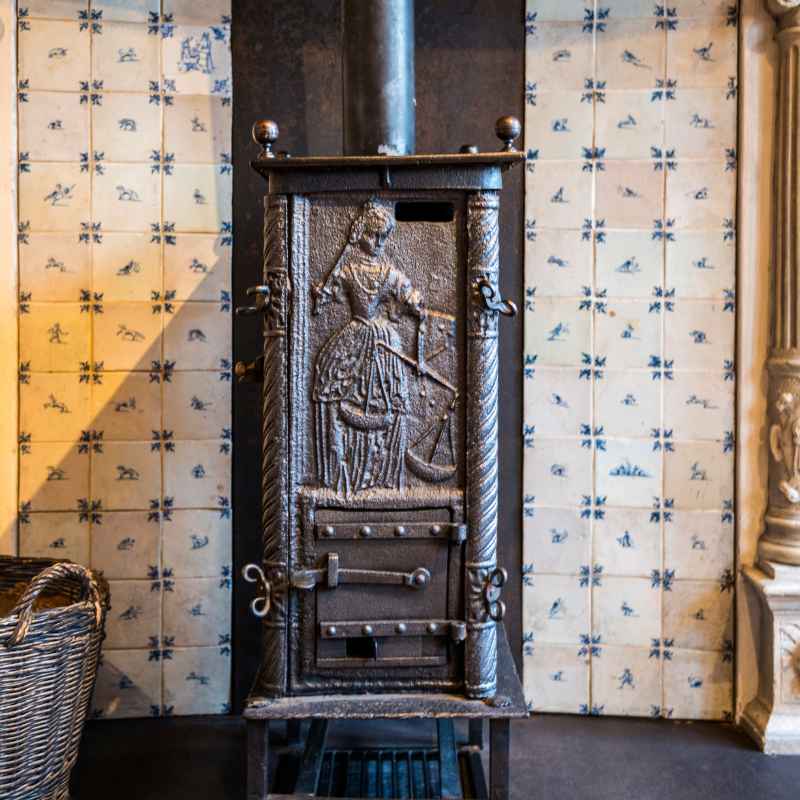
Cast iron wood heaters are made of heavy iron. They are built to last. Many of these heaters are very old.
Some date back to the early 1900s. They were the main way to heat homes back then. These heaters burn wood.
They give off a lot of heat. The heat warms up the iron. The iron then radiates heat into the room.
These old heaters have a unique look. They often have fancy designs. They can be a focal point in a room.
They remind us of a simpler time. But, as they age, questions about safety pop up. We need to know what to look for.
Why do people still love them? It’s often for their sturdy build. They feel very solid.
They are different from thin metal stoves. They also offer a different kind of heat. It’s a warm, cozy feeling.
This is called radiant heat. It heats objects in the room. This feels different from hot air.
It can feel more pleasant.
However, not all old things are perfect. Old heaters might not burn wood as well as new ones. They might let out more smoke.
This smoke can be bad for the air. It’s important to understand both sides. This helps you decide if one is right for your home.
My Experience with an Old Wood Heater
I remember visiting my aunt’s old farmhouse. It was a cold winter day. Snow was piling up outside.
Inside, her living room was toasty warm. The heat came from a big, dark cast iron stove. It sat in the corner.
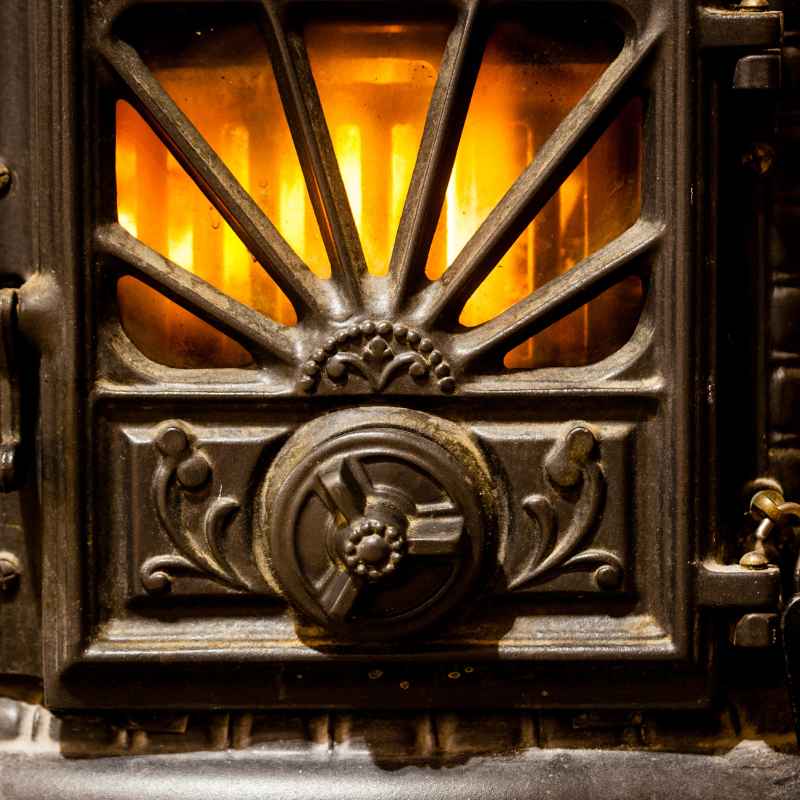
It had a glass door. I could see the flames dancing inside. The fire was bright.
It made the whole room feel cozy.
My aunt told me it was her grandfather’s stove. It had been there for almost 100 years. It looked a little worn.
But it worked great. She said it was important to check it often. She made sure the chimney was clear.
She also made sure the door seals were good. She explained that old stoves need extra care. But the warmth it gave was special.
It made the house feel alive.
That experience stuck with me. It showed me that old things can still be useful. They can also bring a lot of comfort.
But it also showed me the need for caution. Taking care of them is key. It’s not just about turning on a switch.
It’s about respecting the appliance and the fuel.
Cast Iron Heater vs. Steel Heater
Cast Iron:
- Heavier, denser material.
- Heats up slowly but holds heat longer.
- Radiates heat more evenly.
- Can be more prone to cracking if overheated or cooled too fast.
- Often has decorative elements.
Steel:
- Lighter, heats up faster.
- Can burn hotter and quicker.
- May not hold heat as long as cast iron.
- Often has a more modern or minimalist look.
- Less likely to crack but can warp.
Safety First: What to Check
When looking at an old cast iron wood heater, safety is the top thing. You need to check it very carefully. A damaged heater can be dangerous.
It could cause a fire. It could also let smoke into your home. Smoke has carbon monoxide.
This is a gas that you can’t see or smell. It can make you very sick.
First, look at the body of the stove. Are there any cracks? Even small cracks can grow.
They can let smoke escape. Tap on the iron. Listen for any hollow sounds.
This might mean it’s weaker inside. Check all the seams where pieces of iron join. Are they sealed well?
Next, look at the door. Does it close tightly? Most old stoves have a rope seal around the door.
This seal keeps smoke inside the stove. Is the rope seal old and falling apart? If so, it needs to be replaced.
The hinges should be strong. They should hold the door shut firmly.
Check the firebox. This is where the wood burns. Is the lining worn out?
Some stoves have firebricks inside. These protect the cast iron. If they are broken or missing, they need replacing.
The grate where the wood sits should also be strong. It should not be rusted through.
Finally, look at the flue collar. This is where the chimney pipe connects. Is it solid?
Is it the right size for your chimney pipe? A good connection is vital. It keeps smoke going up the chimney.
It stops it from coming into your room.
Quick Safety Checklist
- Stove Body: No visible cracks.
- Door Seal: Tight closure, good gasket.
- Firebox: Intact lining (firebricks).
- Grate: Not rusted through.
- Flue Collar: Solid connection point.
Efficiency and Emissions: The Modern View
Old cast iron wood heaters were built a long time ago. The rules about air pollution were very different then. New wood stoves are made to burn wood better.
They also produce less smoke. This is called efficiency. Old stoves often let a lot of heat escape up the chimney.
They don’t burn all the wood’s energy.
This means you might need to use more wood. You will need to burn more wood to get the same heat. This costs more money.
It also means more smoke is going into the air. This smoke contains particles. These particles can be bad for your lungs.
They can also harm the environment.
Modern wood stoves have special designs. They have ways to burn the smoke. This is called secondary combustion.
It burns off the smoke before it leaves the stove. This makes them much cleaner. It also makes them burn less wood.
This saves you money and is better for the air.
Many places now have rules about wood burning. They might not allow old, inefficient stoves. This is to protect air quality.
Before you buy or use an old heater, check your local laws. You might need to get a new stove. Or you might need to make major changes to an old one to meet rules.
What does this mean for you? If you want to save money on heating bills, an old stove might cost you more in wood. If you care about air quality, an old stove is not the best choice.
It’s like comparing an old car to a new electric car. The old one might look cool, but the new one is better for the planet and often your wallet.
Efficiency Comparison
Old Cast Iron Heater:
- Lower efficiency (may burn 50-70% of wood’s energy).
- Higher emissions of smoke and particles.
- Requires more frequent refueling.
Modern EPA-Certified Stove:
- Higher efficiency (up to 80%+).
- Lower emissions, cleaner burn.
- Burns wood longer, less refueling.
Is an Old Cast Iron Heater Still Worth It?
The question of worth depends on many things. Are you looking for pure heating power and low cost? Then a modern stove might be better.
Newer stoves are more efficient. They use less wood. This saves you money over time.
They are also cleaner for the air.
But if you love the look of old things, it’s different. An old cast iron heater can be a beautiful piece of furniture. It can add a lot of charm to a room.
If you only plan to use it once in a while, for looks, then it might be worth it. The cost of wood might not be a big worry.
Think about your goals. Do you want this to be your main heat source? If so, an old stove could be a problem.
It might not heat your whole house well. It might use too much wood. It could also be a safety risk if not perfect.
If you want a backup heat source, or just for cozy nights, it could work.
Also, consider the cost. Buying an old stove can be cheap. But fixing it up can cost money.
You might need to buy new parts. You might need a professional to look at it. You also need a good chimney.
Installing or fixing a chimney is also a cost.
If you find a well-maintained old stove, that’s the best case. If it’s already hooked up to a good chimney, that’s a bonus. But most likely, it will need work.
You must be honest about the costs and effort involved.
Factors to Consider for “Worth”
- Aesthetic Value: Do you love the vintage look?
- Primary Heat Source: Will it heat your whole home?
- Fuel Cost: How much wood will you need?
- Maintenance: What repairs are needed?
- Local Regulations: Are old stoves allowed?
- Safety: Has it been inspected by a pro?
Real-World Context: Using an Old Stove Today
Using an old cast iron wood heater today is not like using a new one. Think about a classic car. It looks amazing.
But it uses more gas. It needs more fixing. It might not be as safe as a new car.
In many homes, old stoves are used as decoration. They are polished up. They might have a fake fire inside.
Or they are used for very short periods. This is often in a room that gets cold. It’s more for a mood than for heating.
If you plan to use it for heat, you must think about your home. Is your home well-insulated? If not, any stove will struggle.
Old houses often have drafts. They don’t hold heat well. An old stove will fight a losing battle.
What about the fuel? You need a good supply of dry wood. Seasoned hardwood is best.
It burns longer and hotter. You also need a safe place to store the wood. Wet wood burns poorly.
It creates a lot of smoke and creosote. Creosote is a black, sticky tar that can build up in the chimney. It’s a fire hazard.
The chimney itself is super important. It must be in good shape. It needs to be the right size for the stove.
It needs to draw well. That means smoke goes up easily. If the chimney is blocked or too small, smoke will come back into the room.
This is where carbon monoxide danger is high.
Setting Up an Old Stove: Key Areas
Location: Needs to be on a non-combustible floor (like tile or stone). Needs space around it away from walls or furniture.
Chimney: Must be a proper wood-burning chimney, lined and in good repair. Must be tall enough to draft correctly.
Clearances: Follow local building codes. These are distances from stove to walls, ceiling, and any flammable materials.
Fuel: Use only dry, seasoned hardwood. Never burn trash or treated wood.
What This Means for You
So, what does all this mean for someone thinking about an old cast iron wood heater? It means careful thought is needed. It’s not a simple “yes” or “no” answer.
When is it probably okay? If you find one that is in excellent condition. If it has been inspected by a certified chimney sweep or stove installer.
If you plan to use it only for ambiance. Or if you have a small, well-insulated cabin where it’s the only heat. You must also be sure it’s legal to use in your area.
When should you worry? If the stove has cracks or damage. If you can’t find out its history or condition.
If the chimney is old or not suitable for wood burning. If you plan to use it as your main heat source in a large or poorly insulated house. If your local air quality rules are strict.
What simple checks can you do yourself? Look for obvious rust holes. Check if the door closes tightly.
See if the glass (if any) is broken. Feel if the stove is solid. If any of these look bad, it’s a sign to walk away or get expert advice.
The biggest takeaway is: do not guess about safety. Wood stoves involve fire. They also involve dangerous gases.
If you are not 100% sure, get a professional opinion. They can tell you if it’s safe or what needs to be done.
Red Flags to Watch For
- Visible Cracks: Major safety concern.
- Loose Parts: Door, grate, or flue collar loose.
- Excessive Rust: May weaken the iron.
- Smoky Operation: Even with a good fire, if smoke spills out.
- Carbon Monoxide Detector Alarms: Never ignore this.
Quick Tips if You’re Considering One
If you are still drawn to the idea of an old cast iron wood heater, here are some things to keep in mind. These are not fixes, but guidelines.
Get a Professional Inspection: This is the most important step. A chimney sweep can check the stove and the chimney. They can tell you if it’s safe to use.
They can also tell you what repairs might be needed. This expert advice is worth the cost.
Understand Local Laws: Many areas have rules about wood stoves. Older stoves might not meet current standards for emissions. Check with your local fire department or building code office.
You need to know if it’s legal for you to use.
Plan for Maintenance: Old stoves need regular care. You will need to clean them. You will need to check seals.
You might need to replace parts over time. Are you prepared for this ongoing work?
Use Only Dry Wood: This is crucial for any wood stove. Wet wood burns poorly. It creates creosote.
Dry wood burns cleaner. It produces more heat. It is also safer for your chimney.
Install Carbon Monoxide Detectors: Have them on every level of your home. Test them regularly. This is a must-have for any home with a combustion appliance like a wood stove.
Consider a Hearth Pad: Stoves need to sit on a fireproof surface. A special hearth pad protects your floor. Make sure it’s the right size and material.
User Tips for Old Stove Owners
- Start Small: Begin with small fires. Let the stove warm up slowly.
- Monitor Smoke: Watch the smoke coming from the chimney. White smoke is mostly steam. Dark smoke means it’s burning poorly.
- Clean Chimney Annually: This removes creosote and prevents chimney fires.
- Inspect Regularly: Check for new cracks or damage before each burning season.
Frequently Asked Questions
Can old cast iron wood stoves cause house fires?
Yes, they can. This can happen if the stove is cracked. It can happen if the chimney has creosote buildup.
It can also happen if clearances to flammable materials are too small. Proper inspection and maintenance are key to preventing fires.
Are old wood stoves safe to breathe from?
They can be unsafe if they leak smoke. Smoke contains carbon monoxide. This is a dangerous gas.
Old stoves are often less efficient. They can produce more smoke. Always use a carbon monoxide detector and ensure proper ventilation.
How do I know if my old wood stove is efficient?
Old stoves are generally much less efficient than new ones. They burn wood faster. They lose more heat up the chimney.
You will likely use more wood with an old stove for the same amount of heat. Look for EPA certification on newer stoves to guarantee efficiency.
What kind of wood should I burn in an old wood heater?
Always burn dry, seasoned hardwood. This includes oak, maple, and ash. Never burn treated lumber, trash, or wet wood.
Burning the wrong fuel can damage the stove and create dangerous creosote.
Do I need a special chimney for an old wood stove?
Yes, you need a proper Class A insulated chimney rated for wood stoves. An old masonry chimney might work if it is in good repair and lined. A chimney sweep must inspect it to be sure it’s safe and effective.
Where can I find replacement parts for old cast iron wood heaters?
Finding parts can be difficult. Look for antique stove dealers. Some online marketplaces might have parts.
You may also need a metalworker to repair or fabricate parts if they are no longer available.
Final Thoughts on Old Cast Iron Heaters
Old cast iron wood heaters have a certain magic. They bring a sense of history. They can offer a unique kind of warmth.
But they are not a simple solution. Safety and efficiency are big concerns. They need expert checks and constant care.
Weigh the charm against the risks. Understand the costs of wood and upkeep. If you prioritize safety and lower emissions, a new stove is likely better.
If you love the vintage look and are prepared for the work, an old heater can be a special addition. Just be sure to do your homework. And always put safety first.