Is Rubberwood Waterproof? No, Here’s How to Protect It
No, rubberwood is not waterproof. It is a light, affordable hardwood with almost no natural defense against water, so it needs a finish to handle spills and humidity, and even then it should stay indoors.
That answer is more specific than the usual “it absorbs water like a sponge” line. Below are the actual numbers for rubberwood next to teak and white oak, what water really does to it, where in your home it is fine, and how to seal it properly.
Is Rubberwood Waterproof? The Short Answer
No wood is truly waterproof, but rubberwood (Hevea brasiliensis) is at the weak end of the range. The Wood Database describes it as perishable, with very little natural resistance to decay, and susceptible to fungal staining and insect attacks. Teak carries natural oils, but rubberwood has nothing comparable built in to slow moisture down, so the finish is doing all the work.
Best Water-Based Sealer for Rubberwood
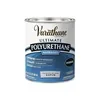 |
Varathane Water-Based Ultimate Polyurethane (Satin), about $25
|
If your piece already has a sealed factory finish, a spilled glass of water wiped up within minutes is not a problem. The trouble starts with standing water, steam, bare edges and anything left outdoors.
Rubberwood vs Teak vs White Oak: The Numbers
All figures below come from the Wood Database species pages for rubberwood, teak and white oak.
| Property | Rubberwood | Teak | White oak |
|---|---|---|---|
| Janka hardness | 960 lbf | 1,070 lbf | 1,350 lbf |
| Radial shrinkage | 2.3% | 2.6% | 5.6% |
| Tangential shrinkage | 5.1% | 5.3% | 10.5% |
| Tangential / radial ratio | 2.2 | 2 | 1.9 |
| Rot resistance | Perishable, very little natural resistance | Very durable | Very durable |
What the table corrects
The common claim is that rubberwood swells and warps badly because it drinks water. The numbers say something different. Its shrinkage values are close to teak and roughly half those of white oak, so once it is dried and finished it is a fairly dimensionally stable wood. The Wood Database notes that it tends to warp and twist while drying but is fairly stable in service once seasoned.
Where rubberwood really loses is the last row. Teak and white oak are rated very durable, so they shrug off repeated wetting. Rubberwood is not, so the realistic risk of a damp environment is fungal staining, mold and eventually decay, more than a table top that suddenly cups. That is why the finish matters, and why outdoor use is where it fails.
What Happens When Rubberwood Gets Wet
- Short exposure (a spill wiped up quickly): on a sealed surface, usually nothing. On bare wood, a darker patch that fades as it dries.
- Repeated or prolonged dampness: the finish can cloud or lift, and bare wood is open to gray or dark fungal staining.
- Constant moisture: mold, softening and decay, since the wood has little natural resistance to rot. Perishable wood is also easier for insects to attack.
- Wet, then dried fast near a heater or in direct sun: more chance of surface checks and movement at joints.
Rubberwood takes stain and finish easily, which is a plus for furniture makers but also means the finish is the only barrier. If you plan to color it first, see our guide on staining rubberwood.
Where Rubberwood Is Safe and Where It Is Not
| Location | Verdict | What to do |
|---|---|---|
| Dining table, desk, bookshelf | Fine | A sealed finish and coasters are enough. |
| Kitchen cabinets and cutting boards | Fine with care | Seal cabinets, hand-wash boards and never soak them. Use a food-safe finish on boards, see how to make wood food safe. |
| Bathroom vanity | Risky | Seal every face, including edges, back and underside, and wipe standing water. |
| Covered patio | Not recommended | Humidity and temperature swings will defeat most finishes over time. |
| Fully outdoor furniture | No | Choose teak or white oak instead. |
The Wood Database lists rubberwood uses as furniture, cabinetry, interior millwork and kitchen woodenware, which is a list of indoor jobs. That is the accurate way to read “rubberwood furniture”: it is indoor furniture. For more on how it compares as a material, see solid wood vs rubberwood and acacia vs rubberwood.
How to Make Rubberwood Water-Resistant
You cannot make it waterproof, but you can make it water-resistant enough for normal indoor use. This is the short version; the full application guide is in how to seal rubberwood.
- Sand bare wood to 180 to 220 grit and remove all dust.
- Apply a thin coat of clear water-based polyurethane with a quality brush or pad.
- Let it dry fully. The Varathane listing above gives a 2-hour recoat, but follow the can for your room conditions.
- Scuff lightly between coats and apply at least three coats on anything that will see water.
- Seal the edges, the back and the underside too. Unsealed faces are where moisture gets in.
- Let the finish cure before regular use, and use coasters and placemats.
Two cautions. First, most polyurethane products, including the one in our pick, are made for indoor use, and no clear coat makes rubberwood outdoor-proof. Second, the Wood Database notes potential latex allergy concerns for sensitive people, so wear a dust mask when sanding; see is rubberwood toxic.
Which Finish Protects Rubberwood Best From Water
Not every finish gives the same barrier. This comparison is general finishing practice rather than lab data, so treat it as a guide for choosing, not a guarantee.
| Finish | Water protection | Best use on rubberwood | Downside |
|---|---|---|---|
| Water-based polyurethane | Good, forms a clear film | Tables, shelves, vanities, cabinets | Film can chip and needs recoating in high-wear spots |
| Oil-modified polyurethane | Good, slightly tougher film | Table tops and desks | Adds an amber tone to pale wood, slower to dry |
| Penetrating oil or wax | Low to moderate | Decor, low-risk pieces, easy repair | Needs frequent reapplication, weak against standing water |
| Food-safe mineral oil | Low | Cutting boards and utensils | Not a moisture barrier, must be renewed regularly |
For furniture that might meet water, a film finish beats an oil, because a film keeps liquid on the surface where you can wipe it away. Oils soak into the wood and are better for pieces you want to look natural and can maintain.
Three Rubberwood Water Myths
- Myth: sealed rubberwood is waterproof. A finish is a coating, not a property of the wood. One scratch, a bare edge or an unsealed underside gives moisture a way in.
- Myth: rubberwood swells like a sponge. Its shrinkage numbers are close to teak and about half of white oak, so movement is moderate. The bigger long-term risk is staining and decay in damp conditions.
- Myth: solid wood means it can handle a bathroom. Solid wood is only as water-tolerant as the species. Rubberwood is rated perishable, so it needs every face sealed in a wet room.
What to Do If Rubberwood Gets Wet
- Blot standing water right away with a dry cloth. Do not let it sit.
- Move the piece away from the source of moisture and let it air-dry with airflow around it.
- Do not force-dry it with a hair dryer or heater, since fast drying can cause surface checks.
- If a white haze or gray stain remains after it is fully dry, sand lightly and refinish that area.
- If you see mold, wipe with a mild soap solution, dry thoroughly and reseal.
Rubberwood is also a sustainable choice because it comes from trees at the end of their latex-producing life; the details are in is rubberwood sustainable.
Frequently Asked Questions
Is rubberwood waterproof?
No. Rubberwood is not waterproof and has very little natural resistance to decay. A sealed surface can shed spills for a while, but the wood itself is not waterproof.
Can rubberwood be used outdoors?
It is a poor choice for outdoor use. The Wood Database calls rubberwood perishable and susceptible to fungal staining and insect attack, so it needs constant maintenance outside. Teak or white oak are better options.
Does rubberwood swell when it gets wet?
Yes, like all wood it takes on moisture and moves. Its tangential shrinkage of 5.1% is well below white oak at 10.5%, but unsealed rubberwood that stays damp is more at risk of staining and decay than of dramatic swelling.
Can you use a rubberwood vanity in a bathroom?
Yes, if every surface is sealed, including the edges, the back and the underside, and standing water is wiped up quickly. An unsealed rubberwood vanity in a steamy bathroom is a bad bet.
How do you waterproof rubberwood?
You cannot fully waterproof it, but you can make it water-resistant by sanding to 180 to 220 grit and applying three coats of a clear polyurethane, letting each coat dry fully, and sealing all faces.
Conclusion
Rubberwood is not waterproof, and it is not naturally water-resistant either. Its shrinkage numbers are moderate and similar to teak, but its rot resistance is poor, so moisture over time leads to staining and decay rather than dramatic warping. Keep it indoors, seal all faces with a clear water-based polyurethane, wipe spills quickly, and choose teak or white oak for anything that lives outside.
Sponsored / affiliate links. As an Amazon Associate I earn from qualifying purchases. I may earn additional commission from eligible campaigns.