Refrigerator Sliders for Hardwood Floors: How to Move Safely
Refrigerator sliders are rubber-or-felt discs, rated up to 660 lbs, that go under an appliance’s feet so it glides instead of drags across hardwood; dragging a fridge without them can gouge the finish in one pull. Plywood and anti-vibration pads help too, but sliders are the only fix made specifically for the weight of a full-size refrigerator. This guide covers picking the right slider, installing it correctly, and what the National Wood Flooring Association says about the #1 cause of floor scratches during a move.
Why Refrigerator Sliders Matter
Best Refrigerator Slider Pick
 |
Refrigerator Appliance Sliders (2-Pack), 660 lb Capacity – $19.99 A dedicated appliance slider set built for refrigerator weight, not repurposed furniture pads – the rubber base grips the slider in place while letting the fridge glide.
|
As an Amazon Associate we earn from qualifying purchases.
Refrigerator sliders create a protective barrier between the appliance and the hardwood, distributing the fridge’s weight evenly instead of concentrating it under four small feet. That prevents both scratches from dragging and the indentations a stationary fridge can leave over years on a soft finish. The same sliders work for washers, dryers, dishwashers, and ovens – any heavy appliance you need to move without pulling up the floor with it.
📊 The National Wood Flooring Association identifies grit trapped under worn floor-protector pads as a leading cause of finish wear – a slider that’s picked up dirt can scratch a hardwood floor almost like sandpaper if it isn’t cleaned or replaced. Source: National Wood Flooring Association, Protection Care & Maintenance guide
Choosing The Right Sliders
Not all sliders are built for refrigerator weight, so check materials, size, and weight capacity before buying – a pad rated for a dining chair will fail under a 300-lb refrigerator.
Materials And Durability
Look for sliders made from durable plastic, rubber, or felt. Rubber-bottomed sliders grip worn or uneven floors better than hard plastic and are less likely to gouge the hardwood if the appliance tips slightly during the move.
Size And Weight Capacity
Match the slider’s rated capacity to your refrigerator’s actual weight, not just its footprint – a full-size fridge with the water/ice option can run 300-400 lbs. Buy sliders rated well above that number so the pads don’t compress or crack, which risks the hardwood floor underneath.
Installation: Step-By-Step
Installing refrigerator sliders correctly takes five minutes and prevents most of the scratches that happen during a move.
Step-By-Step Guide
- Measure and clean: Measure the width and depth of your refrigerator, then clean the floor to remove grit that could scratch during the move.
- Lift, don’t drag: Tilt the refrigerator back slightly (or have a second person lift with you) to slide a pad under each front foot without dragging the appliance into place first.
- Position evenly: Center each slider under its foot so the weight is distributed evenly across all four pads.
- Test the movement: Push gently to confirm the fridge glides smoothly before committing to the full move.
Common Mistakes To Avoid
- Skipping the floor cleaning: Leftover grit under a slider scratches the floor as the appliance moves, per NWFA’s own guidance above.
- Dragging instead of lifting: Forcing the fridge onto the sliders without lifting first can scratch the floor before the sliders are even in place.
- Uneven positioning: Off-center sliders concentrate weight on one edge, which can crack the pad and dent the floor underneath.

Slider Maintenance And Replacement
Cleaning Sliders
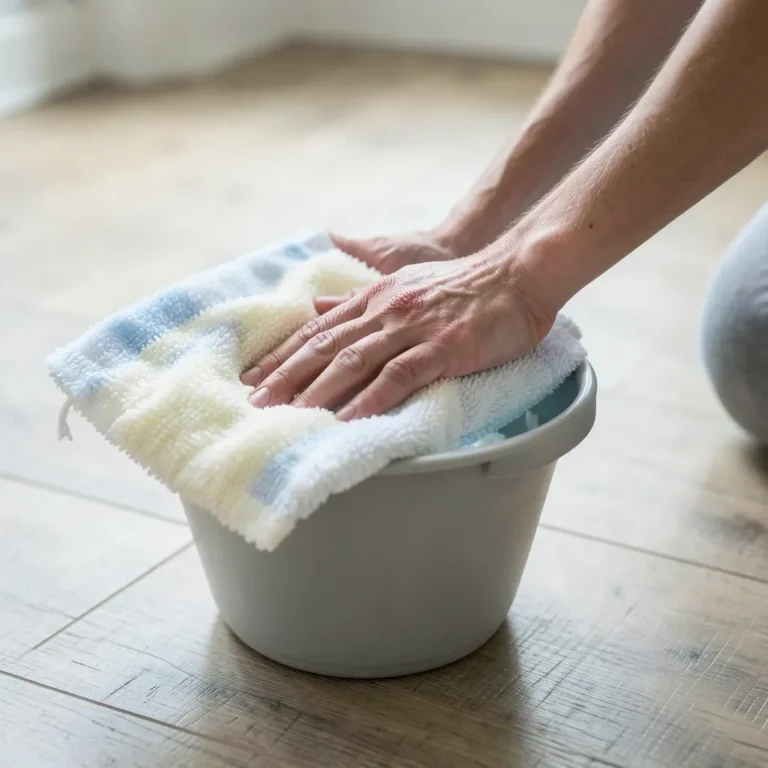
Remove debris with a soft-bristled brush or microfiber cloth, then wipe with a damp cloth. Skip harsh chemicals or abrasive cleaners – they can degrade the rubber or felt and damage the hardwood underneath.
When To Replace
Check sliders periodically for cracks or chips in the plastic or rubber. If the refrigerator doesn’t slide smoothly, or you hear grinding or scraping when you push it, replace the sliders before moving the appliance again – and if a scratch already made it through, see our guide on removing scuff marks from wood floors.
DIY Vs. Purpose-Built Sliders
DIY options – folded towels, cardboard, or plastic bags – cost nothing but aren’t rated for appliance weight and can tear or slip mid-move, which is worse than not using anything since the fridge can suddenly drop onto bare floor. Purpose-built appliance sliders typically run $15-$40 for a set rated 300-660 lbs, verified against current Amazon listings as of this update, and are worth the cost for anything heavier than a dorm-sized fridge.
Furniture Sliders Vs. Appliance Sliders
Furniture sliders and appliance sliders look similar but aren’t interchangeable for a full-size refrigerator.
| Type | Typical Rating | Best For |
|---|---|---|
| Furniture sliders | Up to ~100-150 lbs per pad | Chairs, tables, light cabinets |
| Appliance sliders | Up to 660 lbs per pad | Refrigerators, washers, dryers |
Using a furniture-rated slider under a refrigerator risks the pad compressing or cracking under weight it wasn’t built for – buy appliance-rated sliders for anything in the refrigerator/washer/dryer category.

Avoiding Scratches And Dents
Beyond sliders, two other steps cut scratch and dent risk further: a thick piece of plywood underneath the appliance spreads the shock of any bump across a wider area, and anti-vibration pads on the feet reduce the micro-movements that can wear a dent into the finish over months of normal use. Combining sliders with one of these is enough for nearly any residential move – you don’t need all three at once for a single relocation.
Frequently Asked Questions
How To Move A Refrigerator On A Hardwood Floor?
Lift the front slightly and slide an appliance-rated slider under each foot, then push – don’t drag – the fridge across the floor. Plywood underneath or anti-vibration pads on the feet add extra protection for longer moves.
It’s important to protect the hardwood floor from scratches during the process, and to check for existing scuffs before you start.
What To Put Under A Refrigerator On Hardwood Floors?
Appliance sliders rated for the fridge’s weight are the primary fix. A thick piece of plywood or anti-vibration pads underneath add extra protection for a permanent placement rather than a one-time move.
Do Furniture Sliders Work On Refrigerators?
Not reliably. Standard furniture sliders are usually rated for 100-150 lbs per pad, well under a full-size refrigerator’s weight – use appliance-rated sliders (300-660 lbs) instead.
How To Slide A Fridge Out Without Damaging The Floor?
Lift each corner just enough to place an appliance slider underneath, then push the fridge in a straight line rather than twisting it – twisting concentrates pressure on one pad edge and is a common cause of scratches during this exact move.
How Much Weight Do Refrigerator Sliders Hold?
Appliance-specific sliders are commonly rated up to 660 lbs per pad, well above any residential refrigerator’s weight. Confirm the rated capacity on the packaging before use since ratings vary by product.
Conclusion
Refrigerator sliders rated for the appliance’s actual weight, installed correctly, prevent nearly all the scratches and dents that happen when moving a fridge across hardwood. Add plywood or anti-vibration pads for a permanent placement, but for a one-time move, appliance-rated sliders alone are usually enough.
Sponsored / affiliate links. As an Amazon Associate I earn from qualifying purchases. I may earn additional commission from eligible campaigns.