Outdoor Decking Tiles Ikea

Outdoor Decking Tiles Ikea: Style, Durability & Installation

It’s totally normal to feel a bit unsure. Many folks want a nicer yard without a huge price tag or a complicated project. You’re looking for something that looks good, lasts a while, and isn’t a headache to install.

That’s where understanding what IKEA offers for outdoor decking comes in handy.

We’ll cover everything from the different looks you can get to how tough they are. We’ll also break down the installation process. By the end, you’ll know if IKEA’s decking tiles are the right fit for your home.

IKEA outdoor decking tiles offer a budget-friendly and accessible way to update patios and balconies. They are known for their simple click-together installation, variety of styles, and are generally suitable for light to moderate use in residential settings. While they add significant aesthetic appeal, their long-term durability can vary based on material and exposure.

Understanding IKEA Outdoor Decking Tiles

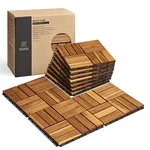
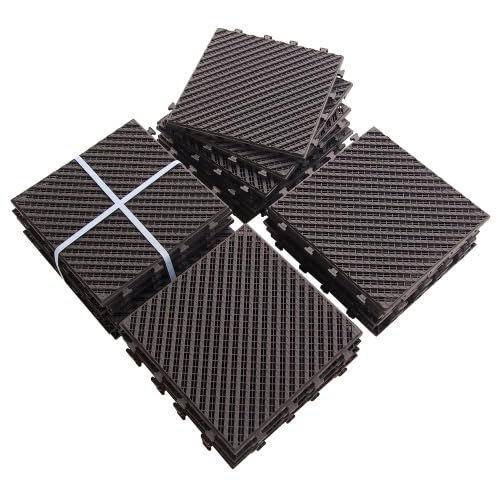
So, what exactly are these IKEA outdoor decking tiles? Think of them as modular squares. You buy them in packs. Each tile usually has a base and a top surface. The base often has a grid pattern. This grid helps with drainage. It also has little connectors. These connectors let you click tiles together. It’s a bit like putting together a puzzle.

The top surface is what you see and walk on. IKEA offers different materials and looks for this top part. You might find wood-like finishes. Some look like natural stone. Others have a more modern, simple design. The goal is to give your outdoor area a finished, attractive look. It’s a way to cover up old concrete or worn-out surfaces.

Why do people choose them? Cost is a big one. Compared to traditional wood decks or expensive pavers, IKEA tiles are often much cheaper. Another huge draw is the ease of installation. You don’t usually need special tools or skills. This makes them perfect for DIY projects. You can transform a small balcony or a patio area quickly.

Understanding IKEA Outdoor Decking Tiles

Interested in more about Wood Decking? Here's an article you might find helpful. New Tech Composite Decking: Is It Worth The Investment?

The Appeal of Wood-Look Decking

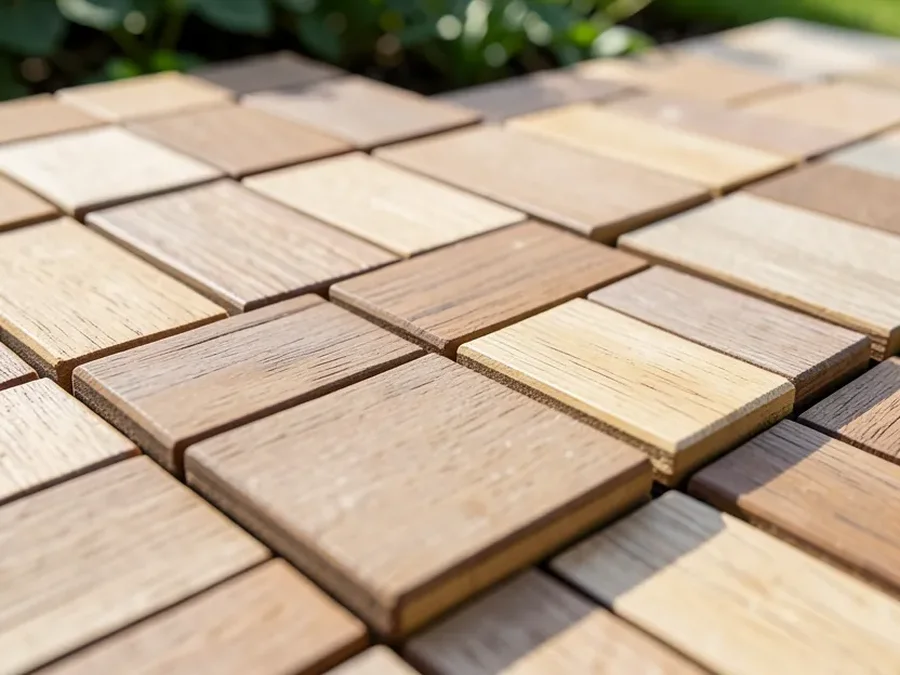
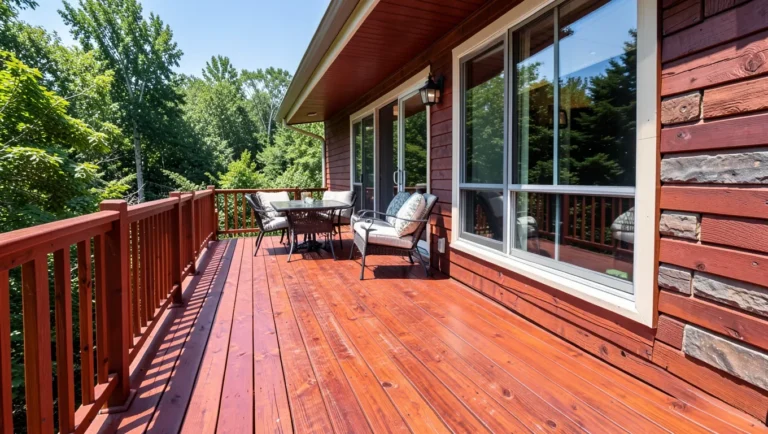
Many people love the look of wood for their outdoor spaces. Wood gives a warm, natural feel. It makes a patio feel more like an extension of your living room. IKEA offers decking tiles that mimic this wood look. They use materials like plastic or treated wood composites. These are often designed to resemble common deck woods like pine or cedar.

The benefit of these wood-look tiles is that they try to give you the style without all the upkeep. Real wood needs regular sealing and staining. It can also rot or get bug damage. Wood-look tiles made from plastic or composite materials are usually more resistant to these problems. They don’t need as much care. You can often just sweep them or wash them with water.

When you’re looking at these tiles, check the details. Some might be made of solid plastic. Others might have a real wood veneer on top of a plastic base. The solid plastic ones tend to be more durable. The ones with a wood veneer might look more authentic. But the veneer could wear down over time. Always check the product description to know exactly what you’re buying.

Durability and Weather Resistance

This is a big question for anyone thinking about outdoor items. How well do these tiles stand up to sun, rain, and changing temperatures? IKEA decking tiles are generally made to be weather-resistant. However, their exact durability depends on the materials used. Plastic tiles are typically very good at handling moisture. They won’t rot like real wood. They also resist mildew.

The sun is another factor. Strong, direct sunlight for long periods can affect some materials. Plastics can fade over time. Some wood-look finishes might also lose their color. You’ll want to consider how much sun your patio gets. If it’s in direct sun all day, you might notice fading sooner.

Temperature changes can also play a role. Extreme heat can sometimes cause materials to expand. Cold weather might make them more brittle. However, most IKEA decking tiles are designed for outdoor use in temperate climates. They should be able to handle normal seasonal shifts. Just keep in mind that they aren’t usually built for extreme conditions like deserts or areas with heavy snow.

Looking for more insights on Wood Decking? You may find this post valuable. Must-Have Deck Accessories To Upgrade Your Outdoor Space

Installation: A DIY Dream?

The biggest selling point for many IKEA decking tiles is their easy installation. This is where the “click-together” system shines. You start with a clean, flat surface. This could be concrete, a stable patio, or even an existing hard surface. You lay out your first tile. Then, you simply line up the next tile next to it. The connectors on the sides lock them together.

You work your way across the area. You can cut tiles if you need to fit edges or corners. A strong utility knife or a saw designed for plastic can usually do the job. This makes it possible to cover irregular shapes. For most standard rectangular or square areas, it’s mostly just snapping tiles into place.

What makes it so simple? No nails. No screws. No complex framing. You don’t need to be a carpenter. You don’t need a lot of power tools. This saves time and money. It also means you can often complete a small to medium-sized project in a single weekend. This DIY friendliness is a major factor for many homeowners.

Quick Look: IKEA Decking Tile Types

Style: Wood-look, Stone-look, Simple Patterns

Material: Plastic, Composite, Treated Wood

Base: Often a plastic grid for drainage

Connection: Click-together system

Use: Patios, balconies, pathways

Real-World Scenarios: Where Do They Work Best?

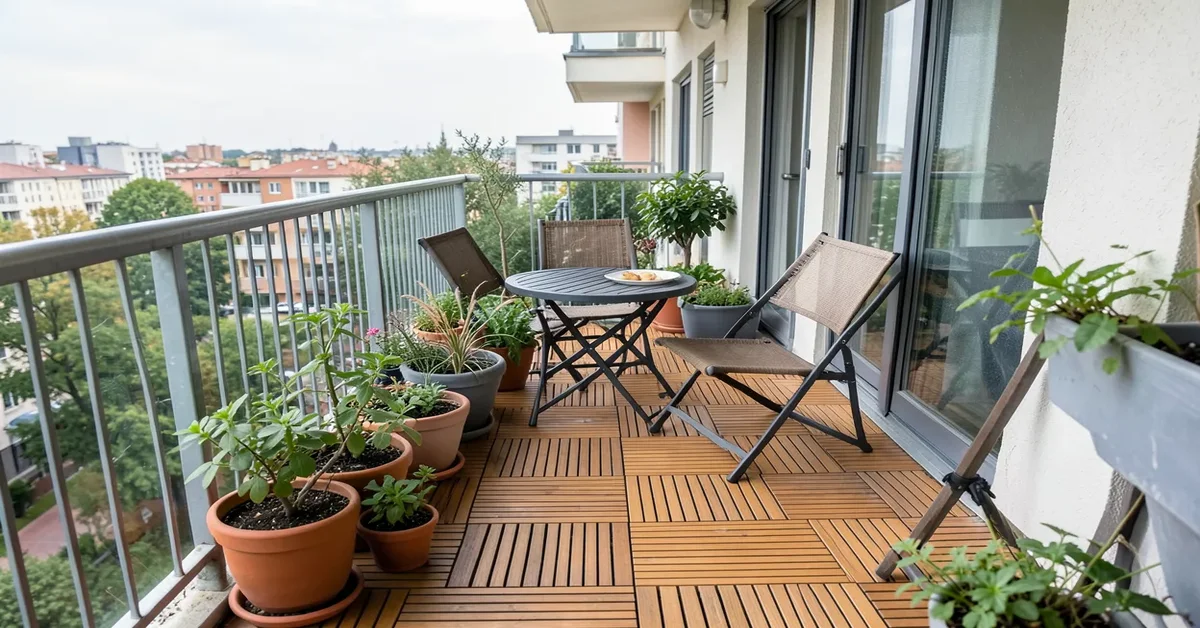
Let’s talk about where these tiles truly shine. Small balconies are a perfect example. Often, balconies have old concrete or an unattractive surface. Adding IKEA decking tiles can make a huge difference. It creates a cozy outdoor seating area. It’s much nicer than looking at plain grey concrete.

Patios are another common spot. If you have a small patio, maybe for a grill and a couple of chairs, these tiles are ideal. They cover the surface quickly. They give a more finished look. They can also help define the space. For instance, you could use them to create a clean border around your patio area.

What about pathways? If you have a garden and want a simple path, decking tiles can work. You’d want to make sure the ground is level and firm. They offer a clean line through the garden. They provide a dry place to walk, even after rain.

However, there are limits. Large, high-traffic areas might not be the best fit. Think about a big backyard party space. The constant moving and potential for heavy furniture might put too much strain on the click-together system. Also, areas that get very heavy use, like a commercial outdoor cafe, would likely need something more robust.

Looking to expand your knowledge on Wood Decking? You’ll find this post helpful. Redwood Deck Lumber Prices: What To Expect This Year

When It’s Normal vs. When to Worry

It’s important to know what to expect. So, when is the performance of your IKEA decking tiles perfectly normal? It’s normal if they look good for a few years with simple care. If they provide a dry, pleasant surface for your outdoor activities, that’s a success. Normal is also seeing a little bit of color fade over many years of strong sun.

When should you start to worry? If tiles start to crack or break easily, that’s a sign something is wrong. This could happen if they are exposed to extreme cold and become brittle. It might also happen if they are subjected to too much weight. If the connectors start to break, making it hard to keep tiles together, that’s also a concern.

Are you seeing significant warping or lifting of the tiles? That’s not ideal. This could be due to poor installation on an unstable surface. It could also be a sign of water getting trapped underneath. If mold or mildew starts to grow on the surface and won’t wash off, that’s another flag. Regular cleaning should prevent this.

Quick Tips for Getting the Most Out of Them

Want to make your IKEA decking tiles last and look their best? Here are some simple tips.
Start with a good base: Make sure the ground underneath is level and firm. This is key to preventing shifting and warping. A layer of gravel can help with drainage under concrete.
Clean them regularly: A quick sweep with a broom removes dirt and debris. Periodically, wash them with mild soap and water. Use a soft brush if needed.
Watch for standing water: The grid base helps, but if water pools on top, it can encourage mold. Ensure good drainage around the edges.
Consider shade: If possible, plant trees or use a shade sail to reduce direct sun exposure. This helps prevent fading.
Protect in winter: In colder climates, you might consider storing the tiles indoors. If you leave them out, be aware they can become more brittle in the cold.
Avoid harsh chemicals: Stick to mild soap. Strong cleaners can damage the finish or material.

Looking for more insights on Wood Decking? You may find this post valuable. Small Decking Garden Ideas That Make A Big Visual Impact

Common Questions About IKEA Decking Tiles

Are IKEA outdoor decking tiles good for large areas?

For smaller areas like balconies or patios, they are great. For very large yards, they might not be the most cost-effective or durable solution. You would need many packs, and the click-together system might not hold up to constant heavy foot traffic over a huge space.

Can I install IKEA decking tiles on uneven ground?

No, it’s really important to install them on a flat and stable surface. Uneven ground can cause tiles to shift, lift, or break. You might need to level the ground or add a sub-base before you start.

Good preparation is key to success.

How do I clean IKEA decking tiles?

Cleaning is usually simple. Sweep them regularly to remove leaves and dirt. Wash them with mild soap and water.

A soft brush can help with tougher spots. Always rinse them well after cleaning.

Will the color fade in the sun?

Yes, like most outdoor materials exposed to sunlight, the color can fade over time. The rate of fading depends on the specific material and how much direct sun the tiles get. Some materials are more UV resistant than others.

Can I put heavy furniture on them?

You can place standard outdoor furniture on them. However, extremely heavy items or furniture with very small, sharp legs could potentially damage the tiles or the click-together system over time. It’s best to distribute weight evenly.

Are they slippery when wet?

Most IKEA decking tiles have a textured surface designed to provide some grip. However, like any hard outdoor surface, they can become slippery when wet. Exercise caution when walking on them after rain or washing.

Non-slip mats can be useful in certain spots.

Style and Versatility for Your Home

One of the most exciting parts of choosing outdoor decking tiles is the variety of styles. IKEA offers options that can match different home aesthetics. The wood-look tiles are very popular. They come in shades that resemble natural wood, from light oak to darker walnut tones. This can make a bland patio feel like a cozy wooden deck without the cost or effort of real wood.

Beyond wood looks, you can find tiles that mimic stone. These often have subtle variations in color and texture, giving a sophisticated feel. There are also simpler, modern designs. These might be plain colors or have geometric patterns. This versatility means you can use them to create a look that fits your personal taste and your home’s architecture.

You can also mix and match. Some people use a border of one style and the main area with another. This can add visual interest. For example, a dark wood-look border around a lighter stone-look center. Or use simple tiles for a functional area and more decorative ones for a seating zone. The modular nature makes this kind of creativity possible.

Interested in understanding Wood Decking in more detail? This article can guide you. Small Curved Decking Ideas That Transform Any Outdoor Space

Understanding Material Differences

When you look at IKEA’s range, you’ll see different materials. This impacts appearance, durability, and price.

Material Contrast: What to Expect

Plastic Tiles:

  • Pros: Very weather-resistant, won’t rot, easy to clean, often more affordable.
  • Cons: Can fade over time in sun, might feel less premium than wood.
  • Best For: High moisture areas, low-maintenance desires.

Wood Composite Tiles:

  • Pros: More durable than some plastics, can offer a more realistic wood feel.
  • Cons: Can be more expensive, might still require some cleaning to prevent mold.
  • Best For: Those wanting a more authentic wood look with added durability.

Natural Wood Top Tiles (with plastic base):

  • Pros: Most authentic wood look and feel.
  • Cons: Require more maintenance, wood can still age, weather, or splinter.
  • Best For: Those prioritizing aesthetics and willing to do more upkeep.

Knowing the material helps you set expectations. A solid plastic tile will likely last longer in tough weather than a composite with a thin wood veneer. Always read the product label at IKEA to understand exactly what you are getting. This helps you choose the right tile for your specific needs and location.

The Role of Drainage and Airflow

Good drainage is incredibly important for any outdoor flooring. IKEA decking tiles are designed with this in mind. The plastic bases usually have a grid or raised pattern. This creates space between the tiles and the surface underneath. This space allows water to drain away. It prevents water from sitting and pooling.

Why is this so important? Standing water can lead to several problems. It can encourage the growth of mold and mildew. This looks unsightly and can be slippery. In colder climates, standing water can freeze and expand. This can damage the tiles or the surface beneath them. Good airflow also helps the tiles dry out faster after rain.

When you install them, ensure there’s a slight slope away from your house. This helps water run off the patio or balcony. Even a small slope, about 1/4 inch per foot, makes a big difference. Also, make sure there are no obstructions under the tiles that would block water flow. Keeping the edges clear of debris also helps.

Comparing to Other Outdoor Flooring Options

How do IKEA decking tiles stack up against other choices? Let’s look at a few.
Traditional Wood Decking: Real wood decks offer a classic, premium look. However, they are expensive to install. They require significant ongoing maintenance like staining and sealing. Wood can also rot, warp, and be damaged by insects. IKEA tiles are far cheaper and require much less upkeep.
Pavers or Concrete: Poured concrete can be a good base, but it’s often plain. Pavers offer a lot of style options. They are very durable. However, installing pavers correctly can be labor-intensive and expensive. It often involves digging, gravel, sand, and careful laying. IKEA tiles are much quicker and easier to install for a similar aesthetic effect on a smaller scale.
Composite Decking Boards: These are similar to some IKEA tiles but come in longer planks. They are very durable and low-maintenance. However, composite decking is usually a more involved installation. It requires joists and a frame. IKEA tiles are a simpler, more modular solution.

IKEA decking tiles often hit a sweet spot. They offer a significant aesthetic upgrade for a lower cost and much easier installation than many alternatives. Their main trade-off is often long-term extreme durability and the premium feel of natural materials.

Environmental Considerations

When choosing any home improvement product, it’s good to think about the environment. IKEA often focuses on sustainability. Many of their plastic decking tiles are made from recycled materials. This is a big plus. It means less new plastic is being produced. It also helps reduce waste.

When you’re looking at the product information, check for details about recycled content. IKEA’s website usually provides this. If you are choosing wood composite options, look for sustainably sourced wood. Certifications like FSC (Forest Stewardship Council) are good indicators.

Another environmental aspect is longevity. A product that lasts a long time means you won’t have to replace it as often. This reduces manufacturing and transportation impacts over the years. While IKEA tiles might not last as long as concrete or high-end composite decking, they can offer a reasonable lifespan for their cost and ease of use.

Maintenance: Keeping Them Looking Fresh

Maintaining your IKEA decking tiles is generally straightforward. It’s one of their main advantages. Here’s a breakdown of what’s typically involved.

First, regular sweeping is your best friend. Get rid of leaves, dirt, and any debris that lands on the tiles. This prevents staining and keeps the surface looking clean. If you have trees nearby, you might need to sweep more often, especially in the fall.

For deeper cleaning, a simple wash with a hose and a mild soap solution is usually enough. Use a soft-bristled brush or a scrub brush for any stubborn spots. Make sure to rinse the tiles thoroughly afterward to remove all soap residue. This prevents soap scum from building up.

Avoid using harsh chemicals or abrasive cleaners. These can damage the finish or the material itself. Things like bleach or strong degreasers are usually not recommended. Always check the specific cleaning instructions for the tiles you purchased.

If you notice any green algae or mildew growth, especially in damp, shaded areas, you might need a slightly stronger cleaner. Look for an outdoor-specific cleaner designed for patios or decking. Always test any new cleaner in an inconspicuous spot first.

What This Means for Your Home Transformation

So, what’s the takeaway? IKEA outdoor decking tiles offer a fantastic opportunity to transform your outdoor living space without breaking the bank or hiring professionals. They provide an accessible entry point into DIY home improvement for your patio or balcony.

They are a great choice if you have a modest budget. They are also perfect if you want a quick weekend project. The easy click-together system makes installation a breeze. You can achieve a noticeable visual upgrade very quickly.

However, it’s important to be realistic about their limitations. They might not offer the same longevity or robustness as more expensive, professionally installed options. If you live in an area with extreme weather or have very high foot traffic, you might want to consider if they are the best long-term solution.

Think of them as a stylish, functional, and affordable way to refresh an existing outdoor area. They can cover up an old, unappealing surface and create a more inviting space for relaxing, entertaining, or simply enjoying the outdoors.

DIY Installation: A Step-by-Step Thought Process

Let’s walk through what the installation process might actually feel like.

1. Planning: First, measure your space. Decide how many packs of tiles you’ll need. IKEA usually has calculators or guidelines for this. Think about the pattern you want. Do you want a simple grid? Maybe a staggered look?
2. Site Prep: This is crucial. Clear the area. Sweep it well. If it’s concrete, make sure it’s not cracked badly. If it’s dirt or grass, you’ll need to prepare it first. This might involve leveling the ground and adding a layer of gravel for drainage. A well-prepared base is non-negotiable for good results.
3. Laying the First Tile: Start in a corner or along a straight edge. Place your first tile down. Make sure it sits flat.
4. Adding Subsequent Tiles: Take your next tile. Line up its connectors with the first tile. Push them together until they click securely. You might need to use a rubber mallet gently to ensure a tight fit.
5. Working Across the Area: Continue this process, tile by tile. Work your way across your patio or balcony.
6. Cutting Tiles: When you get to edges or obstacles, you’ll need to cut tiles. Use a sharp utility knife or a fine-toothed saw. Measure carefully before you cut. It’s often easier to cut from the underside.
7. Finishing Edges: IKEA often sells edge pieces or trim. These can give your deck a clean, finished look. They also help prevent tripping hazards. Snap these into place along the outer edges.
8. Final Check: Walk around the entire area. Make sure all tiles are securely clicked together. Press down on any that feel loose.

It’s a straightforward process. The biggest challenge is usually the prep work. Getting the base right makes all the difference.

When to Seek Professional Advice

While IKEA decking tiles are designed for DIY installation, there are times when you might want to consult a professional.
Large or Complex Areas: If you have a very large patio, a multi-level deck, or a very unusually shaped outdoor space, a pro can help with planning and execution.
Substandard Base Surfaces: If your existing concrete is badly cracked or your ground is very uneven, a contractor can ensure proper leveling and stabilization.
Drainage Issues: If your outdoor area has persistent drainage problems, a landscaping or hardscaping professional can offer solutions beyond just tile placement.
Desire for a Long-Term, High-End Solution: If you’re looking for a deck that will last for decades and can withstand extreme use, you might be better served by traditional wood or high-end composite decking installed by experts.
Building Codes and Regulations: For certain installations, especially on balconies or decks attached to a building, there might be local building codes or homeowner association rules. A professional will be aware of these.

For most standard patio or balcony updates, though, the DIY route with IKEA tiles is very achievable.

The IKEA Experience: What to Expect in Store and Online

Shopping for IKEA decking tiles is pretty typical for the IKEA experience. You can usually see the tiles displayed in the store. This allows you to touch them, see the colors up close, and get a feel for the material. The packaging is often bulky, so consider your vehicle if you plan to transport them yourself.

Online, you’ll find detailed product descriptions. These will list dimensions, materials, and the number of tiles per pack. You can also read customer reviews, which can offer real-world insights. IKEA’s website is generally user-friendly for browsing and purchasing.

Delivery options are available, which can be a lifesaver if you’re buying a lot of tiles. Keep in mind that delivery fees apply. Planning your purchase, whether online or in-store, is key to a smooth project.

The IKEA Experience

Final Thoughts on Elevating Your Outdoor Space

Ultimately, IKEA outdoor decking tiles offer a compelling combination of style, affordability, and ease of use. They are a fantastic option for homeowners looking to refresh their patios, balconies, or garden paths without a major renovation.

While they might not be the most durable solution for extreme conditions, they provide a significant aesthetic upgrade for everyday living. With proper installation and basic care, they can add beauty and function to your outdoor space for years to come. Consider them a smart, accessible way to enjoy your home’s exterior more.

Similar Posts