How to Get Smoke Smell Out of Wood Furniture (Surface vs Deep Fix)
Cigarette smoke smell in wood furniture comes from two different problems, and they need two different fixes. Tar and nicotine film sits on top of the finish and wipes off. Odor that has soaked into an old finish or into raw wood, like drawer interiors and backs, does not wipe off, and scrubbing harder only wears the finish. This guide shows how to tell which problem you have, how to clean the surface safely, and how to seal what cleaning cannot reach.
This post contains affiliate links. As an Amazon Associate we earn from qualifying purchases at no extra cost to you.
Quick Answer
Wipe the piece with a damp cloth and mild cleaner to remove the tar film, then let it air out. If the smell comes back within a day or two, it is in the finish or the raw wood, and the fix is to seal it with a shellac-based odor-blocking primer, not more cleaning. Do not use an ozone generator in a room people or pets will occupy.
Why Cigarette Smell Sticks to Wood Furniture
Best Smoke Odor Sealer Pick
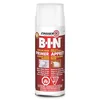 |
Zinsser B-I-N Shellac-Base Primer-Sealer, White (13 oz spray) A de-waxed, shellac-based primer sold to seal smoke, fire and tobacco odors, in a spray can that suits drawer interiors, backs and small pieces.
|
Burning tobacco releases nicotine as a vapor, and Berkeley Lab researchers report that it adsorbs strongly onto indoor surfaces, including furniture, and can stay there for days, weeks and even months. That residue is why a piece can smell like smoke long after the last cigarette.
On wood furniture the smell lives in three places, and each needs a different treatment:
- On the finish: a sticky yellow-brown tar and nicotine film. This is the easy one.
- In the finish: odor absorbed into aged varnish, lacquer or wax, which cleaning cannot reach.
- In raw wood: drawer interiors, back panels, undersides and shelf edges are usually unfinished, so the open grain absorbs smoke like a sponge.
A common mistake is treating the air instead of the wood. A bowl of vinegar, a tray of charcoal or an open window can lower the smell in a room, but none of them removes film from the furniture or odor from inside it. They are useful as a finishing step, not as the fix.
Diagnose First: Film, Finish, or Raw Wood
Spend ten minutes on these checks before buying anything. They tell you which row of the table below you are in. These are practical checks, not lab tests.
- White-cloth wipe: wipe a hidden spot with a clean white cloth dampened with water. A yellow-brown tint on the cloth means surface film.
- Closed-drawer sniff: shut every drawer and door for 24 hours, then open one and smell the inside. Then smell the top surface. If the inside is much stronger, raw wood is holding the odor.
- Warm-up check: after cleaning, put the piece in a sunny spot or near a heater for an hour. If the smell returns when it warms, odor is coming out of the finish or the wood.
| Where the odor is | Clue | What works | What does not |
|---|---|---|---|
| On the finish | Cloth turns yellow-brown; surface feels tacky | Damp-cloth wipe with mild cleaner, then air out | Sealing over dirty film |
| In the finish | Surface wipes clean, smell returns when warm | Scuff, then seal with shellac-based primer | Repeated wiping, air fresheners |
| In raw wood | Drawer interiors and backs smell strongest | Light sanding, then 2 coats of shellac-based primer | Wet cleaning (raises grain, traps moisture) |
Step 1: Clean the Surface Film Safely
Start with the gentlest option. Mix a mild solution (a few drops of dish soap in warm water, or equal parts white vinegar and water), wring the cloth until it is barely damp, and wipe with the grain. Dry right away with a second cloth. Wood should never be wet or left with standing liquid. Test a hidden spot first, since any cleaner can dull an old shellac or wax finish. For product choice, see our guide on cleaning oak furniture and the oil soap versus dedicated wood cleaner comparison.
Safety notes before you pick a stronger cleaner:
- Never mix bleach with vinegar or ammonia. The CDC warns that bleach combined with an acid or with ammonia releases toxic gas. Do not add bleach to any smoke cleaning routine; see the CDC bleach safety guidance.
- TSP (trisodium phosphate) is a strong alkaline cleaner. Its safety data sheets warn of skin and eye burns and irritation from dust, so wear chemical-resistant gloves, goggles and long sleeves, and follow the label. See the Savogran TSP safety data sheet. On finished furniture, vinegar or dish soap is the safer first move, and TSP is better kept for bare or stripped wood.
- Ventilate and glove up. Open windows and wear nitrile gloves, because nicotine residue on surfaces is what you are wiping off.
After cleaning, let the piece dry and air out with windows open for a full day before judging the smell. If you want something to absorb leftover odor, set an open dish of baking soda or activated charcoal inside the closed cabinet or drawer area for a few days. That helps with light lingering smell, but it will not touch odor locked in the finish or raw wood.
Step 2: Seal Odor That Cleaning Cannot Reach
If the smell survives cleaning, the usual professional answer is a stain-blocking primer built on de-waxed shellac. Zinsser describes its B-I-N shellac-base primer as blocking smoke and nicotine stains and sealing odors from smoke, fire, water damage and tobacco, with a recoat time of about 45 minutes (see the manufacturer page). Shellac dries to a hard film that traps odor rather than masking it.
Know the trade-off before you spray: the standard B-I-N primer is white and opaque. It is a great fit for drawer interiors, back panels, unfinished undersides and any piece you plan to paint. It is the wrong choice for a stained or clear-coated top you want to keep looking like wood, because it will cover the grain. For visible wood surfaces with deep odor, your realistic choices are refinishing, or sealing and then repainting. Our shellac-based primer comparison covers the other options in detail.
- Clean and dry first. Sealing over tar film traps dirt under the primer. Let the piece dry for a full day.
- Scuff the surface. Sand lightly with 220-320 grit to dull any gloss so the primer grips, then remove dust with a tack cloth. Raw wood needs only a light sanding.
- Set up ventilation. Work outdoors or in a garage with the door open. Shellac primers use alcohol solvents, and retailer listings give the B-I-N flash point as 55 F, which means the vapors can ignite near sparks, pilot lights or heaters. Turn off ignition sources and wear an organic-vapor respirator and nitrile gloves.
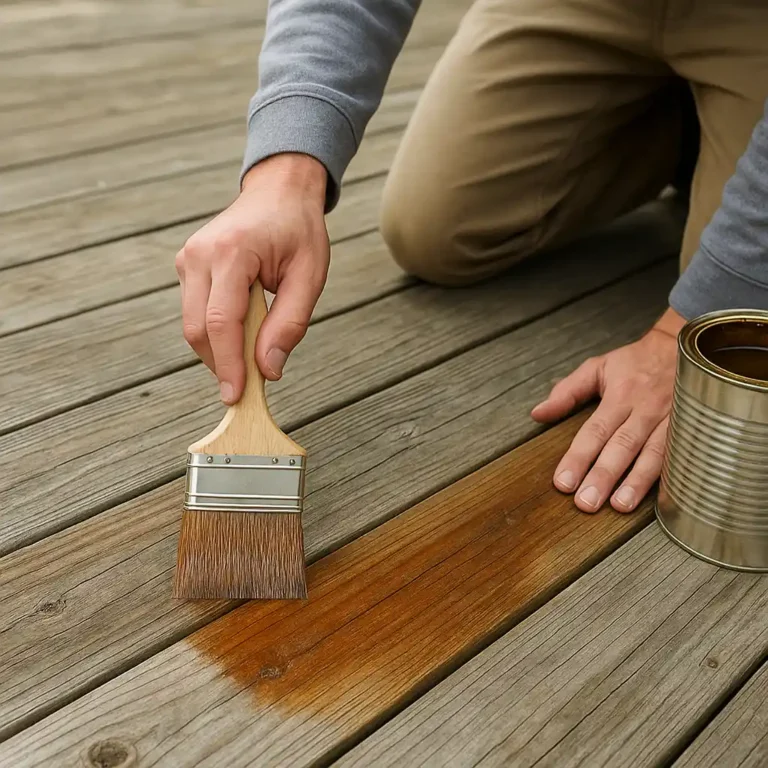
- Apply thin coats. Spray or brush a thin, even coat, giving drawer interiors and backs extra attention.
- Recoat after about 45 minutes for full coverage, then let the piece cure and air out before refilling drawers.
- Topcoat if needed. If you painted the piece, finish with your paint. For a clear finish over the sealed areas, see our guide to the best clear finish for wood.
Do Ozone Generators Work on Smoke Smell?
Many guides recommend running an ozone generator for days. The EPA is much more cautious. It states that ozone can damage the lungs, that no federal agency has approved ozone generators for use in occupied spaces, and that ozone is not effective at removing many odor-causing chemicals (see the EPA guidance on ozone generators). If a professional restorer uses ozone on a job, the space must be empty of people and pets and fully ventilated afterward. For a single piece of furniture, sealing the source is the more reliable route.
Fire Smoke, Burns, and Heavy Cases
Fire and wildfire smoke leave soot as well as odor, so wipe loose soot with a dry cloth first so you do not grind it into the finish. B-I-N is also marketed for sealing fire-related odor, so the sealing steps above apply. A cigarette burn is a different problem: it is physical damage, not odor, and cleaning will not lift it. See how to fix burnt wood for scorch and burn repairs.
If the piece still smells after cleaning and sealing, the remaining option is stripping the old finish down to bare wood, sealing, and refinishing. This is the most work, so save it for furniture that is worth it. A specialist can also help with stubborn odor in wood furniture.
Keep the Smell From Coming Back
Dust and wipe the piece every few weeks with a dry microfiber cloth so residue does not build up, keep it out of rooms where people smoke, and leave drawers slightly open when the room is aired out. Nicotine that lands on surfaces keeps reacting with indoor air, so removing it, not covering it, is what ends the problem.
Frequently Asked Questions
Does cigarette smoke penetrate wood?
Yes. Nicotine vapor adsorbs onto furniture surfaces and can stay for days, weeks or months, and unfinished wood such as drawer interiors and backs absorbs odor easily. Sealed, intact finishes hold less, but older finishes can still absorb smell.
Can cigarette smoke smell be removed from wood furniture?
In most cases, yes. Surface film responds to a damp-cloth wipe with a mild cleaner. Odor in the finish or raw wood usually needs sealing with a shellac-based primer, and the worst cases need refinishing.
How long does cigarette smoke smell last in furniture?
Nicotine residue can persist on surfaces for days, weeks and even months according to Berkeley Lab researchers. Without cleaning or sealing, the smell does not simply fade away on its own.
Does vinegar remove cigarette smell from wood furniture?
A diluted vinegar wipe can clean surface film and reduce smell, but it cannot reach odor absorbed into the finish or raw wood. Never mix vinegar with bleach, because the combination releases toxic gas.
Does Murphy’s Oil Soap remove cigarette smell?
Oil soap cleans grime and may reduce surface smell, but it does not seal odor in. For smell that returns after cleaning, seal the wood instead of repeating the wipe-down.
Conclusion
Clean the surface film first, check whether the smell returns, and if it does, seal the finish or raw wood with a shellac-based primer instead of scrubbing again. Keep bleach away from vinegar, ventilate when spraying shellac, and skip ozone in any space people or pets will use.
Sources: Berkeley Lab on nicotine in thirdhand smoke, EPA on ozone generators, CDC on bleach safety, Savogran TSP safety data sheet, Zinsser B-I-N product page.
Sponsored / affiliate links. As an Amazon Associate I earn from qualifying purchases. I may earn additional commission from eligible campaigns.