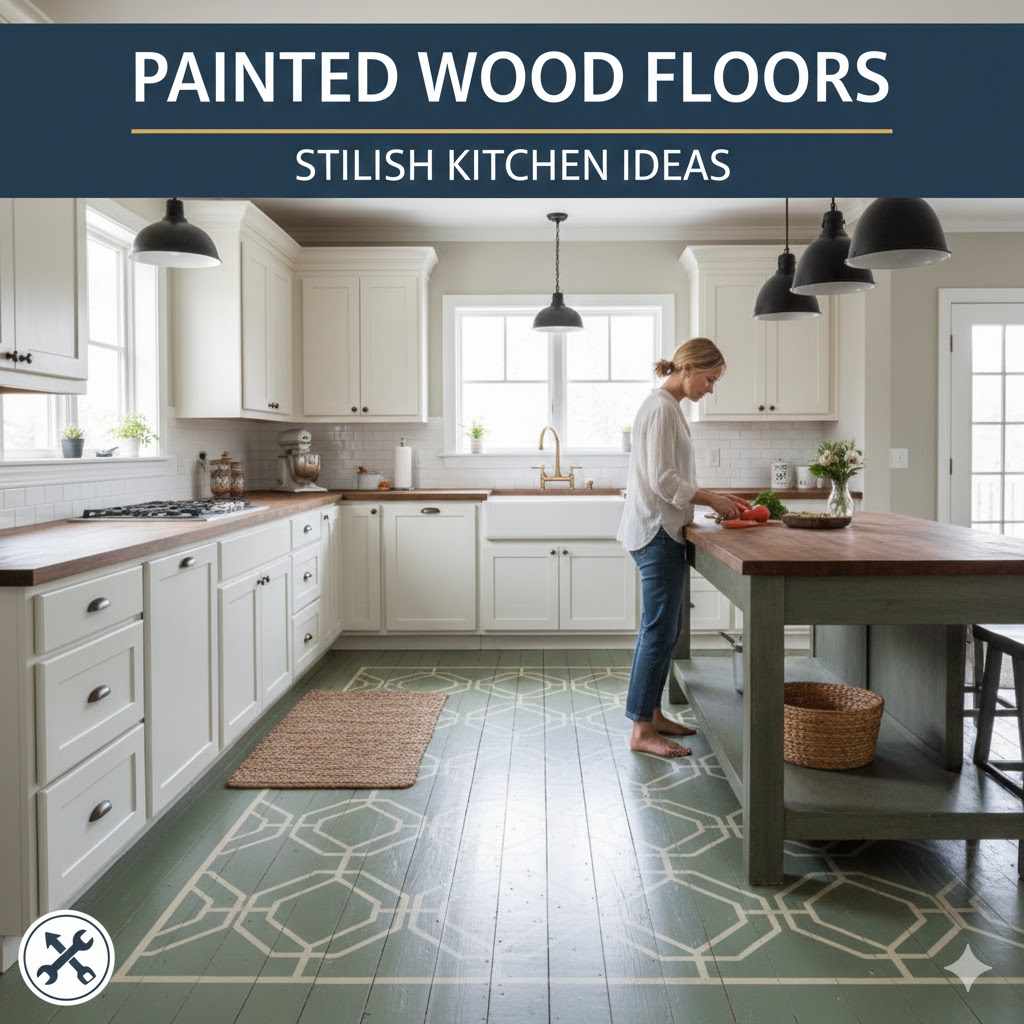
Painted Wood Floors Stylish Kitchen Ideas
Thinking about painting your kitchen wood floors can feel a little tricky, especially if it’s your first time. You might wonder if it’s too much work or if it will look good. But don’t worry, it’s totally doable and can make your kitchen look amazing!
We’ll walk you through everything you need to know to get beautiful Painted Wood Floors in the Kitchen: Stylish Ideas. Get ready for a simple guide that makes transforming your kitchen floor easy.
Stylish Painted Wood Floors for Your Kitchen
Choosing to paint your kitchen wood floors is a fantastic way to update your space without a huge cost. This guide focuses on bringing you the most stylish and practical ideas for painted wood floors in the kitchen. We’ll explore different looks, colors, and finishes that can completely change the feel of your home.
You’ll discover how this simple update can add personality and charm, making your kitchen the heart of your home.

Choosing the Right Paint for Kitchen Floors
Selecting the correct paint is vital for the longevity and look of your painted wood floors. Kitchen floors face a lot of traffic, moisture, and potential spills, so the paint needs to be tough. Using regular wall paint simply won’t cut it.
You need a durable, high-quality floor paint specifically designed for wood surfaces in high-wear areas.
Paint for floors typically contains additives that make it harder and more resistant to scuffing and chipping. Look for terms like “floor enamel,” “porch and floor paint,” or “garage floor coating” on the can. These are formulated to withstand more abuse than standard paints.
Water-based acrylic latex floor paints are a popular choice. They are easier to clean up, dry faster, and have less odor than oil-based options. However, oil-based paints often provide a harder, more durable finish, though they require mineral spirits for cleanup and have stronger fumes.
For a kitchen, a high-quality water-based acrylic enamel specifically made for floors is usually the best balance of durability and ease of use.
Durability and Longevity
The durability of your painted floors depends heavily on the type of paint used and the preparation of the surface. A good quality floor paint, combined with proper application and sealing, can last for many years, even in a busy kitchen environment. Factors like foot traffic, pet claws, and dropped items can all affect how long the paint lasts.
Consider paints with ceramic or epoxy additives. These enhance scratch resistance and overall toughness. A matte or satin finish tends to hide minor imperfections and wear better than a high-gloss finish, which can show every scuff mark.
Satin finishes offer a nice balance of durability and a subtle sheen.
When people choose to paint their kitchen floors, they often find that durability is their top concern. It’s not just about how it looks when it’s new, but how it holds up over time. A well-maintained painted floor can look great for years.
Paint Types and Finishes
There are several types of paint suitable for wood floors, each with its pros and cons. The most common are latex-based floor enamels, oil-based floor paints, and epoxy floor coatings. Latex enamels are easy to work with, dry quickly, and clean up with water.
Oil-based paints offer a very hard and durable finish, but they take longer to dry and require special solvents for cleanup. Epoxy coatings are extremely tough and resistant to chemicals and abrasion, but they can be more expensive and tricky to apply. For most DIYers tackling Painted Wood Floors in the Kitchen: Stylish Ideas, a high-quality latex floor enamel is the way to go.
Finishes range from matte to high gloss. Matte finishes hide imperfections best and offer a soft look. Satin finishes provide a slight sheen and are more durable than matte.
Semi-gloss and gloss finishes are very durable and easy to clean but will show every scratch and scuff. A satin or semi-gloss finish is often recommended for kitchen floors.
Popular Colors and Design Ideas
The color you choose for your painted wood floors can dramatically influence the overall style of your kitchen. From classic neutrals to bold statements, there’s a color to match every taste and design aesthetic. Think about the existing elements in your kitchen, like cabinet colors, countertop materials, and wall paint, to ensure a cohesive look.
White or light gray painted floors can make a small kitchen feel larger and brighter. They offer a clean, modern, or farmhouse look. Darker colors like charcoal gray, deep navy, or even black can add sophistication and drama, grounding the space.
Consider the amount of natural light your kitchen receives when selecting a color.
Don’t be afraid to experiment with patterns too! Stencils can add intricate designs, checkerboard patterns can create a classic diner feel, or you can even mimic the look of tile with careful painting. These creative touches can make your painted wood floors truly unique.
Classic Neutrals White and Gray
White and gray painted wood floors are incredibly popular for a reason. They are versatile and can complement a wide range of kitchen styles. White floors create a bright, airy, and clean atmosphere, making the kitchen feel more spacious.
They pair beautifully with natural wood cabinets, stainless steel appliances, and colorful decor.
Gray floors offer a sophisticated and modern appeal. Light grays can provide a subtle contrast to white cabinets, while darker grays can add depth and a grounding effect. Gray is also excellent at hiding everyday dirt and dust, which is a big plus in a busy kitchen.
It’s a practical choice that doesn’t sacrifice style.
These neutral colors serve as a fantastic canvas for other design elements in your kitchen. Whether you have bold-colored appliances, patterned backsplash tiles, or vibrant artwork, white or gray floors will allow those features to shine. They offer a timeless look that is unlikely to go out of style.
A study by Houzz found that 41% of homeowners surveyed had white kitchen cabinets, and white kitchens, in general, remained the most popular choice. While this refers to cabinets, the trend extends to flooring as well, as white floors create a harmonious and expansive feel.
For a more dramatic and contemporary look, consider bold colors like black or navy for your painted kitchen floors. Black floors can exude a chic, modern, or even industrial vibe. They create a strong visual impact and can make your cabinets and other kitchen elements pop.
This is a great choice if you want your floor to be a focal point.
Navy blue floors offer a touch of unexpected elegance. They can provide a rich, deep color that feels both cozy and sophisticated. Navy pairs exceptionally well with brass or gold hardware, white subway tiles, and light-colored wood accents.
It’s a way to bring color into your kitchen without being overpowering.
When opting for bold colors, consider the size of your kitchen. In smaller spaces, a very dark floor can sometimes make the room feel smaller, but this can be offset by lighter walls and ample lighting. These colors also tend to show dust and debris more readily, so a satin or semi-gloss finish that is easier to wipe down is advisable.
A well-executed black or navy floor can be a real showstopper. It demonstrates that flooring doesn’t have to be a background element; it can be a key design feature that defines the entire kitchen’s personality. It’s a choice for those who are confident in their design choices and want their kitchen to have a strong, memorable character.
Patterns and Stencils
Taking painted floors a step further involves incorporating patterns or stencils. This allows for a level of customization that is hard to achieve with other flooring types without significant expense. Stencils can mimic intricate tile designs, geometric shapes, or even create a faux rug effect.
A popular pattern is the checkerboard, which can be done in classic black and white, or more modern color combinations like gray and white, or even navy and cream. This creates a timeless, graphic look that works well in both vintage-inspired and modern kitchens.
To stencil your floors, you’ll need a stencil, painter’s tape, and your chosen paint colors. The key to success is precise application and allowing adequate drying time between coats and stencils. This method allows you to achieve a high-end designer look at a fraction of the cost.
It’s a great way to add personality and a unique touch to your Painted Wood Floors in the Kitchen: Stylish Ideas.
Preparing Your Wood Floors for Painting
Proper preparation is the most critical step for ensuring your painted wood floors look great and last a long time. Skipping steps here will likely lead to peeling paint, scuffs, and a finish that doesn’t stand up to kitchen life. This stage involves cleaning, repairing, and priming the floor.
First, you need to clear the room completely. Remove all furniture, rugs, and anything else that might be in the way. Then, give the floor a thorough cleaning.
Vacuum or sweep up all loose dirt and debris. After that, wash the floors with a degreasing cleaner. Kitchen floors can accumulate grease and grime, so a good scrub is essential.
Inspect the floor for any damage. Fill any holes or cracks with wood filler. Sand down any rough spots or old finishes.
For a truly smooth surface, you might need to sand the entire floor. Once clean and repaired, you’re ready to prime.
Cleaning and Degreasing
Before you can paint, your wood floors need to be impeccably clean. This means more than just a quick sweep. Kitchen floors often have grease, food stains, and general grime that can prevent paint from adhering properly.
Start by vacuuming thoroughly to remove all dust and debris.
Next, use a strong degreasing cleaner. You can buy specialized floor degreasers or use a solution of warm water and a good dish soap known for its grease-cutting power. You might need to use a scrub brush to work the cleaner into the wood and lift stubborn grime.
Rinse the floor thoroughly with clean water afterward. It’s important to remove all soap residue, as this can also affect paint adhesion.
Allow the floors to dry completely. Any moisture left in the wood can cause issues with the paint. You can speed up the drying process by using fans or opening windows.
A clean, dry surface is the foundation for a successful paint job.
A common mistake beginners make is not cleaning enough. They might think a quick mop is sufficient, but grease and dirt are invisible enemies of paint. Taking the time to degrease thoroughly ensures the paint has a clean surface to bond with, leading to a more durable finish.
Sanding and Repairs
Sanding is crucial for creating a smooth surface that paint can adhere to. If your floors have an existing finish, like polyurethane or varnish, you’ll need to sand it down. This process creates “tooth” for the primer and paint to grip onto.
You can do this with a floor sander, which can be rented from most hardware stores, or by hand for smaller areas.
Start with a medium-grit sandpaper (around 80-100 grit) and follow with a finer grit (around 120-150 grit) for a smoother finish. After sanding, vacuum all the dust meticulously. Then, wipe the floors with a tack cloth or a damp (not wet) microfiber cloth to pick up any remaining fine dust particles.
If there are any gouges, cracks, or nail holes, now is the time to repair them. Use a wood filler that matches the color of your wood or is stainable/paintable. Apply the filler, let it dry according to the product’s instructions, and then sand it smooth.
Addressing these imperfections now will result in a much more professional-looking painted finish.
A well-prepped floor is the secret to a lasting painted finish. Ignoring repairs or skipping sanding is like building a house on a shaky foundation; it’s bound to have problems later on. This preparation is what separates a DIY project that looks good for a few months from one that looks fantastic for years.
Priming for Adhesion and Coverage
Priming your wood floors before painting is non-negotiable. Primer acts as a bridge between the bare wood and your topcoat of paint. It seals the wood, prevents tannins from bleeding through the paint (which can happen with certain wood types, like oak), and provides a uniform surface for the paint to adhere to.
Choose a high-quality primer specifically designed for wood or floors. If you are painting over a dark color or have potential stain bleed issues, a stain-blocking primer is your best bet. Apply the primer evenly, ensuring you get good coverage.
Work in sections to avoid walking over wet primer.
Allow the primer to dry completely according to the manufacturer’s instructions. Most primers require several hours, and some may even recommend a light sanding with fine-grit sandpaper after drying for an ultra-smooth finish. This step significantly improves the paint’s adhesion and the overall durability of your painted floor.
Using a good primer means fewer coats of your top color will be needed. This saves you time and paint. It also ensures that the color you chose will look true and vibrant on your floors.
Think of primer as the essential foundation for your beautiful painted floor.
Applying the Paint and Sealing
Once your floors are prepped and primed, it’s time for the fun part: applying the paint! This stage requires patience and attention to detail to achieve a smooth, even finish. Remember to work in thin, even coats rather than thick, gloppy ones.
This will give you a much more durable and attractive result.
Start with the edges and corners using a good quality paintbrush. For the larger areas, use a roller with an appropriate nap for the type of paint you’re using. Typically, a short-nap roller is best for smooth surfaces.
Work your way out of the room so you don’t end up trapped on a wet floor.
Allow each coat of paint to dry completely before applying the next. This is crucial for durability. Rushing this step is a common mistake that leads to issues down the line.
You’ll likely need at least two coats of your chosen color, possibly three for deep, rich colors or if you want maximum coverage.
After the final coat of paint has dried, it’s time to seal your floors. This is an essential protective layer that will shield your painted floors from wear and tear, spills, and moisture. Don’t skip this step!
Applying Multiple Coats of Paint
Applying the paint itself is a multi-step process. You’ll want to apply thin, even coats. This approach prevents pooling and ensures that the paint dries uniformly.
Too much paint in one area can lead to brush marks, slow drying times, and a finish that chips more easily.
Use a high-quality paintbrush for cutting in edges and a roller with a suitable nap for the main floor area. For most floor paints, a short-nap roller (like mohair or foam) works best for a smooth finish. If your paint is thick, you might need a slightly longer nap roller.
Work in small sections. This helps you maintain a wet edge, meaning you paint into the previously painted, still-wet area. This technique prevents lap marks, which are visible lines where one painted section meets another that has already dried.
As you paint, keep an eye out for any drips or thick spots and smooth them out immediately.
Each coat needs to dry completely before the next is applied. Check the paint can for recommended drying times. This can range from a few hours to overnight.
It might be tempting to speed things up, but patience here pays off significantly in the long run. Two to three coats are usually recommended for best coverage and durability.
The Importance of a Protective Sealer
Once your paint is fully dry, applying a clear protective sealer is absolutely essential. This is the final layer that will safeguard your painted floors from the daily abuse they will endure in a kitchen. Without a sealer, your beautiful paint job is highly susceptible to scratches, scuffs, and stains from spills.
Look for a durable, water-based polyurethane floor sealer. These are available in various sheens, just like paint. A satin or matte finish will help hide minor imperfections and wear, while a glossier finish will be more prone to showing scuffs but might offer a slightly harder surface.
A water-based formula is generally easier to work with and has lower VOCs (volatile organic compounds) than oil-based options.
Apply the sealer in thin, even coats, just like the paint. Allow each coat to dry completely before applying the next. Most floor sealers recommend at least two to three coats for adequate protection.
You may need to reapply sealer every few years, depending on traffic and wear.
This sealer is what makes your painted wood floors practical for a kitchen. It’s the barrier that allows you to enjoy the style and affordability of painted floors without constantly worrying about damaging them. It’s the guardian of your hard work.
Curing Time and Reintroducing Furniture
After applying the final coat of sealer, you’ll need to let the floors cure. Curing is different from drying. While the paint and sealer will feel dry to the touch within hours, it takes days, sometimes weeks, for them to reach their full hardness and durability.
This process is called curing.
During the curing period, be very gentle with your floors. Avoid heavy foot traffic, and definitely do not slide furniture across them. It’s recommended to place felt pads under all furniture legs before returning them to the room.
These pads create a protective layer that prevents scratches and scuffs.
You can typically walk on the floors carefully after 24-48 hours, but avoid wearing shoes with hard soles, especially in the first week. For a full cure, especially for heavy-duty sealers, you might need to wait 7 days or even up to 30 days before resuming normal activity and placing heavy items back.
Always check the product instructions for both your paint and your sealer, as curing times can vary significantly. Respecting the curing time is vital for ensuring the longevity and beauty of your painted wood floors. It’s the final act of patience that protects your investment.
Maintenance and Care for Painted Floors
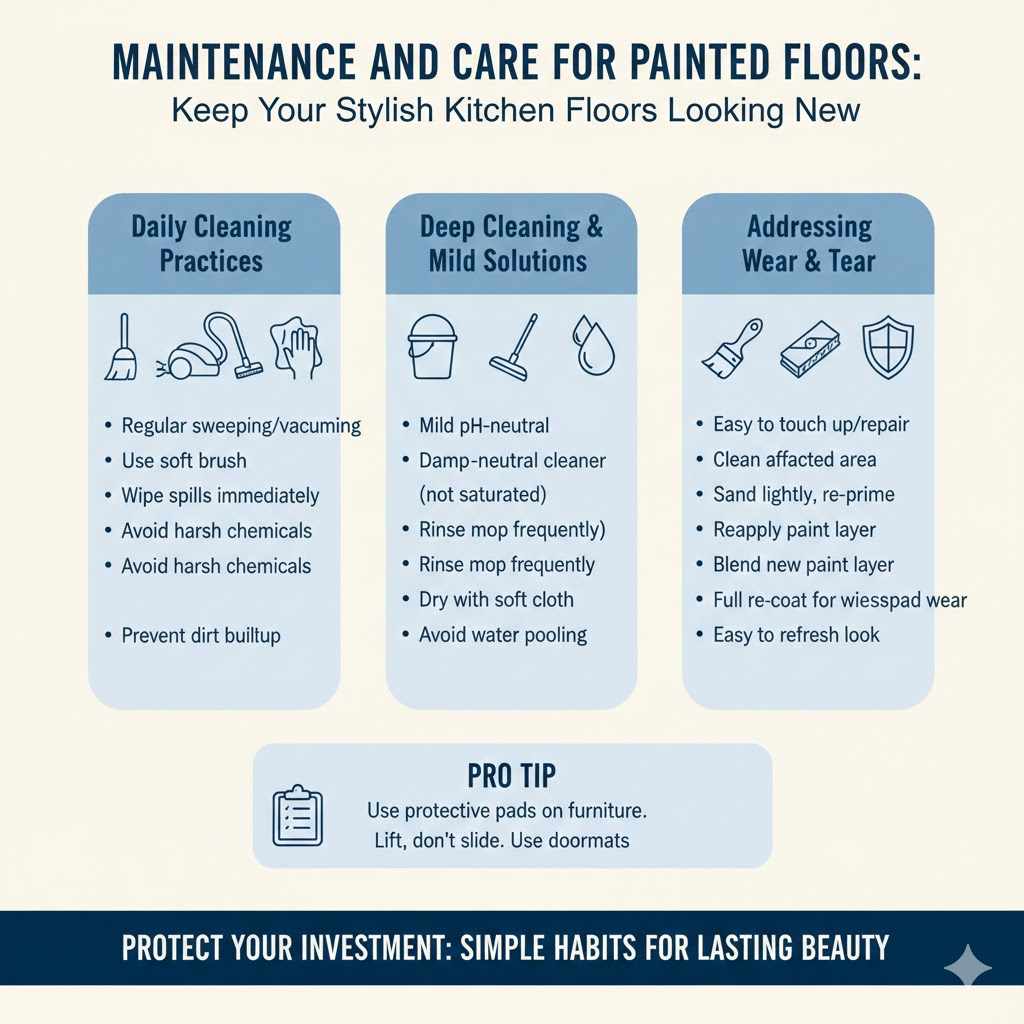
Keeping your painted wood floors looking their best is not difficult, but it does require a slightly different approach than unpainted wood floors. The key is to be gentle and use appropriate cleaning methods to avoid damaging the painted surface or the protective sealer.
Regular sweeping or vacuuming with a soft brush attachment is your first line of defense against dirt and grit, which can act like sandpaper over time. For spills, wipe them up immediately with a soft cloth. Avoid harsh chemicals or abrasive cleaners, as these can strip away the protective sealer or even damage the paint itself.
Occasional deep cleaning will be necessary, but always opt for mild solutions. A damp mop with a pH-neutral cleaner is usually sufficient. The goal is to maintain the beauty of your floors without compromising their durability.
With proper care, your painted floors can remain a stylish feature in your kitchen for years to come.
Daily Cleaning Practices
To keep your painted kitchen floors looking fresh and clean day-to-day, stick to simple routines. Start by sweeping or vacuuming regularly. This removes loose dirt, dust, and crumbs that can scratch the painted surface when walked on.
Use a vacuum cleaner with a soft brush attachment designed for hard floors to avoid any potential for scratching.
Spills are inevitable in a kitchen, so it’s important to address them promptly. Mop up any spills, whether water, juice, or food, as soon as they happen. Use a soft, absorbent cloth or sponge.
Leaving liquids to sit can potentially seep under the painted surface or into any tiny cracks over time, even with a good sealer.
Avoid letting dirt and grit accumulate. These small particles are abrasive and can wear down the paint and sealer over time, leading to dull spots and premature wear. Regular attention to these daily tasks makes a big difference in the long-term appearance and durability of your painted floors.
These simple habits are the foundation of good floor maintenance. They don’t take much time but significantly extend the life and beauty of your painted wood floors, ensuring they continue to be a stylish asset to your kitchen.
Deep Cleaning and Mild Solutions
When it’s time for a more thorough cleaning, always reach for mild solutions. Harsh chemicals can strip away the protective sealer or even etch the paint itself, leading to dullness or discoloration. A good rule of thumb is to use a cleaner that is safe for sealed wood floors.
Mix a small amount of pH-neutral floor cleaner or a mild dish soap with warm water. Dampen a mop (do not saturate it) and wring it out thoroughly so it’s just slightly damp. Mop the floor in sections, rinsing your mop frequently in clean water.
Avoid letting water pool on the floor.
After mopping, you may want to dry the floor with a clean, soft towel or microfiber cloth to ensure no moisture remains. This is especially important in humid environments or if your floors are not perfectly sealed. Following these steps will keep your painted floors clean without risking damage to the finish.
A statistic from the National Wood Flooring Association suggests that proper cleaning and maintenance can extend the life of wood flooring by up to 50%. While this refers to traditional wood floors, the principle of gentle, effective cleaning applies equally to painted wood floors.
Addressing Wear and Tear
Even with the best care, painted wood floors will eventually show signs of wear. The good news is that touching up painted floors is much easier and less expensive than replacing them. If you notice scuffs, chips, or areas where the paint has worn thin, you can easily repair them.
Clean the affected area thoroughly. If it’s a small chip, you can use a small artist’s brush to reapply a thin layer of your original paint color. For more extensive wear, you might need to lightly sand the area, re-prime if necessary, and then repaint.
Make sure to blend the new paint into the surrounding area as smoothly as possible.
If the wear is significant or widespread, you might consider a full re-coat of paint and sealer. This is a much simpler process than the initial painting, as you don’t need to do extensive sanding if the existing paint is sound. This ability to refresh your floors is one of the great advantages of painted wood.
Don’t let minor wear and tear deter you from choosing painted floors. The ease of touch-ups and the ability to refresh the look periodically are significant benefits that make this a practical and stylish choice for any kitchen.
Frequently Asked Questions
Question: Can I paint over any type of wood floor?
Answer: Generally, yes. As long as the wood is structurally sound and can be properly cleaned and prepped, you can paint over most wood floors. Older, worn floors can be given a beautiful new life with paint.
However, very soft woods might need extra consideration for durability. Engineered wood floors with a very thin veneer layer may not be ideal for sanding and painting.
Question: How long will painted kitchen floors last?
Answer: With proper preparation, the right paint and sealer, and regular maintenance, painted wood floors in a kitchen can last for many years, often 5-10 years or more before needing a touch-up or recoat. Durability depends on traffic, cleaning habits, and the quality of materials used.
Question: Do I need to use a primer on wood floors before painting?
Answer: Yes, using a high-quality primer is essential. Primer helps the paint adhere better, prevents wood tannins from bleeding through, and provides a uniform surface for a more even color. It’s a crucial step for a long-lasting finish.
Question: Can I use a regular roller for painting my floors?
Answer: It’s best to use a roller specifically designed for floors or for smooth surfaces. Typically, a short-nap roller, such as mohair or foam, is recommended for a smooth, even finish on wood floors. Avoid rollers with a thick nap, as they can leave an uneven texture.
Question: How often should I seal painted wood floors?
Answer: The protective sealer is the layer that takes the most wear. Depending on traffic and how often the floors are cleaned, you may need to reapply a coat of sealer every 2-4 years to maintain optimal protection and appearance. This is much less work than repainting.
Summary
Painting your wood kitchen floors offers a stylish and affordable way to transform your space. By choosing the right paint and sealer, carefully preparing the surface, and applying multiple thin coats, you can achieve a beautiful and durable finish. Regular, gentle cleaning and prompt attention to wear and tear will ensure your painted floors remain a charming focal point in your kitchen for years to come.
Enjoy your newly updated look!