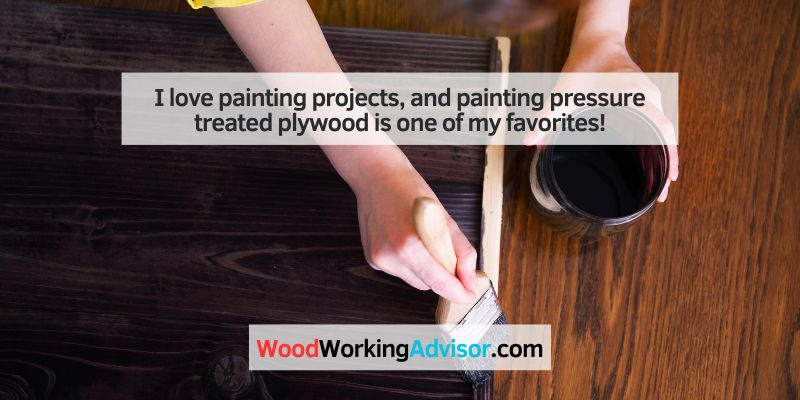
I love painting projects, and painting pressure treated plywood is one of my favorites!
My first try was a backyard sign for my kid’s lemonade stand. It looked amazing, but I learned some tricks the hard way. This guide will teach you how to paint pressure treated plywood easily. I’ll share simple steps, fun tips, and mistakes to avoid. Whether you’re a beginner or a pro, you’ll find clear ideas to make your project shine. Let’s create something awesome together!
What Is Painting Pressure Treated Plywood?
Pressure treated plywood is wood treated with chemicals to resist bugs and rot. It’s great for outdoor projects like signs or furniture. Painting it adds color and protection. But it’s tricky because the wood is often wet from treatment. If you paint too soon, the paint peels. I learned this when my first project flaked after a month!
Why Paint Pressure Treated Plywood?
Painting makes plywood look pretty and last longer. It protects against sun and rain. You can use-bright colors for fun projects. For example, I painted a plywood bench blue for my porch. It still looks great after two years! Painting also hides the green tint of treated wood.
How to Know If Your Plywood Is Ready
Treated plywood is often wet when you buy it. Wet wood doesn’t hold paint well. Here’s a simple test I use:
- Drop water on the wood. If it beads up, the wood is too wet. If it soaks in, it’s ready to paint.
- Wait if needed. Fresh plywood may need 1-3 months to dry. Store it in a dry, airy place.
I once painted wet plywood, and the paint bubbled. Don’t rush this step! For faster drying, try Kiln-Dried-After-Treatment (KDAT) plywood. It’s pricier but ready sooner.
Step-by-Step Guide to Painting Pressure Treated Plywood
Here’s how I paint pressure treated plywood for great results. Follow these steps for a smooth, colorful finish.
Step 1: Gather Your Supplies
You need a few simple tools and materials. I keep it basic to save money.
| Item | Purpose | Recommendation |
|---|---|---|
| Paint | Adds color | Exterior latex or oil-based paint |
| Primer | Helps paint stick | Oil-based primer for treated wood |
| Brush/Roller | Applies paint | 2-inch brush or small foam roller |
| Sandpaper | Smooths wood | 120-grit sandpaper |
| Cleaner | Removes dirt | TSP or oxygen bleach |
Visual Idea: A diagram showing a brush, roller, and paint can setup would help beginners.
Step 2: Clean the Plywood
Dirty plywood ruins paint jobs. I clean with a simple mix: one gallon water, one quart rubbing alcohol, and one quart oxygen bleach. Scrub with a brush, then rinse. Let it dry for a day. This removes mold or dirt. I skipped this once, and my paint didn’t stick well.
Step 3: Sand
Sand the plywood lightly with 120-grit sandpaper. This makes the surface smooth. It helps paint stick better. I sand gently to avoid damaging the wood. Wipe off dust with a damp cloth.
Step 4: Apply Primer
Primer is key for treated plywood. I use an oil-based primer because it seals the chemicals in the wood. Brush or roll it on evenly. Let it dry for 4-6 hours. This step stops peeling later. I forgot primer once, and my paint cracked in a year.
Step 5: Paint Your Plywood
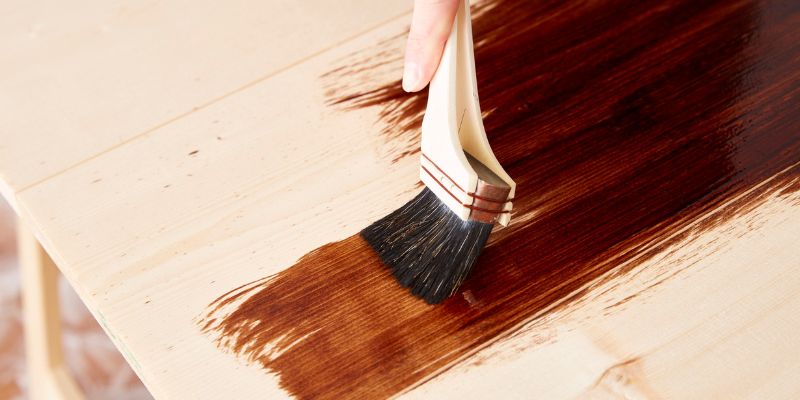
Use exterior latex or oil-based paint. I like latex for easy cleanup. Apply two thin coats with a brush or roller. Wait 2-3 hours between coats. Thick coats drip and look messy. I painted a plywood garden box red, and it’s still vibrant after three summers!
Step 6: Seal (Optional)
A clear sealant adds extra protection. I use a water-based sealer for outdoor projects. It keeps the paint bright longer. Apply it after the paint dries fully (about 24 hours).
Visual Idea: A step-by-step flowchart of cleaning, sanding, priming, and painting would be clear for kids.
Benefits of Painting Pressure Treated Plywood
- Looks great. Bright colors make projects pop.
- Lasts longer. Paint protects against weather damage.
- Hides flaws. Covers the green tint or rough spots.
I painted a plywood shed door white, and it’s held up for years!
Drawbacks to Consider
- Drying time. Wet plywood needs weeks or months to dry.
- Peeling risk. Without primer, paint may not stick.
- Cost. Good paint and primer aren’t cheap.
Staining is an alternative. It soaks into wood better but has fewer color options. I tried staining a fence, but the color faded faster than paint.
My Top Tips for Success
Here are my favorite tricks to make your project easy and awesome:
- Test for dryness. Always do the water drop test before starting.
- Use thin coats. Thick paint drips and looks bad.
- Work in shade. Sun dries paint too fast, causing streaks.
- Clean tools fast. Dried paint is hard to remove.
I learned these after ruining a plywood sign with rushed painting. Take your time!
Common Mistakes to Avoid
- Painting wet wood. It causes peeling. Always test first.
- Skipping primer. Paint won’t stick without it.
- Using indoor paint. It fades fast outdoors.
I once used indoor paint on a plywood table. It looked awful after one winter!
Comparing Paint Types
| Paint Type | Pros | Cons | Cost (1 Gallon) |
|---|---|---|---|
| Latex | Easy to clean, many colors | May peel if not primed | $30-$50 |
| Oil-Based | Very durable, great adhesion | Hard to clean, fumes | $40-$60 |
Caption: Latex is beginner-friendly, but oil-based lasts longer on treated plywood.
Safety Tips for Painting
Painting is fun but needs care. Always work in a well-vented area. Wear gloves to avoid skin contact with chemicals. I keep a tarp under my project to protect grass. Use low-VOC paints to be eco-friendly. I learned this after a messy cleanup in my yard!
Visual Idea: A simple sketch of a safe painting setup (ventilation, tarp, gloves) would help kids understand.
Fun Project Ideas
Try these easy projects to practice painting pressure treated plywood:
- Garden Sign. Paint a colorful sign for your plants.
- Outdoor Bench. Make a bright seat for your yard.
- Birdhouse. Create a fun home for birds.
I made a red birdhouse, and it attracts cardinals every spring!
Cost-Saving Ideas
- Buy in bulk. Gallon cans are cheaper per ounce.
- Use leftovers. Mix old paints for unique colors.
- Shop sales. Hardware stores discount paint often.
I saved $20 buying clearance paint for a shed project!
Comparing Prep Methods
| Method | Time | Effectiveness | Cost |
|---|---|---|---|
| TSP Cleaner | 1 hour | Great for mold | $5-$10 |
| Oxygen Bleach | 1 hour | Eco-friendly, good for stains | $8-$15 |
| Pressure Washer | 30 minutes | Fast, thorough | $50-$100 (rental) |
Caption: Oxygen bleach is safe and works well for most projects.
Conclusion
Painting pressure treated plywood is fun and easy with the right steps. Clean, sand, prime, and paint for a bright, long-lasting finish. Test the wood for dryness to avoid peeling. Use my tips to save time and money. Try a simple project like a garden sign to start. Share your creations with friends or family. Visit Bob Vila for more painting ideas. Have fun and make something colorful today!
Frequently Asked Questions
Can I paint pressure treated plywood right away?
No, you should wait. Fresh plywood is often wet from treatment. Test it with water drops. If they bead up, wait 1-3 months. Store it in a dry place. KDAT plywood can be painted sooner. I waited two months for a shed project, and it worked great.
What’s the best paint for pressure treated plywood?
Exterior latex or oil-based paint works best. Latex is easy to clean and colorful. Oil-based sticks better but smells strong. I used latex on a porch swing, and it’s still bright after two years. Always use primer first.
Do I need to prime pressure treated plywood?
Yes, primer is a must. It helps paint stick and stops peeling. Use oil-based primer for best results. I skipped it once, and my paint flaked in months. Prime evenly and let it dry fully.
Can I stain instead of painting?
Yes, staining is great. It soaks into the wood better than paint. But it has fewer color choices and doesn’t hide flaws. I stained a fence, but the color faded in a year. Painting lasts longer for bright projects.
How do I clean pressure treated plywood?
Use a mix of water, rubbing alcohol, and oxygen bleach. Scrub with a brush, then rinse. Let it dry a day. For tough stains, try TSP cleaner. I cleaned a plywood sign this way, and it looked perfect.
Is painting pressure treated plywood safe?
Yes, if you’re careful. Work in a vented area. Wear gloves and use a tarp to protect grass. Choose low-VOC paints to be eco-friendly. I painted a bench safely by following these steps.
How long does the paint last?
With proper prep, paint can last 5-8 years. Primer and quality paint make it durable. I painted a shed door white, and it’s held up for six years. Reapply sealant every few years for extra protection.