7 Best Woods for Garden Boxes: Rot Resistance & Price (2026)
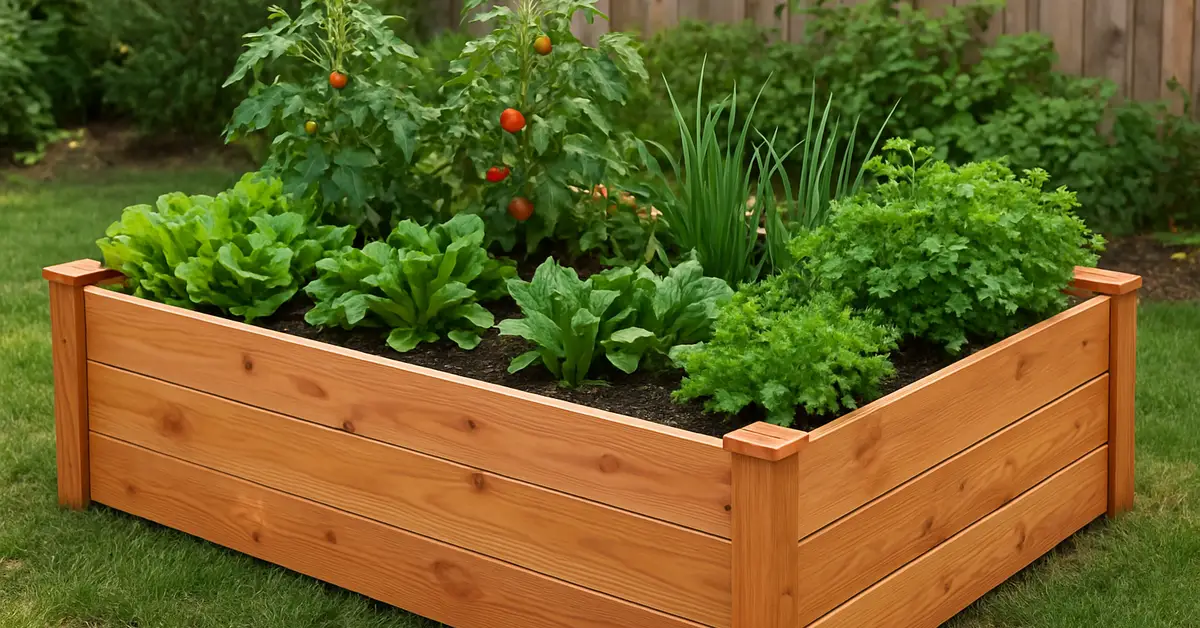
The best wood for garden boxes is western red cedar — it balances rot resistance (10-15 years in soil contact), zero chemical treatment, and a live 2026 price of $1.50-$3.50 per board foot. If longevity matters more than cost, black locust can outlast cedar 2-3x, and modern ACQ-treated pine costs the least — with a food-safety record that’s better than most sites admit.
We compared 7 species primary-sourced from The Wood Database’s decay-resistance ratings, live 2026 lumber pricing from six specialty suppliers, and food-safety research from Oregon State University Extension — normalized into one table nobody else in this space has built.
Wood for Garden Boxes: The Full Comparison
Every numeric cell below is sourced this session — decay class from The Wood Database, pricing from live 2026 supplier data, and the pressure-treated food-safety line from peer-reviewed extension research cited below the table.
| Species | Decay Resistance Class | Typical Garden-Bed Lifespan | Food-Safety Profile | Price / Board Foot (2026) | Verdict |
|---|---|---|---|---|---|
| Western Red Cedar | Durable to Very Durable | 10-15 years | 100% natural, zero chemical treatment | $1.50-$3.50 | #1 Best Overall |
| Black Locust | Very Durable | 25-40+ years | 100% natural, zero chemical treatment | $3.50-$4.50* | Best for Maximum Longevity |
| Coast Redwood (old-growth) | Moderately to Very Durable | 15-25 years | Natural — buy kiln-dried only (see note) | $2.50-$5.00 | Best Premium Pick |
| Bald Cypress (old-growth) | Durable to Very Durable | 15-25 years (old-growth) / 8-12 (young-growth) | 100% natural, zero chemical treatment | $2.00-$6.50 | Best for Humid & Southern Climates |
| Modern ACQ Pressure-Treated Pine | N/A (chemically treated) | 15-20+ years | EPA-compliant, copper-based, no arsenic — see caveat below | $0.90-$1.60 | Best Value (With a Caveat) |
| White Oak | Very Durable | 15-20 years (est. from decay class) | 100% natural, zero chemical treatment | $4.00-$10.00 | Best Hardwood for Structural Strength |
| Douglas Fir | Moderately Durable | 5-8 years untreated | 100% natural, zero chemical treatment | $0.70-$1.20 | Best Lightweight Budget Softwood |
*Black locust standard-grade pricing; select/premium grade runs up to $20/board foot. Redwood: unless a supplier confirms “kiln-dried,” ask — solvent-dried redwood is dried with a chemical solvent that woodworkers report as an irritant, and it’s a distinction most retail listings don’t disclose. See our cedar vs. redwood cost breakdown for a deeper price comparison, and how board-foot pricing is actually calculated if the unit is new to you.
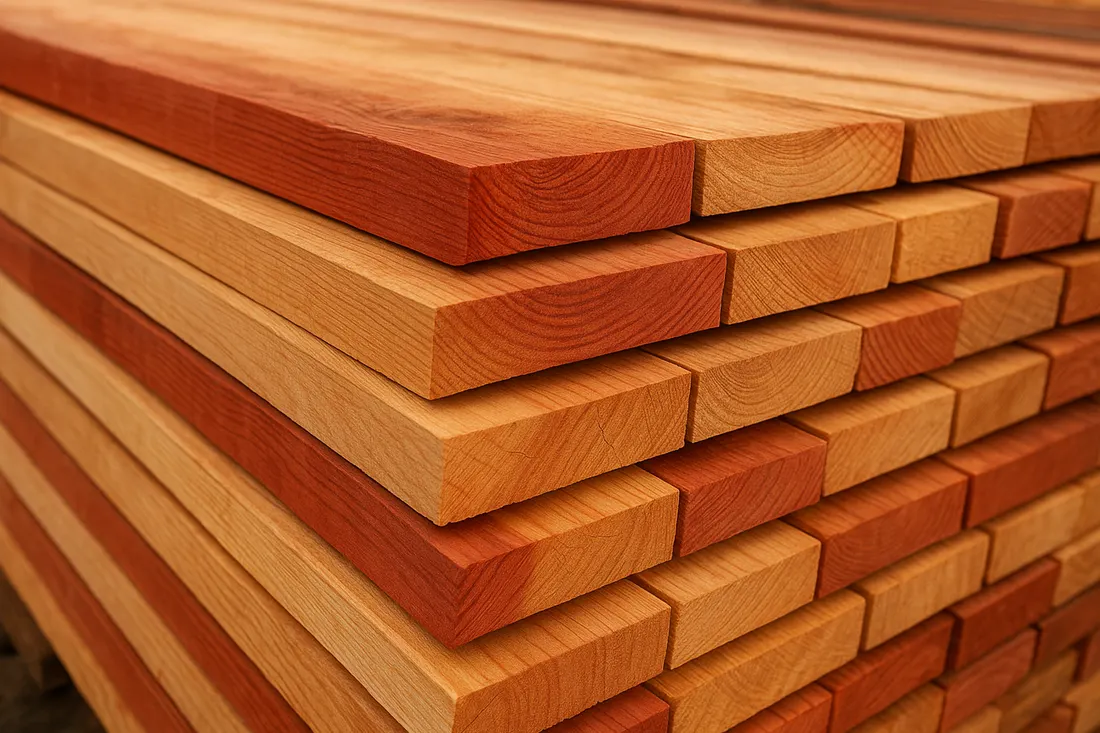
7 Best Woods for Garden Boxes
1. Western Red Cedar — #1 Best Overall
- Decay resistance: durable to very durable (The Wood Database)
- Price: $1.50-$3.50/board foot
- Weight: ~23 lbs/ft³ — light enough to handle without a second set of hands
- Zero chemical treatment required
- Typical lifespan in soil contact: 10-15 years
Cedar is the default recommendation for a reason that holds up under scrutiny: it’s the only species on this list that’s simultaneously cheap, light, widely stocked at every lumberyard and big-box store, and naturally rot-resistant without a drop of chemical treatment. The oils that give cedar its smell are the same oils that repel rot fungi and most wood-boring insects. For a deeper look at cedar specifically — grades, heartwood vs. sapwood, and where it’s grown — see our best cedar for raised garden beds breakdown.
Main drawback: at 10-15 years, cedar has the shortest lifespan of the naturally rot-resistant species on this list. Black locust and old-growth redwood both outlast it, sometimes by double. Cedar is also getting more expensive as old-growth stock thins out — the boards sold today aren’t the same 25-year cedar your grandfather’s raised beds were built from.
Who it’s for: anyone building their first raised bed who wants a wood that doesn’t need a sealant, doesn’t need a chemistry lesson, and is sold at literally every lumberyard in North America.
2. Black Locust — Best for Maximum Longevity (25-40+ Years)
- Janka hardness: 1,700 lbf — one of the hardest domestic species available
- Decay resistance: very durable (Wood Database), frequently used for fence posts specifically because of outdoor longevity
- Price: $3.50-$4.50/board foot standard grade (up to $20/bf select grade)
- Zero chemical treatment
- Typical lifespan in soil contact: 25-40+ years
Black locust is the species almost nobody recommends for garden boxes, and that’s a gap worth pointing out: it’s harder and more rot-resistant than cedar or redwood, and it does it with zero chemical treatment. It’s the wood commercial fence-post suppliers reach for when a post has to survive decades in direct ground contact with no maintenance.
Main drawback: it’s genuinely hard to find. Most lumberyards don’t stock it — you’re usually buying from a specialty hardwood supplier or a local sawmill, and grading is inconsistent enough that “get a quote” is the real answer to “what does it cost.” At 48 lbs/ft³ it’s also nearly twice as heavy as cedar, which matters if you’re building and moving assembled panels solo.
Who it’s for: a gardener who wants to build one raised bed and never touch it again for 30 years, and is willing to track down a specialty supplier to get there.
3. Coast Redwood (Old-Growth Heartwood) — Best Premium Pick
- Decay resistance: moderately to very durable, old-growth performing best (Wood Database)
- Price: $2.50-$5.00/board foot
- Weight: ~26 lbs/ft³
- Typical lifespan: 15-25 years (old-growth heartwood)
Redwood’s natural tannins and oils do the same job cedar’s do, with old-growth heartwood lasting longer and shrugging off moisture with less seasonal movement — it stays flatter and straighter than cedar over a wet Pacific Northwest winter.
Main drawback, and a real correction: most buying guides don’t mention that redwood is sometimes solvent-dried rather than kiln-dried, and the solvent used is a genuine irritant during machining. If a supplier can’t confirm “kiln-dried,” ask before you buy — this distinction almost never shows up on a retail tag. Second-growth redwood (what most retail lumber actually is today) is also meaningfully less durable than the old-growth heartwood the “20-30 year” claims you’ll see elsewhere are usually based on.
Who it’s for: West Coast gardeners with easy access to real old-growth or reclaimed redwood, and a budget that isn’t the top priority.
4. Bald Cypress (Old-Growth) — Best for Humid & Southern Climates
- Decay resistance: durable to very durable when old-growth; only moderately durable from young-growth trees (Wood Database)
- Price: $2.00-$6.50/board foot depending on grade and source
- Weight: ~32 lbs/ft³
- Typical lifespan: 15-25 years old-growth, 8-12 years young-growth
Cypress is the regional pick — it’s what boatbuilders and dock builders in the Gulf South reach for because it tolerates constant moisture without cedar’s higher price tag. It’s also more available than cedar or redwood in the Southeast, where both of those species have to be shipped in. The same species tradeoffs apply if you’re building seating rather than a bed — see our best wood for garden bench guide for the bench-specific picks.
Main drawback: the durability numbers above have a large asterisk. Most cypress sold today is young-growth, not old-growth, and young-growth cypress drops from “durable to very durable” all the way to “only moderately durable” — closer to Douglas fir than to cedar. Ask specifically whether the boards are old-growth; if the supplier can’t answer, assume young-growth and budget for an 8-12 year lifespan, not 20+.
Who it’s for: gardeners in the Southeast or Gulf Coast who want a locally available, humidity-tolerant wood without cedar’s shipping markup.
5. Modern ACQ/Copper-Azole Pressure-Treated Pine — Best Value (With a Caveat)
- Price: $0.90-$1.60/board foot — the cheapest rot-resistant option on this list
- Treatment: alkaline copper quat (ACQ) or copper azole — no arsenic, no chromium
- Typical lifespan: 15-20+ years, ground-contact rated
This is the correction most garden-bed articles skip. “Never use pressure-treated wood for vegetables” is repeated across almost every wood-for-garden-boxes article on the web — and it’s a holdover from CCA (chromated copper arsenate) lumber, which the EPA banned for residential use in 2003 because it genuinely did leach arsenic. Modern pressure-treated lumber uses ACQ or copper azole instead — copper-based, arsenic-free formulations that bind to the wood fibers over several weeks after treatment.
Research cited by wood-science researchers testing soil directly against ACQ-treated boards found no statistically significant increase in copper levels, and separate studies on fruiting vegetables (tomatoes, beans) found copper uptake was virtually unaffected. That’s a meaningfully different food-safety picture than the blanket “avoid it” advice suggests — modern treated lumber is not 2003-era CCA lumber, and treating them identically is the actual misinformation.
Main drawback — the caveat is real, just narrower than most people think: copper mobility rises in acidic soil, so if your garden soil runs acidic, test and amend it toward neutral. For beds growing root vegetables that sit in direct, prolonged contact with the board (carrots pressed against the wall, for instance), a food-contact-safe liner or sealant is still the cautious move, and it’s what we’d recommend if you want zero ambiguity rather than “very low risk, extensively tested.”
Who it’s for: budget-conscious gardeners who’ve read the “never use treated wood” advice, want the real research behind it, and are comfortable with a liner as a belt-and-suspenders precaution rather than a strict requirement.
6. White Oak — Best Hardwood for Structural Strength
- Janka hardness: 1,350 lbf
- Decay resistance: very durable (Wood Database) — the same class used for boatbuilding and liquid-tight cooperage (barrels)
- Price: $4.00-$10.00/board foot
- Weight: ~47 lbs/ft³
White oak’s decay resistance is genuinely in the same class as black locust — it’s the wood coopers use for whiskey barrels precisely because it doesn’t rot or leak under constant liquid contact. For a garden box, that translates to a frame that won’t warp or split at the joints even under years of wet soil pressure.
Main drawback: it’s rarely actually used for garden boxes, and the price and weight explain why. At $4-$10/board foot it’s 3-6x cedar’s cost, and at 47 lbs/ft³ it’s twice cedar’s weight — a full 8-foot 2×10 board is genuinely heavy to maneuver alone. This is a pick for someone who already has oak on hand or values structural strength above all else, not a default recommendation.
Who it’s for: woodworkers building a permanent, furniture-grade raised bed who already have hardwood-shop access and don’t mind the premium.
7. Douglas Fir — Best Lightweight Budget Softwood
- Decay resistance: moderately durable (Wood Database) — the weakest natural rating on this list besides untreated pine
- Price: $0.70-$1.20/board foot — the cheapest lumber here
- Weight: ~32 lbs/ft³, but among the strongest softwoods per pound (Wood Database notes it’s “among the hardest and heaviest softwoods commercially available”)
- Typical lifespan: 5-8 years untreated
Douglas fir is what most framing lumber is made from, and it shows up in garden-box builds mainly because it’s the cheapest wood at any home center. It’s genuinely strong for its weight, which matters for a tall raised bed under soil pressure.
Main drawback: “moderately durable” is a real step down from cedar’s “durable to very durable,” and it shows — expect 5-8 years before boards start softening, not 10-15. It’s also susceptible to insect attack in a way cedar and redwood aren’t. Treat Douglas fir as a budget, shorter-lifespan build, not a long-term investment.
Who it’s for: a gardener testing whether raised-bed gardening is for them before committing to a pricier species, or building something explicitly meant to be rebuilt every several years.
How We Picked These Woods
This is a research-and-compare roundup, not a hands-on lumber test — we did not physically build seven raised beds and monitor them for a decade. Here’s exactly what the picks and numbers above are built from:
- Decay resistance ratings pulled directly from The Wood Database, a primary-sourced species reference, for each of the seven species — not a paraphrase of another blog’s summary.
- Price-per-board-foot figures cross-checked across multiple 2026 lumber-pricing sources for each species; ranges reflect real regional variation, not a single supplier’s number.
- The pressure-treated food-safety claim is sourced to peer-reviewed and university-extension research (Oregon State University Extension’s published findings, corroborated by independent wood-science testing) rather than the blanket “avoid it” advice that circulates without a citation.
- Product picks (sealant, pre-built beds, fasteners) are live-verified via the Amazon Creators API this session — a returned buy-box price, not just a page that loads.
Where a number couldn’t be confirmed from a solid source, we said so directly in the text (see the cypress old-growth/young-growth caveat and the redwood kiln-drying note) rather than smoothing it over.
What to Consider When Choosing Wood for Garden Boxes
Rot & Decay Resistance
This is the single biggest driver of how often you’ll rebuild. Look for a species rated “durable” or “very durable” by The Wood Database or a comparable reference — cedar, black locust, redwood, old-growth cypress, and white oak all qualify. Douglas fir and untreated pine are “moderately durable” or lower, which means faster replacement, not a defect — just a different tradeoff.
Food Safety
Every naturally rot-resistant species on this list (cedar, redwood, black locust, cypress, oak) is food-safe by default — there’s no chemical to leach because there’s no chemical treatment. Modern pressure-treated pine is the only pick that needs the nuance explained above: it’s not old CCA lumber, but a liner is still the zero-risk choice for direct root-vegetable contact.
Price per Board Foot
Board-foot pricing is the only way to compare species fairly, since dimensional lumber is sold in wildly different sizes. If you’re not sure how to convert a board foot to what you’ll actually pay for a project, our board-foot cost breakdown walks through the math.
Climate & Region
Cypress makes the most sense in the humid Southeast where it’s grown locally; redwood is priced best on the West Coast; cedar ships well and is stocked almost everywhere. Buying the regionally native species usually beats buying the “best” species on paper once shipping costs are factored in.
Weight & Workability
Cedar (23 lbs/ft³) and redwood (26 lbs/ft³) are easy to handle solo. Black locust (48 lbs/ft³) and white oak (47 lbs/ft³) are roughly double that — plan on a second set of hands, or pre-cut boards to length before assembly.
Board Thickness
2-inch nominal (actual 1.5″) boards resist bowing under wet soil pressure far better than 1-inch stock, especially on beds taller than 12 inches. It costs more per box but roughly doubles the years before a wall bows outward.
Sealants & Liners
A food-contact-safe sealant extends the life of any species on this list, treated or not, and is the recommended extra step for pressure-treated pine specifically. We verified the Garden Box Sealer FDA Food Contact Safe Plant-Based Wood Sealant live this session at $25.17 — it’s plant-based, rated for food-contact surfaces, and works on any of the seven species above.
Fasteners
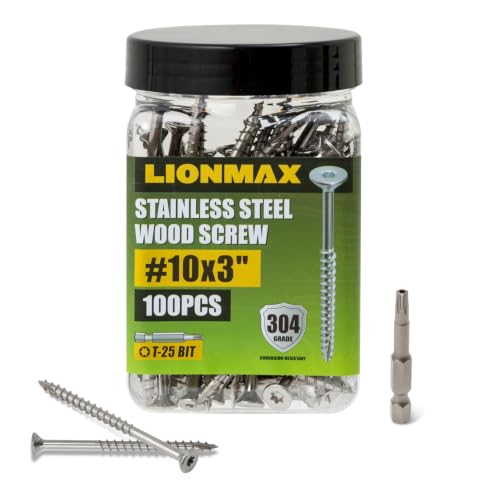
Standard zinc-coated deck screws corrode fast in constantly wet soil contact and can streak the wood. Stainless steel is the only fastener we’d recommend for a garden box regardless of species — we verified #8 x 1-5/8" 410-grade stainless steel deck screws (150-pack) live at $17.99, a size that suits typical 1x-2x garden-box lumber.
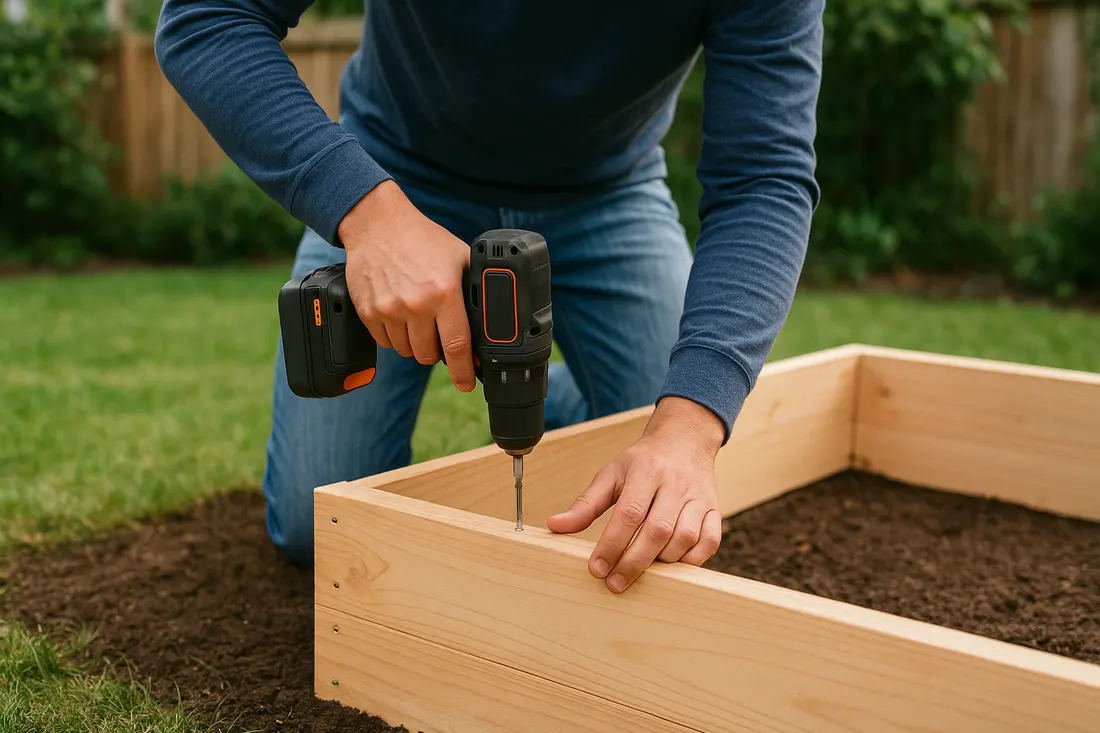
Prefer a Pre-Built Kit?
If milling your own boards isn’t practical, both of these pre-built wood raised beds returned a live buy-box price this session:
- Best Choice Products 48x24x30in Elevated Wood Planter Box — $99.99, 200 lb capacity, includes a bed liner, no bending required thanks to the elevated stand.
- VEVOR 34x18x30in Raised Garden Bed — $47.90, natural fir wood, sturdy legs, non-woven liner included, a smaller-footprint option for patios and balconies.
Two other kits previously linked from this page (a VEVOR 96x24x10in fir bed and a cedar planter box) no longer return a live price and have been removed rather than left as dead links.
Real Cost to Build a 4×8 Garden Box, by Species
Prices per board foot are hard to picture without a real project attached, so here’s the math for a standard 4×8-foot, two-course bed built from nominal 2×6 lumber (a common raised-bed size, roughly 11 inches tall).
The formula: two courses of 2×6 boards around a 4×8 perimeter need 48 linear feet of lumber total (2 courses × [2×8ft + 2×4ft] = 48 linear ft). For nominal 2×6 stock, that works out to 1 board foot per linear foot, so this build needs 48 board feet of lumber. Multiply that by each species’ price-per-board-foot range from the table above to get a real cost floor and ceiling — no lumberyard visit required to sanity-check a budget.
| Species | 48 Board Feet Costs | + Stainless Screws ($17.99) | + Food-Safe Sealant ($25.17, optional) |
|---|---|---|---|
| Douglas Fir | $34 – $58 | $52 – $76 | $77 – $101 |
| Modern ACQ Pressure-Treated Pine | $43 – $77 | $61 – $95 | $86 – $120 |
| Western Red Cedar | $72 – $168 | $90 – $186 | $115 – $211 |
| Bald Cypress | $96 – $312 | $114 – $330 | $139 – $355 |
| Black Locust (standard grade) | $168 – $216 | $186 – $234 | $211 – $259 |
| Coast Redwood | $120 – $240 | $138 – $258 | $163 – $283 |
| White Oak | $192 – $480 | $210 – $498 | $235 – $523 |
Derived figures — lumber cost = 48 board feet × each species’ 2026 price-per-board-foot range from the comparison table; fastener and sealant costs are the live Amazon prices verified above. Regional pricing, grade, and supplier will shift these numbers, but the ratio between species holds: cedar costs roughly 2x Douglas fir for a meaningfully longer lifespan, and black locust costs roughly 2-3x cedar for double or triple the years in the ground.
Run per year of expected lifespan, cedar and black locust land in a similar place — cedar’s lower upfront cost divided by its shorter 10-15 year life is close to black locust’s higher upfront cost divided by 25-40+ years. Douglas fir and ACQ pine are cheapest per project but need replacing 2-3x more often, which is the real tradeoff, not just the sticker price.
How to Build a Garden Box That Lasts
- Pick your species using the table above, weighing lifespan against price and availability in your region.
- Choose 2-inch nominal boards over 1-inch stock for any bed taller than 12 inches, to resist bowing under wet soil pressure.
- Cut and dry-fit the frame before driving any fasteners, checking that corners are square.
- Pre-drill near board ends to prevent splitting, especially in harder species like white oak or black locust.
- Assemble with stainless steel screws — never standard zinc-coated screws, which corrode and streak in constant soil moisture.
- Line the interior with a food-contact-safe liner or sealant if using pressure-treated lumber, or if you simply want the added margin regardless of species.
- Set the bed and backfill with a quality soil mix, watering the wood lightly before filling to reduce initial warping.
Frequently Asked Questions
What is the best wood for garden boxes?
Western red cedar is the best all-around choice — durable to very durable decay resistance, no chemical treatment, and the widest availability at $1.50-$3.50 per board foot. Black locust lasts longer (25-40+ years) but is harder to source.
Is pressure-treated wood safe for vegetable gardens?
Modern pressure-treated lumber (ACQ or copper azole, used since the 2003 CCA ban) is a different, EPA-compliant chemistry from the arsenic-based treatment that gave pressure-treated wood its bad reputation. University extension research has found no statistically significant rise in copper levels in vegetables grown against ACQ-treated boards. A liner is still recommended for direct, prolonged root-vegetable contact as an added precaution.
How long does cedar last in a raised garden bed?
Typically 10-15 years in direct soil contact, depending on board thickness, climate, and whether a sealant is used. Untreated, unsealed cedar in constantly wet soil will land at the shorter end of that range.
What wood should I avoid for garden boxes?
Avoid reclaimed pallet wood and railroad ties (both frequently contain unknown chemical contamination), and old CCA-treated lumber if you happen to have any pre-2004 stock — it’s genuinely arsenic-treated and shouldn’t go anywhere near food crops.
Do I need to seal or line a garden box?
Not required for naturally rot-resistant species like cedar or redwood, but a food-safe sealant will extend their life. For pressure-treated pine, a liner is the recommended extra precaution for direct root-vegetable contact even though current research shows low measured risk.
Is black locust better than cedar for raised beds?
By decay resistance and lifespan, yes — black locust is rated “very durable” versus cedar’s “durable to very durable” and can outlast it 2-3x. The tradeoff is availability: most lumberyards don’t stock it, so you’re typically sourcing from a specialty hardwood supplier.
Final Thoughts
Western red cedar remains the best all-around wood for garden boxes — the only species that’s simultaneously cheap, light, everywhere, and naturally rot-resistant. But the one number worth remembering from this whole comparison is the food-safety correction: modern ACQ-treated pine, at a third of cedar’s price, is not the same product the internet keeps warning you away from, and the research backs that up. Choose black locust or old-growth redwood only if 25+ years matters more than cost; choose cedar for everything else. For a shorter species rundown without the full price and decay-class breakdown, see what kind of wood for garden boxes.
Sponsored / affiliate links. As an Amazon Associate I earn from qualifying purchases. I may earn additional commission from eligible campaigns.