Plyboard vs Plywood: What’s Actually Different?
“Plyboard” and “plywood” are not always two different products. Most of the time the word “plyboard” is just an informal, regional way of saying “plywood” – the same all-veneer panel, different name. But in India and several other markets, and with some specialty suppliers, “plyboard” specifically means blockboard, a panel built around a solid wood strip core instead of plywood’s all-veneer layup, and that version really is a different material with different strength, weight, and cost. Below is how to tell which one you are actually looking at, what genuinely changes when the core is different, and which to buy for common projects.
Is Plyboard the Same as Plywood?
It depends entirely on who is using the word. In casual conversation and in a lot of online content, “plyboard” is simply shorthand for plywood – no different core, no different construction, just a shorter or more familiar-sounding name. In India, parts of Southeast Asia, and among a handful of specialty U.S. and UK suppliers, “plyboard” is the market name for blockboard: a panel with a core of narrow solid wood strips glued edge to edge and faced with two thin veneers. That is a genuinely different product from plywood, not just a different label for the same thing. The only way to know which one a listing or supplier means is to ask, or look at the cut edge yourself.
Best for Finishing Raw Plyboard & Plywood Edges
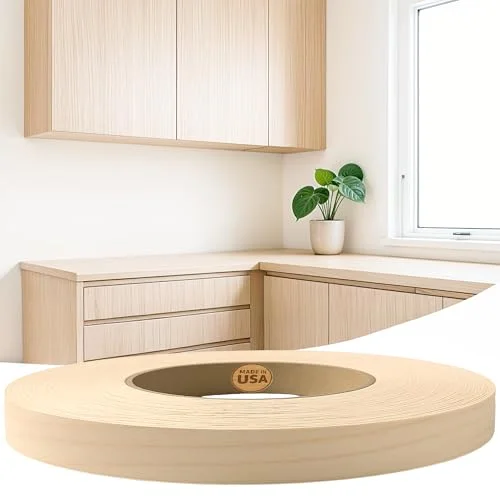 |
Edge Supply Birch Veneer Iron-On Edge Banding, 3/4in x 50ft – $15.99 Both plyboard/blockboard and plywood show raw layers on a cut edge – this real wood veneer tape irons on in minutes to hide them with a clean, finish-ready edge.
|
The Real Construction Difference (When They Actually Differ)
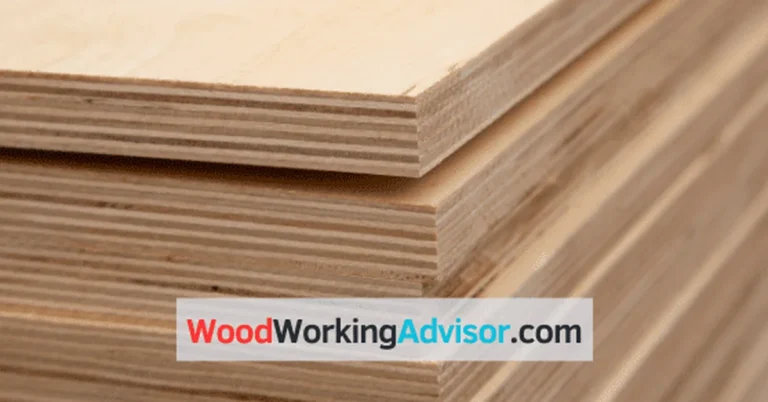
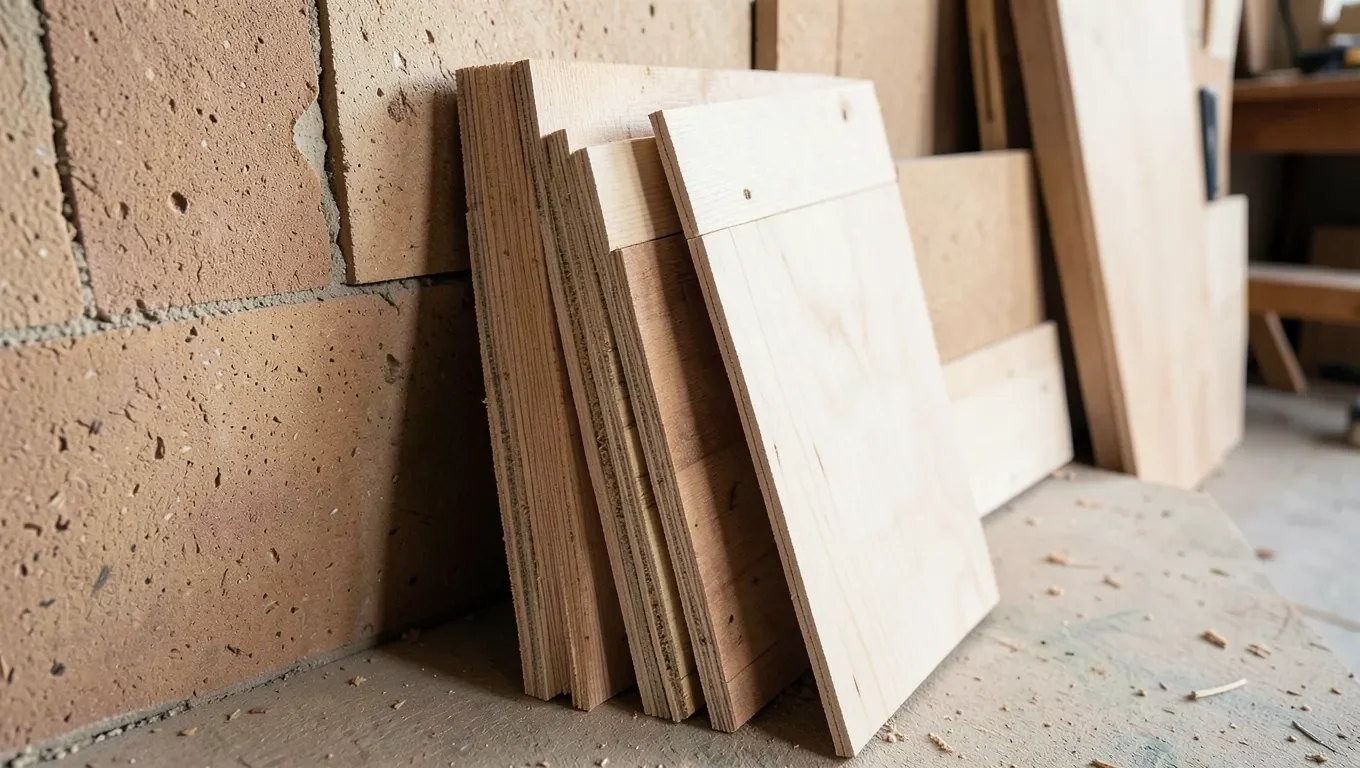
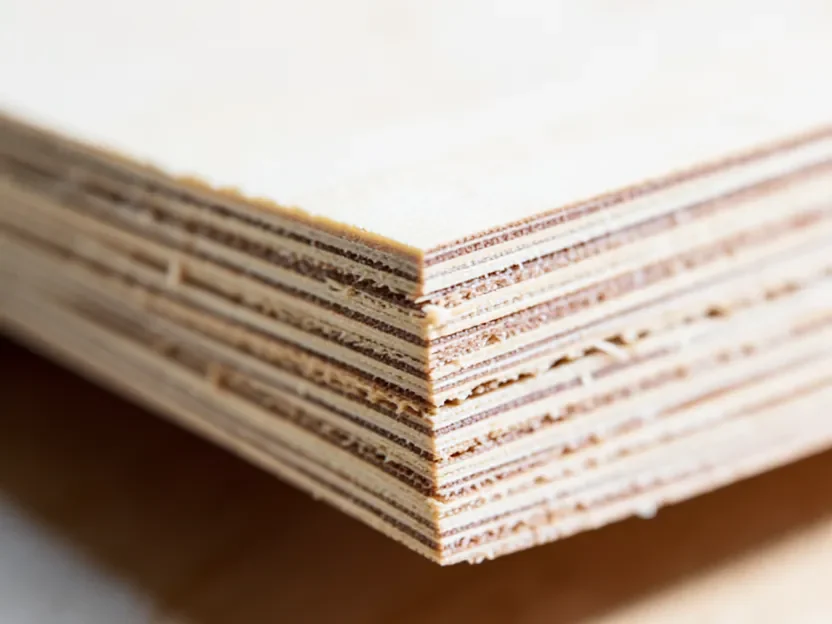
Plywood is built entirely from thin wood veneers, typically 1/16 to 1/8 inch each, glued in stacked layers with the grain of every layer running perpendicular to the one below it, all the way through the panel’s thickness. That cross-graining is what gives plywood its even strength in both directions and its resistance to splitting.
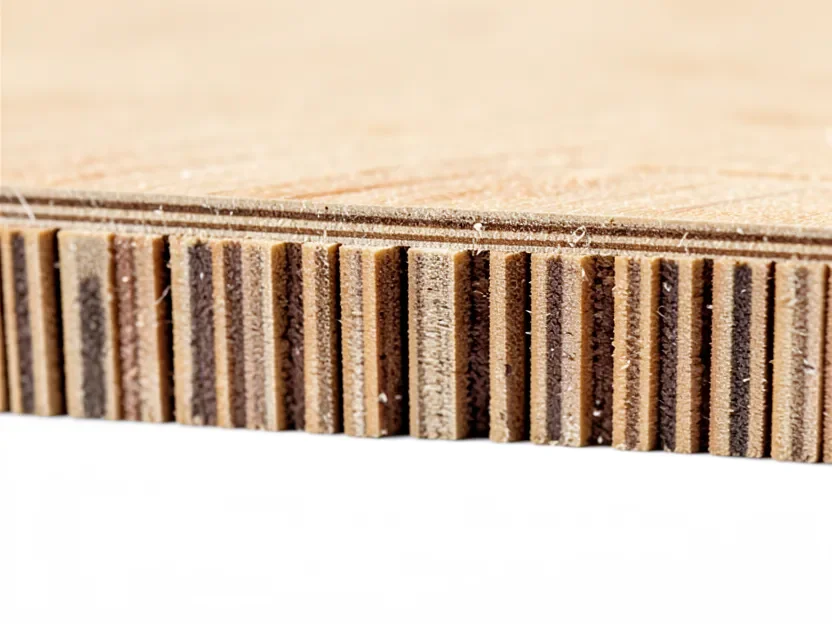
Blockboard, the product actually meant by “plyboard” in markets where the two words describe different things, is built differently. Its core is made of narrow strips of solid wood, usually softwood, glued edge to edge like a mini picket fence, then sandwiched between just two thin face veneers on the top and bottom. There is no cross-graining inside that core – it behaves more like a solid wood panel than a layered one, which is exactly what gives it a different strength profile than plywood.
Strength and Load-Bearing
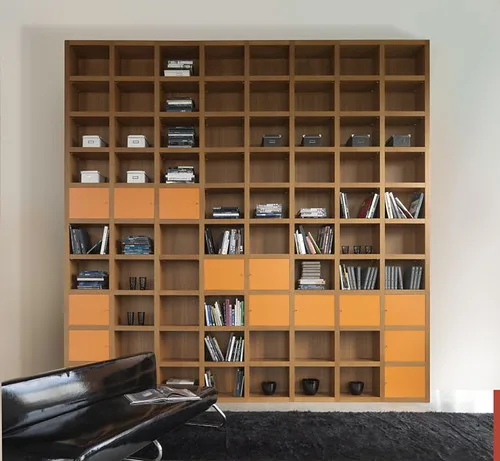
Plywood’s cross-laminated veneers give it consistent strength in every direction across the panel, which is why it is the default choice for structural work like subfloors, roof decking, and wall sheathing where loads come from unpredictable angles. Blockboard’s solid strip core makes it strong along the length of the strips and especially good at holding screws without splitting or stripping out, which is why it shows up so often in shelving, cabinet carcasses, and long unsupported spans like bookshelves. Across the width of the strips, blockboard is comparatively weaker than plywood, so orientation matters more with blockboard than with plywood when you are planning a load-bearing panel.
Moisture Resistance and Warping
Neither material is naturally waterproof, and the marketing claims around both deserve some skepticism. What actually changes moisture performance is the adhesive grade, not the word on the label: exterior or marine-grade plywood uses waterproof glue between veneers, while interior-grade plywood does not and will delaminate faster if it gets wet repeatedly. Blockboard’s solid strip core tends to move less with humidity swings than plywood’s stacked veneers, which is part of why it is a popular choice for long shelves that need to stay flat, but an unsealed edge on either material lets water into the core and both will eventually swell or delaminate if it is left wet.
Cost Comparison
Blockboard is usually the cheaper of the two when they are genuinely different products, mainly because its strip core is typically made from lower-cost softwood rather than the additional veneer layers plywood requires. Plywood’s price climbs with grade and face-veneer quality – a utility-grade softwood plywood sheet costs noticeably less than a hardwood-faced, cabinet-grade sheet of the same thickness. Because “plyboard” sometimes just means plywood, a listing priced like standard plywood and labeled “plyboard” is a good sign you are looking at the same product under a regional name, not a cheaper blockboard core.
Cutting, Edges, and Finishing
Both materials come in the same standard 4 foot by 8 foot sheet size and cut cleanly with a sharp plywood or fine-tooth crosscut blade, though plywood’s veneer face is more prone to surface splintering (tear-out) on the top layer if the blade is dull or the feed rate is too fast. Blockboard’s strip core can leave small visible gaps or an uneven surface right at the cut edge, since you are cutting across the joints between strips rather than through uniform layers. Either way, a raw cut edge on plyboard or plywood looks unfinished and absorbs stain unevenly, so most builders cover it with edge banding tape, a thin strip of real wood veneer or PVC that irons or glues on to hide the layered or strip-core edge and give it a clean, finished look. For general species selection beyond just plyboard and plywood, our types of wood guide breaks down which species suit which projects.
Which Should You Buy?
For structural work, subfloors, roof decking, or anything that needs even strength in every direction, plywood is the better-tested and more widely rated choice. For shelving, cabinet sides, wardrobes, and furniture where screw-holding and a long, straight, unsupported span matter more than multidirectional load, blockboard (when that is genuinely what “plyboard” means in your market) is a lighter, often cheaper option that resists bowing well. If a supplier’s “plyboard” turns out to just be a regional name for plywood, treat it as plywood and choose based on grade and thickness rather than expecting blockboard’s strip-core behavior.
Frequently Asked Questions
Is Plyboard the Same as Plywood?
Often, yes. Outside of specialist retail, “plyboard” is frequently used as a casual, regional stand-in for “plywood,” and the two words get used interchangeably in everyday conversation. But in India and several other South Asian markets, and among some specialty U.S. suppliers, “plyboard” specifically means blockboard: a panel with a solid wood strip core rather than plywood’s all-veneer construction. When it genuinely matters, ask your supplier which construction they mean rather than assuming from the name alone.
What Is the Actual Difference Between Plyboard and Plywood?
When the words do describe different products, the difference is the core. Plywood is built entirely from thin wood veneers, glued in layers with the grain of each layer running perpendicular to the next, all the way through the panel. Plyboard (blockboard) has a thick core of narrow solid wood strips glued edge to edge, sandwiched between just two thin face veneers on top and bottom. That core is why blockboard holds screws well and resists bending along its length, while plywood’s uniform veneer layup gives it more consistent strength in every direction.
Is Plyboard Waterproof?
No, and neither is standard plywood. Both can be made more moisture-resistant with waterproof (marine-grade or exterior-rated) glue between layers, but “water-resistant” is not the same as waterproof. Either material left in standing water or constant high humidity without sealing will eventually swell, delaminate, or warp.
What Size Does a Sheet of Plyboard or Plywood Come In?
The standard sheet size for both is 4 feet by 8 feet, the same footprint used across most lumberyards and home centers. Thickness typically ranges from about 1/4 inch up to 3/4 inch or more, with 1/2 inch and 3/4 inch the most common for furniture and cabinetry.
Is Plyboard Cheaper Than Plywood?
Usually, when they are genuinely different products. Blockboard’s solid-strip core is typically made from lower-cost softwood, which brings the material cost down compared to plywood’s all-veneer construction, especially hardwood-faced plywood. Exact pricing still varies by grade, thickness, and region, so it is worth comparing quotes from the same supplier rather than assuming the price gap holds everywhere.
Conclusion
The honest answer to “plyboard vs plywood” is that it depends on where you are shopping: often the words mean the exact same all-veneer panel, and sometimes “plyboard” specifically means blockboard, a genuinely different product built around a solid wood strip core. When the construction really does differ, plywood wins on even, multidirectional strength and structural applications, while blockboard tends to be lighter, cheaper, and better at holding screws along a long span. Check the cut edge or ask your supplier directly rather than assuming from the name, and either way, band the raw edges before finishing for a project that looks as good as it holds up.
Sponsored / affiliate links. As an Amazon Associate I earn from qualifying purchases. I may earn additional commission from eligible campaigns.