Types of Wood: Hardwood, Softwood, and Engineered Wood
Types of wood split into three families — hardwood, softwood, and engineered wood — grouped by the tree they come from, not by how hard the wood actually is. Hardness is measured separately on the 0–4,000+ lbf Janka scale, so a “hardwood” like balsa can be softer than several softwoods. This guide covers 20+ species by Janka rating, hardwood vs softwood differences, and which type fits furniture, framing, or outdoor builds.
Quick Answer
There are three main types of wood: hardwood (dense, durable, for furniture and floors), softwood (lighter, cheaper, for building and outdoor use), and engineered wood (stable, low-cost, for panels and cabinetry). The terms “hardwood” and “softwood” describe the tree, not the actual hardness — measured separately on the Janka scale.
What are the main types of wood?
Best Wood Moisture Meter Pick

General Tools MMD4E Moisture Meter for Wood, Walls & Water Leak Detection – $37.70
Pin-type reading is the most direct way to confirm a board is actually kiln-dried before you build with it — the moisture check this guide’s “Key wood terms” section explains.
- Best for: Checking if lumber is dry enough to build with before gluing up a project
- Why we picked it: Direct pin-type reading, works on both wood and walls
- Main drawback: Leaves small pinholes — skip it on a finished, visible face
Compare more wood moisture meter options
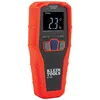 Option 1 Klein Tools ET140 Pinless Moisture Meter – $49.97
|
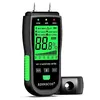 Option 2 RDINSCOS Wood Moisture Meter – $18.89
|
 Option 3 TopTes TS-630 Digital Moisture Meter – $29.99
|
As an Amazon Associate we earn from qualifying purchases.
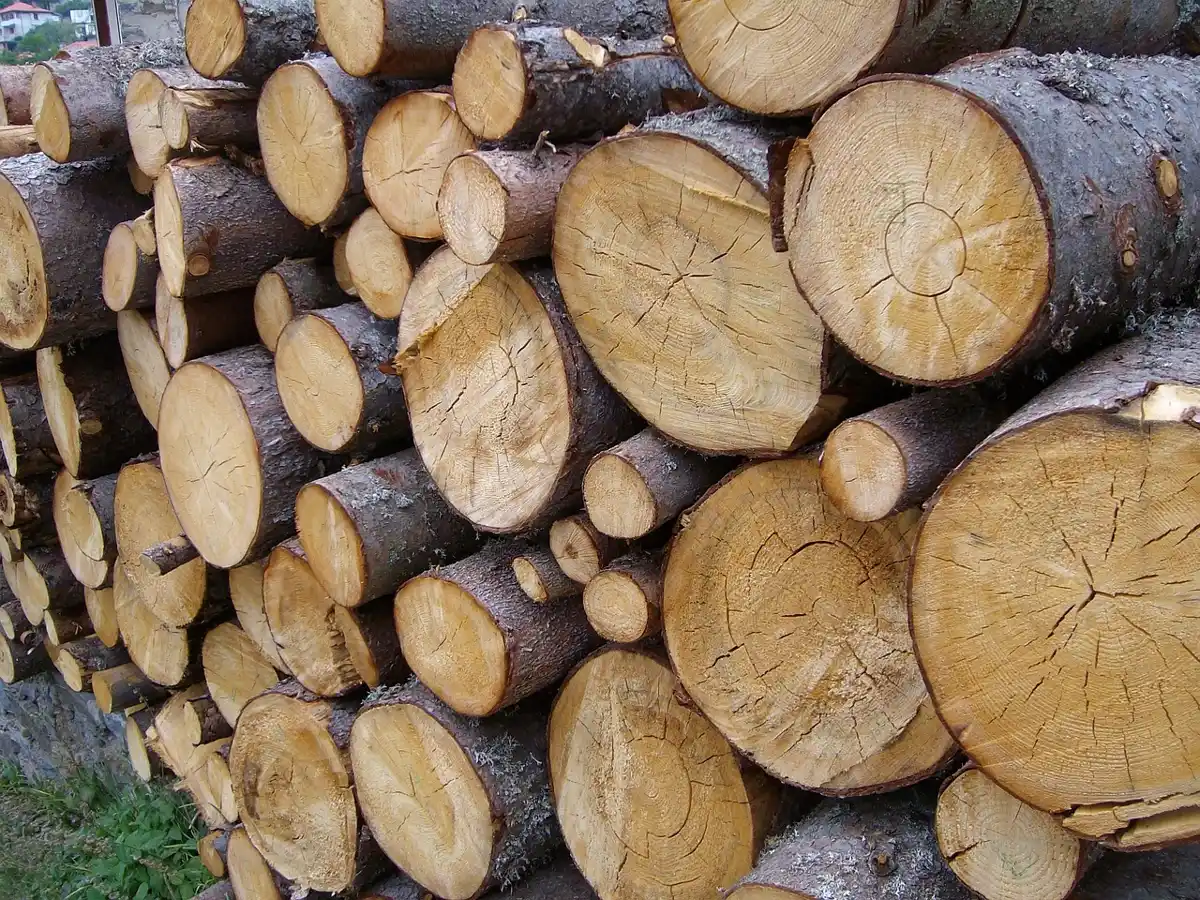
Wood is grouped by the tree it comes from and how it is processed. According to the USDA Forest Products Laboratory, the hardwood/softwood split is botanical — it refers to the tree species, not the density of the timber. That is why balsa (a hardwood) is feather-light while longleaf pine (a softwood) is harder than several hardwoods. It is also why what people call “light wood” depends on whether they mean weight or color.
- Hardwoods — from deciduous, broad-leaved trees. Dense, strong, prized for grain; used in fine furniture, flooring, and cabinetry.
- Softwoods — from evergreen conifers. Lighter, faster-growing, easier to cut; used for framing, decking, and outdoor projects.
- Engineered wood — manufactured from veneers, chips, or fibers bonded under heat and pressure. Stable, affordable, available in large sheets.
Hardness itself is measured on the Janka scale (pounds-force to embed a steel ball) — the industry standard. Higher = harder and more dent-resistant. See which woods are lightest and hardest.
Hardwood vs softwood: what’s the difference?
The core difference is the tree, not the hardness. Hardwoods come from slow-growing deciduous trees and are usually denser, pricier, and more decorative; softwoods come from fast-growing conifers and are cheaper and easier to work — see current price per board foot by species for exact ranges. Here is how they compare at a glance:
| Feature | Hardwood | Softwood |
|---|---|---|
| Tree type | Deciduous (broad-leaved) | Coniferous (evergreen) |
| Growth speed | Slow | Fast |
| Density (usually) | Higher | Lower |
| Cost | Higher | Lower |
| Grain | Often complex / decorative | Usually straight / plain |
| Typical use | Furniture, floors, cabinets | Framing, decking, cheap builds |
Wood grain and appearance
Grain — the pattern of wood fibers — affects both looks and workability. Open-grain woods like oak and ash have visible pores and need grain filler for a glass-smooth finish, while closed-grain woods like maple and cherry are naturally smooth. Grain direction can be straight, interlocked, or figured (curly, quilted, or bird’s-eye maple) — figure raises a board’s value but makes planing trickier. For a full head-to-head on these two specific woods – grain, hardness, staining, and cost – see our oak vs. maple wood guide.
If color, not just grain, is driving your choice, pale species like maple, ash, and birch stay light and reflective for the life of the piece instead of ambering the way some finishes do on darker woods — see our guide to light colored wood species for a breakdown of the best pale options and how they hold up.
Common hardwood types and their uses
Hardwoods are the first choice for furniture and floors because they resist wear and show beautiful grain. In our own project work, the species below cover the vast majority of real builds:
Oak and maple are the two you’ll compare most often — see our maple vs oak breakdown for real Janka hardness numbers and growth-rate differences by species before you pick.
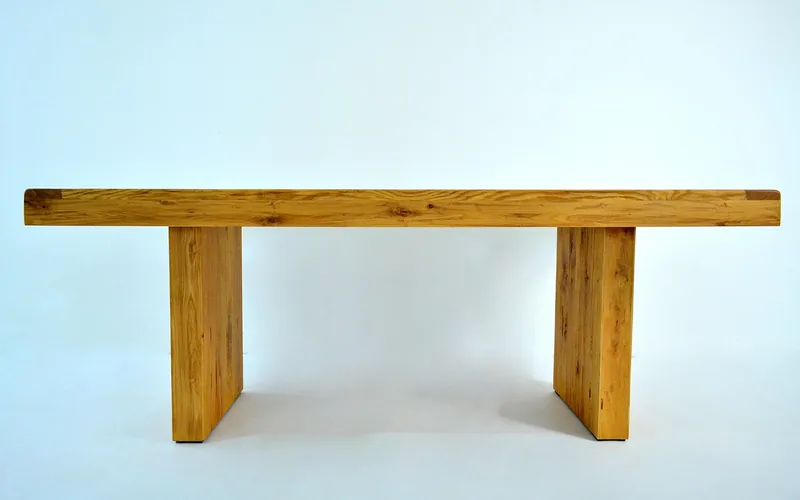
- Red & White Oak (Janka ~1290–1360) — Strong, affordable, with a bold open grain. Red oak is warmer-toned and cheaper; white oak is denser and water-resistant (closed grain), so it suits kitchens, boats, and outdoor furniture. Best for: furniture, dark oak flooring, cabinets, barrels. Watch out: Very hard to work by hand; red oak is porous and less water-resistant.
- Hard Maple (Janka ~1450) — Pale, fine, and very hard with a smooth surface that takes finish evenly. Cutting boards, worktops, and painted cabinetry. Best for: Worktops, cutting boards, floors, painted cabinets. Watch out: Can blotch when stained; heavy.
- Black Walnut (Janka ~1010) — Premium dark chocolate-toned hardwood that machines and carves beautifully. The go-to for heirloom furniture and feature pieces. See how it compares in hardness. Best for: Fine furniture, gunstocks, veneer, feature pieces. Watch out: Expensive; color can lighten in sunlight.
- Cherry (Janka ~950) — Smooth, straight grain that darkens richly with age to a warm reddish-brown. A favorite for fine furniture and cabinetry. Best for: Fine furniture, cabinetry, trim. Watch out: Softer than oak; darkens unevenly if light exposure is uneven. Fine, even grain also made cherry the traditional block wood in Japanese woodblock printmaking.
- Ash (Janka ~1320) — Light-colored, strong, and shock-resistant with an oak-like grain (see our ash vs. white oak comparison for the full Janka and cost breakdown). Traditional for tool handles like wheelbarrow handles, baseball bats, and bent furniture. Best for: Tool handles, sports gear, furniture, flooring, and exposed beams. Watch out: Susceptible to the emerald ash borer; supply is shrinking. Also not naturally rot-resistant, so it needs real protection outdoors — see our guide on ash wood for exterior use before using it for siding or trim.
- Hickory (Janka ~1820) — The hardest common domestic hardwood — extremely tough and shock-resistant. Rustic flooring and tool handles. Best for: Flooring, tool handles, cabinets. Watch out: Hard on tools and blades; can be difficult to stain evenly.
- Birch (Janka ~1260) — Affordable, pale, fine-grained; often used as a budget alternative to maple and as the face veneer on quality plywood. Best for: Plywood, cabinets, furniture, toys. Watch out: Prone to blotching; less rot-resistant.
- Poplar (Janka ~540) — A soft, inexpensive, easy-to-work hardwood. Technically a hardwood but soft — ideal for painted trim, drawers, and beginner projects. Best for: Painted furniture, trim, drawer boxes. Watch out: Too soft for high-wear surfaces; greenish-yellow streaks that mellow with light exposure – see what kind of wood is yellow inside for why.
“The species we reach for most in the shop are oak and maple — they’re forgiving to plane, take stain evenly, and hold up to daily wear in furniture and cabinets. Poplar is our go-to whenever a piece is getting painted instead of stained, since nobody sees the grain anyway.”
Premium and exotic hardwoods round out the group: mahogany (~800) and teak (~1,070) are prized for their rich color and outstanding weather resistance — teak’s natural oils make it the standard for outdoor and marine furniture. Mango wood (~1,070) is a sustainable, budget-friendly choice, while purpleheart (~1,860) is a dramatic, naturally purple exotic used for accents and turning. One material that sits outside this whole list is palm “wood”: it looks and machines like a tropical hardwood, but palm trees never form a true wood layer at all. See our guide on whether you can actually build with palm tree wood before you plan a project around it.
Common softwood types and their uses
Softwoods grow faster, cost less, and are easier to cut, which makes them the backbone of construction and outdoor work:
- Pine (Janka ~380–870) — Inexpensive, light, and everywhere. Eastern white pine (~380) is soft and knotty; Southern yellow pine (~870) is much harder and used structurally. The default for framing, shelving, and beginner DIY. See is pine a hardwood?. Best for: Framing, shelving, DIY, furniture. Watch out: Dents easily (white pine); knots and sap.
- Cedar (Janka ~350) — Lightweight and naturally rot- and insect-resistant thanks to its aromatic oils — ideal outdoors and in closets. Western red and aromatic red cedar are the common types. Best for: Decking, fencing, closets, outdoor furniture, siding. Watch out: Soft and dents easily; splinters more than most softwoods.
- Douglas Fir (Janka ~660) — Strong and stiff for its weight, which is why it is a top structural framing lumber. Also used for beams and flooring. Compare SYP vs SPF lumber and what fir is used for. Best for: Framing, beams, plywood, flooring. Watch out: Splinters; not naturally rot-resistant.
- Spruce / Whitewood (Janka ~510) — “Whitewood” is a lumberyard label usually covering spruce, pine, or fir (SPF) sold for general construction. See what is whitewood. Best for: Construction framing, crates, general DIY. Watch out: Low rot resistance; not for outdoor use untreated.
- Redwood (Janka ~450) — Lightweight, straight-grained, and highly rot-resistant like cedar — a premium outdoor wood from coast redwoods native to Northern California’s foggy coastline, not the Sierra Nevada (redwoods don’t actually grow in Yosemite). Best for: Decking, outdoor furniture, siding. Watch out: Expensive; soft and dents.
Engineered wood types
Engineered boards — also called manufactured wood — trade natural grain for stability, large sheet sizes, and lower cost. They resist warping and are ideal wherever a flat, uniform surface matters:
- Plywood — thin veneers glued in alternating cross-grain layers for strength and stability. Grades run from rough sheathing to cabinet-grade birch. Used for panels, subfloors, and cabinet carcasses.
- MDF — medium-density fiberboard with a smooth, grain-free surface, perfect for painted cabinetry and trim. Heavy, and it swells if it gets wet. See our full guide to MDF cabinets for the moisture-resistant variant and finishing tips, or our project panel vs plywood comparison if you’re deciding between MDF and plywood for a specific project. Curious what MDF is actually made from? See where MDF comes from.
- Particle board — the most economical panel, made from wood chips and resin; common in flat-pack furniture. Weakest of the engineered boards, and needs a pre-drilled pilot hole to hold a screw without splitting. See our chipboard vs plywood comparison for when each one makes sense.
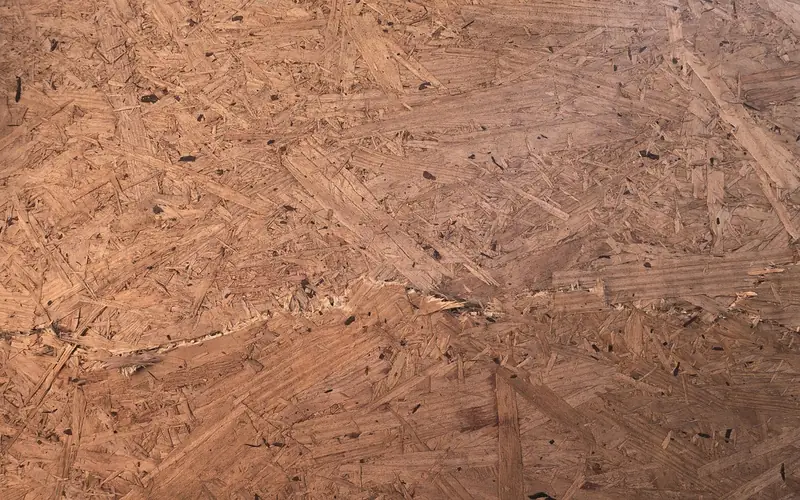
- OSB — oriented strand board, made from compressed wood strands; strong and cheap, used for sheathing and subfloors.
Wood hardness compared (Janka scale)
Hardness predicts how well a wood resists dents and wear — important for floors and worktops. Here are common types ranked on the Janka scale (pounds-force):
Values below are standard reference figures from The Wood Database.
| Wood | Janka (lbf) | Type |
|---|---|---|
| Hickory | 1820 | Hardwood |
| Hard maple | 1450 | Hardwood |
| White oak | 1360 | Hardwood |
| Ash | 1320 | Hardwood |
| Red oak | 1290 | Hardwood |
| Birch | 1260 | Hardwood |
| Teak | 1070 | Hardwood |
| Black walnut | 1010 | Hardwood |
| Cherry | 950 | Hardwood |
| Southern yellow pine | 870 | Softwood |
| Mahogany | 800 | Hardwood |
| Douglas fir | 660 | Softwood |
| Poplar | 540 | Hardwood |
| Redwood | 450 | Softwood |
| Eastern white pine | 380 | Softwood |
| Western red cedar | 350 | Softwood |
Key wood terms
Janka hardness is the industry-standard measure of how well a wood resists denting and wear, in pounds-force.
Grain is the pattern and direction of a wood’s fibers, which affects strength, look, and how it machines.
Figure is the decorative pattern in some wood (curly, quilted, bird’s-eye) that raises its value.
Hardwood vs softwood is a botanical split — hardwoods come from broad-leaved trees, softwoods from conifers; it describes the tree, not the density.
Kiln-dried is wood dried in a controlled oven to a low, stable moisture content so it stays flat and takes finish well.
Quarter-sawn is lumber cut so the growth rings run roughly vertical, giving a straight grain that resists warping.
Engineered wood is boards made from veneers, chips, or fibers bonded under heat and pressure (plywood, MDF, OSB) for stability and low cost.
How is wood graded and certified?
Species is only half the buying decision — grade determines how much clear, usable material is actually in the board you’re paying for. In the US, hardwood lumber is graded by the National Hardwood Lumber Association (NHLA); softwood dimension lumber (framing studs, joists) uses a separate structural-grading system built around strength, not appearance.
- FAS (Firsts and Seconds) — the top hardwood grade. Boards are 6″ or wider and 8′ or longer, and both faces must yield at least 83-1/3% clear, defect-free cuttings. Most expensive, least waste.
- Select — one face grades FAS, the other only needs to meet No. 1 Common. A cheaper option when just one visible face matters, like a tabletop.
- No. 1 Common — often called “Cabinet” grade because it’s what most kitchen cabinet shops actually buy. Smaller boards (3″+ wide, 4′+ long) yielding at least 66-2/3% clear cuttings, since the material gets cut into smaller parts anyway.
📊 FAS-grade hardwood must yield at least 83-1/3% clear, defect-free material on both faces of the board. — Source: American Hardwood Export Council, grading guide
Softwood framing lumber is graded differently — visually or by machine for strength, into grades like Select Structural, No. 1, No. 2, and Stud grade, standardized under the American Lumber Standard Committee. A “No. 2 & Better” stamp is the common baseline for house framing; it doesn’t chase clear faces the way hardwood grading does, since the wood ends up inside a wall.
Some softwood suppliers also stock a “Prime” grade – a #2 or #3 structural grade with tighter limits on wane and knot placement for lumber that will be seen, such as deck framing or a patio cover, without any change in strength. See our guide on what Prime grade lumber actually means for how it compares to hardwood grades like FAS.
FSC certification is separate from grade — it verifies how the tree was harvested, not the board’s appearance. FSC (Forest Stewardship Council) labels come in three tiers: FSC 100% (entirely FSC-certified forest sources), FSC Mix (at least 70% certified or recycled content), and FSC Recycled (fully reclaimed material). Look for the label if sustainable sourcing matters for your project — it doesn’t change the wood’s hardness or grain, only where it legally and responsibly came from.
Not sure what species a board actually is before you buy or build with it? See how to identify wood types by end grain for a closer look than color and weight alone can give you.
How do you choose the right type of wood?
Match the wood to the demands of the project — durability, moisture exposure, finish, and budget:
| Project | Best wood type | Why |
|---|---|---|
| Furniture & cabinets | Hardwood (oak, maple, walnut) | Durability + attractive grain |
| Outdoor / decking / trim | Cedar, redwood, teak, treated softwood | Rot & moisture resistance — see best wood for exterior trim |
| Painted projects & panels | MDF, plywood, poplar | Smooth, stable surface — see our best wood for door casing comparison |
| Budget builds & framing | Pine & other softwoods | Low cost, easy to work |
| High-wear floors & worktops | Hickory, maple, white oak | Highest Janka hardness |
Frequently asked questions
Is hardwood always harder than softwood?
No. The terms describe the tree, not the density. Balsa is a hardwood but extremely soft, while longleaf pine (a softwood, Janka ~870) is harder than poplar or cherry. Use the Janka scale to compare actual hardness.
What is the most versatile type of wood?
Pine is the most versatile budget wood for general use and framing, while oak is the most versatile hardwood when you need strength and a classic look at a reasonable price.
Which wood is best for beginners?
Pine and poplar are best for beginners — inexpensive, easy to cut and finish, and forgiving of mistakes. Avoid dense exotics like purpleheart or hickory until your tools and skills are ready.
What type of wood is best for outdoor use?
Naturally rot-resistant woods — cedar, redwood, and teak — are best outdoors, along with pressure-treated softwood for structural parts. Their oils or treatment resist moisture, insects, and decay. See how cedar compares to teak specifically for outdoor furniture.
What is the hardest type of wood?
Among common woods, hickory is the hardest domestic species at about 1,820 on the Janka scale. Exotic species like purpleheart (~1,860) and ipe (~3,680) are harder still.
Which wood is cheapest?
Pine, poplar, and engineered boards like particle board and OSB are the cheapest. Pine is the most affordable solid softwood; particle board is the cheapest panel.
What’s the difference between domestic and exotic wood?
Domestic wood comes from trees grown in the same region where it’s sold — in the US, that’s species like oak, maple, and pine. Exotic wood is imported from other regions, such as teak, mahogany, or purpleheart, and usually costs more because of shipping, tariffs, and lower supply. Exotic species are prized for colors and grain patterns domestic trees don’t produce, like purpleheart’s violet hue.
What does FAS mean in lumber grading?
FAS stands for “Firsts and Seconds,” the top grade in the National Hardwood Lumber Association system. FAS boards are at least 6 inches wide and 8 feet long, and both faces must yield a minimum of 83-1/3% clear, defect-free material. Lower grades like Select and No. 1 Common cost less but yield smaller clear cuttings per board.
If you’re weighing two of the most popular furniture hardwoods against each other, see how walnut and cherry actually compare in color.
Sponsored / affiliate links. As an Amazon Associate I earn from qualifying purchases. I may earn additional commission from eligible campaigns.